
“In What Order Should I Use Skin Care Products?”
Are you sure you’re using your skincare products in the right order? Applying them incorrectly can mean all your effort—and money—goes to waste.
Imagine if your serums never fully absorbed, or your sunscreen didn’t protect as it should, simply because you layered them the wrong way. You want glowing, healthy skin, and the secret lies in the order you use your products. You’ll discover the simple, step-by-step routine that unlocks the full power of every cleanser, serum, and moisturizer in your kit.
Ready to transform your skincare game and see real results? Keep reading to learn exactly how to apply your products for maximum benefit.
Cleanser First
Starting your skincare routine with a cleanser is essential. Cleansing removes dirt, oil, and impurities from your skin’s surface. This step prepares your skin for the products that follow. Without cleansing first, other products may not absorb well or work effectively. Clean skin ensures better results and a fresher look.
Choosing The Right Cleanser
Select a cleanser that suits your skin type. For dry skin, choose a gentle, hydrating cleanser. Oily skin benefits from foaming or gel cleansers that remove excess oil. Sensitive skin needs mild, fragrance-free formulas to avoid irritation. Normal skin can use a balanced cleanser that cleans without stripping moisture. Picking the right cleanser helps maintain your skin’s natural balance.
How To Properly Cleanse Your Face
Start by washing your hands to avoid transferring bacteria. Use lukewarm water to wet your face, which opens pores. Apply a small amount of cleanser using your fingertips. Gently massage in circular motions for about 30 seconds. Focus on areas prone to oil or dirt buildup, like the forehead and nose. Rinse thoroughly with lukewarm water. Pat your face dry with a soft towel, avoiding harsh rubbing. Cleanse twice a day, morning and night, for best results.
Credit: www.gameelaskin.com
Toner After Cleansing
Using toner after cleansing is an essential step in a skincare routine. It helps prepare the skin for the next products. Toner removes leftover dirt and oil that cleansing may miss. It refreshes the skin and balances its pH level. Applying toner correctly can improve how well other products work on your skin.
Benefits Of Toner
Toner soothes and calms the skin after cleansing. It tightens pores and reduces their appearance. Toner can remove excess oil and prevent breakouts. Some toners add hydration and nutrients to the skin. It creates a smooth base for serums and moisturizers. Using toner regularly helps maintain clear and healthy skin.
Applying Toner Correctly
Use a cotton pad or your hands to apply toner. Gently swipe it across your face and neck. Avoid rubbing or pulling the skin. Let the toner dry naturally before applying other products. Use toner twice daily, morning and night. Choose a toner that suits your skin type for best results.
Eye Cream Application
Eye cream plays a vital role in your skincare routine. It targets delicate skin around your eyes. This skin is thinner and more prone to dryness and wrinkles. Applying eye cream correctly improves hydration and reduces puffiness. It also helps fight dark circles and fine lines. Using eye cream in the right order boosts its effectiveness.
Where And How To Apply
Use a small amount of eye cream, about the size of a grain of rice. Dab it gently around the orbital bone. Avoid applying too close to the eyes to prevent irritation. Use your ring finger for light pressure. Tap the cream lightly, do not rub. This helps the skin absorb the product well. Apply eye cream after cleansing and toning, but before moisturizer.
Key Ingredients To Look For
Choose eye creams with hydrating ingredients like hyaluronic acid. Peptides help boost collagen production and improve skin firmness. Antioxidants such as vitamin C protect against damage. Caffeine reduces puffiness and dark circles. Retinol supports cell turnover and smooths fine lines. Avoid heavy fragrances and harsh chemicals near the eyes.
Serum Usage
Serums are a key part of any skincare routine. They deliver powerful ingredients directly to the skin. Serums have a lightweight texture that absorbs quickly. This makes them perfect for layering under moisturizers. Using serums correctly boosts their benefits and improves skin health.
Selecting The Right Serum
Choose a serum based on your skin type and needs. For dry skin, look for hydrating ingredients like hyaluronic acid. Oily skin benefits from serums with niacinamide or salicylic acid. Brightening serums often contain vitamin C. Sensitive skin should use gentle, soothing serums with ingredients like aloe or chamomile. Pick one or two serums that fit your goals.
Layering Multiple Serums
You can use more than one serum in your routine. Apply thinner, water-based serums first. Follow with thicker, oil-based serums. Wait a few minutes between layers to let each serum absorb. Avoid mixing too many actives like retinol and vitamin C together. This prevents irritation and keeps your skin calm. Layering serums right maximizes their effects without causing problems.
Moisturizer Step
The moisturizer step is crucial in any skincare routine. It helps lock in hydration and protect the skin barrier. Moisturizers keep the skin soft, smooth, and healthy. Using the right moisturizer can make a big difference in your skin’s appearance and feel.
Moisturizers come in many forms. Each type suits different skin needs and conditions. Applying moisturizer correctly maximizes its benefits. This step usually follows serums and treatments in your routine.
Types Of Moisturizers
Creams are thick and rich, best for dry skin. They provide deep hydration and form a strong barrier. Lotions are lighter and absorb quickly, ideal for normal or combination skin. Gels are water-based and feel light, perfect for oily or acne-prone skin. Oils add extra nourishment and help seal moisture, suitable for very dry or mature skin. Choose a moisturizer that fits your skin type and concerns.
When And How To Apply
Apply moisturizer after cleansing, toning, and using serums. Your skin should be slightly damp to lock in moisture. Use gentle upward strokes to spread the product evenly. Avoid tugging or pulling on the skin. Use enough to cover your face and neck but not too much to feel heavy. Moisturize twice daily for best results—morning and night.
Optional Face Oils
Optional face oils can be a great addition to your skincare routine. They provide extra nourishment and help lock in moisture. These oils suit many skin types, but especially dry or mature skin. Using face oils is not necessary for everyone, but they can enhance your skincare results.
Benefits Of Face Oils
Face oils deeply hydrate and nourish your skin. They create a protective barrier to prevent moisture loss. Oils can calm redness and reduce inflammation. Many oils have antioxidants that protect skin from damage. Face oils also improve skin texture, making it soft and smooth. They add a healthy, natural glow without feeling heavy.
How To Incorporate Them
Apply face oils after moisturizer to seal in hydration. Use a few drops and gently press into your skin. Avoid applying too much oil, as it can clog pores. Oils work well in your night routine for extra repair. You can also mix oils with your moisturizer for added moisture. Remember, face oils are optional, so use them based on your skin’s needs.
Sunscreen Protection
Sunscreen protection plays a vital role in any skincare routine. It shields the skin from harmful UV rays. These rays cause premature aging and increase skin cancer risk. Applying sunscreen correctly helps maintain healthy skin. Choose the right product and use it properly to get the best results.
Choosing Effective Sunscreen
Select a sunscreen with broad-spectrum protection. This means it blocks both UVA and UVB rays. Look for an SPF of at least 30 for daily use. If you spend time outdoors, use SPF 50 or higher. Pick a formula that suits your skin type. For oily skin, opt for a gel or lightweight lotion. Dry skin benefits from moisturizing sunscreens. Water-resistant sunscreens are ideal for sweating or swimming.
Proper Application Techniques
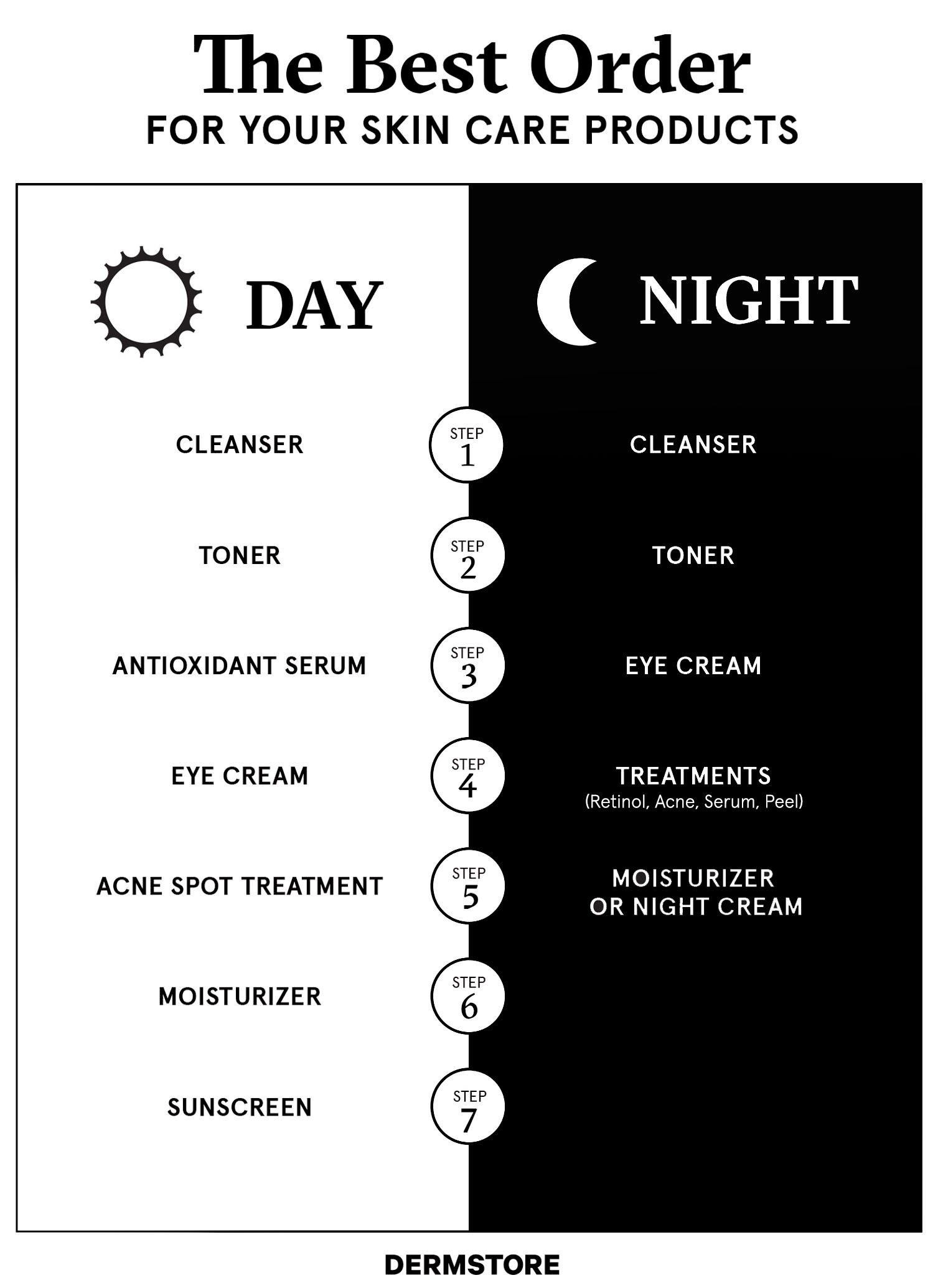
Apply sunscreen as the last step in your morning skincare routine. Use it after moisturizer but before makeup. Apply a generous amount to cover all exposed skin. Don’t forget ears, neck, and hands. Reapply every two hours if outdoors. Apply immediately after swimming or sweating heavily. Using sunscreen daily keeps your skin safe and youthful.
Credit: www.dermstore.com
Nighttime Routine Variations
Nighttime skincare routines often need changes based on different needs and goals. The skin works to repair itself at night, so choosing the right order and products is key. Simple routines work well for some, while others benefit from adding special treatments. Adjusting your routine can help with various skin issues and improve results.
Incorporating Treatments
Start with a clean face to remove dirt and makeup. Next, apply treatments like serums or prescription creams. These products target specific concerns such as acne, wrinkles, or dark spots. Use them before heavier creams to allow better absorption. Wait a few minutes after applying treatments before moving on.
Adjusting For Skin Concerns
Different skin types need different products and order. For oily skin, use lightweight gels and avoid heavy creams. Dry skin benefits from richer moisturizers and oils last in the routine. Sensitive skin requires gentle products and fewer active ingredients. Tailor your routine by focusing on what your skin needs most.
Common Ingredient Conflicts
Using skin care products with the right order is important. Some ingredients may not work well together. Mixing them can cause irritation or reduce their effects. Knowing which ingredients conflict helps protect your skin and get the best results.
Understanding common ingredient conflicts helps you avoid problems. It also guides you on how to layer products safely. This knowledge improves your skin care routine and keeps your skin healthy.
Ingredients To Avoid Mixing
Some ingredients should never be mixed directly on your skin. Retinol and vitamin C can cause irritation if used together. Benzoyl peroxide and retinol also do not work well side by side. AHAs or BHAs combined with vitamin C can be too harsh. Niacinamide and AHAs or BHAs may reduce each other’s benefits. These combinations can cause redness, dryness, or breakouts.
How To Separate Application Times
Separate conflicting ingredients by using them at different times. Use vitamin C in the morning and retinol at night. Apply AHAs or BHAs during the evening and avoid vitamin C then. Give your skin time to adjust by spacing products by several hours. This reduces irritation and helps each ingredient work better. Always follow product instructions for the best timing.
Tips For Layering Products
Layering skincare products correctly can improve your skin’s health and appearance. Using the right order helps each product work better. It prevents clogging pores or reducing product effects. Simple steps make a big difference in your routine.
Follow these tips to layer your skincare products effectively. Pay attention to texture and absorption. This approach saves time and boosts results.
From Lightest To Heaviest
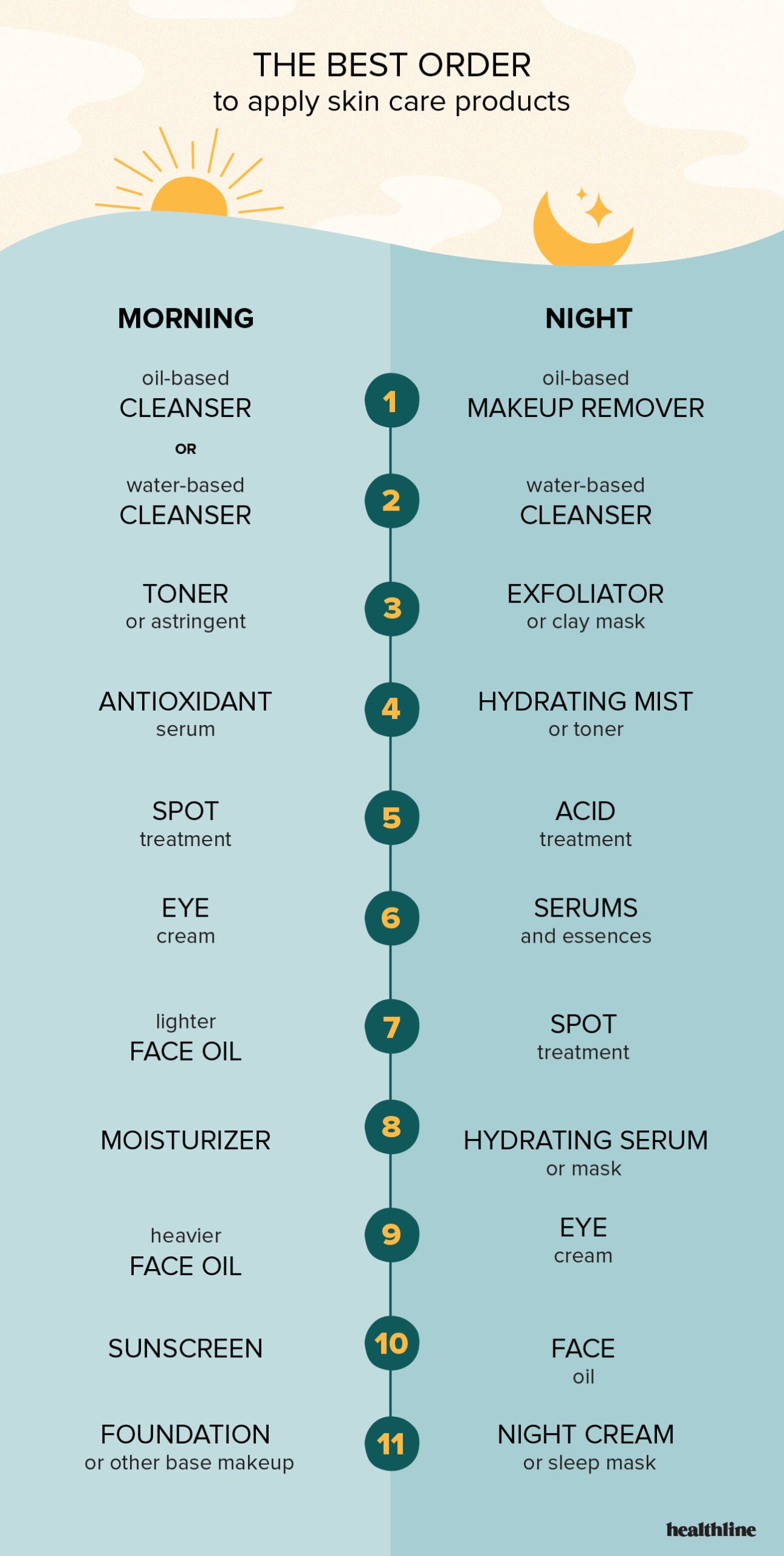
Start with the lightest products like serums and gels. These have thin textures and absorb quickly. Next, apply lotions or creams that are thicker. Finish with oils or heavy moisturizers. They lock in all the layers beneath. This order helps each product reach your skin properly.
Allowing Absorption Time
Give each product time to absorb before the next step. Wait about one to two minutes between layers. This prevents mixing products on your skin’s surface. It also helps active ingredients work well. Patience ensures your skin gets the full benefit of each product.
Adapting Routine By Skin Type
Adapting your skincare routine to your skin type improves results and protects your skin. Different skin types need specific products and order to avoid irritation or dryness. Knowing your skin type helps you choose the right steps and products. Below are adjustments for dry, oily, and sensitive skin types.
Dry Skin Adjustments
Dry skin needs gentle cleansing to avoid stripping oils. Use a cream-based or hydrating cleanser first. Follow with a hydrating toner or essence to add moisture. Apply serum with ingredients like hyaluronic acid. Use a rich, nourishing moisturizer to lock in hydration. Finish with a facial oil for extra protection. Avoid heavy exfoliants that can cause more dryness.
Oily And Acne-prone Skin
Oily skin benefits from lightweight, non-comedogenic products. Start with a gel or foaming cleanser to remove excess oil. Use a toner with salicylic acid to clear pores. Apply a lightweight serum that controls oil and reduces acne. Choose an oil-free, mattifying moisturizer. Sunscreen should be non-greasy and oil-free. Avoid heavy creams that clog pores or add shine.
Sensitive Skin Considerations
Sensitive skin requires calming and gentle products. Use a fragrance-free, mild cleanser as the first step. Apply a soothing toner or hydrating mist. Use serums with calming ingredients like niacinamide or aloe vera. Moisturizers should be gentle and free from irritants. Always patch test new products to avoid reactions. Use sunscreen formulated for sensitive skin with mineral filters.
Credit: www.healthline.com
Frequently Asked Questions
What Is The Correct Order Of Skincare Products?
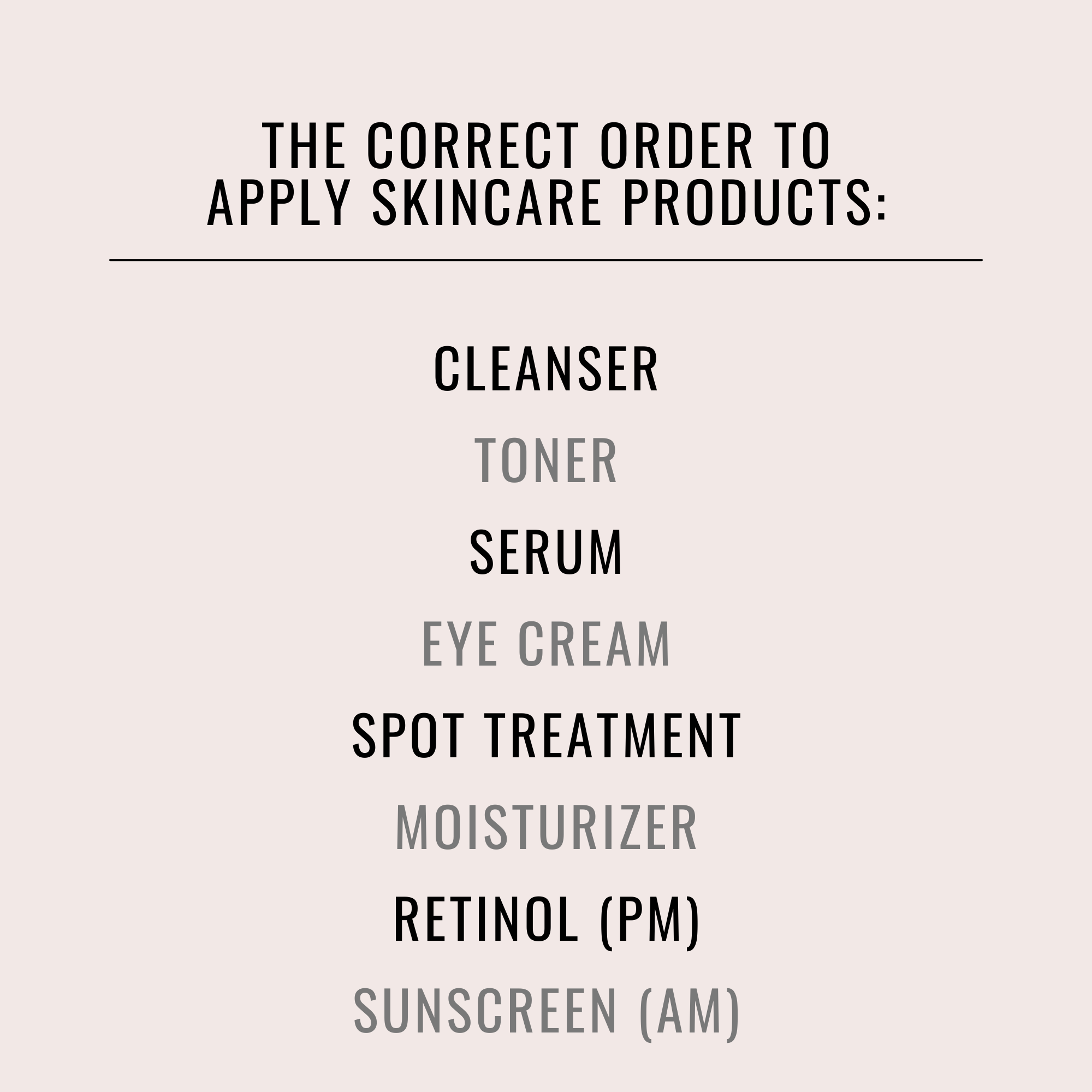
Cleanse first, then toner, eye cream, serum, moisturizer, optional face oil, and finish with sunscreen. Apply from lightest to heaviest texture.
What Is The 4 2 4 Rule In Skincare?
The 4 2 4 rule in skincare means applying products in this order: 4 drops of serum, 2 pumps of moisturizer, and 4 sprays of mist. This method ensures proper layering and hydration for effective skincare results.
In What Order Do You Use Skin Better Products?
Apply skinbetter products from lightest to heaviest texture: start with serums and gels, then lotions, creams, and finally sunscreen.
Which Two Serums Cannot Be Used Together?
Retinoids and vitamin C serums should not be used together. Avoid combining retinol with benzoyl peroxide or AHAs/BHAs. These mixes can irritate skin and reduce effectiveness. Use them separately for best results.
Conclusion
Start your skincare routine with a clean face. Apply lighter products first, like toner and serums. Follow with thicker creams and oils to lock in moisture. Always finish with sunscreen during the day to protect skin. This order helps products work better and improves skin health.
Keep your routine simple and consistent for best results. Small steps daily can make a big difference. Your skin will thank you for the care.

“As the voice behind Radiant Glow Health, we are dedicated to being your ultimate wellness and vitality companion. Our mission is to inspire and guide you on your journey to a healthier and more vibrant life. Join us as we explore holistic health practices and empower you to radiate wellness from within.”