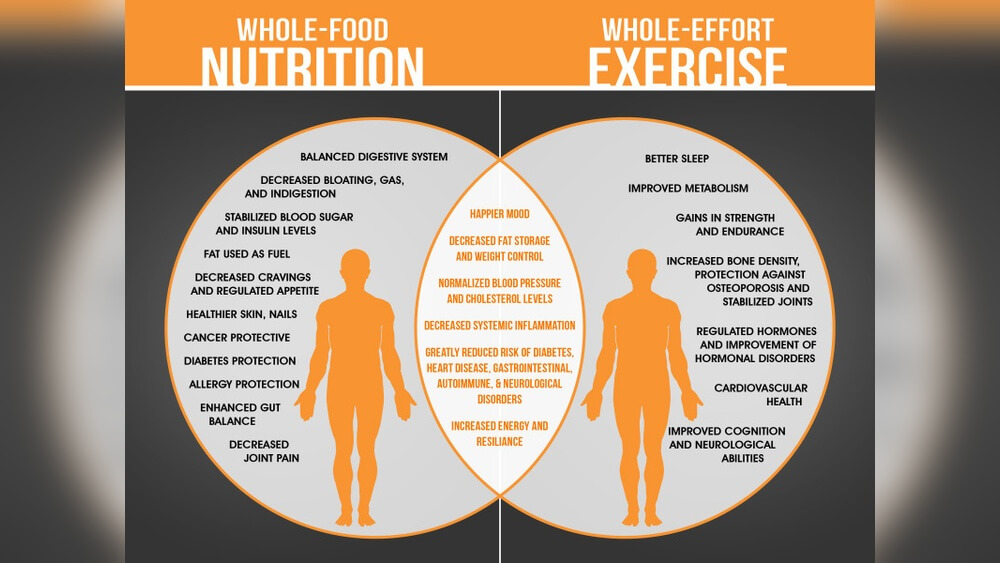
“How Does Diet And Exercise Work Together?”
You want to feel your best, look healthier, and boost your energy. But have you ever wondered how diet and exercise actually work together to make that happen?
It’s not just about eating less or working out more—when combined the right way, they create a powerful effect that helps you lose weight, build muscle, and improve your overall health faster than either one alone. You’ll discover why balancing your meals with movement is key, how simple changes can lead to big results, and what you can do today to start seeing real progress.
Ready to unlock the secret behind a healthier you? Let’s dive in.
Calorie Balance And Fat Loss
Calorie balance is the key to fat loss. It means the number of calories you eat versus the calories you burn. If you burn more calories than you eat, your body uses stored fat for energy. This leads to fat loss. Diet and exercise work together by managing this balance.
Creating A Calorie Deficit
A calorie deficit happens when your body burns more calories than you consume. This is essential for fat loss. You can create this deficit by eating fewer calories or by increasing physical activity. Combining both methods is more effective than relying on one alone. Small changes in diet and exercise add up over time.
Role Of Diet In Weight Management
Your diet controls the calories you take in. Choosing nutrient-rich foods helps you stay full and satisfied. Focus on proteins, healthy fats, and fiber. These foods support metabolism and reduce hunger. Avoid high-calorie, low-nutrient foods that add empty calories. Eating balanced meals keeps your energy steady and helps control cravings.
Exercise And Energy Expenditure
Exercise increases the calories your body uses. Cardio workouts burn a lot of calories quickly. Strength training builds muscle, which raises your resting metabolic rate. More muscle means you burn more calories even at rest. Regular physical activity supports a larger calorie deficit and preserves muscle during weight loss.
Credit: www.llclinics.co.uk
Muscle Maintenance And Growth
Muscle maintenance and growth rely on a careful balance of diet and exercise. Muscles need the right nutrients and physical activity to stay strong and grow. Without proper diet or exercise, muscle loss can occur. Combining both supports muscle health and improves overall fitness.
Importance Of Protein Intake
Protein provides the building blocks for muscle repair and growth. Eating enough protein daily helps prevent muscle breakdown. Good sources include lean meats, dairy, beans, and nuts. Consuming protein after workouts helps muscles recover faster and grow stronger.
Strength Training Benefits
Strength training stimulates muscle fibers to grow and adapt. Lifting weights or resistance exercises create small muscle tears. These tears heal and increase muscle size and strength. Regular training improves muscle tone, endurance, and metabolism.
Recovery And Nutrition
Recovery is vital for muscle growth and avoiding injury. Muscles need rest and nutrients to rebuild after exercise. Eating carbohydrates refuels energy stores. Hydration supports muscle function and reduces fatigue. Proper sleep also aids muscle recovery and growth.
Metabolic Health Improvements
Improving metabolic health is a key benefit of combining diet and exercise. Metabolism refers to how your body converts food into energy. Better metabolic health means your body uses energy efficiently and supports overall well-being. Small changes in diet and physical activity can lead to big improvements in metabolism.
Impact Of Exercise On Metabolism
Exercise increases your metabolic rate during and after activity. Muscle burns more calories than fat, even at rest. Strength training builds muscle, boosting metabolism long term. Cardio workouts raise your heart rate, helping burn calories faster. Regular physical activity also improves insulin sensitivity, which supports healthy blood sugar levels.
Nutrient Timing And Metabolic Rate
Eating at the right times can affect your metabolism. Consuming protein and carbs after exercise helps muscle recovery and growth. Smaller, frequent meals may keep metabolism steady throughout the day. Avoiding large gaps between meals prevents your metabolism from slowing down. Balanced meals with fiber, protein, and healthy fats aid stable energy release.
Hydration’s Role In Metabolism
Water is essential for all metabolic processes. Dehydration can slow down your metabolism and reduce energy levels. Drinking water before meals may help control appetite and support digestion. Staying hydrated improves nutrient absorption and toxin removal. Aim to drink water consistently to keep your metabolism working well.
Credit: wallawallawellness.com
Meal Planning For Fitness
Meal planning plays a key role in fitness success. It fuels your workouts and aids recovery. Proper planning ensures you get the right nutrients at the right time. This balance supports muscle growth, energy, and overall health. Below are important aspects of meal planning for fitness.
Balanced Macronutrients
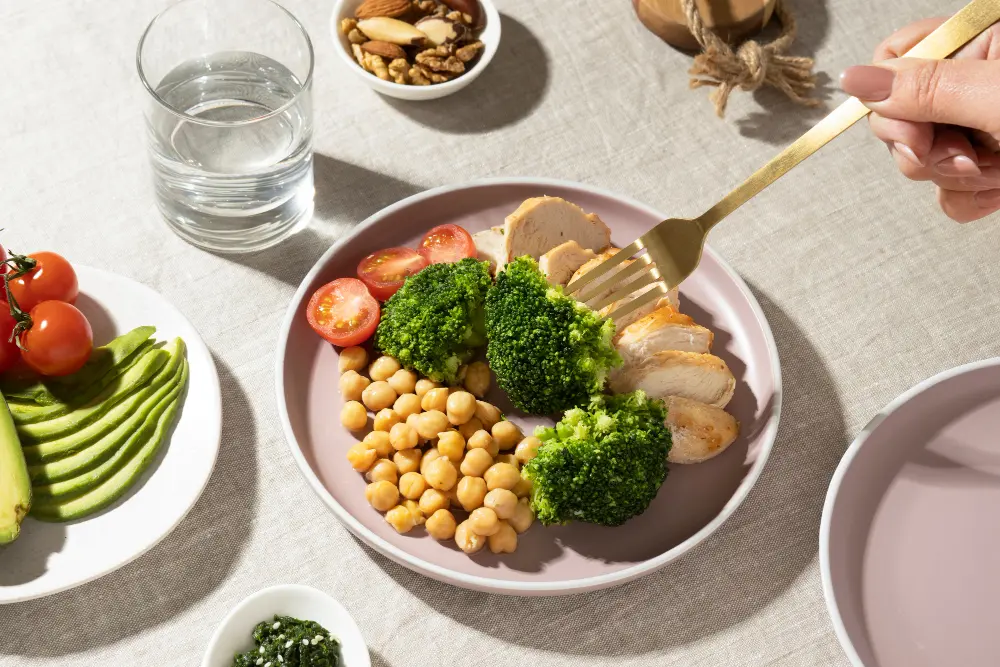
Your meals should include proteins, fats, and carbohydrates. Protein helps repair and build muscles. Healthy fats support hormone function and brain health. Carbs provide energy for exercise and daily activities. Aim for a balance that fits your goals and activity level. Each meal should contain a source of all three macronutrients.
Whole Foods Vs Processed Foods
Whole foods are closer to their natural state. Examples include fruits, vegetables, nuts, and lean meats. Processed foods often contain added sugars and unhealthy fats. They offer less nutrition and can hinder fitness progress. Choose whole foods to get more vitamins, minerals, and fiber. This choice helps improve energy and body composition.
Hydration Strategies
Water supports metabolism and digestion. Staying hydrated helps maintain energy during workouts. Drink water throughout the day, not just during exercise. Start your morning with a glass of water. Avoid sugary drinks that add empty calories. Proper hydration also aids muscle recovery and reduces fatigue.
Exercise Types And Their Effects
Exercise comes in many forms, each with unique benefits for the body. Understanding different exercise types helps you match workouts with your health goals. Combining these exercises with a good diet maximizes results. This section explains how cardio, resistance training, and flexibility work affect your body.
Cardio For Fat Loss
Cardio exercises raise your heart rate and burn calories. Activities like running, cycling, and swimming are common examples. Cardio helps create a calorie deficit, which is key for fat loss. It also improves heart health and boosts endurance. Regular cardio supports weight control and overall fitness.
Resistance Training For Strength
Resistance training uses weights or body weight to build muscle. Lifting weights or doing push-ups are typical resistance exercises. This type of training increases muscle mass and strength. More muscle helps burn more calories even at rest. Resistance training also protects bones and improves posture.
Flexibility And Mobility Work
Flexibility exercises stretch muscles and improve joint range. Yoga and stretching routines focus on flexibility and mobility. These exercises reduce injury risk and ease muscle stiffness. Improving mobility helps with daily movements and exercise performance. Flexibility work supports recovery and overall body balance.

Credit: www.amazon.com
Consistency And Habit Formation
Consistency and habit formation form the backbone of successful diet and exercise routines. Small daily actions, repeated over time, lead to lasting health changes. Creating habits helps the body and mind adapt, making healthy choices automatic. This reduces effort and stress, increasing the chance of long-term success.
Both diet and exercise demand regular commitment. Without steady practice, progress stalls. Building habits ensures that nutrition and physical activity become natural parts of life. This section explores ways to develop and maintain these habits for better health results.
Building Sustainable Routines
Start with simple, realistic goals. Choose actions that fit easily into your daily schedule. For example, walking for 10 minutes after meals or adding vegetables to each meal. Gradually increase the intensity and duration of workouts. Consistency matters more than intensity at first.
Set specific times for exercise and meal preparation. Consistent timing helps signal the brain to expect these activities. Use reminders or alarms to stay on track. Focus on enjoyment to make routines feel less like chores and more like habits.
Avoiding Common Pitfalls
Many people quit due to unrealistic expectations or all-or-nothing thinking. Avoid drastic diet changes or intense exercise plans that cause burnout. Missing one day does not mean failure. Return to the routine without guilt.
Watch for triggers that disrupt habits, such as stress or lack of time. Plan alternatives like shorter workouts or healthy snacks. Stay flexible but maintain the core routine. Support from friends or groups can boost motivation and accountability.
Tracking Progress Effectively
Keep a simple journal or use apps to log meals and workouts. Track small wins, such as eating more fruits or increasing workout time. Visual progress boosts motivation and helps identify patterns.
Focus on how you feel and improvements in energy or mood, not just weight. Celebrate consistency over perfection. Regular tracking allows adjustments to keep routines effective and enjoyable.
Personalization And Flexibility
Personalization and flexibility play key roles in combining diet and exercise effectively. Each person’s body reacts differently to food and physical activity. Tailoring your plan improves results and keeps you motivated. Flexible approaches help sustain healthy habits over time.
Understanding your unique needs allows you to make better choices. Adjusting both diet and exercise according to your lifestyle and goals creates balance. This balance supports long-term health and fitness success.
Adjusting Diet To Individual Needs
Everyone’s body requires different nutrients and calorie amounts. Age, weight, activity level, and health status affect diet needs. Some people need more protein, others more carbs or fats. Personal preferences and allergies also guide food choices.
Tracking how your body responds to foods helps make better adjustments. Changing meal timing and portion sizes can improve energy and recovery. A flexible diet plan fits your daily schedule and tastes.
Modifying Exercise For Different Goals
Exercise plans vary based on what you want to achieve. Weight loss needs more cardio and calorie burning activities. Muscle building requires strength training and proper rest. Flexibility and balance exercises support overall mobility and injury prevention.
Adjust workout intensity, duration, and type depending on progress and goals. Mixing exercises prevents boredom and plateaus. Personalized exercise keeps you engaged and improves results.
Listening To Your Body
Your body sends signals about how diet and exercise affect it. Feeling tired or sore may mean you need more rest or nutrients. Hunger and energy levels guide when and what to eat. Adjusting plans based on these signs prevents burnout and injury.
Being mindful helps maintain a healthy balance. It encourages gradual improvements and lasting habits. Trusting your body leads to better choices and sustained wellness.
Combining Diet And Exercise For Long-term Success
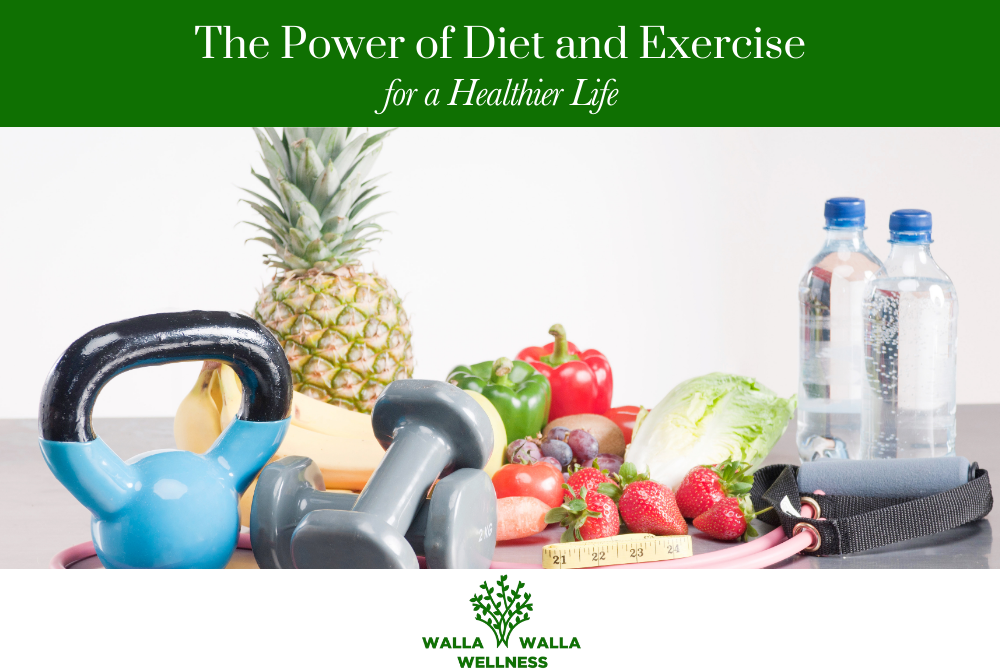
Combining diet and exercise creates a powerful approach to long-term health. They work together to improve body function and shape. Eating right fuels your workouts. Exercise helps your body use nutrients better. This partnership makes it easier to reach and keep your goals.
Both diet and exercise affect weight, energy, and mood. When balanced, they form a strong foundation for lasting success. Understanding how they connect helps you stay on track. Small, steady steps bring big changes over time.
Synergistic Effects
Diet and exercise produce greater results combined than alone. Eating nutrient-rich foods gives energy for physical activity. Exercise then boosts metabolism and muscle strength. This cycle burns more calories and builds lean tissue. Proper nutrition supports recovery and reduces injury risk. Together, they improve heart health and reduce disease chance.
Maintaining Motivation
Keeping up with diet and exercise needs focus. Setting clear, realistic goals helps maintain drive. Tracking progress shows how far you have come. Mixing different workouts keeps exercise fun and fresh. Preparing simple, tasty meals keeps diet interesting. Support from friends or groups boosts commitment. Celebrating small wins builds confidence to continue.
Seeking Professional Guidance
Experts can tailor diet and exercise plans to your needs. Nutritionists recommend balanced meals based on your lifestyle. Trainers design workouts that match your fitness level. They help avoid mistakes and prevent burnout. Regular check-ins adjust plans for steady progress. Professional advice increases safety and effectiveness. This guidance makes success more achievable and lasting.
Frequently Asked Questions
How Do Exercise And Diet Work Together?
Exercise boosts metabolism and builds muscle, while diet provides essential nutrients and controls calorie intake. Together, they enhance weight loss, improve energy, and support overall health effectively.
Is 70% Diet And 30% Exercise True?
The 70% diet and 30% exercise rule simplifies weight loss but varies by individual. Both diet and exercise are essential. Diet controls calorie intake, while exercise boosts metabolism and muscle health. Combining both creates better, sustainable results than focusing on one alone.
What Is The 3 3 3 Rule For Weight Loss?
The 3 3 3 rule for weight loss involves eating three balanced meals, drinking three glasses of water, and exercising three times weekly. It simplifies healthy habits, promotes consistency, and supports fat loss through nutrition, hydration, and physical activity.
Is It Really 80% Diet And 20% Exercise?
The 80% diet and 20% exercise rule highlights diet’s larger role in weight loss. Both are essential for health and fitness.
Conclusion
Diet and exercise work best when combined consistently. Eating balanced meals fuels your workouts and aids recovery. Regular physical activity helps your body use nutrients efficiently. Together, they support weight control and improve overall health. Small, steady changes build strong, lasting habits over time.
Focus on simple, healthy choices that fit your lifestyle. This approach keeps you motivated and feeling your best.

“As the voice behind Radiant Glow Health, we are dedicated to being your ultimate wellness and vitality companion. Our mission is to inspire and guide you on your journey to a healthier and more vibrant life. Join us as we explore holistic health practices and empower you to radiate wellness from within.”