You’ve got an exercise bike, and you’re ready to get moving. But how often should you hop on it to see real results?
Using an exercise bike can boost your fitness, help with weight loss, and improve your mood—but the key is finding the right balance. Too little won’t bring the benefits you want, and too much might lead to burnout or injury.
You’ll discover how often to use your exercise bike to maximize your health without overdoing it. Keep reading to learn the perfect routine tailored for your goals and lifestyle.

Credit: www.esseg.eu
Exercise Bike Benefits
Using an exercise bike offers many health benefits for your body and mind. It suits people of all ages and fitness levels. Regular cycling can help you stay active without putting stress on your joints.
Exercise bikes allow controlled workouts. You can adjust speed and resistance to match your fitness goals. This flexibility makes it easy to include cycling in your daily routine.
Calorie Burn And Fat Loss
Cycling on an exercise bike burns calories efficiently. The more you pedal, the more energy you use. This helps reduce body fat and supports weight loss. High-intensity interval training (HIIT) on the bike boosts metabolism. It burns fat even after your workout ends.
Cardiovascular Health
Riding an exercise bike strengthens your heart and lungs. It improves blood circulation and lowers blood pressure. This reduces the risk of heart disease and stroke. Regular cycling also helps increase endurance and stamina.
Muscle Strengthening
The exercise bike targets many lower-body muscles. It tones your legs, hips, and glutes. Pedaling against resistance builds muscle strength over time. Stronger muscles help improve balance and prevent injuries.
Mental Health Boost
Exercise releases endorphins, which improve your mood. Riding a bike reduces stress and anxiety levels. It also helps you sleep better at night. A short daily ride can clear your mind and boost energy.
Frequency Recommendations
Knowing how often to use an exercise bike helps you plan your workouts well. Frequency depends on your fitness goals and current health. Proper scheduling avoids injuries and supports steady progress.
Here are clear recommendations to help you decide how often to ride your exercise bike.
Daily Use Safety
Riding an exercise bike every day can be safe if done right. Start with short sessions of 15 to 20 minutes. Keep the intensity low to moderate to avoid strain. Listen to your body and stop if you feel pain. Use proper posture to protect your back and knees. Hydrate well before and after riding. Daily cycling improves heart health and builds endurance.
Weekly Ride Suggestions
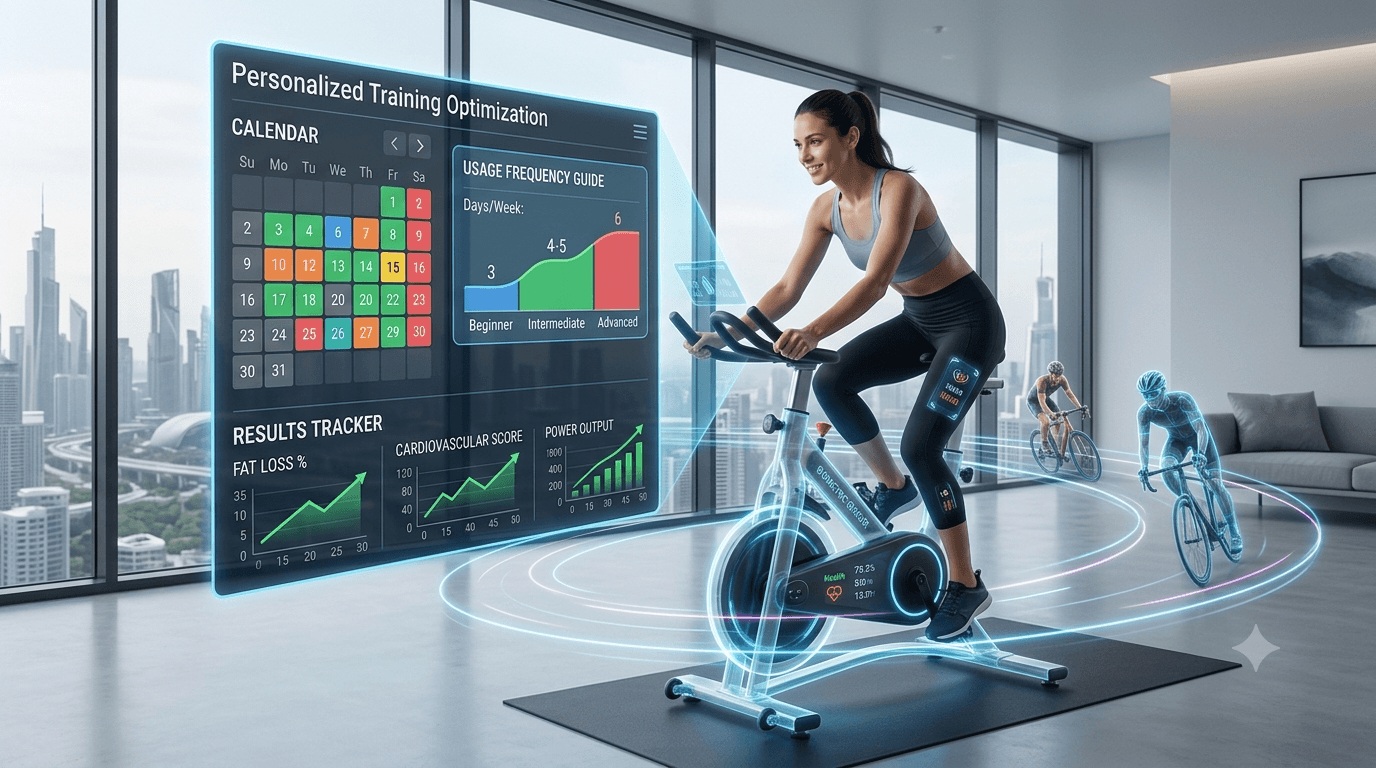
For general fitness, aim for 3 to 5 rides each week. Mix short and longer sessions to keep workouts interesting. Include steady rides and interval training to boost fat burn. Each session can last 30 to 60 minutes based on your stamina. Consistency helps improve strength and cardiovascular health. Adjust your schedule based on how your body responds.
Rest And Recovery
Rest days are essential for muscle recovery and growth. Plan at least 1 or 2 days off cycling each week. Use rest days for gentle stretching or light walking. Avoid intense rides on back-to-back days. Rest prevents burnout and reduces injury risks. Proper recovery keeps you motivated and improves overall fitness results.
Workout Duration
Workout duration plays a key role in maximizing the benefits of exercise bike sessions. Choosing the right length for each ride can affect your stamina, calorie burn, and overall fitness progress. It is important to find a balance that fits your schedule and fitness goals. Riding too short may limit results, while excessively long sessions might cause fatigue or burnout.
Ideal Session Length
A typical session on an exercise bike should last between 20 to 45 minutes. Beginners can start with shorter rides of 15 to 20 minutes to build endurance safely. More experienced riders often extend their workouts to 30 or 45 minutes for better cardiovascular benefits. Consistent sessions in this range improve heart health and help burn calories effectively.
Long Vs Short Rides
Short rides are great for quick bursts of activity and fit well into busy days. They help maintain energy and keep motivation high. Long rides build endurance and improve muscle strength over time. They also burn more calories overall. Mixing both short and long rides can keep your routine interesting and productive.
Adjusting Time For Goals
Adjust workout duration according to your fitness goals. For weight loss, aim for at least 30 minutes of moderate to intense cycling most days. For general fitness, 20 to 30 minutes several times a week is sufficient. If training for endurance, longer sessions of 45 minutes or more help build stamina. Always listen to your body and rest when needed.
Credit: www.vicentetorns.com
Intensity Levels
Understanding intensity levels is key to using an exercise bike effectively. Different intensity levels affect your body in unique ways. Choosing the right intensity can help you reach your fitness goals faster. Cycling at varied intensities keeps workouts interesting and challenging. This section breaks down common intensity levels and how often to use them.
Steady-state Cycling
Steady-state cycling means riding at a consistent, moderate pace. It is ideal for building endurance and burning calories steadily. Sessions usually last 30 to 60 minutes. This intensity is easier to maintain daily or several times a week. It helps improve heart health and muscle stamina without heavy strain.
High-intensity Interval Training
High-intensity interval training (HIIT) alternates between fast, intense bursts and slower recovery periods. These workouts are shorter, often 15 to 30 minutes. HIIT boosts metabolism and burns more calories in less time. It also improves cardiovascular fitness rapidly. Because it is intense, limit HIIT to two or three times a week to avoid burnout.
Mixing Intensity For Results
Combining steady-state and HIIT workouts creates a balanced routine. Mixing intensity helps prevent plateaus and keeps motivation high. For example, ride steady-state three times a week and add two HIIT sessions. This approach maximizes fat loss and muscle tone. It also reduces the risk of injury by varying workout stress.
Fat Loss Strategies
Fat loss requires smart exercise and lifestyle choices. Using an exercise bike can help burn calories and reduce fat. Consistency and the right techniques speed up fat loss. Combining cycling with other methods makes results better and faster.
Focus on more than just riding. Include strength work, core exercises, and proper diet. These strategies support your fat loss journey effectively.
Combining Cycling With Strength Training
Adding strength training builds muscle, which boosts metabolism. More muscle means more calories burned, even at rest. Alternate days of cycling with weight lifting or bodyweight exercises. This mix improves fat loss and overall fitness. Strength training also protects muscles while you lose fat.
Core Engagement Techniques
Engage your core while riding to tone abdominal muscles. Sit upright and tighten your stomach muscles during cycling. This improves posture and strengthens the midsection. Core strength supports better balance and cycling performance. Include off-bike core exercises like planks for added benefit.
Diet And Nutrition Tips
Fat loss depends greatly on your diet. Eat balanced meals with protein, healthy fats, and fiber. Avoid excess sugars and processed foods. Drink plenty of water to stay hydrated and control hunger. Track calorie intake to create a calorie deficit for weight loss. Small, consistent changes in diet support cycling efforts.
Avoiding Common Mistakes
Avoiding common mistakes is key to making your exercise bike workouts safe and effective. Many people do not realize that simple errors can slow progress or cause injury. Staying mindful of how often you ride and how you ride helps you enjoy better results. Below are some frequent mistakes to watch out for.
Overtraining Risks
Riding the exercise bike too often can lead to overtraining. Overtraining causes fatigue, muscle soreness, and lower energy. Your body needs time to rest and recover between sessions. Aim for balanced workouts with rest days. This prevents burnout and injury while improving fitness steadily.
Poor Posture And Form
Using bad posture reduces workout effectiveness and may cause pain. Slouching or leaning too far forward strains your back and neck. Keep your back straight and shoulders relaxed. Adjust the seat height so your legs move comfortably. Proper form helps target muscles better and protects joints.
Ignoring Body Signals
Your body sends clear signals when something is wrong. Pain, dizziness, or extreme tiredness means you should stop. Ignoring these signs risks injury and delays recovery. Listen closely to how your body feels during and after riding. Rest or adjust your routine if needed.
Tracking Progress
Tracking your progress is key to making the most of your exercise bike workouts. It helps you see how far you have come and keeps you motivated. Tracking also shows what works best and where to improve.
Without tracking, you might lose focus or miss signs of progress. It makes your fitness journey clearer and more rewarding.
Using Metrics And Apps
Metrics like distance, speed, and calories burned give clear feedback. Many exercise bikes show these numbers on a screen. You can also use apps to record your sessions automatically.
Apps track your history and show trends over weeks or months. This helps you understand your effort and results better. Some apps offer challenges or reminders to keep you active.
Setting Realistic Goals
Set goals that fit your fitness level and schedule. Start with small targets like 10 minutes a day or riding three times a week. Gradually increase these goals as you get stronger.
Realistic goals prevent burnout and keep you motivated. Celebrate small wins to stay positive and focused on your journey.
Adjusting Routine Over Time
Your body adapts to exercise, so change your routine to keep improving. Increase time, resistance, or speed to challenge yourself. Try interval training for variety and better results.
Adjusting your routine prevents boredom and plateaus. It also helps avoid injury by not overdoing the same moves.

Credit: carolbike.com
Frequently Asked Questions
Is It Okay To Use An Exercise Bike Every Day?
Using an exercise bike daily is safe and beneficial if you vary intensity and allow time for muscle recovery.
Can I Lose Belly Fat By Riding A Stationary Bike?
Riding a stationary bike burns calories and reduces overall body fat, including belly fat. Combine cycling with a healthy diet and strength training for best results. Consistency and intensity, like using HIIT, boost metabolism and help tone your core.
What Is The 80% Rule In Cycling?
The 80% rule in cycling means training at 80% of your maximum effort to improve endurance and performance efficiently.
How Many Times A Week Should You Ride A Stationary Bike?
Ride a stationary bike 3 to 5 times weekly for optimal fitness and fat loss. Balance intensity and rest to avoid injury.
Conclusion
Using an exercise bike regularly helps improve your health and fitness. Aim for at least three to five sessions each week. Keep workouts varied by mixing steady rides with high-intensity intervals. Listen to your body and rest when needed to avoid injury.
Consistency matters more than intensity for long-term results. Combine cycling with a balanced diet and strength exercises. This approach supports fat loss and muscle tone. Remember, small steps lead to big changes over time. Stay motivated and enjoy the ride toward better health.

“As the voice behind Radiant Glow Health, we are dedicated to being your ultimate wellness and vitality companion. Our mission is to inspire and guide you on your journey to a healthier and more vibrant life. Join us as we explore holistic health practices and empower you to radiate wellness from within.”