“What is Exercise Simple Definition?”
You might have heard the word “exercise” countless times, but what does it really mean? Simply put, exercise is any planned and repeated activity you do to keep your body healthy and strong.
It’s more than just moving around—it’s about choosing actions that improve your fitness and well-being. Whether you’re walking, stretching, or playing a sport, understanding this simple definition can help you make smarter choices for your health. Keep reading to discover exactly what exercise is, why it matters to you, and how it can transform your life in easy and manageable ways.
Exercise Defined
Exercise is an important part of a healthy lifestyle. It helps the body stay strong and the mind stay sharp. Understanding what exercise means can help you add it to your daily routine.
Exercise is more than just moving around. It has a clear plan and purpose. It is different from general physical activity because it focuses on improving health and fitness.
Planned And Structured Activity
Exercise is a planned activity. You decide what to do, how long, and how often. It follows a structure that helps reach specific health goals. This makes exercise different from random movements or chores.
Subset Of Physical Activity
Exercise is a part of physical activity. Physical activity includes all movements that use energy. Exercise is a smaller group within this, focusing on improving fitness. Walking to the store is physical activity. Running on a track as training is exercise.
Purpose And Goals
Exercise has clear goals. These can be to build strength, improve endurance, or lose weight. People exercise to keep their heart healthy and muscles strong. The main aim is to improve or maintain physical health.

Credit: fitnesswithem.com
Types Of Exercise
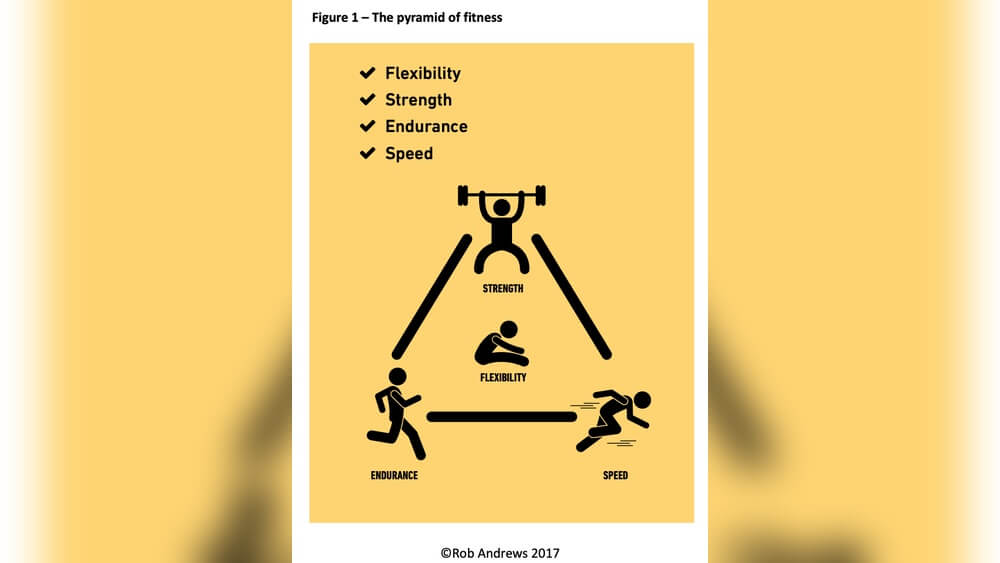
Exercise comes in different forms. Each type helps your body in a special way. Knowing these types can help you choose the best exercises for your health and fitness.
Aerobic Exercises
Aerobic exercises increase your heart rate and breathing. They improve heart and lung health. Common aerobic activities include walking, running, swimming, and cycling. These exercises help burn calories and boost energy levels.
Strength Training
Strength training focuses on building muscle power. It uses weights, resistance bands, or body weight. Exercises like lifting weights or doing push-ups make muscles stronger. Strong muscles support your joints and improve overall body strength.
Flexibility And Balance
Flexibility exercises stretch muscles and improve movement. Balance exercises help prevent falls and improve coordination. Yoga and stretching routines are examples. These types keep your body agile and reduce injury risk.
Exercise For Kids
Exercise is very important for kids. It helps their bodies grow strong and healthy. It also makes their minds sharp and happy. Kids need to move their bodies every day to stay fit and feel good.
Exercise for children is not just about working out. It includes fun activities that make their hearts beat faster. These activities help improve muscles, bones, and endurance. Exercise also supports good mood and better focus in school.
Fun Physical Activities
Kids enjoy moving in many fun ways. Running, jumping, and dancing are great examples. These activities make exercise feel like play. They keep children active without feeling like work. Simple games like tag or hopscotch make exercise exciting.
Examples Of Play And Sports
Playing sports helps kids stay active and learn teamwork. Soccer, basketball, and baseball are popular choices. Swimming and martial arts also build strength and skill. These sports improve coordination and keep children healthy.
Daily Movement Ideas
Daily movement is easy to add to any routine. Walking to school or biking around the park works well. Simple exercises like jumping rope or stretching help too. Even small activities like reaching for toes keep kids moving.
Credit: www.thewhitetusk.com
Benefits Of Exercise
Exercise offers many benefits for both body and mind. It helps keep you strong and healthy. Regular exercise supports your overall well-being and improves daily life. Here are key advantages of exercise that matter most.
Physical Health Improvements
Exercise strengthens muscles and bones. It helps control body weight and reduces fat. Regular movement improves flexibility and balance. It also boosts energy levels and stamina. Exercise can prevent many chronic illnesses like diabetes and obesity.
Mental Health Boosts
Exercise reduces stress and anxiety. It lifts mood by releasing feel-good chemicals. Regular activity improves focus and memory. It helps fight depression and promotes better sleep. Physical activity creates a sense of calm and confidence.
Heart And Brain Advantages
Exercise strengthens the heart and lungs. It lowers blood pressure and improves circulation. Regular workouts increase brain function and protect against decline. Exercise supports learning, decision-making, and creativity. It also helps keep your heart and brain healthy for longer.
Exercise Intensity
Exercise intensity is the level of effort you put into your physical activity. It determines how hard your body works during exercise. Intensity affects how many calories you burn and how your fitness improves. Understanding exercise intensity helps you choose the right type of workout for your goals. It also reduces the risk of injury and keeps you motivated.
Light Vs Moderate Vs Vigorous
Light intensity exercise feels easy. You can talk and breathe normally. Examples include slow walking or gentle stretching. Moderate intensity makes you breathe faster. Talking becomes harder but still possible. Activities like brisk walking or casual biking fit here. Vigorous intensity pushes your body hard. You breathe fast and cannot talk much. Running, fast cycling, or intense sports are examples.
How Intensity Affects Results
The harder you work, the more your body changes. Light exercise improves health but burns fewer calories. Moderate intensity boosts heart health and endurance. Vigorous exercise builds strength and burns more fat. Different intensities target different fitness goals. Mixing intensity levels can improve overall fitness and prevent boredom.
Finding The Right Level
Choose an intensity that matches your fitness and goals. Beginners should start with light or moderate intensity. Increase intensity gradually to avoid injury. Use your breathing and talking ability to check effort. Enjoy your workout and listen to your body. The right intensity keeps you active and healthy for longer.
Making Exercise Effective
Making exercise effective means getting the best results from your effort. It involves careful planning and smart choices. Small changes can improve your workout’s impact. Focus on habits that support steady progress. This helps you stay motivated and avoid injury. Understanding how to exercise correctly leads to better health and fitness.
Consistency And Routine
Exercise works best when done regularly. Setting a fixed time each day helps build a habit. Consistency trains your body and mind to expect activity. This steady approach improves endurance and strength over time. Skipping sessions often slows down progress. Routine keeps you focused and makes exercise part of life.
Balanced Exercise Plans
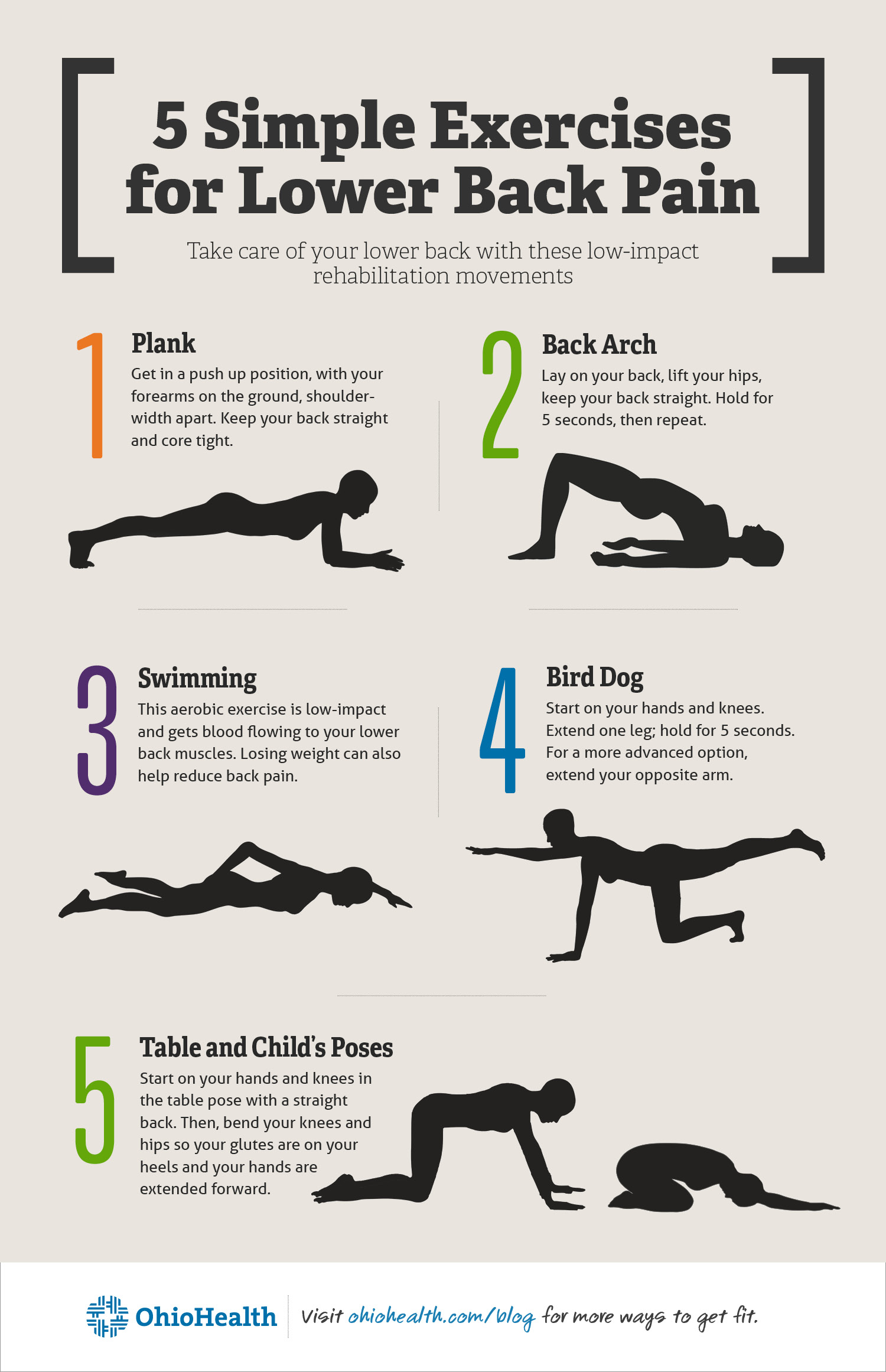
A good exercise plan mixes different activities. Include cardio to boost heart health and strength training to build muscles. Stretching improves flexibility and reduces injury risk. Balance prevents boredom and targets all body parts. Varying workouts keeps the body challenged and improves overall fitness. A balanced plan fits your goals and needs.
Adapting To Fitness Levels
Start exercise at a level that matches your fitness. Beginners should begin slow and increase effort gradually. Overdoing it can cause pain or injury. Adjust exercises as you get stronger and more confident. Listen to your body and rest when needed. Adapting helps keep exercise safe and enjoyable. It ensures long-term success and steady improvement.
Credit: www.liftingitalia.com
Frequently Asked Questions
What Is The Simple Definition Of Exercise?
Exercise is planned, structured physical activity done regularly to improve or maintain health and fitness. It boosts strength, endurance, and heart health.
What Is The Best Definition Of Exercise?
Exercise is planned, structured, and repeated physical activity aimed at improving or maintaining fitness and health.
What Is Exercise Definition For Kids?
Exercise for kids means any fun, active movement that makes their body move and heart beat faster. It includes playing, sports, and dancing. Exercise helps build strong muscles, bones, and improves mood and focus. Regular exercise keeps kids healthy and happy.
Does A 30 Minute Walk Count As Exercise?
Yes, a 30-minute walk counts as exercise. It boosts heart rate, burns calories, and improves overall health effectively.
Conclusion
Exercise means moving your body on purpose to stay healthy. It helps your heart, muscles, and bones grow strong. Exercise can be simple, like walking or playing games. Doing it often keeps your mind clear and mood happy. Small daily actions add up to big health gains.
Remember, any movement that makes you breathe faster counts. Stay active, feel better, and enjoy life more.

“As the voice behind Radiant Glow Health, we are dedicated to being your ultimate wellness and vitality companion. Our mission is to inspire and guide you on your journey to a healthier and more vibrant life. Join us as we explore holistic health practices and empower you to radiate wellness from within.”