“How Do Fitness Trackers Measure Calories Burned? “
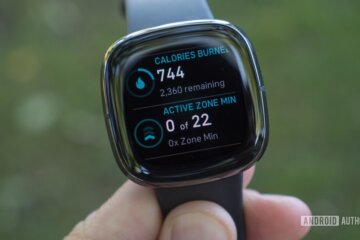
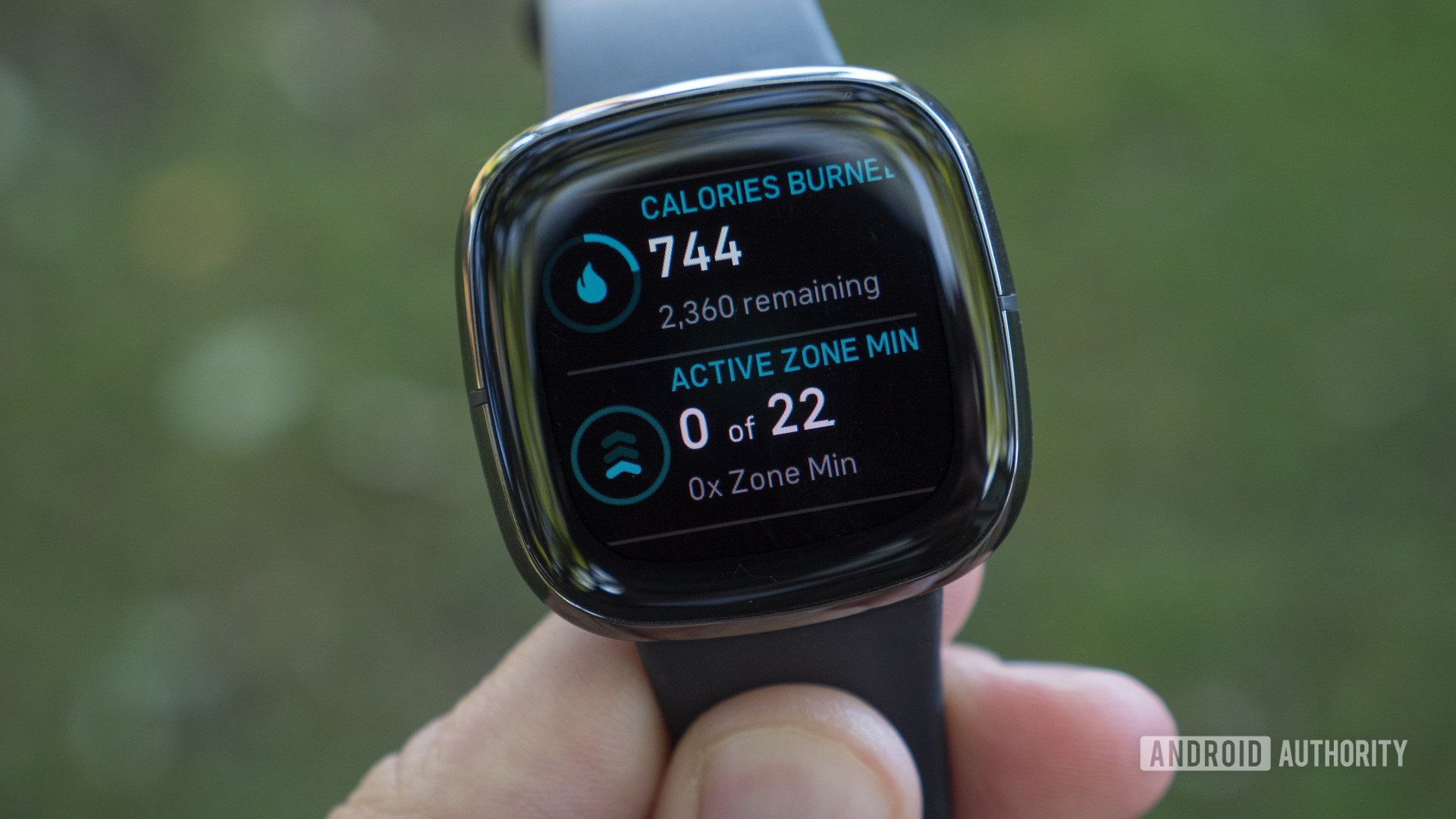
Have you ever wondered how your fitness tracker knows exactly how many calories you burn each day? It feels almost like magic, doesn’t it?
But behind that simple number on your screen lies a mix of smart technology and clever calculations designed to help you understand your body better. If you want to make the most of your workouts or manage your weight more effectively, knowing how these devices estimate calories burned is key.
Keep reading, and you’ll discover the secrets behind the numbers—so you can trust your tracker and take control of your fitness journey like never before.
:max_bytes(150000):strip_icc()/how-does-fitbit-calculate-calories-01-5fba00a0504f4f7aaf14fa4ce91678c8.jpg)
Credit: www.imtsolution.vn
Fitness Trackers Basics
Fitness trackers help monitor your daily activity and estimate calories burned. They use technology to gather data about your body and movements. Understanding how these devices work starts with knowing their basic parts and sensors. This knowledge helps you trust the numbers they show.
Key Components
Fitness trackers have several important parts. A processor controls the device and processes data. A display shows your stats like steps and calories. The battery powers the tracker for hours or days. Internal memory stores your information. These parts work together to track your activity accurately.
Types Of Sensors
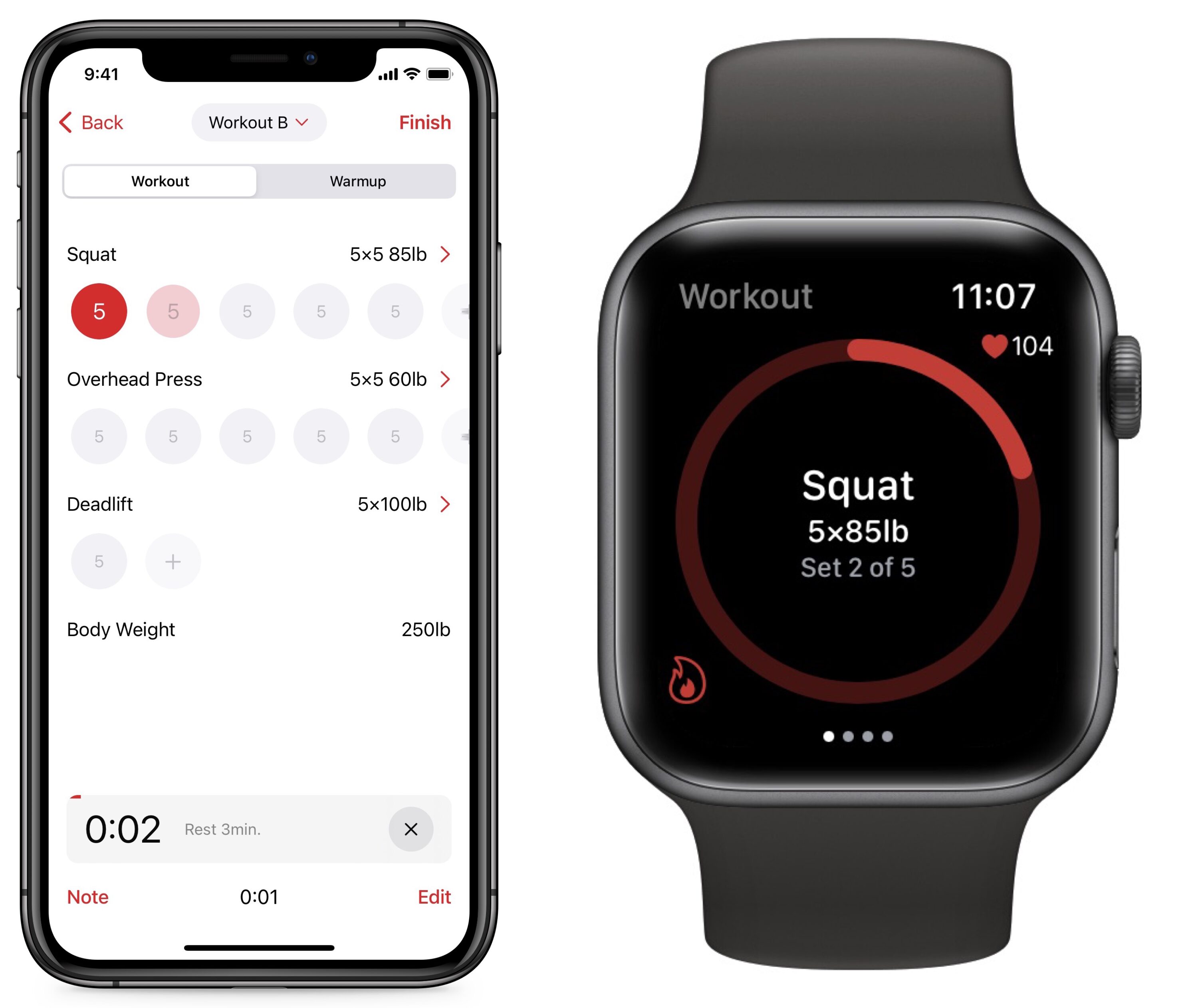
Different sensors collect data to estimate calories burned. An accelerometer measures your movement and speed. A heart rate sensor tracks your pulse to gauge effort. Some trackers have a gyroscope to detect direction and rotation. These sensors combine data to calculate how many calories you burn during activities.
Credit: vicentetorns.com
Calorie Burn Calculation
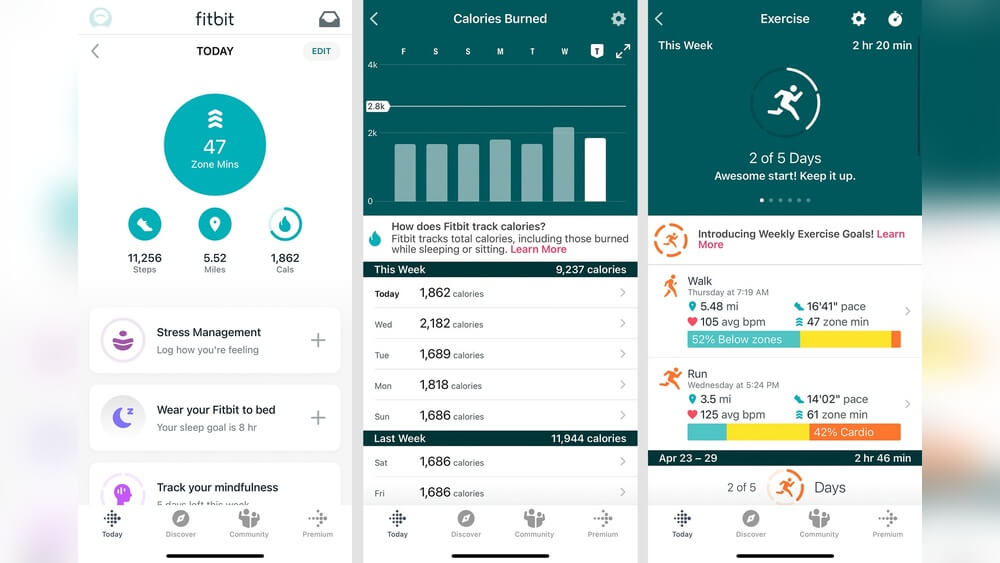
Fitness trackers calculate calories burned through several key steps. These devices use your personal data and sensor readings. They estimate your energy use during rest and activity. Understanding how they do this helps you trust the numbers.
The process combines your body’s basic needs and your movement. Sensors collect data while smart algorithms make sense of it. The result is an estimate of calories burned each day.
Basal Metabolic Rate Estimation
Basal Metabolic Rate (BMR) is the energy your body uses at rest. Fitness trackers estimate BMR using your age, weight, height, and gender. This number represents calories burned just to keep you alive. It forms the base for total calorie calculations.
Activity Detection
Trackers use built-in sensors to detect your movements. Accelerometers measure steps and motion intensity. Some devices recognize specific activities like running or cycling. This data helps adjust calorie estimates based on exercise type and effort.
Heart Rate Monitoring
Heart rate gives clues about your exercise intensity. Trackers use optical sensors to measure pulse. Higher heart rates often mean more calories burned. Combining heart rate with activity data improves calorie accuracy.
Algorithm Role
Algorithms process all the collected data. They combine BMR, activity, and heart rate to estimate calories burned. These formulas are based on scientific research and large data sets. Algorithms adjust calculations to match your unique body and activity.
Factors Affecting Accuracy
Fitness trackers estimate calories burned using sensors and algorithms. Their accuracy varies. Several factors can affect how close these estimates are to reality. Understanding these helps users interpret their data better.
Errors in calorie counts can happen due to personal differences, sensor limits, and activity types. Each plays a key role in measurement accuracy.
Individual Differences
Each person has a unique body and metabolism. Age, weight, height, and muscle mass change calorie burn rates. Fitness trackers use general formulas that may not fit everyone. Hormones and genetics also influence energy use but are not measured by devices.
Sensor Limitations
Most trackers use heart rate monitors and motion sensors. These sensors can miss some movements or read signals incorrectly. Poor skin contact or sweat can reduce sensor performance. The devices cannot track all body functions like breathing or digestion, which also burn calories.
Activity Type Impact
Different activities burn calories differently. Walking, running, cycling, and weight lifting all require unique calculations. Trackers may estimate well for steady exercises but less for complex or mixed activities. Sudden changes in pace or movement may confuse sensors and reduce accuracy.
Credit: www.esseg.eu
Common Misconceptions
Many people trust fitness trackers to give exact calorie counts. This trust leads to common misunderstandings about how these devices measure calories burned. Fitness trackers use algorithms based on heart rate, movement, age, weight, and gender. These factors help estimate calories but do not capture the full picture of your body’s energy use. Misconceptions arise when users expect perfect accuracy or misunderstand what the numbers represent.
Overestimation Issues
Fitness trackers often show higher calorie burn than actual. This happens because devices use general formulas, not individual data. They may count all movement as exercise, even small, less intense actions. Heart rate sensors can be affected by errors or external factors. Overestimating calories burned can lead to eating more than needed. This slows down weight loss or causes weight gain.
Calorie Deficit Reality
Weight loss depends on a calorie deficit, burning more than eating. Fitness trackers help estimate burned calories but do not measure food intake. Many users forget that diet plays a bigger role than exercise alone. Even with high calorie burn shown, eating too much stops weight loss. Real progress comes from balancing calories consumed and burned over time.
Improving Tracker Accuracy
Improving the accuracy of your fitness tracker can help you get better calorie estimates. Small changes in how you use the device make a big difference. Understanding key steps can boost your tracker’s reliability and give a clearer view of your activity.
Proper Device Usage
Wear your fitness tracker as the instructions say. Place it snugly on your wrist, not too loose or tight. Avoid wearing it over clothing. Move naturally during workouts to let sensors capture true motion. Keep the device clean and charge it regularly for best results.
Personal Data Input
Enter your correct personal information into the tracker app. Include age, weight, height, and gender. These details help the device estimate calories based on your body. Update the data if your weight or fitness level changes. Accurate inputs lead to better calorie counts.
Calibration Tips
Calibrate your tracker by comparing its readings with real activity data. Use a reliable heart rate monitor or count steps manually. Adjust settings in the app if possible. Try different activities to see how well the tracker performs. Regular calibration keeps estimates closer to reality.
Comparing Popular Devices
Fitness trackers are popular tools for estimating calories burned during activities. Different brands use unique methods to calculate these numbers. Comparing popular devices helps understand their strengths and limits. It shows why calorie counts can vary between brands.
Brand Algorithm Variations
Each brand uses its own algorithm to estimate calories burned. These algorithms combine data like heart rate, age, weight, and activity type. Some brands emphasize heart rate more, while others focus on movement patterns. This causes differences in calorie estimates.
Algorithms also adjust for factors like gender and fitness level. Some devices learn from your data over time to improve accuracy. Others rely on fixed formulas. This variety means calorie counts are estimates, not exact numbers.
Sensor Quality Differences
Sensors play a big role in tracking accuracy. Popular devices use sensors for heart rate, motion, and sometimes skin temperature. Higher quality sensors provide more reliable data. This improves calorie calculations.
Less advanced devices might have slower or less accurate sensors. They can miss heart rate changes or movement details. This leads to less accurate calorie estimates. Sensor placement on the body also affects data quality. Wrist sensors may differ from chest straps or rings.
Practical Tips For Users
Fitness trackers provide useful data about calories burned. To make the most of this data, users need practical strategies. These tips help users understand and use calorie information effectively. They also encourage healthy habits and realistic expectations.
Setting Realistic Goals
Start with achievable targets based on your current fitness level. Avoid expecting big changes overnight. Small, steady progress works best. Track your activity daily but focus on consistency. Adjust goals as your fitness improves. This keeps motivation high and reduces frustration.
Using Data Wisely
Remember, calorie counts from trackers are estimates. Use the data as a guide, not a strict rule. Combine calorie info with how you feel physically. Notice energy levels and recovery time. Track trends over weeks, not just daily numbers. This helps you make smarter choices about diet and exercise.
Consulting Professionals
Talk to a doctor or fitness expert before major changes. Professionals can help interpret tracker data with your health in mind. They offer personalized advice on calorie needs and exercise plans. This reduces risks and improves results. Use fitness trackers as part of a bigger health plan.
Frequently Asked Questions
Do Fitness Trackers Overestimate Calories Burned?
Fitness trackers often overestimate calories burned due to algorithm assumptions and individual differences. They measure heart rate well but estimate calories less accurately. Use them as rough guides, not exact counts, for calorie tracking.
Will I Lose Weight If I Eat 1200 Calories And Burn 500 Calories?
Eating 1200 calories and burning 500 creates a calorie deficit, likely causing weight loss. Consult a professional for safety.
How Many Calories Do 10,000 Steps Burn?
Walking 10,000 steps burns roughly 300 to 500 calories, depending on weight, pace, and metabolism. Individual results vary.
Is Burning 700 Calories A Day Considered Active?
Burning 700 calories daily indicates a moderately active lifestyle. It supports weight management and overall fitness.
Conclusion
Fitness trackers estimate calories burned using your heart rate and movement data. They combine this with personal details like age, weight, and gender. These devices use algorithms to provide an estimate, not an exact number. Keep in mind, factors like fitness level and body type affect accuracy.
Use the data as a helpful guide, not a precise measurement. Regular use can motivate you to stay active and meet your fitness goals. Remember, tracking progress is more important than exact calorie counts.

“As the voice behind Radiant Glow Health, we are dedicated to being your ultimate wellness and vitality companion. Our mission is to inspire and guide you on your journey to a healthier and more vibrant life. Join us as we explore holistic health practices and empower you to radiate wellness from within.”