You might think choosing diet soda is a smart way to cut calories and stay healthy. But what if that choice is actually doing more harm than good?
If you’ve ever wondered, “Is diet worse for you? ” especially when it comes to diet drinks, you’re not alone. Many people switch to diet options hoping to avoid sugar, only to find new problems like cravings, metabolic troubles, and even risks to heart and kidney health.
You’ll discover the surprising truths behind diet products and why they might not be the harmless alternative you believe. Keep reading to learn how your diet choices could be affecting your body in ways you didn’t expect—and what better options you have to protect your health.

Credit: www.youtube.com
Diet Soda And Cravings
Diet soda often seems like a smart choice to avoid sugar and calories. Yet, many people find that drinking diet soda increases their cravings for sweets and snacks. This effect can make it harder to control hunger and maintain a healthy diet. Understanding how diet soda influences cravings can help you make better drink choices.
Artificial Sweeteners And Sugar Cravings
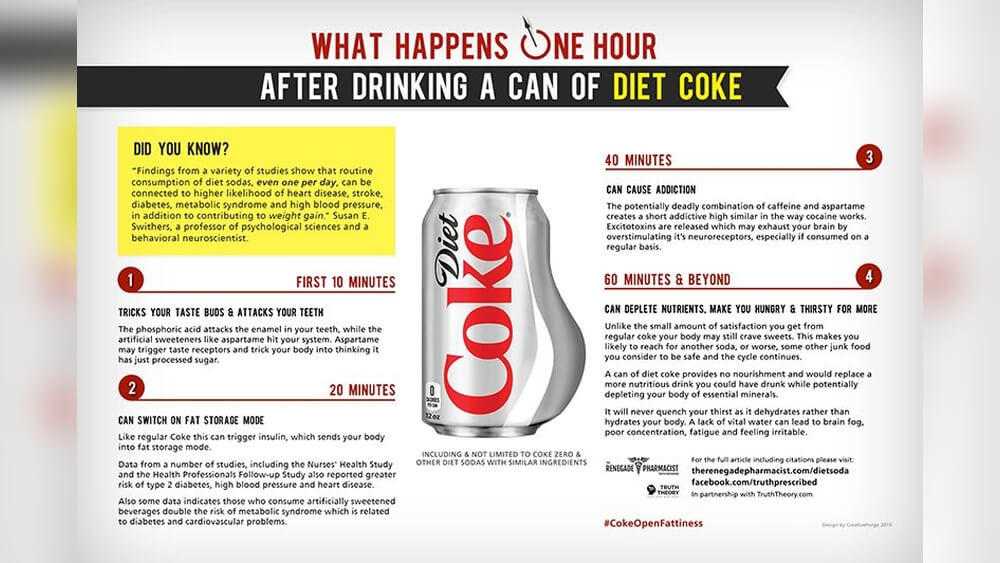
Diet sodas use artificial sweeteners to replace sugar. These sweeteners taste sweet but have no calories. The brain gets confused by the sweet taste without real sugar. This confusion may cause stronger cravings for sugary foods. Studies show people who drink diet soda often eat more sweets later. The sweet taste tricks the brain into wanting more sugar. This cycle can lead to eating extra calories and weight gain.
Impact On Gut Bacteria And Metabolism
Artificial sweeteners can also affect gut bacteria. The gut hosts many bacteria that help digest food and control metabolism. Some research shows artificial sweeteners change the balance of these bacteria. This change may raise blood sugar levels and cause insulin resistance. Insulin resistance makes it harder for the body to use sugar properly. This problem can increase the risk of diabetes and weight gain. Gut health plays a key role in overall metabolism and cravings.
Risks To Heart And Kidney Health
Diet soda often appears as a better choice than sugary drinks. Yet, concerns about its effects on heart and kidney health remain. Research links diet soda to several risks that deserve attention. Understanding these risks helps in making smarter drink choices.
Cardiovascular Concerns
Frequent diet soda consumption can affect the heart negatively. Studies associate it with irregular heartbeats and higher risk of stroke. The artificial sweeteners may alter blood pressure and artery function. These changes increase the chance of heart disease. People with existing heart conditions should be cautious.
Chronic Kidney Disease Links
Diet soda may harm kidney health over time. Research shows a connection between diet soda intake and chronic kidney disease. The kidneys work harder to filter out artificial sweeteners and additives. This strain can reduce kidney function gradually. Drinking diet soda often might raise the risk of kidney damage.
Effects On Dental Health
Diet sodas affect dental health in ways many may not expect. Despite having no sugar, these drinks contain acids that can harm teeth. Understanding these effects helps in making smarter choices for oral care.
Acid in diet soda can slowly wear down tooth enamel. This erosion leads to sensitivity and higher risk of cavities. Protecting enamel is crucial for maintaining strong teeth and preventing pain.
Acidity And Tooth Enamel Erosion
Diet sodas contain acids such as citric and phosphoric acid. These acids lower the mouth’s pH, making it more acidic. Acidic environments cause enamel to soften and dissolve over time. Enamel erosion is permanent and cannot be reversed naturally. Once enamel is lost, teeth become more sensitive to hot, cold, or sweet foods. The erosion also increases the chance of cavities forming. Drinking diet soda regularly exposes teeth to acid repeatedly. This constant acid attack weakens enamel faster than occasional exposure.
Comparison With Sugary Sodas
Sugary sodas also contain acids that erode enamel. However, the sugar in regular sodas feeds harmful bacteria in the mouth. These bacteria produce more acid, increasing the risk of cavities. Diet sodas lack sugar but still have acid levels similar to sugary sodas. Therefore, both types of soda can harm teeth through acid erosion. Diet soda may reduce sugar intake but does not prevent enamel damage. Drinking water or using a straw can help reduce acid contact with teeth. Brushing teeth after consumption reduces acid effects but wait at least 30 minutes to avoid brushing softened enamel.

Credit: www.healthline.com
Diet Soda And Weight Changes
Diet soda is often chosen as a low-calorie alternative to regular soda. It contains artificial sweeteners instead of sugar. Many believe it helps with weight control. Yet, research shows diet soda’s impact on weight is not straightforward. Some studies suggest it may lead to weight gain or changes in body composition. Understanding these effects is key to making smart beverage choices.
Zero Calories But Possible Weight Gain
Diet sodas have zero calories. They do not add energy to your diet. Despite this, some people gain weight while drinking them. Artificial sweeteners may increase cravings for sweet or high-calorie foods. This can cause you to eat more overall. The brain may react to sweetness by expecting calories. When none arrive, hunger signals can increase. This effect may lead to overeating and weight gain.
Long-term Body Composition Effects
Long-term diet soda use may affect body composition. Some studies link it to higher body fat and larger waist size. These changes increase the risk of health problems like diabetes and heart disease. Artificial sweeteners might alter metabolism and gut bacteria. These changes can affect how the body stores fat. More research is needed to understand the full impact. Drinking water or natural drinks is a safer choice for long-term health.
Benefits Of Diet Soda
Diet soda offers some benefits compared to regular soda. It contains little to no sugar, which helps reduce calorie intake. This makes it a popular choice for people who want to enjoy soda taste without added sugars.
Many people use diet soda to help manage their weight or cut back on sugary drinks. It provides a familiar flavor without the extra calories that come with regular soda. This can support short-term goals related to weight control and calorie reduction.
Reduction In Sugar And Calories
Diet soda contains artificial sweeteners instead of sugar. This lowers the number of calories significantly. A typical regular soda has about 150 calories and 39 grams of sugar per can. Diet soda usually has zero or very few calories and no sugar.
Reducing sugar intake helps lower the risk of tooth decay and high blood sugar levels. Drinking diet soda instead of regular soda can contribute to better blood sugar management. This is especially important for people with diabetes or those trying to avoid sugar spikes.
Short-term Advantages For Weight Control
Many people find diet soda useful for weight control. The zero-calorie aspect allows them to enjoy a sweet drink without adding calories. This can help reduce overall daily calorie intake.
Some studies show that switching from regular soda to diet soda can lead to short-term weight loss. The taste of diet soda may satisfy sweet cravings, making it easier to avoid sugary snacks. This benefit may be temporary, so using diet soda wisely is important.

Credit: www.youtube.com
Limitations Of Artificial Sweeteners
Artificial sweeteners often appear as a smarter choice to reduce sugar intake. Many people use them to avoid calories and manage weight. Yet, these substitutes have notable limitations. Understanding these drawbacks helps in making better diet decisions. Below, we explore key concerns about artificial sweeteners.
Lack Of Nutritional Value
Artificial sweeteners do not provide vitamins or minerals. They only add sweetness without nutrients. This means your body gains no real fuel from them. Relying on these sweeteners can leave nutritional gaps. Healthy eating requires foods rich in nutrients, not just fewer calories.
Uncertain Long-term Health Effects
Research on long-term effects remains unclear and ongoing. Some studies suggest possible links to metabolic changes and disease risks. The full impact on heart, kidney, and gut health is still unknown. This uncertainty makes it hard to recommend artificial sweeteners as safe for everyone. More evidence is needed to understand their true risks and benefits.
Healthier Drink Alternatives
Choosing the right drink matters for your health and diet. Many people replace sugary sodas with diet versions. Yet, diet sodas may still harm your body in some ways. Healthier drink alternatives can satisfy your thirst without negative effects. These drinks offer natural flavors and nutrients. They help reduce cravings and support overall wellness.
Infused Water With Fruits
Infused water is plain water flavored with fresh fruits. Lemon, berries, cucumber, and mint are popular choices. This drink adds a subtle taste without sugar or calories. It keeps you hydrated and refreshed. Infused water can also provide small amounts of vitamins from the fruits. It is easy to make at home and fun to customize.
Herbal And Fruit Teas
Herbal and fruit teas are a tasty way to enjoy warm or cold drinks. They come without caffeine and added sugars. Chamomile, hibiscus, and peppermint teas offer natural flavors and antioxidants. These teas can calm your mind and aid digestion. You can drink them hot or iced for variety. Herbal teas have no calories, making them diet-friendly.
Plain Water Benefits
Plain water is the healthiest drink you can choose. It hydrates your body and supports all bodily functions. Water helps flush out toxins and maintain clear skin. Drinking enough water can reduce hunger and prevent overeating. It contains no calories, sugar, or artificial ingredients. Making water your main drink improves your health over time.
Frequently Asked Questions
Is Diet Soda Actually Worse For You?
Diet soda cuts sugar and calories but may increase cravings, affect metabolism, harm heart and kidneys, and erode tooth enamel. Choose water or natural drinks instead.
Is Diet Really 90% Of Weight Loss?
Diet plays a crucial role, often around 90%, in weight loss by controlling calorie intake and nutrition quality.
Is Gen Z Eating Healthier?
Gen Z shows a growing interest in healthier eating, favoring plant-based and organic foods. They prioritize nutrition and sustainability.
Why Is Dieting Not Good For You?
Dieting can cause nutrient deficiencies, slow metabolism, and promote unhealthy eating habits. It often leads to weight regain and stress.
Conclusion
Diet soda may seem like a better choice than sugary drinks. It reduces calories but can cause cravings and health issues. Studies link it to heart, kidney problems, and tooth damage. Artificial sweeteners do not provide nutrition and may affect metabolism.
Choosing water or natural drinks is safer and healthier. Think carefully before making diet soda your daily habit. Small changes lead to better health over time. Your body will thank you for smart choices.

“As the voice behind Radiant Glow Health, we are dedicated to being your ultimate wellness and vitality companion. Our mission is to inspire and guide you on your journey to a healthier and more vibrant life. Join us as we explore holistic health practices and empower you to radiate wellness from within.”