“How Much is Diet And How Much is Exercise?”
You’ve probably heard it a million times: “Diet is key,” or “Exercise is everything.” But when it comes to losing weight, improving your health, or simply feeling your best, how much of your success really depends on what you eat versus how much you move? If you’ve ever wondered whether skipping that extra slice of pizza beats hitting the gym harder, you’re not alone.
Understanding the real balance between diet and exercise can change the way you approach your health goals—and help you get results that last. Keep reading, because we’re breaking down exactly how much diet matters, how much exercise counts, and why combining both might just be your winning formula.
Diet’s Role In Weight Loss
Diet plays a crucial role in weight loss. It controls the calories you consume daily. Managing calorie intake directly affects your body weight. Without proper diet control, weight loss becomes very difficult. Eating fewer calories than your body uses leads to fat loss. This makes diet the foundation of most weight loss plans.
Calorie Control Strategies
Controlling calories is key for weight loss. Tracking what you eat helps you stay aware. Reducing portion sizes lowers calorie intake. Choosing low-calorie foods fills you up with fewer calories. Cutting sugary drinks and snacks reduces empty calories fast. Small changes add up to significant calorie cuts.
Diet As Primary Weight Loss Driver
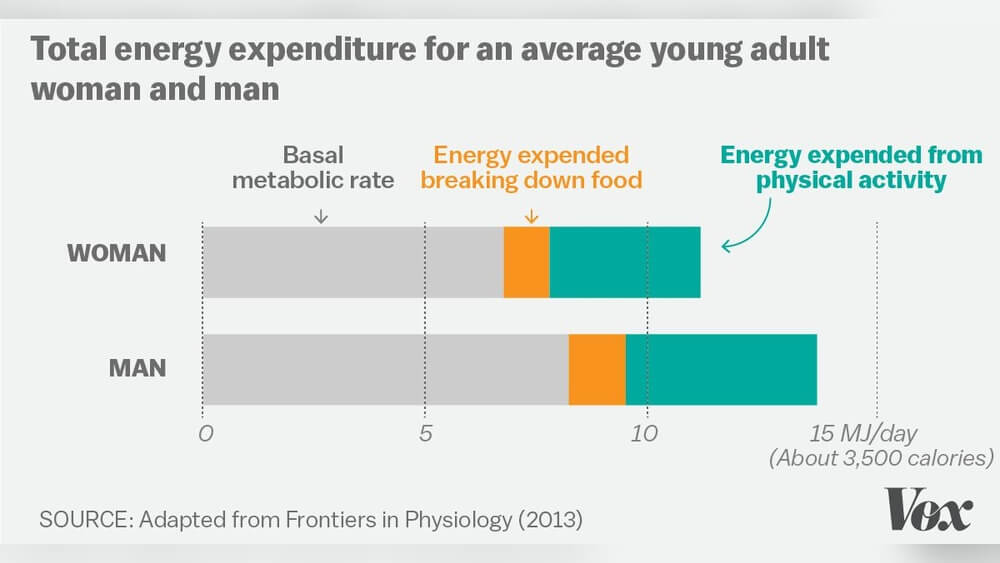
Diet affects weight more than exercise alone. It is easier to cut calories by eating less. Burning the same calories through exercise requires more time. Diet changes create a calorie deficit faster. This deficit forces the body to use stored fat. Exercise supports weight loss but diet starts the process.
Common Diet Approaches
Many diets focus on calorie reduction or food quality. Low-carb diets reduce sugar and starch intake. Low-fat diets cut down on fatty foods. Balanced diets include all food groups in moderation. Intermittent fasting limits eating to certain hours. Choosing a diet depends on personal preference and lifestyle.
Exercise’s Impact On Weight
Exercise plays a vital role in managing body weight. It helps burn calories and shapes the body. While diet controls calorie intake, exercise influences how the body uses energy. Understanding exercise’s impact clarifies its role in weight control and health.
Exercise For Long-term Weight Maintenance
Exercise supports keeping weight off after losing it. Regular physical activity prevents regaining lost pounds. It helps maintain muscle and keeps metabolism active. People who stay active long-term have better weight control. Exercise creates habits that support steady, healthy weight.
Building Muscle And Metabolism
Muscle burns more calories than fat, even at rest. Exercise, especially strength training, builds muscle mass. More muscle means a higher resting metabolic rate. This helps burn more calories throughout the day. Muscle building supports gradual and lasting weight loss.
Health Benefits Beyond Weight Loss
Exercise improves heart health and lung function. It boosts mood by releasing feel-good hormones. Regular activity strengthens bones and joints. Exercise reduces risks of diabetes and many diseases. These benefits occur even without major weight changes.
Balancing Diet And Exercise
Balancing diet and exercise is key to improving health and weight. Both play unique roles in how your body changes.
Focusing on one without the other limits your progress. A good balance helps you feel better and stay active.
Why Combining Both Works Best
Diet controls the calories you take in. Exercise helps burn calories and builds muscle. Together, they create a calorie deficit needed for weight loss.
Exercise also boosts mood and heart health. Diet alone cannot provide these benefits. This team effort improves your body and mind.
Sustainable Weight Loss Tips
Choose healthy foods you enjoy. Avoid very low-calorie diets that are hard to keep.
Pick exercises you like. Start with small steps and increase gradually. Consistency beats intensity.
Track your progress with simple tools. Celebrate small wins to stay motivated.
Examples Of Effective Routines
Try walking or cycling for 30 minutes daily. Add strength training two to three times a week.
Eat balanced meals with vegetables, lean protein, and whole grains. Limit sugary drinks and snacks.
This approach supports weight loss and builds healthy habits that last.

Credit: vixencomposites.com
Common Myths And Facts
Many people have strong opinions about diet and exercise. Myths often confuse the true impact each has on weight loss and health. Separating facts from fiction helps create realistic goals. Understanding common myths allows better choices for lasting results.
Can Exercise Outrun A Bad Diet?
Exercise alone cannot fix a poor diet. Eating too many calories cancels out the calories burned. For example, a single fast-food meal can outweigh hours of jogging. Exercise helps health but does not erase bad eating habits. Weight loss mainly depends on eating fewer calories than you burn.
Debunking Weight Loss Misconceptions
Many believe exercise causes rapid weight loss. In truth, diet changes lead to faster fat loss. Some think skipping meals helps lose weight, but it slows metabolism. Others say all calories are equal, but food quality matters. Whole foods support health better than processed foods. Weight loss needs balance, not extremes.
Role Of Mindset And Consistency
Mindset plays a key role in success. Positive thinking encourages healthy habits and patience. Consistency beats occasional intense workouts or strict diets. Small daily choices add up over time. Staying steady with diet and exercise improves results. Focus on progress, not perfection, for long-term change.
Practical Recommendations
Practical recommendations help balance diet and exercise for better results. Small, clear steps make changes easier and more lasting. Focus on habits that fit your life and health goals. Use these tips to guide your journey.
Setting Realistic Goals
Start with simple, clear goals. Aim for steady progress, not fast changes. Choose targets you can keep up over time. For example, plan to eat more vegetables or walk 30 minutes daily. Realistic goals build confidence and reduce frustration.
Meal Planning And Activity Tracking
Plan meals ahead to avoid unhealthy choices. Include balanced portions of protein, carbs, and fats. Use a food diary or app to track what you eat. Track exercise by logging time and type of activity. This helps find patterns and stay motivated.
Seeking Professional Guidance
Consult a doctor or dietitian before major changes. They can create a safe, personalized plan. A trainer can teach proper exercise techniques. Professionals help avoid injury and keep you on track. Support improves success and confidence.

Credit: kaz-metiz.com
Credit: scitechdaily.com
Frequently Asked Questions
Is It Really 80% Diet And 20% Exercise?
The 80% diet and 20% exercise rule highlights diet’s bigger role in weight loss. Exercise supports health and maintenance. Both combined yield the best results.
Is 70% Diet And 30% Exercise True?
The 70% diet and 30% exercise rule highlights diet’s larger role in weight loss. Exercise supports long-term health and fat maintenance. Both combined yield the best results for weight management and overall wellness.
How Much Of Health Is Diet Vs Exercise?
Diet plays a larger role in weight loss by controlling calorie intake. Exercise supports weight maintenance, builds muscle, and improves heart and mental health. Combining both diet and exercise delivers the best overall health and sustainable results.
What Is The 80 20 Rule In Diet And Exercise?
The 80/20 rule means eating healthy 80% of the time and allowing indulgences 20%. Exercise complements this for balanced fitness and weight management.
Conclusion
Diet controls the calories you take in. Exercise helps burn extra calories and builds muscle. Together, they create the best results for weight loss. Diet alone can start the process, but exercise keeps the weight off longer. Both also improve your heart, mood, and overall health.
Balance between eating well and moving more works best. Small changes in diet and exercise add up over time. Focus on both to feel stronger and healthier every day.

“As the voice behind Radiant Glow Health, we are dedicated to being your ultimate wellness and vitality companion. Our mission is to inspire and guide you on your journey to a healthier and more vibrant life. Join us as we explore holistic health practices and empower you to radiate wellness from within.”