Are you struggling to keep your weight in check? The secret might be simpler than you think.
Good eating habits aren’t just about cutting calories—they’re about making smarter choices that fuel your body and keep you feeling satisfied. When you focus on eating whole foods like fruits, vegetables, lean proteins, and whole grains, you naturally support your weight management goals without feeling deprived.
Imagine having the energy to enjoy your day and the confidence that comes with a balanced diet tailored to your needs. You’ll discover practical tips and easy steps to build eating habits that help you manage your weight effectively and sustainably. Ready to take control of your health? Let’s dive in.
Calorie Deficit For Weight Control
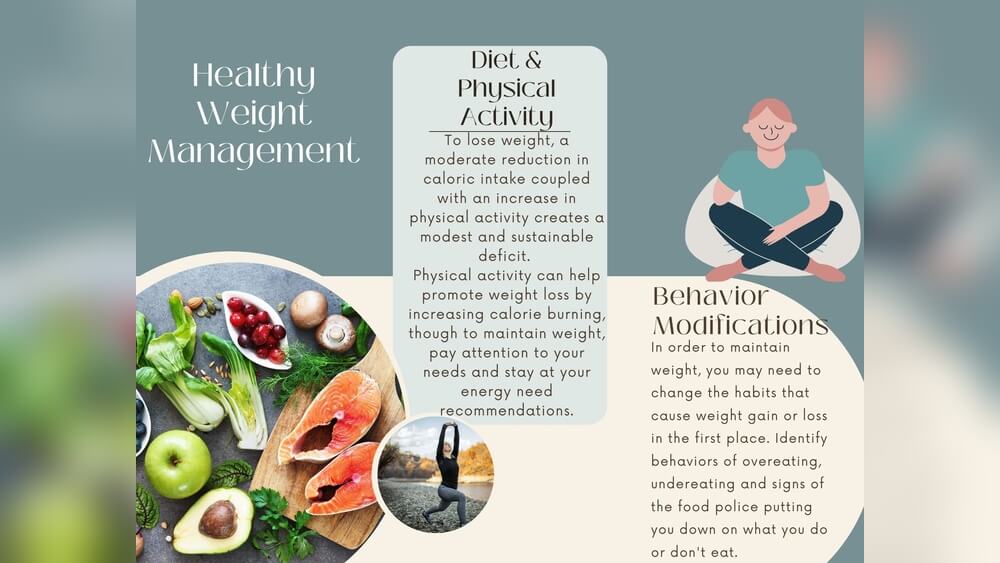
Managing weight effectively starts with understanding calorie balance. A calorie deficit occurs when you consume fewer calories than your body needs to maintain its current weight. This deficit forces your body to use stored fat for energy, leading to weight loss.
Creating a calorie deficit does not mean starving yourself. It means making smarter food choices and controlling portion sizes. This approach supports steady and healthy weight management over time.
What Is A Calorie Deficit?
A calorie deficit happens when calories burned exceed calories eaten. Your body uses energy from stored fat to meet its needs. This process results in weight loss.
To create a deficit, reduce calorie intake or increase physical activity. Both methods help your body burn more energy than it takes in.
How To Create A Calorie Deficit With Good Eating Habits
Focus on whole foods like fruits, vegetables, lean proteins, and whole grains. These foods are filling but lower in calories.
Limit processed foods, sugary drinks, and high-fat snacks. These add calories without much nutrition.
Eat smaller portions and avoid eating in front of screens to prevent overeating. Drink plenty of water to stay hydrated and control hunger.
Benefits Of Maintaining A Calorie Deficit
Weight loss improves overall health by reducing risks of diabetes and heart disease. It also boosts energy and self-confidence.
A calorie deficit encourages better food choices and mindful eating habits. These changes support long-term weight control and well-being.
Credit: www.ecommunity.com
Focus On Whole Foods
Choosing whole foods is a simple way to manage your weight. Whole foods are natural and less processed. They provide more nutrients and keep you full longer. This helps control hunger and reduces overeating. Focus on including different types of whole foods in your meals every day.
Fruits And Vegetables
Fruits and vegetables are rich in vitamins, minerals, and fiber. They have few calories but fill your stomach well. Eating a variety of colors gives your body many nutrients. Fresh, frozen, or canned without added sugar or salt are good options. Try to make half your plate fruits and vegetables at each meal.
Lean Proteins
Lean proteins help build muscles and keep you full longer. Good sources include chicken, turkey, fish, beans, and lentils. They have less fat and fewer calories than red or processed meats. Adding lean protein to your meals can reduce hunger and stop overeating. Include a protein portion in every meal.
Whole Grains
Whole grains contain fiber and important nutrients like B vitamins and iron. Examples are brown rice, oats, whole wheat bread, and quinoa. They digest slowly, helping to control blood sugar and hunger. Choose whole grains over refined grains like white bread and white rice. This supports steady energy and weight management.
Healthy Fats
Healthy fats are important for your body and brain. Sources include olive oil, nuts, seeds, and avocados. These fats help you feel satisfied after meals. Use healthy fats in small amounts to replace saturated and trans fats. Avoid fried foods and processed snacks with unhealthy fats.
Limit Processed And Sugary Items
Limiting processed and sugary items plays a key role in managing your weight. These foods often contain empty calories that provide little nutrition. They can cause sudden spikes and drops in blood sugar, leading to hunger soon after eating. Avoiding or reducing these items helps control calorie intake and supports steady energy levels throughout the day.
Cutting Back On Snacks And Fast Food
Snacks and fast food usually have high calories and low nutrients. They often contain added sugars, unhealthy fats, and salt. Eating these frequently can lead to weight gain. Choose whole foods like fruits, nuts, and homemade meals instead. Preparing food at home gives control over ingredients and portion sizes.
Reducing Saturated And Trans Fats
Saturated and trans fats increase bad cholesterol and risk of heart disease. They are common in processed baked goods, fried foods, and some margarines. Limit these fats by reading labels and choosing healthier fats like olive oil or avocado. This change supports weight management and overall health.
Lowering Sodium Intake
Processed foods often have high sodium content. Excess sodium causes water retention and bloating, making you feel heavier. Reducing salt helps maintain healthy blood pressure and weight. Use herbs and spices for flavor instead of salt. Cooking fresh meals reduces hidden sodium.
Hydration And Its Role
Proper hydration supports digestion and controls hunger, aiding weight management. Drinking enough water helps reduce calorie intake and keeps energy steady throughout the day.
Water plays a key role in managing your weight. Staying hydrated helps control hunger and boosts metabolism. Drinking enough water can reduce the chance of overeating.
Sometimes, thirst feels like hunger. Drinking water before meals can help you eat less. It also supports digestion and helps your body burn fat.
How Water Affects Appetite
Drinking water fills your stomach. This can lower your appetite and help you eat smaller portions. Drinking a glass of water when you feel hungry may stop unnecessary snacking.
Boosting Metabolism With Hydration
Water helps your body burn calories. Drinking cold water may increase calorie burning as your body warms it. Proper hydration keeps your metabolism working well throughout the day.
Hydration Tips For Weight Management
Carry a water bottle to remind yourself to drink often. Aim for at least eight glasses daily. Choose water over sugary drinks to avoid extra calories.
Mindful Eating Habits
Mindful eating habits play a key role in managing your weight. They help you focus on your food and body signals. This awareness can prevent overeating and improve digestion. Mindful eating involves paying close attention to your eating experience. It allows you to enjoy your meals and recognize fullness cues early.
Eating Slowly
Eating slowly gives your brain time to receive fullness signals. It reduces the chance of eating too much. Chew each bite well and pause between bites. This practice improves digestion and helps control portions. Eating slowly makes your meals more satisfying and enjoyable.
Avoiding Screen Distractions
Avoid eating while watching TV or using your phone. Screens distract you from noticing how much you eat. Distraction often leads to eating more than needed. Focus on your food and the taste. This helps you feel full sooner and stop on time.
Managing Sleep And Stress
Poor sleep and stress can increase hunger and cravings. They make it harder to control your eating habits. Try to get enough restful sleep each night. Practice stress-relief techniques like deep breathing or meditation. Managing these factors supports healthy weight and better food choices.
Meal Planning And Preparation
Planning and preparing meals ahead supports healthy weight management. It helps control portion sizes and reduces impulsive eating. Preparing meals in advance saves time and stress during busy days.
Choosing the right foods and cooking methods boosts nutrition. It keeps meals tasty and satisfying. Smart meal planning encourages balanced eating and steady energy throughout the day.
Healthy Snack Options
Snacks play a key role in managing hunger between meals. Pick snacks rich in protein and fiber to feel full longer. Examples include nuts, seeds, yogurt, and fresh fruit.
Avoid snacks high in sugar and unhealthy fats. They add extra calories without nutrients. Homemade snacks are better than packaged ones. Simple options like carrot sticks with hummus work well.
Cooking Methods To Choose
How food is cooked affects its calorie content and nutrition. Use methods like baking, grilling, steaming, or boiling. These keep food healthy and reduce added fats.
Avoid frying or cooking with too much oil. It increases calories and can cause weight gain. Use non-stick pans or cooking spray to limit oil use. Spice foods with herbs for flavor without extra calories.
Portion Control Techniques
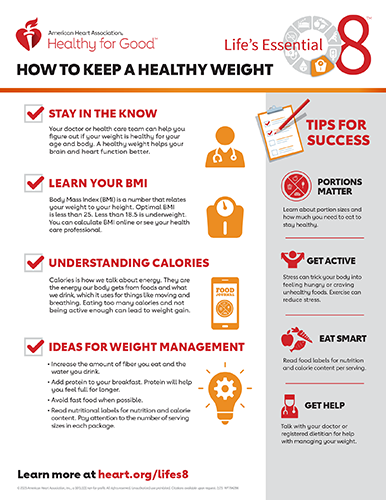
Portion control is a key step in managing weight through good eating habits. It helps prevent overeating and keeps calorie intake in check. Using simple techniques can make portion control easier and more effective. These methods guide how much to eat without feeling hungry or deprived.
Using Visual Guides
Visual guides help estimate portion sizes without a scale. For example, a serving of protein should be about the size of your palm. A fist-sized amount is a good measure for vegetables or fruits. A cupped hand can show the right portion of grains or pasta. These easy-to-remember cues make controlling portions simple and practical.
Balancing Food Groups
Balancing food groups on your plate supports portion control and nutrition. Fill half your plate with vegetables and fruits. One quarter should be lean proteins like fish, chicken, or beans. The last quarter can include whole grains such as brown rice or quinoa. This balance helps keep calories steady and nutrients high.

Credit: www.healthdirect.gov.au
Staying Consistent
Consistency plays a key role in managing your weight through good eating habits. Sticking to healthy routines helps your body adjust and keeps your progress steady. Small daily actions add up to big results over time. Avoid sudden changes that are hard to maintain.
Building a habit means doing the right things regularly. This makes it easier to control hunger and avoid overeating. Consistency also supports your energy levels and mood throughout the day. Focus on making simple choices and keeping them up.
Avoiding Meal Skipping
Skipping meals can lead to overeating later. It slows down your metabolism and causes energy dips. Eating regular meals keeps your blood sugar steady. This helps prevent strong cravings and snacking on unhealthy foods. Try to eat balanced meals at similar times each day.
Start with three main meals and healthy snacks if needed. This approach keeps your hunger in check and supports better digestion. Avoid skipping breakfast, as it sets the tone for your metabolism. Consistent meal times train your body to expect food at regular intervals.
Setting Realistic Goals
Set goals that fit your lifestyle and abilities. Unrealistic targets cause frustration and often lead to giving up. Choose small, clear steps like adding vegetables or drinking more water. Celebrate your progress to stay motivated.
Focus on steady changes instead of quick fixes. Realistic goals create habits that last longer. Write down your goals and review them often to keep on track. Remember, managing weight is a journey that needs patience and persistence.
Sample Foods And Meal Ideas
Eating well helps control weight and keeps energy steady throughout the day. Choosing the right foods makes a big difference. Balanced meals with the right portions support good eating habits. Below are ideas for meals and snacks that fit a healthy lifestyle.
Breakfast Choices
Start with whole grains like oatmeal or whole wheat toast. Add a protein source such as eggs or low-fat yogurt. Include fresh fruit like berries or a banana. A small handful of nuts adds healthy fats and keeps you full. Avoid sugary cereals or pastries that cause energy crashes.
Lunch And Dinner Options
Fill half your plate with vegetables, cooked or raw. Choose lean proteins like chicken, fish, beans, or tofu. Include whole grains such as brown rice, quinoa, or whole wheat pasta. Use healthy oils like olive or canola for cooking. Limit fried foods and heavy sauces to reduce extra calories.
Healthy Snacks
Pick snacks that satisfy and nourish your body. Fresh fruit, cut vegetables, or a small portion of nuts work well. Low-fat yogurt or a boiled egg makes a good protein snack. Avoid chips, candy, and sugary drinks. Drink water or herbal tea to stay hydrated between meals.
Credit: www.heart.org
Frequently Asked Questions
Are Good Eating Habits Can Help To Manage Your Weight?
Good eating habits help manage weight by creating a calorie deficit and focusing on whole, nutrient-rich foods. They support long-term weight control and overall health.
What Is A Good Eating Habit To Lose Weight?
Eat whole foods like fruits, vegetables, lean proteins, and whole grains. Avoid processed foods and sugary drinks. Control portions, stay hydrated, exercise regularly, and get enough sleep for effective weight loss.
What Should I Be Eating To Maintain My Weight?
Eat a balanced diet with fruits, vegetables, whole grains, lean proteins, and healthy fats. Limit processed foods and sugary drinks. Stay hydrated and practice portion control to maintain your weight effectively.
What Are 5 Good Eating Habits?
Five good eating habits include eating whole foods, controlling portion sizes, drinking water, eating slowly, and limiting processed foods.
Conclusion
Good eating habits play a key role in managing your weight well. Eating whole foods keeps you full and nourished longer. Drinking water often helps control hunger and supports your body. Avoiding processed foods and sugary drinks reduces extra calories.
Taking small steps, like planning meals, makes healthy choices easier. Consistency matters more than quick fixes for lasting results. Healthy weight management improves your energy and overall health. Start simple, stay patient, and enjoy the positive changes. Your body will thank you for caring every day.

“As the voice behind Radiant Glow Health, we are dedicated to being your ultimate wellness and vitality companion. Our mission is to inspire and guide you on your journey to a healthier and more vibrant life. Join us as we explore holistic health practices and empower you to radiate wellness from within.”