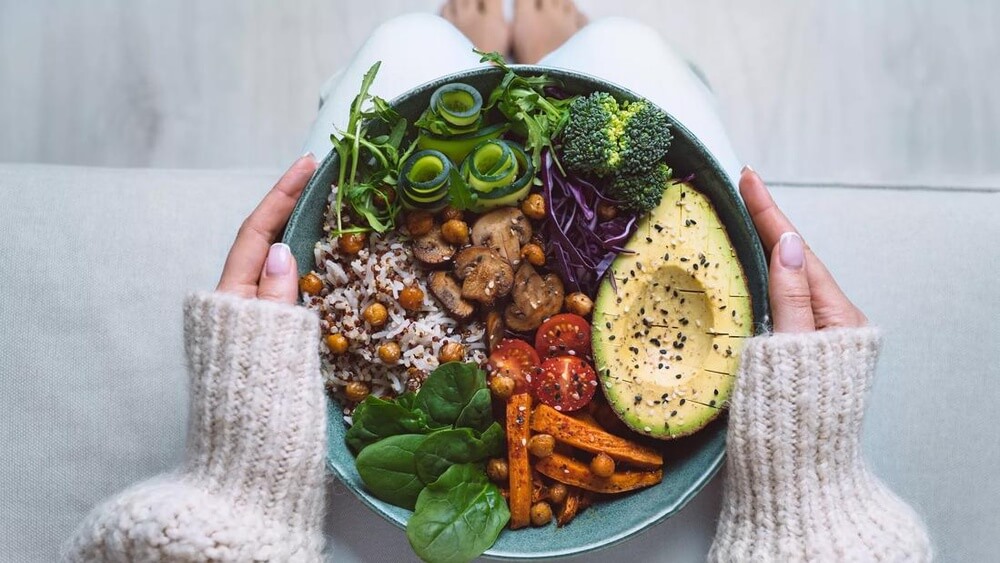
Are you wondering if switching to a vegan diet could actually be healthier for you than sticking with your current eating habits? You’re not alone.
Many people ask whether giving up meat and animal products can boost energy, improve heart health, or even help with weight management. But is a vegan diet really better for your body, or could it come with hidden risks you haven’t considered?
Before you make any changes to your plate, it’s important to understand both the benefits and challenges that come with a vegan lifestyle. Keep reading to discover what science says, what you need to watch out for, and how a vegan diet might fit into your life—so you can make the best choice for your health and wellbeing.

Credit: www.health.harvard.edu
Vegan Vs Normal Diet
The debate between a vegan diet and a normal diet continues to attract attention worldwide. Many people wonder which diet offers better health benefits and fewer risks. Both diets have unique features, advantages, and challenges. Understanding these differences helps in making an informed choice that fits individual needs.
Nutritional Differences
A vegan diet excludes all animal products, relying only on plants. This change affects intake of some nutrients. Vegans often consume more fiber, vitamins C and E, and antioxidants. Normal diets include meat, dairy, and eggs, which provide vitamin B12, iron, calcium, and complete proteins more easily.
Plant-based iron (non-heme) is harder to absorb than animal iron (heme). Vegans need vitamin C to boost iron absorption. Calcium and vitamin D are crucial for bones but may be lower in vegan diets without fortified foods or supplements. Protein sources differ; vegans must combine various plants to get all essential amino acids.
Health Outcomes
Studies show vegans often have lower risks of heart disease, high blood pressure, and type 2 diabetes. Plant-based diets tend to lower cholesterol and improve weight control. Normal diets can offer sufficient nutrients but may include more saturated fats and processed foods, which increase health risks.
Balanced vegan diets support good health but require careful planning. Deficiencies in vitamin B12, iron, and omega-3 fatty acids can occur without supplements or fortified foods. Normal diets might be easier to balance but can lead to chronic diseases if high in unhealthy fats and sugars.
Common Misconceptions
Many believe vegan diets lack enough protein, but plants can provide all needed proteins. Some think vegan food is always healthier, yet processed vegan products may contain high sugar and fat. Another myth is that normal diets are automatically balanced; unhealthy choices affect any diet’s quality.
People often assume vegan diets are expensive, but simple plant foods like beans, rice, and vegetables are affordable. Social challenges exist for vegans, such as limited options when dining out or family misunderstandings. These issues do not affect nutritional value but influence lifestyle satisfaction.
Nutritional Challenges
A vegan diet removes all animal products. This change can cause some nutritional gaps. People must plan meals to meet all their nutrient needs. Some nutrients are harder to get from plants. Understanding these challenges helps maintain good health on a vegan diet.
Missing key nutrients may affect energy, immunity, and overall wellness. Careful choices and sometimes supplements can fill these gaps. Let’s explore important nutrients that need attention for vegans.
Protein And Zinc Sources
Protein builds muscles and repairs tissues. Animal foods have complete proteins, but plants may not. Vegans must combine beans, grains, nuts, and seeds. This mix provides all essential amino acids. Zinc supports the immune system and wound healing. Plant zinc is less absorbed than animal zinc. Eating a variety of nuts, seeds, and legumes helps meet zinc needs.
Iron Absorption Issues
Iron carries oxygen in the blood. Animal iron (heme) absorbs well, but plant iron (non-heme) does not. Vegans need more iron to stay healthy. Eating vitamin C rich foods with iron plants boosts absorption. Good sources include lentils, spinach, chickpeas, and fortified cereals. Monitoring iron levels is important to avoid anemia.
Calcium And Vitamin D Needs
Calcium keeps bones strong and healthy. Dairy is a common calcium source, but vegans must find alternatives. Fortified plant milks, tofu, and leafy greens provide calcium. Vitamin D helps the body absorb calcium. Sunlight triggers vitamin D production, but many need supplements. Choosing fortified foods or supplements supports bone health on a vegan diet.
Omega-3 Fatty Acids
Omega-3 fatty acids support brain and heart health. Fish are rich in omega-3, but plants offer a different type. Flaxseeds, chia seeds, walnuts, and hemp seeds contain ALA, a plant omega-3. The body converts ALA into active forms, but not efficiently. Algae-based supplements provide a direct source of omega-3 for vegans.
Health Risks Of Veganism
Adopting a vegan diet can offer many health benefits, yet it carries certain risks. Understanding these risks helps in making informed choices. Without careful planning, some health issues may arise. Awareness of potential problems is crucial for anyone considering veganism.
Potential Deficiencies
Vegan diets may lack key nutrients mostly found in animal products. Vitamin B12 is one critical example. Deficiency can cause fatigue and nerve problems. Iron from plants is harder to absorb, raising anemia risk. Calcium and vitamin D are essential for bones but may be low. Protein and zinc also need attention through varied plant sources or supplements.
Neurological Concerns
Vitamin B12 deficiency affects the nervous system and brain function. Low levels can lead to memory issues and mood changes. Omega-3 fatty acids, important for brain health, are less common in vegan diets. Algae-based supplements can provide these nutrients. Without them, neurological problems may develop over time.
Bone Health Risks
Calcium and vitamin D are vital for strong bones. Vegan diets may not supply enough of these, increasing fracture risk. Lack of these nutrients can lead to lower bone density. Fortified foods and supplements help maintain bone health. Regular check-ups can detect early signs of bone loss.
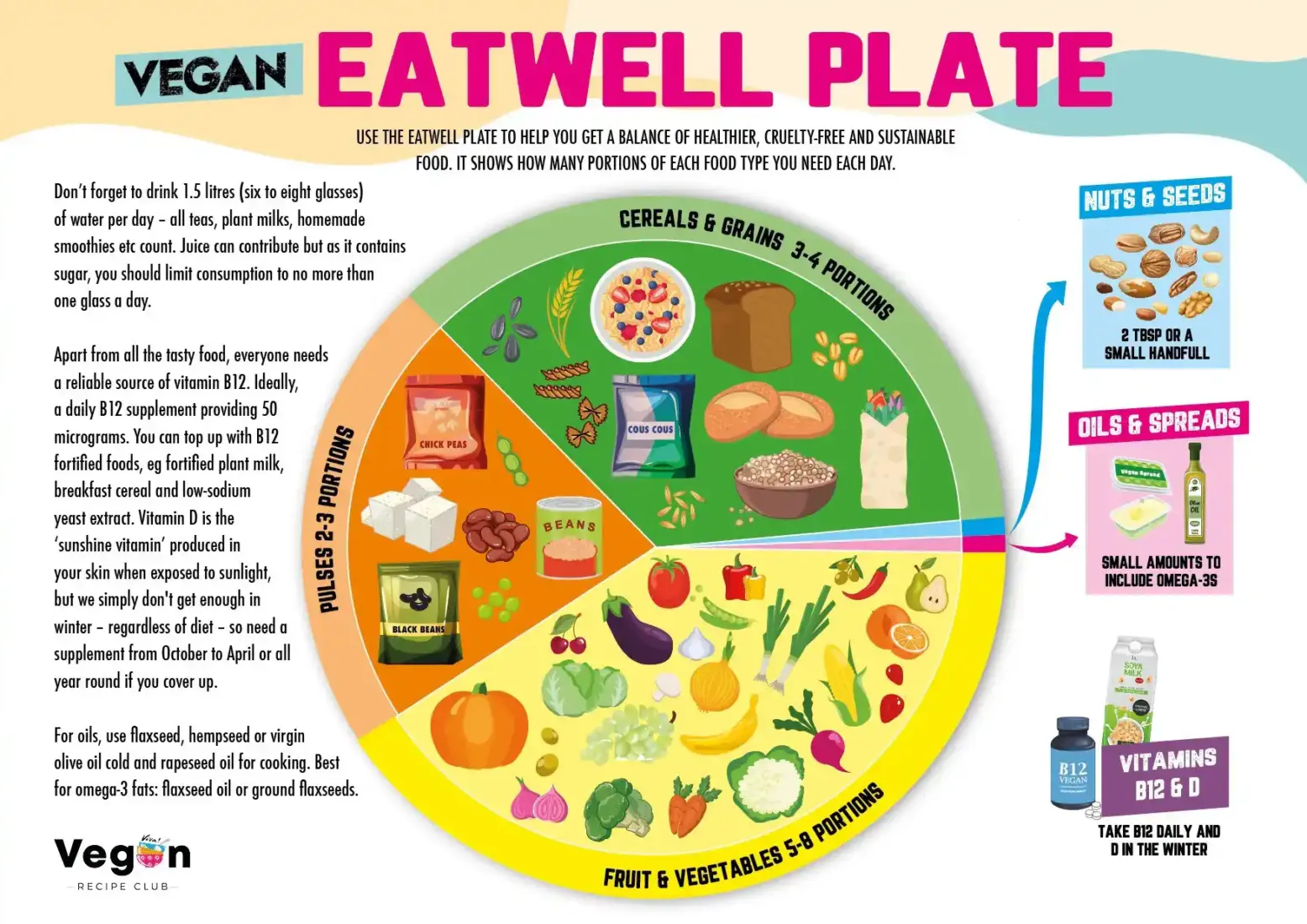
Credit: viva.org.uk
Lifestyle Considerations
Choosing a vegan diet involves more than just changing food choices. It shapes daily habits, social life, and spending. Lifestyle factors can affect how easy or hard it is to keep a vegan diet long term. Understanding these helps decide if veganism fits your life.
Dining Out Difficulties
Eating out on a vegan diet can be tricky. Many restaurants have few or no vegan options. Finding meals without animal products requires extra effort. Sometimes, special requests are needed, which may not always be accepted. This can limit social dining experiences and cause inconvenience.
Social And Cultural Challenges
Social events often center around traditional meals with meat or dairy. Vegan choices may feel different or isolated. Family gatherings can bring pressure to eat non-vegan foods. Cultural traditions might not include vegan dishes. Explaining your diet and handling questions can be stressful.
Learning And Meal Prep
Adopting a vegan diet means learning new cooking skills. Replacing animal products takes planning and creativity. Meal prep can be time-consuming at first. Discovering plant-based protein sources and balanced meals takes effort. Over time, cooking becomes easier and enjoyable.
Cost Factors
Some vegan foods, like specialty meat substitutes, can be expensive. Fresh fruits, vegetables, and grains are usually affordable. Eating out at vegan-friendly places might cost more. Budgeting for a vegan diet requires attention to shopping choices. Cooking at home can reduce costs significantly.
Hidden Pitfalls
A vegan diet offers many benefits but also has hidden pitfalls. Understanding these issues helps maintain a balanced and healthy lifestyle. Knowing potential drawbacks prepares you for challenges and helps prevent health problems.
Digestive Issues
A vegan diet is rich in fiber from fruits, vegetables, and grains. This fiber helps digestion but can cause bloating and gas at first. Some people experience stomach cramps or diarrhea. The body needs time to adjust to high fiber intake. Drinking plenty of water and slowly increasing fiber helps ease symptoms.
Processed Vegan Foods
Not all vegan foods are healthy. Many processed vegan products contain high salt, sugar, and unhealthy fats. These foods can lead to weight gain and poor nutrition. Relying on processed vegan snacks limits vitamins and minerals. Choosing whole, natural foods supports better health and energy.
Weight Management
A vegan diet can help with weight loss but also cause weight gain. Eating large amounts of nuts, oils, and processed vegan foods adds many calories. Some people may struggle to feel full and eat too much. Careful portion control and balanced meals are important. Tracking food intake helps maintain a healthy weight.
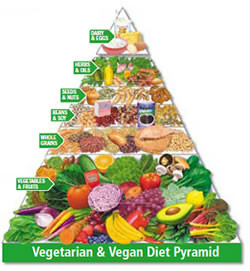
Credit: www.health.harvard.edu
Who Should Be Careful
Adopting a vegan diet can offer many health benefits. Yet, certain groups need extra caution. Nutrient needs vary by age, health, and life stage. Careful planning helps avoid deficiencies and health risks. This section highlights who should be careful before choosing a vegan lifestyle.
Pregnant And Breastfeeding Women
Pregnant and breastfeeding women need more nutrients for their baby’s growth. Protein, iron, calcium, and vitamin B12 are crucial during this time. A vegan diet may lack some of these nutrients. Without proper planning, it can affect both mother and child. Consulting a healthcare provider or dietitian is important. They can help create a balanced vegan plan. Supplements or fortified foods might be necessary.
Children And Teens
Children and teens grow rapidly and need sufficient nutrients. A vegan diet can meet their needs but requires careful attention. Protein, iron, calcium, and vitamin D are vital for healthy development. Plant sources sometimes lack these nutrients or have lower absorption rates. Parents should ensure a varied diet with fortified foods. Regular check-ups help monitor growth and health. Professional guidance can support safe vegan eating for young people.
People With Health Conditions
Those with health conditions should be cautious about a vegan diet. Certain diseases increase the risk of nutrient deficiencies. For example, anemia or digestive disorders affect nutrient absorption. People with thyroid issues, diabetes, or kidney problems need tailored diets. Vegan diets may require adjustments or supplements for safety. Medical advice ensures the diet supports health and treatment goals. Never start a vegan diet without consulting a doctor if you have health concerns.
Balanced Diet Insights
Choosing a healthy diet means focusing on balance and variety. Both vegan and normal diets can offer good nutrition. The key lies in what foods are included and how they are combined.
A balanced diet provides essential vitamins, minerals, protein, and fiber. It supports energy, brain function, and overall health. Understanding different diet patterns helps in making better food choices.
Whole Plant Foods Emphasis
Whole plant foods include vegetables, fruits, grains, nuts, and legumes. These foods are rich in fiber and antioxidants. They help reduce inflammation and improve heart health.
Plant-based diets focus heavily on these foods. They lower the risk of chronic diseases like diabetes and high blood pressure. Eating whole plants boosts digestion and supports weight management.
Inclusion Of Animal Products
Animal products provide complete proteins and vital nutrients like vitamin B12 and iron. Meat, dairy, and eggs offer these in forms easier for the body to absorb. Including moderate amounts can fill nutrient gaps.
Some people find it easier to meet nutritional needs with animal products. Balanced diets may combine plant and animal foods for variety and health benefits. This approach supports muscle health and brain function well.
Mediterranean Vs Plant-based Patterns
The Mediterranean diet mixes plants, fish, and small portions of meat. It emphasizes olive oil, fruits, and vegetables. Studies show it lowers heart disease risk and promotes longevity.
Plant-based diets avoid animal products but focus on nutrient-rich plants. Both diets improve health when planned carefully. Choosing whole, unprocessed foods is a shared principle for both.
Real-world Examples
Real-world examples help us see how a vegan diet affects health in everyday life. These examples include stories from celebrities, findings from scientific studies, and advice from health experts. They show the benefits and challenges of choosing a vegan lifestyle compared to a normal diet.
Celebrity Experiences
Many celebrities have shared their vegan diet journeys publicly. Some report better energy and weight loss. Others mention difficulties meeting all their nutritional needs. For example, actress Natalie Portman credits veganism for her improved health. On the other hand, singer Miley Cyrus stopped veganism due to health concerns. These stories highlight that results vary by person. Celebrities often adjust their diets to fit their unique needs.
Scientific Studies
Research shows mixed results about vegan diets versus normal diets. Some studies find vegans have lower cholesterol and less risk of heart disease. Others warn about possible nutrient deficiencies like vitamin B12 and iron. Scientists suggest careful planning to avoid these risks. Studies also show vegan diets can help with weight control and diabetes management. Overall, research supports that a well-planned vegan diet can be healthy.
Public Health Recommendations
Health organizations recognize the benefits of plant-based diets. They recommend including more vegetables, fruits, and whole grains. Many suggest vegan diets as one healthy option but stress balance. Public guidelines advise monitoring key nutrients such as protein, calcium, and vitamins. Dietitians often recommend supplements or fortified foods for vegans. The goal is to meet all nutritional needs while enjoying the diet chosen.
Frequently Asked Questions
Why Did Miley Cyrus Quit Vegan?
Miley Cyrus quit veganism due to brain-related health issues. She felt her vegan diet lacked essential nutrients for her well-being.
What Are The Downsides Of A Vegan Diet?
A vegan diet risks nutrient deficiencies like B12, iron, calcium, and omega-3 without careful planning. Social dining can be challenging. High fiber may cause digestive issues. Processed vegan foods can lead to weight gain. Pregnant women and children should consult a dietitian before starting.
What Is The Healthiest Diet For Humans?
The healthiest diet emphasizes whole foods, including fruits, vegetables, lean proteins, whole grains, and healthy fats. It limits processed foods, added sugars, and excessive salt. Balanced nutrition supports overall health, energy, and disease prevention. Personal needs and preferences should guide diet choices for sustainable results.
What Is The 30 30 30 Rule For Vegans?
The 30 30 30 rule for vegans means getting 30% of daily calories from carbs, proteins, and fats each. It ensures balanced nutrition and supports overall health.
Conclusion
Choosing between a vegan diet and a normal diet depends on many factors. A vegan diet offers benefits like lower heart disease risk and more fiber. Yet, it needs careful planning to avoid nutrient gaps like B12, iron, and calcium.
Social and lifestyle challenges can also arise. Both diets can support good health if balanced and varied. Always consider personal needs and consult a healthcare provider before making big changes. Staying informed helps you make the best choice for your body and life.

“As the voice behind Radiant Glow Health, we are dedicated to being your ultimate wellness and vitality companion. Our mission is to inspire and guide you on your journey to a healthier and more vibrant life. Join us as we explore holistic health practices and empower you to radiate wellness from within.”