
“What are the Nutritional Benefits of Eating Salad?”
Are you looking for a simple way to boost your health every day? Eating salad might be the easiest and most delicious step you can take.
When you fill your plate with fresh greens, colorful veggies, and wholesome toppings, you’re not just enjoying a tasty meal—you’re fueling your body with essential nutrients that support digestion, heart health, and even brain function. Imagine feeling more energized, staying full longer, and protecting your body from common diseases—all by adding more salad to your diet.
Curious to know exactly how salads work their magic? Keep reading to discover the powerful nutritional benefits that make eating salad a smart choice for your health and well-being.

Credit: foodal.com
Nutrient-rich Ingredients
Salads combine many nutrient-rich ingredients that boost health and energy. They include fresh greens, colorful vegetables, and sometimes fruits or nuts. These ingredients deliver essential vitamins and minerals your body needs daily. Eating salads regularly improves digestion, supports the immune system, and promotes healthy skin.
Choosing a variety of vegetables increases the range of nutrients you consume. Each vegetable offers unique benefits, making salads a simple way to nourish your body. The natural fiber in salads helps keep your digestive system working smoothly.
Vitamins And Minerals In Greens
Leafy greens like spinach, kale, and romaine lettuce are packed with vitamins A, C, K, and folate. These vitamins support vision, skin health, and blood clotting. Minerals such as iron, calcium, and magnesium in greens help build strong bones and carry oxygen in the blood.
Greens also provide antioxidants that protect cells from damage caused by free radicals. Eating salads with a variety of greens can reduce inflammation and promote overall well-being.
Colorful Vegetables And Their Benefits
Vegetables like carrots, bell peppers, tomatoes, and beets add vibrant colors and nutrients to salads. Carrots are rich in beta-carotene, which supports eye health. Red and orange peppers provide vitamin C, helping the immune system and skin repair.
Tomatoes contain lycopene, a powerful antioxidant linked to heart health. Beets offer fiber and minerals that improve blood flow and lower blood pressure. Eating a colorful salad ensures a wide range of nutrients in each meal.
Fiber And Digestion
Eating salad provides a great source of dietary fiber, which plays a key role in digestion. Fiber helps keep your digestive system running smoothly. It adds bulk to stool, making bowel movements easier and preventing constipation. Including fiber-rich salads in your meals supports overall gut health and comfort.
Fiber also feeds good bacteria in your intestines. These bacteria help break down food and absorb nutrients better. A healthy gut flora can reduce inflammation and lower the risk of digestive disorders. Salads with a variety of vegetables and leafy greens offer different types of fiber, promoting a balanced digestive system.
Role Of Fiber In Digestive Health
Fiber acts as a natural cleanser for your digestive tract. It absorbs water and softens stool, which helps prevent constipation. Insoluble fiber adds bulk, speeding up waste passage through the colon. Soluble fiber forms a gel-like substance that slows digestion and helps absorb nutrients.
Eating fiber-rich salads supports regular bowel movements and reduces bloating. Fiber also encourages the growth of healthy gut bacteria. These bacteria help produce short-chain fatty acids, which protect the lining of the intestines. A healthy digestive system improves nutrient absorption and overall well-being.
Fiber’s Impact On Blood Sugar And Weight
Fiber slows the absorption of sugar into the bloodstream. This helps keep blood sugar levels stable. Stable blood sugar reduces hunger spikes and energy crashes. Eating salad with fiber can help manage diabetes and prevent insulin resistance.
High-fiber salads promote fullness and reduce overeating. Fiber takes longer to digest, keeping you satisfied longer. This helps with weight management by lowering calorie intake. Choosing salads loaded with fiber-rich veggies supports a healthy weight and balanced energy throughout the day.
Hydration Benefits
Eating salad offers more than just vitamins and minerals. It also helps keep your body hydrated. Hydration is essential for health. Salads contain many fruits and vegetables with high water content. This helps your body get enough fluids to work well every day.
Water Content In Fruits And Vegetables
Many salad ingredients have high water content. Cucumbers, lettuce, tomatoes, and celery are over 90% water. Fruits like watermelon and oranges add even more fluids. Eating these foods provides water and nutrients at the same time. This supports hydration better than many other snacks.
Supporting Daily Fluid Intake
Your body needs fluids to stay healthy and active. Drinking water is important, but so is eating water-rich foods. Salads help you meet daily fluid needs easily. They add moisture to your diet and keep you feeling refreshed. This supports digestion, skin health, and energy levels throughout the day.

Credit: dressings-sauces.org
Antioxidants And Cell Protection
Salads offer more than just fresh flavors. They provide powerful antioxidants that protect your cells. These antioxidants help shield your body from damage caused by harmful molecules. Eating salads regularly supports your body’s defense system and promotes overall health.
Fighting Free Radicals
Free radicals are unstable molecules that can harm cells. Antioxidants in salad ingredients like spinach, kale, and carrots neutralize these molecules. This fight helps prevent cell damage and slows aging. Vitamins C and E, found in many salad veggies, are strong antioxidants. Eating salad adds these protective nutrients to your diet daily.
Reducing Disease Risks
Cell damage from free radicals links to diseases like cancer and heart problems. Antioxidants reduce this damage and lower disease risks. Leafy greens and colorful vegetables contain phytochemicals that support healthy cells. Regular salad consumption helps maintain cell health and reduces inflammation. This lowers the chance of chronic illnesses over time.
Gut Health And Microbiome
Salads do more than just provide vitamins and minerals. They play a key role in supporting your gut health and microbiome. A balanced gut helps with digestion and overall well-being. Eating salads regularly introduces important nutrients that nurture good bacteria in your digestive system. This leads to a stronger immune system and better nutrient absorption.
Fiber Feeding Gut Bacteria
Salads are rich in dietary fiber, essential for gut bacteria. Fiber acts as food for these good bacteria, helping them grow and stay active. This improves digestion and prevents constipation. Fiber also supports a healthy balance of microbes, which protects against harmful bacteria. Eating fiber-rich salads promotes regular bowel movements and reduces the risk of digestive diseases.
Polyphenols And Microbiome Support
Leafy greens and colorful vegetables in salads contain polyphenols. These natural compounds support the growth of beneficial gut bacteria. Polyphenols help reduce inflammation and protect the gut lining. They also improve the diversity of the microbiome, which is linked to better health. Including polyphenol-rich foods in salads enhances gut function and overall wellness.
Heart And Brain Support
Eating salad offers strong support for both heart and brain health. It provides essential nutrients that help maintain healthy blood vessels and improve brain function. Including fresh vegetables and leafy greens in your diet can protect your cardiovascular system and enhance memory and focus.
Cardiovascular Benefits Of Salad
Salads contain fiber that helps lower bad cholesterol levels. Lower cholesterol reduces the risk of heart disease. Leafy greens have potassium, which controls blood pressure. Antioxidants in vegetables fight inflammation in blood vessels. This keeps arteries flexible and healthy. Eating salad regularly supports a strong and healthy heart.
Nutrients For Brain Health
Salads are rich in folate, a vitamin important for brain function. Folate helps produce chemicals that regulate mood and memory. Vitamin E from nuts and seeds in salads protects brain cells from damage. Omega-3 fats found in some salad ingredients improve brain connectivity. These nutrients together keep the brain sharp and active.
Building A Balanced Salad
Building a balanced salad means combining different food groups. This mix helps your body get many nutrients in one meal. A good salad has vegetables, protein, and healthy fats. Each part plays a special role in keeping you healthy.
Adding Protein Sources
Protein helps build and repair muscles. It also keeps you full longer. Good protein choices for salads include grilled chicken, boiled eggs, or beans. Tofu and fish are great plant-based and animal options. Adding protein makes your salad more satisfying and nutritious.
Incorporating Healthy Fats
Healthy fats help your body absorb vitamins A, D, E, and K. They also support brain and heart health. Add avocado slices, nuts, or seeds to your salad for healthy fats. A drizzle of olive oil works well too. These fats make your salad taste better and improve nutrient absorption.
Daily Salad Effects
Eating a salad every day brings many positive effects to your body. It fills you with essential nutrients that support overall health. Daily salad consumption helps maintain balance in your diet and boosts your well-being. Small, consistent habits like this can make a big difference in your health over time.
Weight Management Advantages
Salads contain low calories but high fiber. Fiber keeps you full longer and reduces hunger. This helps control overeating and supports healthy weight loss. Vegetables and greens add volume without adding extra fat. Eating salads daily can make it easier to maintain a healthy weight.
Improved Immunity And Energy
Salads provide vitamins like A, C, and E that strengthen your immune system. Antioxidants in salad ingredients protect your cells from damage. These nutrients help your body fight infections and stay strong. The natural sugars and fiber in salads give steady energy without spikes. Regular salad eating keeps you energized throughout the day.
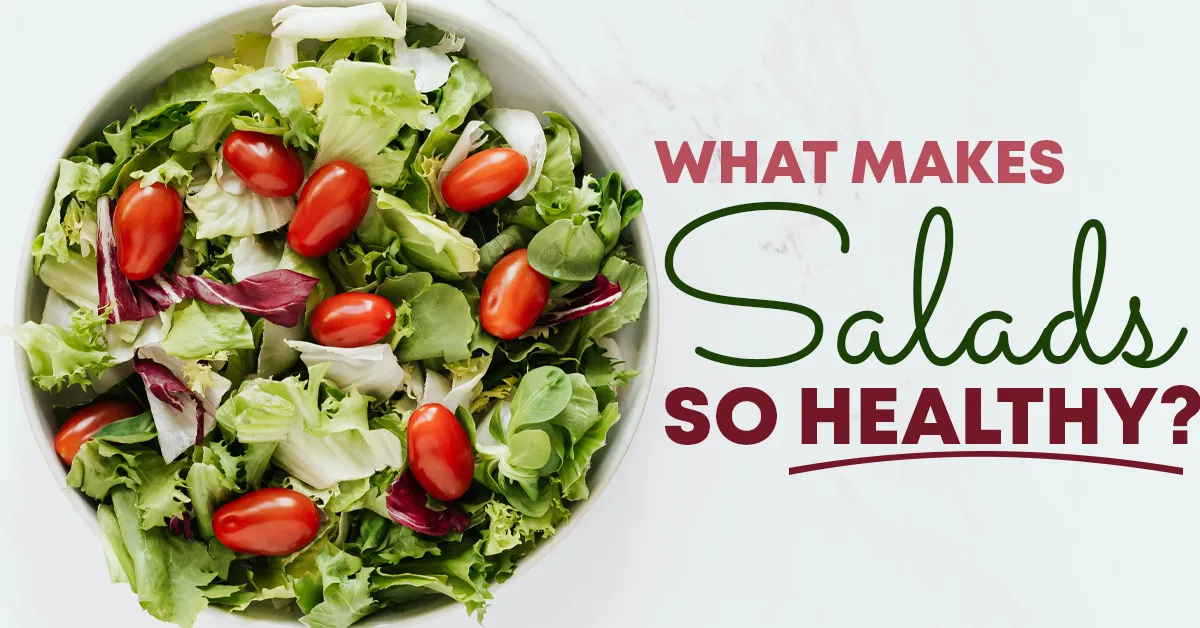
Credit: integracareclinics.com
Frequently Asked Questions
What Does Eating Salad Do To Your Body?
Eating salad provides vitamins, minerals, fiber, and antioxidants that boost digestion, hydration, heart health, and weight management. It supports gut bacteria, stabilizes blood sugar, and protects cells from damage, promoting overall wellness and disease prevention.
What Are The Benefits Of Eating Salad?
Eating salad provides essential vitamins, minerals, fiber, and antioxidants. It aids digestion, supports weight management, boosts hydration, promotes heart health, and protects cells from damage. Salads improve gut health and help stabilize blood sugar, enhancing overall wellness and disease prevention.
What Are The 7 Benefits Of A Salad?
Salads provide essential vitamins and minerals, boost fiber intake, support hydration, improve digestion, enhance gut health, protect cells with antioxidants, and promote heart and brain health.
What Nutrition Does Salad Give You?
Salads provide essential vitamins (A, C, K, folate), minerals, fiber, antioxidants, and hydration. They support digestion, heart health, weight management, and protect cells from damage.
Conclusion
Eating salad adds essential nutrients to your daily diet. It supports digestion and keeps you hydrated. Salads help maintain a healthy heart and stable blood sugar. Including protein and healthy fats makes salads more filling. Regular salad eating promotes overall wellness and disease prevention.
Simple, fresh ingredients make salads a smart, easy choice. Try adding salads to your meals for better health.

“As the voice behind Radiant Glow Health, we are dedicated to being your ultimate wellness and vitality companion. Our mission is to inspire and guide you on your journey to a healthier and more vibrant life. Join us as we explore holistic health practices and empower you to radiate wellness from within.”