“Why is Vitamins Important for the Body?”
Have you ever wondered why vitamins are such a big deal for your health? Vitamins do much more than just keep you feeling good—they are essential for your body to work at its best every single day.
From boosting your immune system to helping your nerves and muscles function properly, these tiny nutrients play a huge role in your overall well-being. If you want to understand how vitamins impact your energy, mood, and long-term health, keep reading.
This article will reveal why getting the right vitamins matters so much for you and how they keep your body running smoothly. Don’t miss out on learning the simple ways to support your health starting now!
Credit: inspireweightlossnutley.com
Role Of Vitamins
Vitamins play a crucial role in keeping the body healthy and functioning well. Each vitamin supports different processes that maintain overall wellness. Without enough vitamins, the body cannot work at its best. They help protect against illness, support vital systems, and keep energy levels steady.
Understanding the role of vitamins helps us see why they are essential. They boost immunity, aid the nervous system, produce energy, and assist in blood clotting. These roles are key for daily health and long-term well-being.
Boosting Immunity
Vitamins help the immune system fight infections. Vitamin C, for example, supports white blood cells that attack germs. Vitamin D helps regulate immune responses. A strong immune system means fewer illnesses and faster recovery.
Supporting Nervous System
Some vitamins keep nerves healthy and working properly. Vitamin B12 protects nerve cells and helps make DNA. Vitamin B6 supports brain function and mood. Healthy nerves allow clear signals to travel through the body.
Energy Production
Vitamins help the body turn food into energy. B vitamins, like B1, B2, and B3, break down carbohydrates, fats, and proteins. This process fuels muscles and organs. Without enough vitamins, energy levels drop and fatigue sets in.
Blood Clotting Functions
Vitamin K plays a key role in blood clotting. It helps wounds heal by stopping bleeding. Without enough vitamin K, bruises and cuts can bleed longer. Proper clotting protects the body from excessive blood loss.
Types Of Essential Vitamins
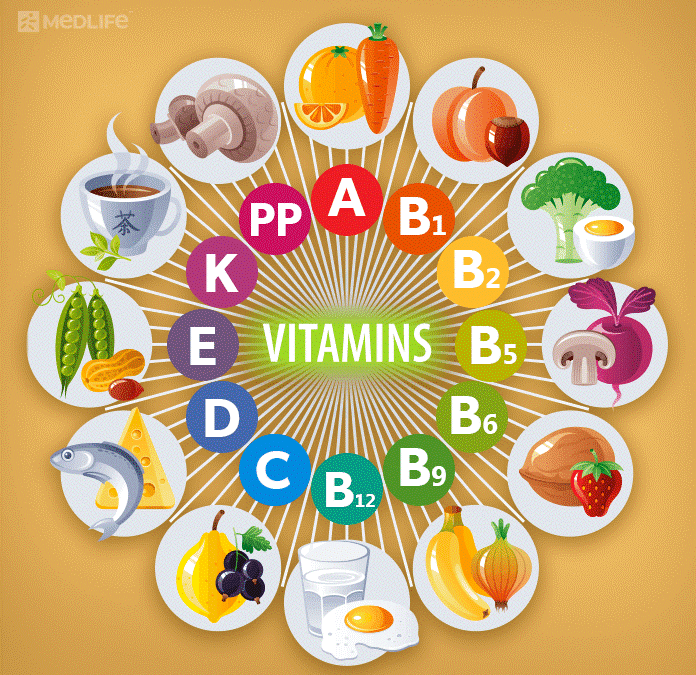
Vitamins are vital nutrients that the body needs to function well. Each vitamin has a unique role in maintaining health and preventing diseases. Understanding the types of essential vitamins helps in choosing a balanced diet. This section explores the main vitamins and their benefits.
Vitamin A Benefits
Vitamin A supports good vision and eye health. It helps the immune system fight infections. This vitamin also keeps skin and tissues inside the body healthy. Foods like carrots, spinach, and sweet potatoes contain vitamin A.
Vitamin B Complex Roles
The B vitamins include several types such as B1, B2, B3, B6, and B12. They help the body turn food into energy. B vitamins support brain function and red blood cell production. Whole grains, meat, and eggs are rich in B vitamins.
Vitamin C Importance
Vitamin C helps the body heal wounds and form scar tissue. It strengthens the immune system and protects cells from damage. Citrus fruits, strawberries, and bell peppers have high vitamin C content.
Vitamin D Functions
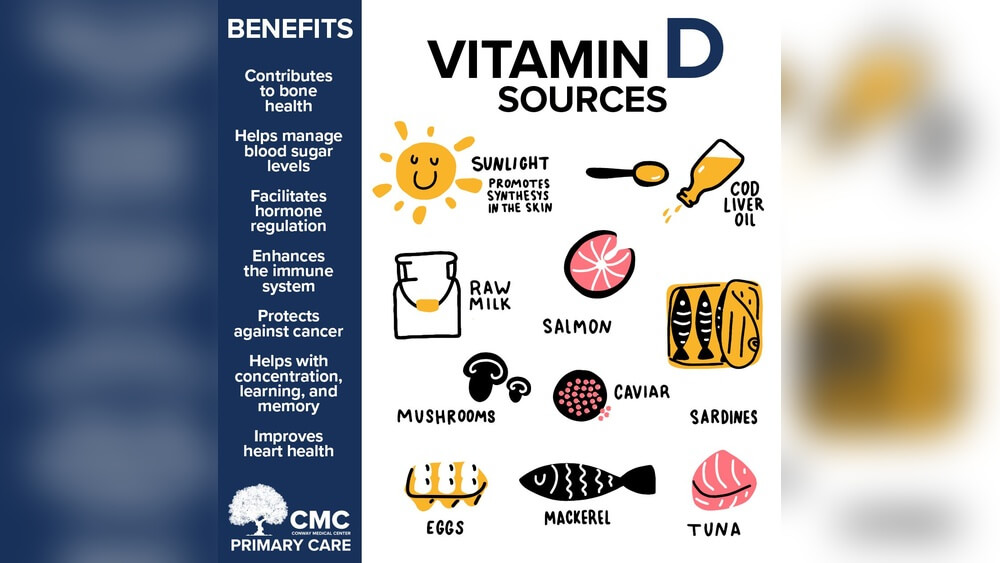
Vitamin D helps the body absorb calcium for strong bones and teeth. It supports the immune system and muscle function. Sunlight exposure and foods like fish and fortified milk provide vitamin D.
Vitamin E And K Uses
Vitamin E acts as an antioxidant, protecting cells from damage. It helps the skin stay healthy. Vitamin K is essential for blood clotting and bone health. Nuts, seeds, leafy greens, and vegetable oils are good sources.
Sources Of Vitamins
Vitamins are essential nutrients that the body needs to function well. They support growth, repair, and overall health. The body cannot make most vitamins, so it is important to get them from various sources. Different foods and products provide different vitamins. Understanding these sources helps maintain a balanced diet and good health.
Vitamins In Fruits And Vegetables
Fruits and vegetables are rich in many vitamins. Citrus fruits like oranges and lemons provide vitamin C. Leafy greens such as spinach and kale are high in vitamins A, C, and K. Carrots and sweet potatoes offer vitamin A. Eating a variety of colorful fruits and vegetables ensures a wide range of vitamins. These natural sources are easy to digest and full of fiber.
Animal-based Vitamin Sources
Animal products supply vitamins that are sometimes hard to get from plants. Meat, fish, and poultry contain vitamins B12 and B6. Dairy products provide vitamin D and calcium. Eggs are a good source of vitamins A, D, and B12. These foods support energy, brain health, and bone strength. Including moderate animal-based foods helps balance vitamin intake.
Fortified Foods
Fortified foods have vitamins added to them during production. Common fortified items include cereals, bread, and milk. These foods often contain added vitamin D, B vitamins, and iron. Fortification helps prevent vitamin deficiencies in the population. Choosing fortified products can support vitamin intake, especially when natural sources are limited.
Vitamin Supplements
Supplements provide vitamins in pill, liquid, or gummy form. They help fill gaps when diet alone is not enough. People with special needs or limited diets may rely on supplements. Using supplements should be done carefully and ideally with medical advice. They are not a substitute for healthy eating but can be useful in some cases.

Credit: www.centrum.com
Vitamin Deficiency Effects
Vitamin deficiency can cause many problems in the body. Without enough vitamins, the body cannot work as it should. The effects can be mild or severe, depending on the vitamin missing and how long the deficiency lasts. Understanding these effects helps in recognizing the signs and taking action early.
Common Deficiency Symptoms
Symptoms of vitamin deficiency vary but some are common. Fatigue and weakness often appear first. Skin issues like dryness or rashes may develop. Hair loss and brittle nails can occur. Poor wound healing is another sign. Feeling dizzy or having muscle cramps might happen too.
Health Risks Of Deficiency
Vitamin deficiencies can lead to serious health risks. Lack of vitamin D causes weak bones and fractures. Vitamin C deficiency can cause scurvy, leading to gum disease and bleeding. Low vitamin B12 affects nerves and can cause anemia. Deficiency in vitamin A may result in vision problems. Long-term lack of vitamins harms organs and overall health.
Groups At Risk
Some groups face higher risk of vitamin deficiency. Older adults often have trouble absorbing vitamins. Pregnant women need more vitamins for their baby’s growth. People with poor diets or eating disorders lack nutrients. Those with certain illnesses or on medications may not absorb vitamins well. Vegans and vegetarians might miss vitamin B12 found mainly in animal products.
Multivitamins And Side Effects
Multivitamins support overall health by filling nutritional gaps. Despite benefits, some users may face side effects. Understanding these side effects helps manage and reduce discomfort. The following sections explain common issues and offer helpful tips.
Heartburn And Digestive Issues
Multivitamins can cause heartburn, especially with minerals like iron or potassium. These minerals may irritate the stomach lining and esophagus. Large pills can get stuck or irritate the throat, increasing acid reflux. Taking vitamins on an empty stomach often worsens these symptoms. Choosing chewable or liquid forms may reduce irritation. Taking vitamins with meals helps protect the stomach and reduce heartburn.
Irritating Ingredients
Some ingredients in multivitamins can upset the stomach. Iron, potassium, and certain B vitamins may cause nausea or cramps. Artificial colors and preservatives can also trigger sensitivity in some people. Reading labels helps avoid these irritants. Selecting simple, natural ingredient formulas may improve tolerance and reduce side effects.
Pill Size And Form
Large multivitamin pills can be hard to swallow. They may cause gagging or throat discomfort. Pills that are too hard can irritate the esophagus. Chewable, gummy, or liquid vitamins offer easier alternatives. Smaller pills or capsules dissolve more quickly, easing digestion. Picking the right form makes daily vitamin intake more comfortable.
Timing And Dosage Tips
Taking multivitamins with food reduces stomach upset. Dividing doses throughout the day can improve absorption and lower side effects. Avoid taking vitamins right before exercise or bedtime. Follow the recommended dosage to prevent overdose risks. Consistent timing helps the body absorb nutrients better and minimizes digestive discomfort.
Maximizing Vitamin Benefits
Maximizing the benefits of vitamins requires careful attention to how you take them. Proper methods improve absorption and effectiveness. Small changes can make a big difference in your health.
Taking Vitamins With Food
Many vitamins absorb better with meals. Fat-soluble vitamins like A, D, E, and K need dietary fat to dissolve properly. Taking vitamins on an empty stomach can cause nausea or reduce absorption. Eating a balanced meal helps your body use vitamins efficiently.
Choosing The Right Form
Vitamins come in many forms: pills, capsules, liquids, or gummies. Some forms absorb better than others. Liquid and chewable vitamins can be easier to digest. Choose forms that suit your body and lifestyle to improve vitamin uptake.
Balancing Diet And Supplements
Supplements support your diet but cannot replace healthy food. Whole foods provide vitamins, minerals, and fiber together. Relying only on supplements can miss important nutrients. Eat a variety of fruits, vegetables, and proteins for best results.
Consulting Healthcare Providers
Doctors and dietitians can guide vitamin use safely. They check for deficiencies and possible interactions with medicines. Personalized advice ensures you take the right dose and type. Regular check-ups help track your vitamin needs over time.

Credit: biomegagroup.com
Frequently Asked Questions
Why Are Vitamins Important For The Body?
Vitamins support vital body functions like immunity, nerve health, energy production, and blood clotting. They help maintain overall wellness.
Can Multivitamins Cause Heartburn?
Yes, multivitamins can cause heartburn, especially if taken on an empty stomach or contain minerals like iron or potassium. Taking them with food or using chewable forms can reduce irritation.
What Happens When You Lack Vitamins In Your Body?
Lacking vitamins weakens immunity, causes fatigue, poor bone health, skin issues, and nerve problems. It disrupts bodily functions.
What Are The 7 Essential Vitamins?
The 7 essential vitamins are A, B-complex, C, D, E, and K. They support immunity, energy, and overall health.
Conclusion
Vitamins play a key role in keeping the body healthy and strong. They support the immune system and help the body use energy. Without enough vitamins, the body can feel weak or get sick more easily. Eating a balanced diet helps supply these vital nutrients naturally.
Simple choices like fruits, vegetables, and whole grains provide important vitamins daily. Taking care of vitamin intake means better health and more energy. Your body needs vitamins to function well every day.

“As the voice behind Radiant Glow Health, we are dedicated to being your ultimate wellness and vitality companion. Our mission is to inspire and guide you on your journey to a healthier and more vibrant life. Join us as we explore holistic health practices and empower you to radiate wellness from within.”