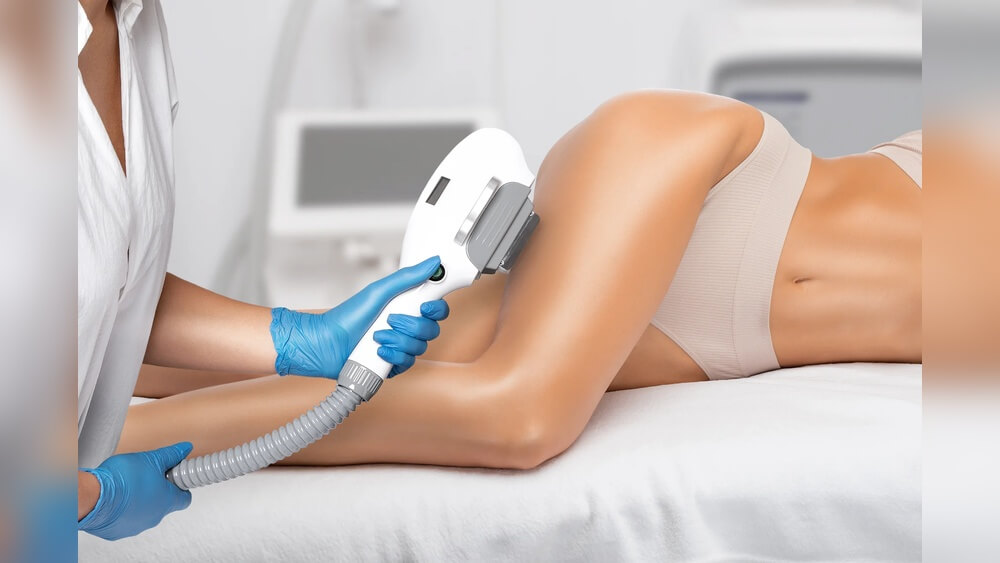
You just had your laser hair removal session, and you’re eager to get back to your regular workout routine. But wait—why can’t you exercise right after laser hair removal?
It might seem frustrating, especially when staying active is part of your daily life. The truth is, your skin needs special care to heal properly after treatment. Exercising too soon can cause redness, irritation, or even infections that could ruin your results.
You’ll discover exactly why it’s important to pause your workouts, how long you should wait, and simple tips to keep your skin safe while staying on track with your fitness goals. Keep reading to protect your skin and enjoy the smooth, hair-free look you deserve.
&srotate=0 "Why Can'T I Exercise After Laser Hair Removal? Essential Safety Tips 2")
Credit: medspaatseenaone.com
Laser Hair Removal Effects
Exercise after laser hair removal can cause problems for your skin. The treatment makes your skin sensitive. Physical activity raises body temperature and causes sweating. These effects can increase risks like irritation and infection. Knowing these risks helps protect your skin and heal faster.
Increased Heat And Inflammation
Laser hair removal heats the hair follicles deeply. Exercise raises your core body temperature further. This extra heat can cause more redness and swelling. It may also increase pain and discomfort. Avoiding exercise helps keep inflammation low and healing smooth.
Sweat And Bacterial Exposure
Sweat clogs the pores and traps bacteria on your skin. After laser treatment, follicles are open and vulnerable. Bacteria can cause infections like folliculitis, which looks like small bumps. Sweating heavily increases this risk. Keeping skin dry reduces the chance of infection.
Friction From Workout Clothes
Tight workout clothes rub against sensitive skin. This friction can cause irritation and slow healing. The laser-treated area needs gentle care. Loose, soft clothing lets your skin breathe and stay calm. Avoid rough fabrics and tight fits until your skin recovers fully.
Exercise Risks After Treatment
Knowing the right timing for safe exercise after laser hair removal is important. Your skin is sensitive and needs time to heal. Exercising too soon can cause redness, irritation, or infection. Understanding when to resume activity helps protect your skin and ensures better results.
Recommended Wait Period
Doctors advise waiting at least 24 to 48 hours before exercising. This gives your skin time to calm down. The laser heats hair follicles, making skin sensitive and prone to swelling. Avoid heat and sweat during this period to reduce irritation. For some, waiting up to 72 hours is safer, especially after large area treatments.
Signs To Avoid Physical Activity
Do not exercise if your skin shows redness or swelling. Feeling heat or burning on the treated area is a warning sign. Avoid workouts if you notice bumps or unusual irritation. These symptoms mean your skin is still healing. Pushing your body too soon can worsen these issues and delay recovery.
Timing For Safe Exercise
After laser hair removal, your skin becomes sensitive and needs time to heal. Certain activities can cause irritation, redness, or infection. Avoiding these activities helps your skin recover faster. Here are some key activities to avoid after your treatment.
Hot Yoga And Heated Workouts
Hot yoga and heated workouts raise your body temperature. This can increase swelling and redness on treated skin. Excess heat also makes your skin more sensitive and prone to damage. Avoid these workouts for at least 48 hours after laser hair removal.
Hot Tubs, Saunas, And Hot Showers
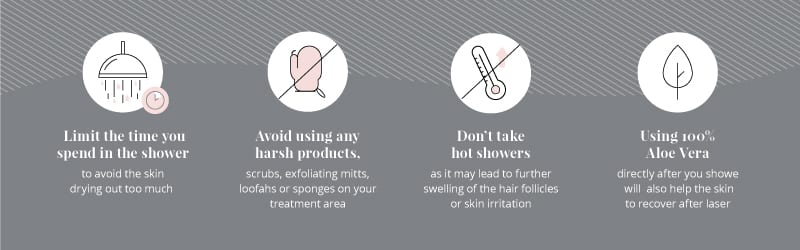
Hot tubs, saunas, and hot showers expose skin to high heat and moisture. This environment can irritate treated areas and open pores. It also raises the risk of infection by allowing bacteria to enter. Use lukewarm water for showers and stay away from hot baths until your skin heals.
High-intensity Exercise Immediately After
High-intensity exercise causes heavy sweating and friction. Sweat can trap bacteria in the hair follicles, causing bumps or infections. Tight workout clothes rub against sensitive skin, worsening irritation. Wait at least 24 to 48 hours before resuming intense workouts to protect your skin.
Credit: www.urbana.ie
Safe Post-treatment Activities
After laser hair removal, the skin needs special care. The treatment makes your skin sensitive and delicate. Proper skin care helps your skin heal faster and stay healthy. Avoiding damage or irritation is important for the best results.
Cleaning And Moisturizing
Clean your skin gently using mild soap and lukewarm water. Avoid scrubbing or using harsh products. Pat your skin dry with a soft towel, do not rub. Apply a gentle moisturizer to keep your skin hydrated. Moisturizing reduces dryness and soothes irritation. Use fragrance-free and hypoallergenic creams to avoid reactions.
Avoiding Irritants And Sun Exposure
Stay away from perfumes, deodorants, and strong chemicals on treated skin. These can cause redness or itching. Direct sun exposure can harm sensitive skin after laser. Use a broad-spectrum sunscreen with at least SPF 30. Wear protective clothing or stay in the shade. Sun protection prevents dark spots and burns. Avoid tanning beds until your skin fully heals.
Activities To Avoid
Knowing when to start exercising again after laser hair removal is crucial for your skin’s health. Exercising too soon can cause irritation and delay healing. Your skin needs time to recover from the heat and sensitivity caused by the treatment. Understanding the right time to resume your normal workout routine helps avoid complications and keeps your skin smooth and healthy.
Assessing Skin Healing Progress
Check your skin daily for any redness or swelling. If your skin looks calm and feels normal, healing is likely progressing well. Avoid exercise if you notice bumps, irritation, or pain. Healing usually takes about 24 to 48 hours, but this can vary. Watch for any signs of infection or excessive dryness. Your skin should feel comfortable before starting any physical activity.
Consulting With Your Specialist
Your laser technician or dermatologist knows your skin best. Ask them when it is safe to return to your usual exercise. They may recommend waiting longer if your skin is still sensitive. Follow their advice carefully to prevent damage. Specialists can give personalized tips based on your skin type and treatment area. Always get approval before resuming intense workouts.

Credit: barewaxingandlaser.com
Frequently Asked Questions
How Soon After Laser Hair Removal Can You Sweat?
Avoid sweating for at least 24-48 hours after laser hair removal to prevent irritation and infection. Choose light activities and wear loose clothing.
Why Can’t I Exercise Immediately After Laser Hair Removal?
Exercise raises body temperature and causes sweating, which can irritate treated skin. The laser heats hair follicles, making them sensitive. Increased heat and sweat may worsen redness, swelling, and discomfort, delaying healing and increasing infection risk.
How Long Should I Avoid Working Out Post-treatment?
It is best to avoid intense exercise for at least 24 to 48 hours after laser hair removal. This allows the skin to cool down and reduces inflammation and irritation caused by heat and friction.
Can Sweating Cause Infection After Laser Hair Removal?
Yes, sweat can trap bacteria in open follicles, increasing the risk of folliculitis or infection. Keeping the skin dry and clean post-treatment helps prevent bacterial growth and promotes faster healing.
Conclusion
Avoiding exercise after laser hair removal protects your skin’s healing process. Sweating and heat increase irritation and swelling. Tight clothes can cause friction and discomfort. Give your skin time to calm down and recover. Gentle walks or light stretching are safer choices.
Wear loose, breathable fabrics to reduce irritation. This simple care helps prevent infection and redness. Patience now means better results later. Protect your skin to enjoy smooth, hair-free skin longer.

“As the voice behind Radiant Glow Health, we are dedicated to being your ultimate wellness and vitality companion. Our mission is to inspire and guide you on your journey to a healthier and more vibrant life. Join us as we explore holistic health practices and empower you to radiate wellness from within.”