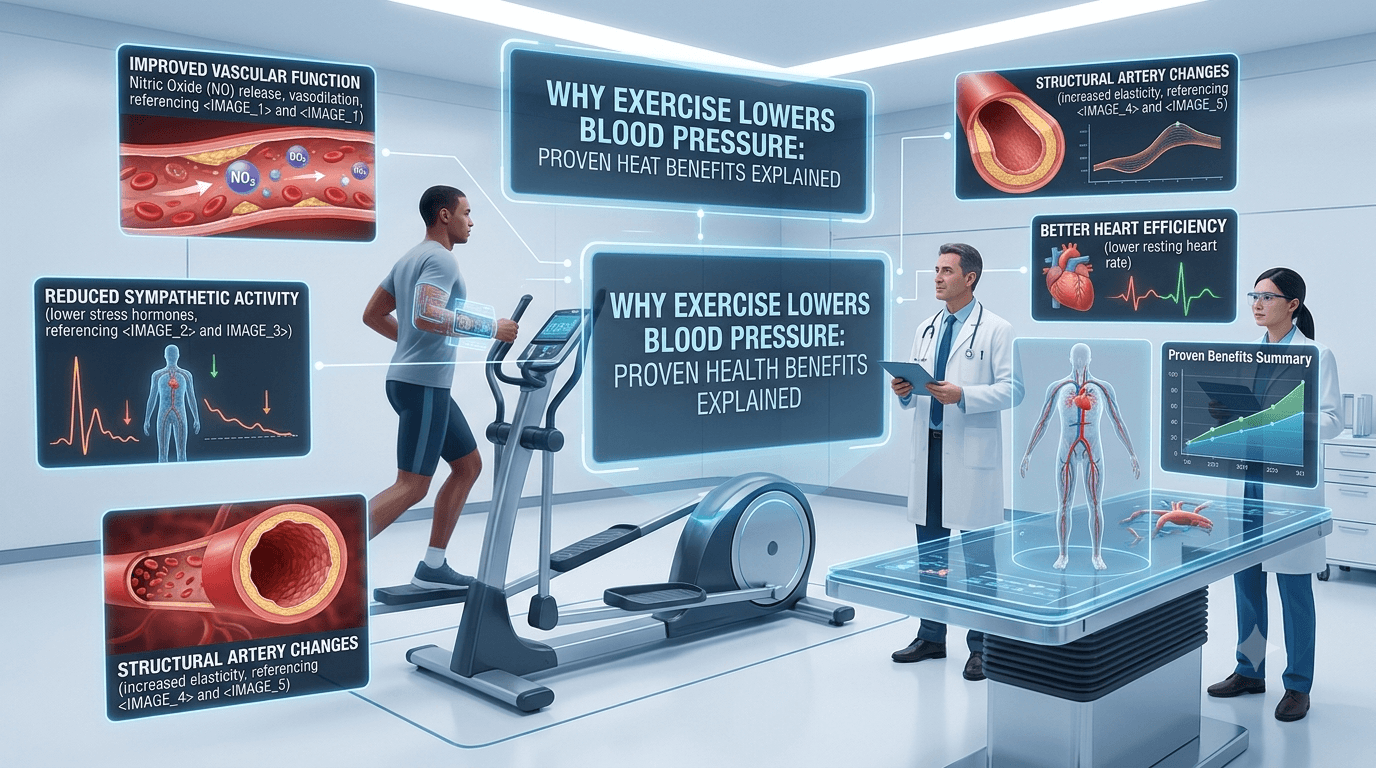
“Why Does Exercise Lower Blood Pressure”
Have you ever wondered why regular exercise is often recommended to keep your blood pressure in check? The answer lies in how your body responds to physical activity.
When you move your muscles during exercise, your heart works smarter, not harder, helping to pump blood more efficiently. This not only improves blood flow but also relaxes your blood vessels, making it easier for your heart to circulate blood.
Understanding why exercise lowers blood pressure can empower you to take control of your heart health and reduce risks naturally. Keep reading to discover the fascinating science behind this and how you can harness the power of exercise to support your blood pressure every day.
How Exercise Affects Blood Flow
Exercise changes how blood flows through your body. This affects blood pressure in many ways. Moving muscles need more oxygen and nutrients. The heart and blood vessels work harder to meet this need. These changes help lower blood pressure over time.
Understanding how exercise affects blood flow reveals why it helps control blood pressure. Below are key ways that exercise impacts circulation during and after activity.
Muscle Contractions And Blood Pumping
Muscle contractions push blood back toward the heart. This action acts like a pump. It helps veins return blood faster. Faster blood return means the heart fills with more blood. This improves blood flow and reduces pressure in the arteries.
Cardiac Output Changes During Activity
The heart beats faster and stronger during exercise. This raises cardiac output, the blood volume pumped per minute. More blood reaches muscles and organs. This increase supports body activity and lowers resistance in vessels. Lower resistance helps reduce blood pressure.
Blood Pooling Post-exercise
After exercise, muscles relax and blood flow slows. Blood can pool in the legs and arms. This pooling lowers the amount of blood returning to the heart. Less blood in the heart means less blood is pumped out. This causes a natural drop in blood pressure after exercise.
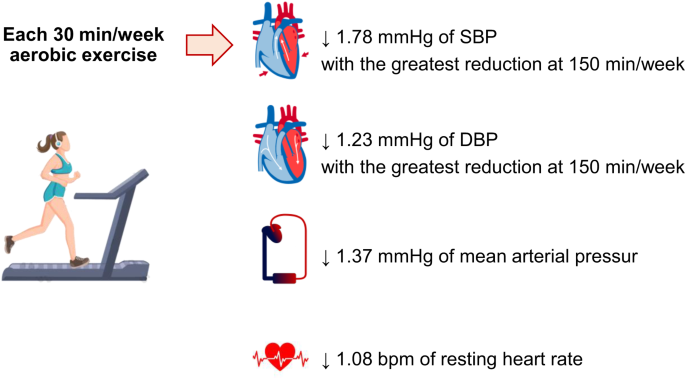
Credit: www.nature.com
Mechanisms Lowering Blood Pressure
Exercise lowers blood pressure through several important body processes. These mechanisms work together to reduce the strain on your heart and blood vessels. Understanding how exercise helps can motivate you to stay active for better heart health.
Vasodilation And Vessel Flexibility
Exercise causes blood vessels to widen, a process called vasodilation. This widening allows blood to flow more easily, reducing pressure on the vessel walls. Regular activity also improves the flexibility of blood vessels. Flexible vessels handle changes in blood flow better, which helps maintain lower blood pressure.
Nervous System Regulation
Physical activity affects the nervous system by calming the sympathetic nervous system. This system controls the “fight or flight” response that raises blood pressure. Exercise lowers its activity, leading to a slower heart rate and relaxed blood vessels. The parasympathetic nervous system, which promotes rest, becomes more active, helping to reduce blood pressure further.
Hormonal Influences From Exercise
Exercise triggers the release of hormones that affect blood pressure. For example, it increases nitric oxide, which helps blood vessels relax. It also reduces levels of stress hormones like adrenaline and cortisol. These hormonal changes support lower blood pressure and improve overall cardiovascular health.
Immediate Blood Pressure Benefits
Exercise offers immediate benefits for blood pressure. These effects start during the workout and continue afterward. Understanding these changes helps explain why regular exercise supports heart health. The body reacts quickly to physical activity, improving blood flow and reducing blood pressure.
Effects During Exercise Sessions
During exercise, muscles contract and push blood back to the heart. This action helps the heart pump blood more efficiently. Blood vessels widen to allow more blood flow. These changes lower resistance in the arteries. Even though the heart beats faster, the overall blood pressure can drop or stay steady. This effect helps reduce strain on the heart during activity.
Post-exercise Blood Pressure Drop
After exercise, blood pressure often falls below normal levels. This drop is called post-exercise hypotension. Blood vessels stay relaxed and open for some time. The heart pumps less forcefully while still supplying enough blood. This rest period allows blood pressure to stay lower for hours. Regular workouts make this effect stronger and longer-lasting.
Role Of Deep Breathing And Relaxation
Deep breathing during and after exercise calms the nervous system. Slow breaths lower heart rate and help blood vessels relax. Relaxation techniques like stretching or meditation enhance this effect. A calm body means less tension in blood vessels. This relaxation contributes to the immediate drop in blood pressure. Combining exercise with breathing exercises boosts the benefits.
Credit: www.youtube.com
Long-term Exercise Effects
Regular exercise brings lasting benefits to your blood pressure. Over time, your body adapts to physical activity. These changes help lower blood pressure naturally. The effects go beyond just the workout session. Consistent exercise improves heart function, blood vessel health, and body weight control.
Improved Heart Efficiency
Exercise trains your heart to work better with less effort. It pumps more blood per beat. This reduces the number of beats per minute. A stronger heart lowers the pressure on arteries. The heart becomes more efficient, so blood flows smoothly. This efficiency helps keep blood pressure low over time.
Reduced Arterial Stiffness
Arteries tend to stiffen with age, raising blood pressure. Exercise helps keep arteries flexible and elastic. Flexible arteries absorb blood flow pressure better. This reduces resistance and lowers blood pressure. Physical activity promotes healthy blood vessels and better circulation.
Weight Management And Blood Pressure
Excess weight stresses the heart and raises blood pressure. Exercise burns calories and supports weight loss. Maintaining a healthy weight helps control blood pressure. Even small weight reductions can make a big difference. Regular activity is key to long-term weight and blood pressure control.
Lifestyle Factors Supporting Exercise
Exercise is a powerful tool for lowering blood pressure. Its effects become even stronger when combined with healthy lifestyle choices. These factors support your body and help maintain steady blood pressure levels over time. Small changes can make a big difference in how exercise benefits your heart and vessels.
Dietary Choices Enhancing Benefits
What you eat affects your blood pressure directly. Foods rich in potassium, like bananas and spinach, help balance sodium. Reducing salt intake lowers pressure on blood vessels. Whole grains, fruits, and vegetables provide nutrients that improve heart health. Avoiding processed foods keeps your arteries clear and flexible. Drinking enough water also supports healthy circulation and exercise performance.
Stress Reduction Techniques
Stress raises blood pressure by tightening blood vessels. Relaxation methods calm the nervous system and open vessels. Deep breathing slows the heart rate and reduces tension. Meditation and mindfulness help keep stress levels low daily. Gentle activities like yoga combine movement and relaxation. Lower stress means exercise can work better to lower blood pressure.
Consistency And Routine
Regular exercise builds lasting benefits for blood pressure. A set schedule makes it easier to keep moving. Short, daily sessions often work better than long, irregular workouts. Consistency strengthens the heart and improves vessel function over time. Pairing exercise with good habits creates a strong routine. This steady approach supports healthy blood pressure every day.
Safe Exercise Practices For Blood Pressure
Exercise helps lower blood pressure effectively. Safe exercise practices keep your heart and body protected. Following simple steps can make workouts better and safer for blood pressure control.
Monitoring Blood Pressure During Workouts
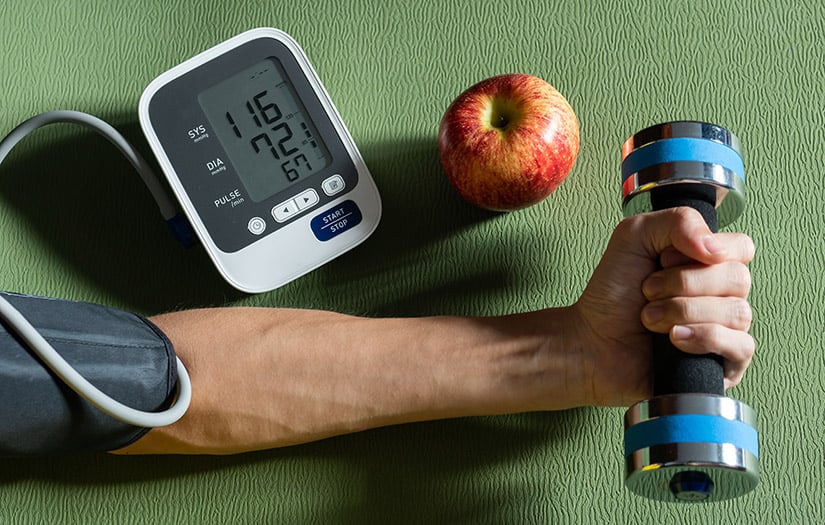
Check your blood pressure before starting exercise. Use a reliable monitor at home or gym. Track changes during and after activity to avoid risks. Keep a log to share with your doctor. This helps adjust your exercise plan safely.
Recognizing Warning Signs
Watch for dizziness, chest pain, or severe shortness of breath. Stop exercising immediately if you feel these symptoms. Also, notice unusual fatigue or pounding headache. These signs mean your blood pressure may be too high. Seek medical advice before continuing workouts.
Adjusting Intensity And Duration
Start with low to moderate exercise intensity. Gradually increase time and effort as your body adapts. Avoid sudden intense or long sessions that strain your heart. Choose activities like walking, swimming, or cycling for best results. Balance exercise with rest to keep blood pressure steady.
Additional Tips To Lower Blood Pressure Quickly
Lowering blood pressure quickly involves more than just exercise. Simple daily habits also play a key role. These tips help support healthy blood pressure levels fast and naturally. Small changes can make a big difference in how you feel and your heart health.
Hydration And Potassium Intake
Drinking enough water keeps your blood vessels flexible. Proper hydration helps your heart pump blood easier. Potassium balances the amount of salt in your body. Eating potassium-rich foods like bananas and spinach supports healthy blood pressure. These nutrients work together to ease pressure on your arteries.
Gentle Movements And Isometric Exercises
Light activities such as walking or shoulder rolls improve blood flow. Gentle movements relax your blood vessels and lower pressure. Isometric exercises, like squeezing a handgrip, activate muscles without much movement. These exercises help reduce blood pressure by strengthening your circulation slowly and safely.
Relaxation Methods
Stress can raise blood pressure quickly. Deep breathing calms your nervous system and slows your heart rate. Taking a warm bath or lying down in a quiet room helps your body relax. Meditation or simple mindfulness exercises reduce tension and support steady blood pressure. Rest and calmness ease the strain on your heart.
When To Seek Medical Help
Exercise helps lower blood pressure by improving heart and blood vessel health. Still, some situations need medical attention. Knowing when to seek medical help can prevent serious problems.
Understanding the warning signs of a hypertensive crisis is essential. Quick action can save lives and avoid lasting damage.
Symptoms Of Hypertensive Crisis
A hypertensive crisis means dangerously high blood pressure. Symptoms include severe headache, chest pain, and shortness of breath. You may also feel blurred vision, nosebleeds, or confusion. Sudden weakness or numbness, especially on one side, is a critical sign. These symptoms need urgent medical care.
Emergency Response Guidelines
Call emergency services immediately if these symptoms appear. Do not wait or try to self-treat at home. Sit down and stay calm while waiting for help. Avoid any physical activity or stress. Follow the instructions given by medical professionals carefully. Early treatment reduces risks of stroke or heart attack.
Preventing Complications
Regular exercise keeps blood pressure in a healthy range. Take all prescribed medications as directed by your doctor. Monitor your blood pressure at home to catch changes early. Maintain a balanced diet low in salt and rich in fruits and vegetables. Avoid smoking and limit alcohol intake. Manage stress through relaxation techniques like deep breathing or meditation. Keep regular checkups to track your heart health.
Credit: blog.nasm.org
Frequently Asked Questions
Why Does Blood Pressure Decrease When Exercising?
Blood pressure decreases during exercise because muscles contract, improving blood flow and reducing resistance in vessels. This lowers overall pressure.
What Is The Fastest Thing To Lower Blood Pressure?
Deep breathing, drinking water, relaxing in a warm bath, mild walking, and isometric hand squeezes lower blood pressure fastest.
Can High Blood Pressure Cause Vomiting?
Yes, extremely high blood pressure can trigger vomiting by affecting brain blood vessels. Seek emergency care if vomiting occurs with severe headache, chest pain, or vision changes.
How Long Does It Take For Regular Exercise To Lower Your Blood Pressure?
Regular exercise can lower blood pressure within 4 to 12 weeks. Consistent workouts improve heart efficiency and blood vessel health.
Conclusion
Exercise helps the heart work more efficiently. This lowers the pressure in your blood vessels. Muscles contract and push blood back to the heart. Over time, regular exercise keeps blood vessels flexible. Flexible vessels reduce resistance and lower blood pressure.
Exercise also helps reduce stress, which affects blood pressure. Simple activities like walking can make a big difference. Staying active is key to managing blood pressure naturally. Small steps can lead to better heart health. Keep moving and take care of your body daily.

“As the voice behind Radiant Glow Health, we are dedicated to being your ultimate wellness and vitality companion. Our mission is to inspire and guide you on your journey to a healthier and more vibrant life. Join us as we explore holistic health practices and empower you to radiate wellness from within.”