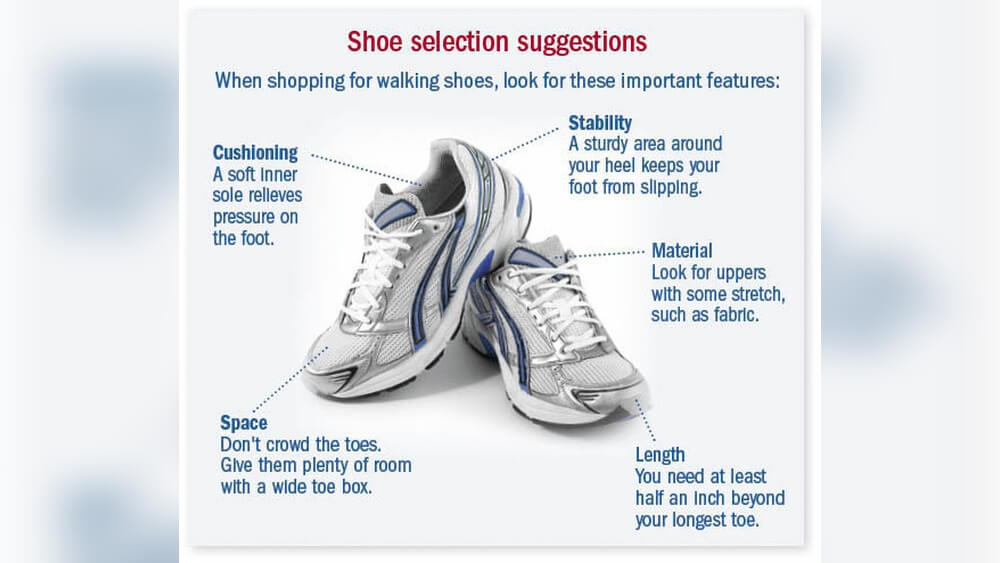
When it comes to exercise shoes, choosing the right pair can make all the difference in your performance and comfort. You might think any athletic shoe will do, but your feet need more than just style—they need support, stability, and protection tailored to your workout.
Imagine pushing through your routine without worrying about sore feet or slipping. What if your shoes could help you move better and reduce injury risk? You’ll discover the important features that exercise shoes must have, so you can pick the perfect pair that fits your activity and keeps you going strong.
Ready to step up your game? Let’s dive in.
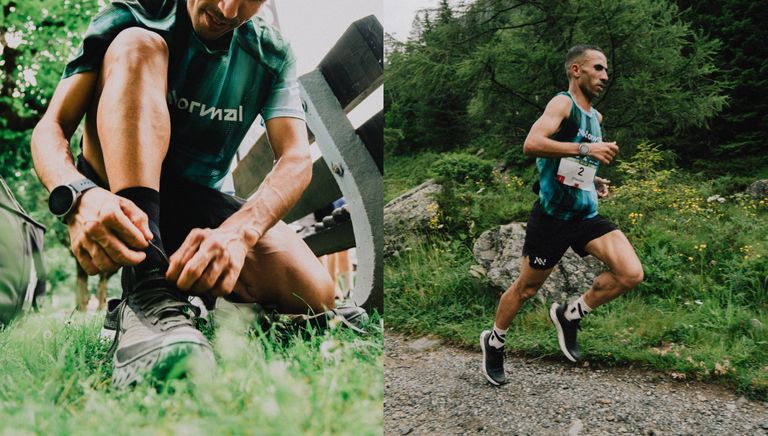
Credit: www.nnormal.com
Sole Stability
The sole of an exercise shoe plays a vital role in maintaining balance and support. Good sole stability helps protect your feet and joints during workouts. Different activities need different types of sole support. Understanding these can help you pick the right shoe for your exercise routine.
Flat Soles For Lifting
Flat soles provide a solid base for weightlifting. They keep your feet close to the ground for better balance. This stability helps you lift heavier weights safely. Shoes with flat soles reduce the risk of slipping or rolling your ankle.
Shock Absorption For Running
Running shoes need soles that absorb shock well. Soft and cushioned soles reduce impact on your knees and hips. They help prevent injuries from repetitive stress. Good shock absorption also makes running more comfortable over long distances.
Firm Heel Counters
Heel counters are stiff parts around the back of the shoe. A firm heel counter keeps your heel in place. This stops your foot from sliding inside the shoe during movement. It adds extra stability and support, especially during quick turns or jumps.
Cushioning And Comfort
Cushioning and comfort are key for any exercise shoe. They protect your feet and keep you going longer. Good cushioning helps reduce pain and fatigue during workouts. Comfort ensures a better fit and prevents blisters or soreness.
Impact Absorption
Exercise shoes must absorb shock from each step. Impact absorption lowers stress on your joints. It helps avoid injuries during running or jumping. Shoes with good cushioning materials soften every landing. This keeps your feet safe and comfortable.
Lightweight Materials
Heavy shoes can slow you down and tire your feet. Lightweight materials make shoes easier to wear all day. They reduce pressure on your legs and improve movement. Many exercise shoes use foam or mesh to stay light. This adds comfort without losing support.
Breathability Features
Breathable shoes keep your feet dry and cool. They allow air to flow inside the shoe. This prevents sweat and bad odors. Mesh panels and ventilation holes are common features. Breathability also lowers the risk of skin problems during exercise.
Fit And Support
Fit and support are key features of exercise shoes. They protect your feet and improve performance. Shoes that fit well reduce injury risks. Support keeps your feet stable during movement. Both factors work together for comfort and safety.
Proper Arch Support
Arch support helps distribute weight evenly. It reduces strain on your feet and legs. Different feet need different support types. Flat feet require more cushioning. High arches need extra stability. Good arch support prevents pain and fatigue.
Toe Box Space
The toe box is the front part of the shoe. It should have enough room for your toes to move. Tight toe boxes cause blisters and discomfort. Too much space causes slipping. Proper toe box space helps balance and comfort.
Width Considerations
Shoes come in various widths to fit different feet. Narrow shoes pinch and cause pressure points. Wide shoes can cause instability. Choose a width that holds your foot snugly. Proper width support improves control and comfort.
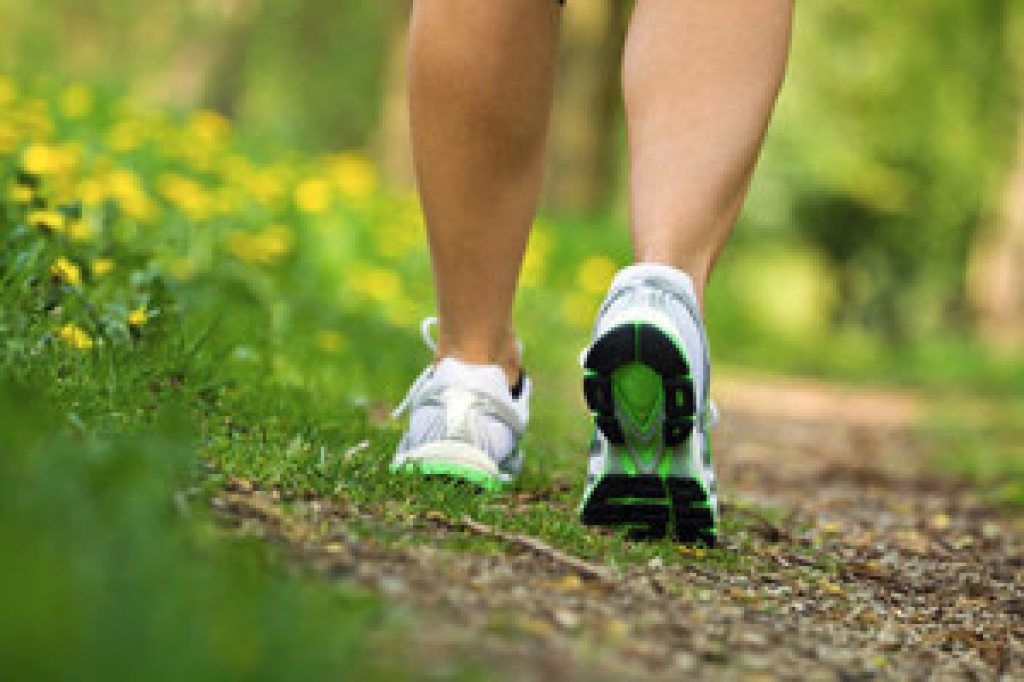
Credit: www.drjenniferkern.com
Traction And Grip
Traction and grip play a vital role in exercise shoes. They help keep your feet steady and prevent slipping. Good traction allows you to move confidently on different surfaces. Grip ensures safety during quick turns and sudden stops. These features support better performance and reduce injury risks.
High-grip Outsoles
High-grip outsoles provide strong contact with the ground. They use special rubber compounds for extra stickiness. The outsole pattern often includes deep grooves or lugs. These designs improve friction and help you stay balanced. Shoes with high-grip outsoles work well on gym floors, tracks, and trails.
Surface Adaptability
Surface adaptability means the shoe can handle various terrains. Some shoes perform well on smooth indoor surfaces. Others offer traction on rough outdoor trails or wet pavement. Flexible outsoles and smart tread patterns adjust to surface changes. This feature ensures your shoes remain reliable in different workout environments.
Activity-specific Designs
Exercise shoes come in many designs, each made for a specific activity. Wearing the right shoes helps improve performance and reduce injury risk. Activity-specific designs focus on features that match how you move and what you do.
These shoes support your feet in different ways. They offer the right balance of cushioning, stability, and grip. Choosing shoes made for your activity type makes workouts safer and more comfortable.
Weightlifting Shoes
Weightlifting shoes have a firm, flat sole. This design helps you stay stable during heavy lifts. They often include a small heel lift to improve squat depth and posture. A wide toe box provides room for balance. The shoes keep your feet firmly on the ground, reducing wobble.
Cross-training Footwear
Cross-training shoes suit varied workouts like jumping and running. They combine cushioning with support for side-to-side movement. The soles have good grip to prevent slipping. These shoes are flexible yet stable for quick changes in direction. Breathable materials keep your feet cool during intense sessions.
Running Shoes
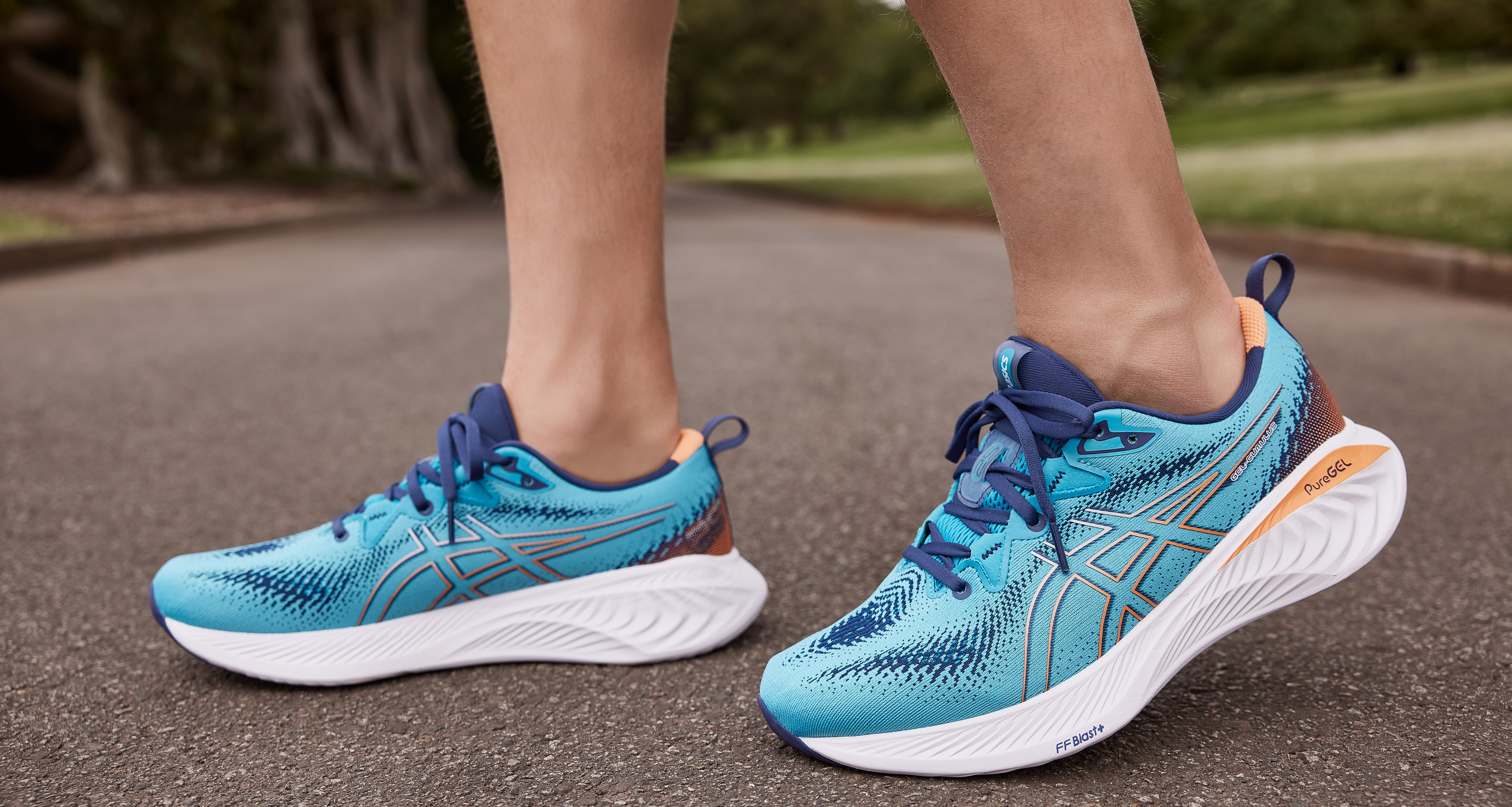
Running shoes focus on shock absorption and forward motion. They offer extra cushioning to protect joints from impact. The soles bend easily to match your foot’s natural stride. Heel counters add support and control to reduce overpronation. Lightweight materials help you run faster and longer with less fatigue.
Credit: runkeeper.com
Durability And Materials
Durability and materials shape the quality of exercise shoes. These features ensure shoes last longer and perform well during workouts. Choosing shoes made with strong materials protects feet and supports different movements. Good materials also keep shoes comfortable and fresh.
Breathable Fabrics
Breathable fabrics allow air to flow inside the shoe. This stops sweat from building up and keeps feet dry. Dry feet reduce the risk of blisters and bad odors. Common breathable materials include mesh and knit fabrics. These fabrics are light and flexible, adding comfort during exercise.
Reinforced Areas
Reinforced areas protect parts of the shoe that wear out fast. The toe box, heel, and sides often get extra support. Reinforcements use tougher materials like rubber or synthetic leather. This helps the shoe hold its shape and resists damage. Strong reinforcements make shoes last longer in tough workouts.
Lightweight Construction
Lightweight shoes reduce foot fatigue during long workouts. Materials like foam and lightweight mesh keep shoes light. A light shoe makes moving easier and faster. It also lowers stress on joints and muscles. Balance between lightness and support is key for best performance.
Common Mistakes To Avoid
Choosing the right exercise shoes is key to comfort and performance. Many people make avoidable errors when picking their workout footwear. These mistakes can cause discomfort and even injury. Avoiding these common pitfalls helps you get the most from your workouts.
Using Running Shoes For Lifting
Running shoes have soft, cushioned soles designed for forward motion. This cushioning can reduce stability during weightlifting. Lifting requires a flat, firm sole to keep balance and support heavy weights. Using running shoes for lifting can lead to poor form and injury risks.
Choosing Casual Sneakers
Casual sneakers look stylish but lack workout support. They often miss features like shock absorption and arch support. These shoes can cause foot pain and fatigue during exercise. Picking shoes meant for sports ensures better comfort and injury prevention.
Ignoring Foot Type Needs
Everyone’s feet are different. Some have flat feet, others high arches. Ignoring your foot type can cause discomfort and reduce shoe effectiveness. Choose shoes that match your foot’s arch and shape. Proper fit improves stability and reduces injury chances.
Frequently Asked Questions
What Is A Recommended Feature Of A Good Exercise Shoe?
A good exercise shoe should offer cushioning for shock absorption, stability in the heel, flexibility, proper arch support, and good traction. It must fit snugly with enough toe space and use breathable materials for comfort during workouts.
What Are The Features Of Gym Shoes?
Gym shoes feature flat, stable soles for support, wide toe boxes for even weight distribution, high-grip rubber outsoles, and breathable materials for comfort. They offer cushioning, flexibility, and proper arch support tailored to your workout type, ensuring safety and enhanced performance.
What Are The Features Of Athletic Shoes?
Athletic shoes feature cushioning for shock absorption, flexibility for movement, breathability for comfort, stability for support, and proper traction for grip. They also offer arch support and a snug fit to enhance performance and prevent injuries during various sports activities.
What Should I Look For In Workout Shoes?
Choose workout shoes based on your activity type and foot arch. Prioritize stability for lifting, cushioning for cardio, and good traction. Ensure a snug fit with proper toe space and arch support. Select breathable materials for comfort and durable soles for grip and flexibility.
Conclusion
Choosing the right exercise shoes boosts comfort and protects your feet. Focus on cushioning to absorb shock during movement. Look for good arch support to avoid pain and injury. Stability helps maintain balance, especially in weightlifting or dynamic workouts. Breathable materials keep feet dry and cool during exercise.
Proper fit ensures no slipping or pinching while you move. The right shoe type matches your main activity and foot shape. Wearing suitable exercise shoes improves performance and reduces injury risk. Select shoes thoughtfully for a safer, more enjoyable workout experience.

“As the voice behind Radiant Glow Health, we are dedicated to being your ultimate wellness and vitality companion. Our mission is to inspire and guide you on your journey to a healthier and more vibrant life. Join us as we explore holistic health practices and empower you to radiate wellness from within.”