Are you looking for a simple way to boost your energy, improve your mood, and protect your health? The answer lies in physical activity and exercise.
You might think exercise is just about looking good, but it’s much more than that. It shapes how you feel, think, and live every day. When you move your body regularly, you’re not only burning calories—you’re strengthening your heart, sharpening your mind, and even sleeping better at night.
Imagine having more confidence, less stress, and a stronger body that supports your goals. You’ll discover why physical activity is one of the most powerful tools you have to improve your life, and how making it part of your routine can change everything for the better. Keep reading to learn how to unlock these benefits and take charge of your health starting today.

Credit: www.guardian.in
Benefits For Physical Health
Physical activity and exercise play a vital role in maintaining and improving overall physical health. Engaging in regular movement helps the body function better every day. The benefits touch many parts of the body, from muscles to the heart and digestive system. Staying active supports a healthier, stronger body with fewer health risks.
Weight Management
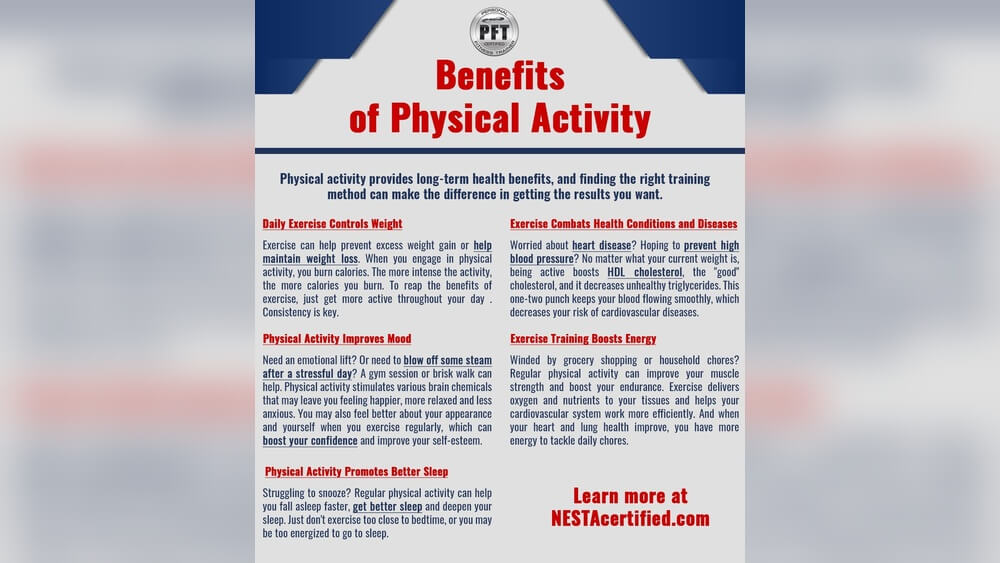
Exercise helps control body weight by burning calories. It increases the metabolism, allowing the body to use energy more efficiently. Regular physical activity reduces excess fat and builds lean muscle. This balance helps prevent obesity and related health issues.
Disease Prevention
Physical activity lowers the risk of many chronic diseases. It reduces chances of heart disease, diabetes, and certain cancers. Exercise strengthens the immune system, making the body more resilient. Staying active keeps the body healthier and less prone to illness.
Stronger Muscles And Bones
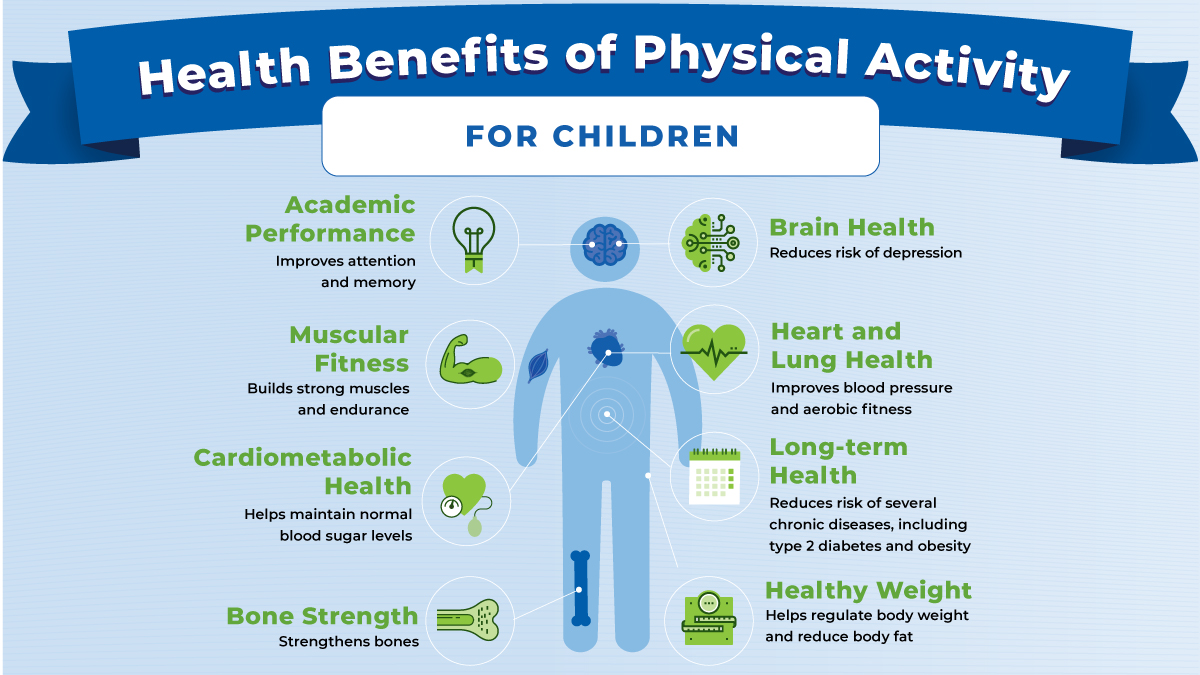
Exercise builds muscle strength and improves bone density. Weight-bearing activities like walking or lifting help bones stay strong. Strong muscles support joints and reduce injury risk. This leads to better balance and mobility as we age.
Improved Cardiovascular Health
Physical activity strengthens the heart and improves circulation. It lowers blood pressure and reduces bad cholesterol levels. Exercise helps the heart pump blood more efficiently. This supports overall heart health and lowers the risk of stroke and heart attack.
Better Digestion
Exercise stimulates the digestive system and improves gut health. Movement helps food travel through the digestive tract faster. This reduces bloating, constipation, and other digestive issues. Better digestion means the body absorbs nutrients more effectively.
Mental Health Advantages
Physical activity and exercise bring many mental health advantages. Moving your body helps your mind feel better and stronger. These benefits support your daily mood and overall happiness. Regular exercise can reduce feelings of sadness and worry. It also helps manage stress and improves how well you sleep. Your brain works better, too. Here are some key mental health benefits of staying active.
Reduced Depression And Anxiety
Exercise can lower symptoms of depression and anxiety. It releases chemicals in the brain that lift your mood. Physical activity distracts from negative thoughts and worries. Even a short walk can help clear your mind. Regular movement builds resilience against stress and sadness.
Enhanced Mood
Exercise boosts the production of endorphins, the body’s natural mood lifters. You feel happier and more energized after physical activity. This uplift lasts for hours, helping you stay positive. Staying active can reduce feelings of irritability and frustration.
Stress Management
Physical activity helps reduce stress hormones like cortisol. It calms the nervous system and relaxes your body. Exercise gives your mind a break from daily pressures. This break helps you face challenges with a clearer head. Moving regularly lowers tension and improves emotional balance.
Improved Sleep Quality
Exercise helps you fall asleep faster and sleep deeper. Better sleep supports mental clarity and emotional stability. Physical activity regulates your body’s internal clock. You wake up feeling more refreshed and ready for the day. Good sleep reduces risks of mental health problems.
Boosted Cognitive Function
Exercise improves memory, attention, and thinking skills. It increases blood flow to the brain, nourishing brain cells. Staying active helps protect against cognitive decline with age. Physical activity also encourages the growth of new brain connections. This keeps your mind sharp and focused.
Social And Lifestyle Impact
Physical activity and exercise influence more than just the body. They shape social lives and daily habits. This impact improves overall well-being and quality of life. Engaging in regular exercise creates opportunities to meet new people and build friendships. It also helps develop confidence and encourages healthier lifestyle choices that last.
Building Social Connections
Exercise often happens in groups or teams. This setting allows people to connect with others who share similar interests. Group workouts, sports clubs, and fitness classes foster a sense of community. These connections reduce feelings of loneliness and isolation. Social support from exercise groups can motivate people to stay active.
Increased Confidence And Self-esteem
Physical activity helps improve body image and self-worth. Achieving fitness goals brings a sense of accomplishment. Regular exercise releases chemicals in the brain that boost mood and reduce stress. Feeling stronger and healthier builds confidence. This improved self-esteem affects all areas of life, including work and relationships.
Healthier Daily Habits
Exercise encourages people to make better choices in daily routines. Active individuals often eat healthier and get better sleep. Regular movement increases energy levels and reduces fatigue. These positive changes create a cycle of good habits. Over time, these habits improve overall health and reduce the risk of illness.
Longevity And Life Expectancy
Staying active helps add years to life. Exercise lowers the risk of chronic diseases like heart disease and diabetes. It also supports healthy weight and strong bones. Being physically active improves mental health and cognitive function. These benefits contribute to a longer and better quality of life.
Exercise Types And Their Effects
Exercise includes different types, each offering unique benefits. Understanding these types helps choose activities that improve health and well-being. Physical activity is not just about moving but about how the body changes and grows stronger.
Different exercises target different parts of the body and mind. Some improve heart health, others build muscles, increase flexibility, or enhance balance. Let’s explore the main exercise types and their effects.
Aerobic Activities
Aerobic activities increase heart rate and breathing. Examples include walking, running, cycling, and swimming. These exercises improve cardiovascular health and lung capacity. They also help burn calories and reduce body fat. Aerobic exercise boosts energy and reduces the risk of heart disease and diabetes.
Strength Training
Strength training builds muscle power using weights or resistance bands. It improves bone density and boosts metabolism. Strong muscles protect joints and reduce injury risks. This type of exercise also helps maintain a healthy weight and increases body strength. Strength training supports daily activities and improves posture.
Flexibility Exercises
Flexibility exercises stretch muscles and increase joint movement. Yoga and stretching are common examples. These exercises reduce muscle stiffness and lower the chance of injury. Flexibility work improves posture and eases daily movements. It can also relieve stress and promote relaxation.
Balance And Coordination Workouts
Balance workouts improve stability and body control. Activities like tai chi and balance drills help prevent falls. Coordination exercises enhance how the brain and muscles work together. Better balance and coordination increase confidence in movement. These workouts support independence, especially as we age.
Incorporating Activity Into Daily Life
Incorporating physical activity into daily life boosts health and energy. It helps control weight, improves mood, and strengthens muscles. Small changes in habits can make a big difference over time.
Finding easy ways to stay active fits any schedule. Setting goals keeps motivation strong. Understanding and overcoming challenges leads to lasting habits. Consistency is key for long-term benefits.
Simple Ways To Stay Active
Walk or bike instead of driving for short trips. Take the stairs instead of the elevator. Do stretching or light exercises during breaks. Play active games with family or friends. Use household chores as a way to move more.
Setting Realistic Goals
Start with small, achievable steps. Aim for 10 to 15 minutes of activity daily. Gradually increase time and intensity. Celebrate progress to stay encouraged. Adjust goals based on how your body feels.
Overcoming Barriers
Identify what stops you from being active. Plan activities that fit your lifestyle and preferences. Find support from friends or groups. Keep a backup plan for bad weather or busy days. Focus on the benefits to stay motivated.
Maintaining Consistency
Schedule activity like any important task. Create reminders to stay on track. Mix different activities to avoid boredom. Track progress to see improvement. Reward yourself for sticking to your routine.
Credit: www.cdc.gov

Credit: littletikescommercial.com
Frequently Asked Questions
What Is The Importance Of Exercise And Physical Activity?
Exercise and physical activity improve heart health, boost mood, strengthen muscles, and reduce risks of chronic diseases. They enhance mental clarity and increase lifespan.
What Are The 7 Benefits Of Physical Activity?
Physical activity boosts heart health, strengthens muscles, improves mood, aids weight control, enhances brain function, supports digestion, and increases life expectancy.
What Are The 10 Benefits Of Physical Activity?
Physical activity boosts heart health, strengthens muscles, controls weight, improves mood, enhances sleep, increases energy, supports brain function, reduces disease risk, promotes longevity, and fosters social connections.
What Are 20 Benefits Of Physical Activity?
Physical activity boosts heart health, strengthens muscles, improves mood, aids weight control, enhances sleep, reduces disease risk, sharpens brain function, and increases lifespan. It lowers stress, supports digestion, builds stamina, improves skin, raises energy, and fosters social connections. Regular exercise promotes overall well-being and mental clarity.
Conclusion
Regular physical activity boosts both body and mind health. It strengthens muscles, improves heart function, and supports weight control. Exercise helps reduce risks of many chronic diseases. It also lifts mood and eases stress and anxiety. Staying active improves sleep quality and brain sharpness.
Small daily movements add up to big health gains. Everyone can find ways to move more each day. Choose activities you enjoy to keep motivated. A healthy lifestyle starts with simple, consistent exercise. Your body and mind will thank you for it.

“As the voice behind Radiant Glow Health, we are dedicated to being your ultimate wellness and vitality companion. Our mission is to inspire and guide you on your journey to a healthier and more vibrant life. Join us as we explore holistic health practices and empower you to radiate wellness from within.”