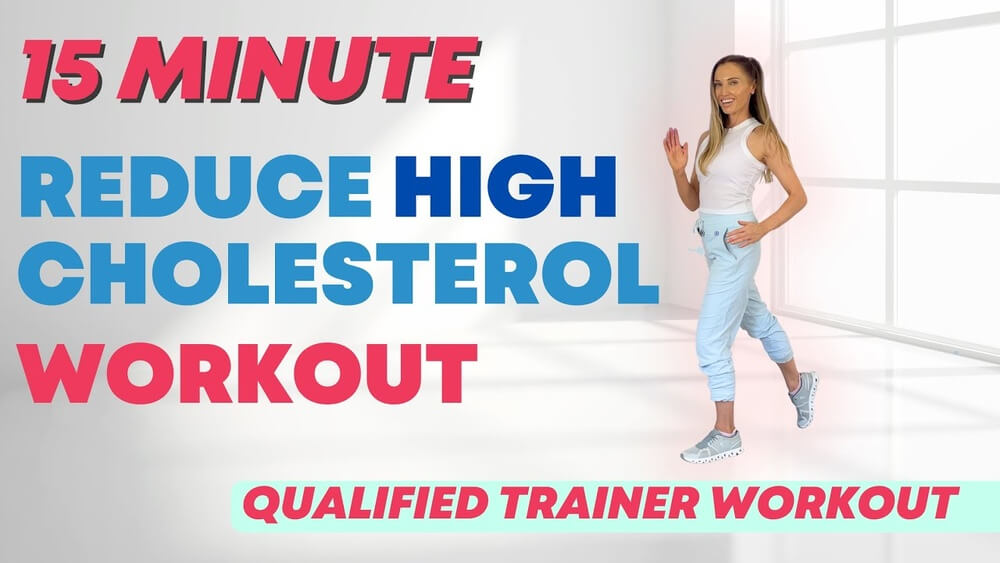
Are you concerned about your cholesterol levels and wondering how you can take control of your heart health? You might be surprised to learn that regular exercise is one of the most powerful tools you have to lower cholesterol naturally.
When you get moving, your body starts working smarter—boosting the “good” HDL cholesterol that helps clear out the harmful “bad” LDL cholesterol from your arteries. This not only prevents dangerous plaque buildup but also improves how your heart functions every single day.
Keep reading to discover exactly how exercise transforms your cholesterol profile and which simple workouts can make a big difference in your life. Your heart will thank you!

Credit: www.drlogy.com
Exercise And Cholesterol
Exercise plays a key role in managing cholesterol levels. It helps balance good and bad cholesterol in the body. Regular physical activity supports heart health by improving how cholesterol works and moves in the bloodstream.
Understanding how exercise affects cholesterol can motivate healthy habits. Simple workouts can lead to big changes in cholesterol quality and quantity.
Raising Hdl Levels
HDL is known as “good” cholesterol. It removes excess cholesterol from the arteries. Exercise raises HDL levels, improving this cleanup process. Higher HDL means less cholesterol buildup in blood vessels.
Lowering Ldl Levels
LDL is called “bad” cholesterol because it clogs arteries. Exercise lowers LDL by helping the body use fat for energy. It also boosts enzymes that clear LDL from the bloodstream. This reduces the risk of heart disease.
Changing Ldl Particle Size
LDL particles come in different sizes. Smaller, denser particles cause more damage. Exercise increases the size of LDL particles. Larger particles are less likely to stick to artery walls. This change protects the heart.
Using Fat For Energy
Active muscles burn more fat during exercise. This lowers the amount of fat in the blood. Using fat for energy reduces harmful cholesterol levels. It also improves overall metabolism and body weight.
Enhancing Hdl Quality
Exercise improves the function of HDL particles. Better HDL can remove cholesterol more efficiently. It also helps fight inflammation in the arteries. Enhanced HDL quality boosts heart health beyond just raising levels.
Credit: health.clevelandclinic.org
Best Exercises For Heart Health
Exercise plays a vital role in maintaining heart health by lowering cholesterol levels. Choosing the right types of exercise can make a big difference in improving your heart function and reducing risks. The best exercises focus on increasing your heart rate and building muscle, which help manage cholesterol effectively.
Cardio Activities
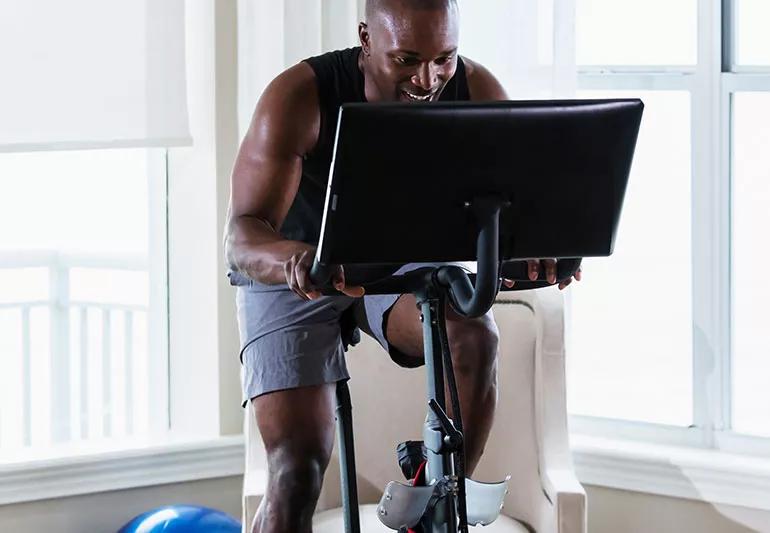
Cardio exercises raise your heart rate and improve blood circulation. Activities like walking, jogging, cycling, and swimming are excellent choices. These exercises boost the “good” HDL cholesterol that helps clear harmful LDL cholesterol from your arteries. Regular cardio also helps your body use fat for energy, lowering overall cholesterol levels.
Strength Training Benefits
Strength training builds muscle and increases metabolism. Using weights or bodyweight exercises like push-ups and squats supports heart health. Strong muscles help your body burn more fat even when resting. This reduces bad cholesterol and improves your cholesterol balance. Strength training also supports better blood sugar control, which benefits your heart.
Consistency And Duration
Exercising regularly is key to lowering cholesterol. Aim for at least 150 minutes of moderate exercise each week. Short sessions of 10 to 15 minutes several times a day can add up. Consistency helps your body maintain higher HDL levels and reduces LDL cholesterol over time. Avoid long breaks between workouts to keep heart benefits steady.
How Long To See Results
Exercise is a proven way to lower cholesterol. Many wonder how long it takes to see changes. The answer varies and depends on several factors. Patience and consistency are essential. Regular exercise can lead to noticeable improvements in cholesterol levels over time. Understanding the expected timeframe helps set realistic goals and stay motivated.
Timeframe For Cholesterol Changes
Most people see initial changes in cholesterol within 4 to 6 weeks of starting exercise. The body begins to increase HDL, the “good” cholesterol, during this period. LDL, the “bad” cholesterol, may start to decrease as muscles use fat for energy. Greater improvements often appear after 3 months of steady activity. Long-term exercise supports lasting heart health benefits.
Factors Affecting Improvement
Several factors affect how quickly cholesterol improves. Age plays a role, with younger people often responding faster. Exercise intensity and type also matter. Aerobic activities like walking, jogging, or cycling are especially effective. Diet impacts results too. A healthy diet combined with exercise speeds up cholesterol changes. Genetics and current health conditions influence individual progress. Staying consistent helps overcome these challenges.

Credit: www.youtube.com
Additional Tips For Lowering Cholesterol
Lowering cholesterol involves more than just exercise. Small changes in diet and lifestyle can enhance heart health. These tips work well alongside your workout routine. They help improve cholesterol numbers faster and keep them steady.
Incorporating Whey Protein
Whey protein comes from milk and is rich in nutrients. It may help reduce bad cholesterol levels. Whey supports muscle growth and fat loss, which benefit heart health. Adding whey protein to your meals can improve your cholesterol profile. Choose low-fat or non-fat whey powders to avoid extra saturated fats.
Combining Diet And Exercise
A healthy diet supports exercise in lowering cholesterol. Eat more fruits, vegetables, and whole grains. These foods provide fiber that helps remove cholesterol from the body. Limit foods high in saturated and trans fats. Balance meals with lean proteins and healthy fats like nuts and olive oil. Regular physical activity plus smart eating leads to better cholesterol control.
Frequently Asked Questions
Why Does Exercise Reduce Cholesterol?
Exercise reduces cholesterol by raising HDL, which removes LDL from arteries. It also improves fat use for energy and enlarges LDL particles, lowering plaque risk and enhancing heart health.
How Long Do You Need To Exercise To Lower Cholesterol?
Exercise for at least 30 minutes, five days a week to effectively lower cholesterol. Consistent moderate cardio and strength training improve HDL and reduce LDL levels.
How Does Exercise Reduce Cholesterol Levels?
Exercise increases “good” HDL cholesterol, which removes “bad” LDL from arteries. It also improves LDL particle size and uses fat for energy, reducing harmful cholesterol and preventing artery plaque buildup.
What Types Of Exercise Lower Cholesterol Best?
Moderate cardio and strength training are most effective. Cardio boosts HDL and fat burning, while strength training builds muscle and enhances metabolism, both helping to lower cholesterol levels.
Conclusion
Exercise plays a vital role in lowering cholesterol naturally. It raises good HDL cholesterol, which helps remove bad LDL from the body. Physical activity also changes LDL particles, making them less harmful. Muscles use fat for energy during exercise, reducing fat in the blood.
Regular workouts improve heart health and prevent plaque buildup in arteries. Even small amounts of activity, done consistently, can make a difference. Strength training and cardio together provide the best benefits. Staying active is a simple way to support healthy cholesterol levels and overall wellness.

“As the voice behind Radiant Glow Health, we are dedicated to being your ultimate wellness and vitality companion. Our mission is to inspire and guide you on your journey to a healthier and more vibrant life. Join us as we explore holistic health practices and empower you to radiate wellness from within.”