“Will Exercise Help Lower Blood Pressure?”
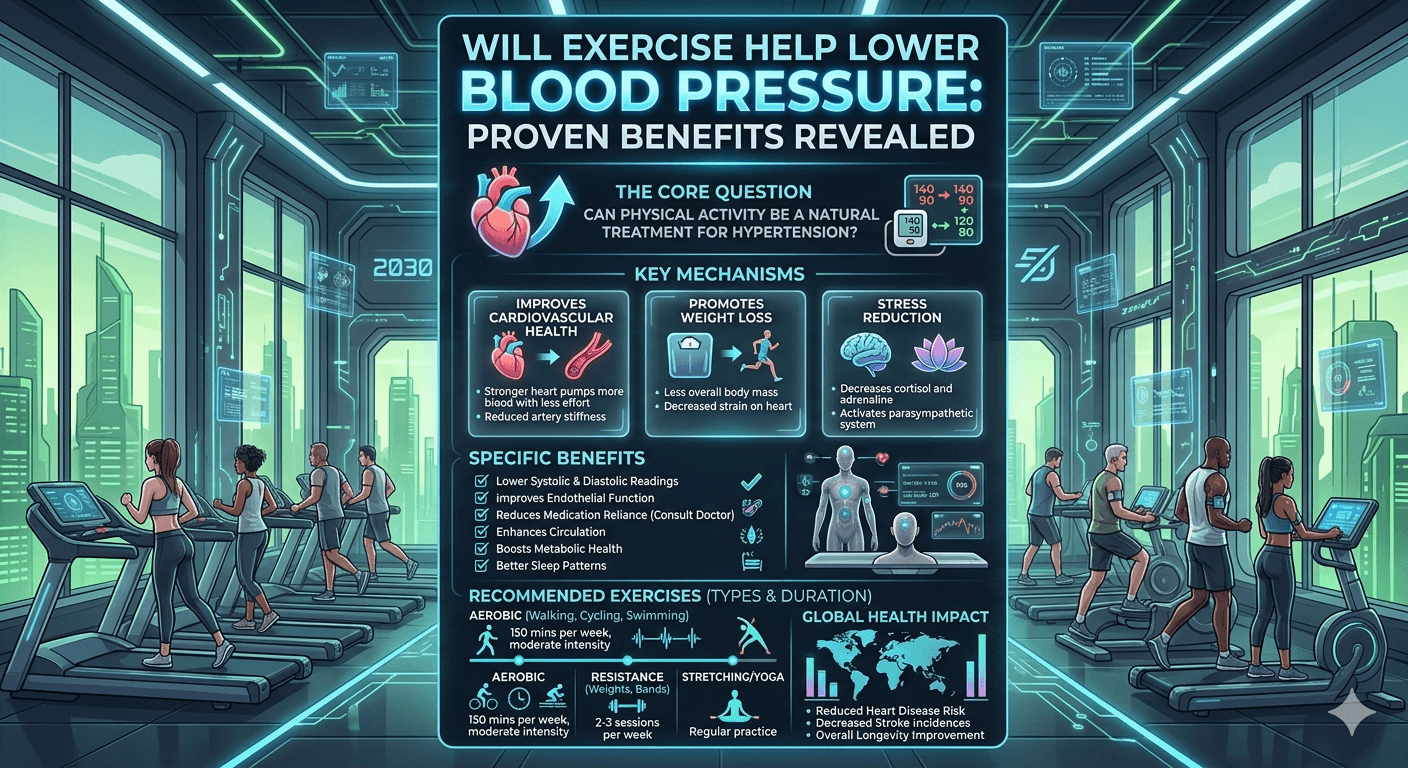
Are you wondering if exercise can really help lower your blood pressure? The answer is yes—and it might be easier than you think.
Your heart is a muscle, and like any muscle, it gets stronger and more efficient with regular activity. When your heart works better, it puts less pressure on your arteries, helping to keep your blood pressure in check. But how should you start?
What types of exercise work best? And what should you watch out for? Keep reading to discover simple, safe ways to use exercise as a powerful tool to control your blood pressure—and take charge of your health today.
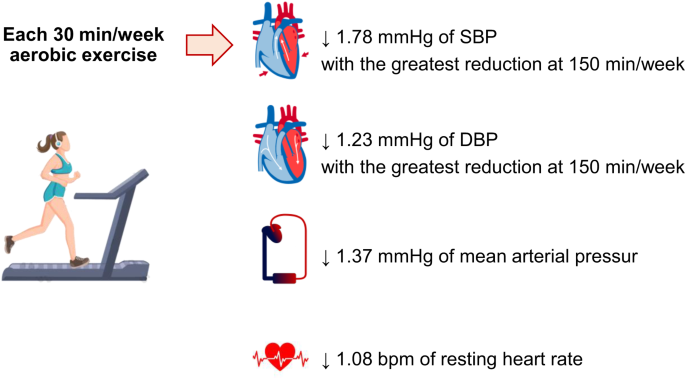
Credit: www.nature.com
How Exercise Lowers Blood Pressure
Exercise plays a key role in lowering blood pressure naturally. It works by improving heart function, managing weight, and helping with long-term control. Understanding how exercise affects blood pressure can motivate you to stay active and healthy.
Stronger Heart Function
Exercise makes the heart stronger. A strong heart pumps blood with less effort. This reduces pressure on the artery walls. The heart becomes more efficient at circulating blood. This lowers the force needed to push blood through vessels.
Long-term Blood Pressure Control
Each workout helps reduce blood pressure for hours. Regular exercise keeps blood pressure lower over time. It helps blood vessels stay flexible and open. This ease in blood flow reduces overall pressure. Consistency is the key to long-lasting benefits.
Weight And Diabetes Benefits
Exercise helps control weight, a major factor in blood pressure. Losing excess weight reduces strain on the heart. Exercise also lowers the risk of type 2 diabetes. Managing blood sugar improves blood vessel health. These effects together help keep blood pressure in a healthy range.

Credit: medlineplus.gov
Starting Exercise Safely
Starting exercise safely is key for managing blood pressure effectively. Exercise can lower blood pressure, but your body needs time to adjust. Taking careful steps at the beginning reduces risks and builds good habits. Follow simple guidelines to keep your exercise routine safe and effective.
Check With Your Doctor
Always talk to your doctor before starting any exercise plan. They know your health history and can advise on safe activities. This is vital if you take blood pressure medicine or have other health issues. A doctor’s approval helps prevent complications during workouts.
Begin Slowly
Start with light activities like walking or gentle stretching. Avoid high-intensity workouts at first. Gradually increase time and effort over weeks. Slow progress allows your heart and blood vessels to adapt safely. This approach lowers the risk of injury or sudden blood pressure spikes.
Importance Of Warm-up And Cool-down
Warm-up prepares your body by raising heart rate slowly. It loosens muscles and improves blood flow. Cool-down helps your heart return to normal pace. It also prevents dizziness and sudden blood pressure changes. Spend 5 to 10 minutes on both for best results.
Consistency Matters
Regular exercise provides lasting blood pressure benefits. Aim for at least 30 minutes most days of the week. Consistency strengthens your heart and keeps arteries flexible. Missing workouts can reduce these positive effects. Building a routine creates healthy habits and steady progress.
Effective Exercises To Try
Exercise plays a key role in lowering blood pressure. Choosing the right types can boost heart health and reduce strain on arteries. Below are some effective exercises to try. These activities suit different fitness levels and offer real benefits.
Aerobic Activities
Aerobic exercises raise your heart rate and help improve circulation. Walking briskly, cycling, and swimming are excellent choices. Aim for at least 30 minutes most days. These activities strengthen your heart and help blood vessels relax. They also burn calories, aiding weight control, which lowers blood pressure.
Isometric Exercises
Isometric exercises involve muscle contraction without movement. Planks and wall sits work well. These exercises improve blood vessel function and reduce blood pressure. Start with short holds and gradually increase time. Avoid holding your breath during these exercises to keep blood pressure stable.
Light Strength Training
Light strength training builds muscle without excessive strain. Use light weights or resistance bands. Focus on slow, controlled movements. This type of training supports heart health and helps manage weight. Keep sessions short and rest between sets to avoid overexertion.
Exercises To Avoid Or Modify
Not all exercises suit everyone with high blood pressure. Some workouts might raise blood pressure too much during activity. Knowing which exercises to avoid or change can keep you safe. Adjusting these exercises helps you gain benefits without risks. Here are key exercises to be cautious about or modify for better blood pressure control.
High-intensity Workouts
High-intensity exercises push your heart and lungs hard. These include sprinting, heavy circuit training, and intense interval workouts. They can cause sudden spikes in blood pressure. Such pressure spikes may be dangerous for people with hypertension. Instead, choose moderate activities like brisk walking or steady cycling. If you try high intensity, do it under medical supervision and increase intensity slowly.
Heavy Isometric Holds
Isometric exercises involve holding a position without moving. Examples are planks, wall sits, and heavy weight holds. These can increase blood pressure quickly because of muscle strain and breath holding. People with high blood pressure should limit time in these holds. Try lighter isometric exercises or break holds into shorter periods. Focus on breathing steadily to avoid pressure surges.
Exercises Causing Blood Pressure Spikes
Certain movements cause sharp rises in blood pressure. Examples include heavy weightlifting, squats with heavy weights, and breath-holding exercises. These actions strain your heart and vessels. Avoid breath-holding during exercise as it blocks blood flow and raises pressure. Use lighter weights and do more repetitions instead. Monitor your blood pressure regularly to find safe limits.
Tips For Managing Blood Pressure With Exercise
Exercise plays a key role in managing blood pressure. It helps the heart work better and lowers strain on arteries. To get the best results, follow these simple tips for exercising safely and effectively.
These tips help you build a routine that supports healthy blood pressure levels over time. Focus on proper breathing, tracking your progress, and adjusting your workouts as your fitness improves.
Proper Breathing Techniques
Breathing right during exercise is very important. Avoid holding your breath, especially when lifting weights. Hold your breath too long and blood pressure may spike.
Try to breathe out as you lift or push and breathe in as you relax. This keeps oxygen flowing and supports steady blood pressure. Slow, steady breaths work best for all activities.
Monitoring Blood Pressure
Check your blood pressure regularly to see how exercise affects it. Use a home blood pressure monitor before and after workouts. Record your numbers to track progress over weeks.
Stop exercising and get medical help if your readings are very high or if you feel dizzy. Monitoring helps you stay safe and adjust workouts as needed.
Adapting Workouts Over Time
Start with light to moderate activity like walking or cycling. As your body gets stronger, increase workout length and intensity slowly. Don’t rush or push too hard.
Changing your routine keeps exercise fun and challenges your heart. Include variety like swimming, jogging, or yoga. Listen to your body and rest when needed.
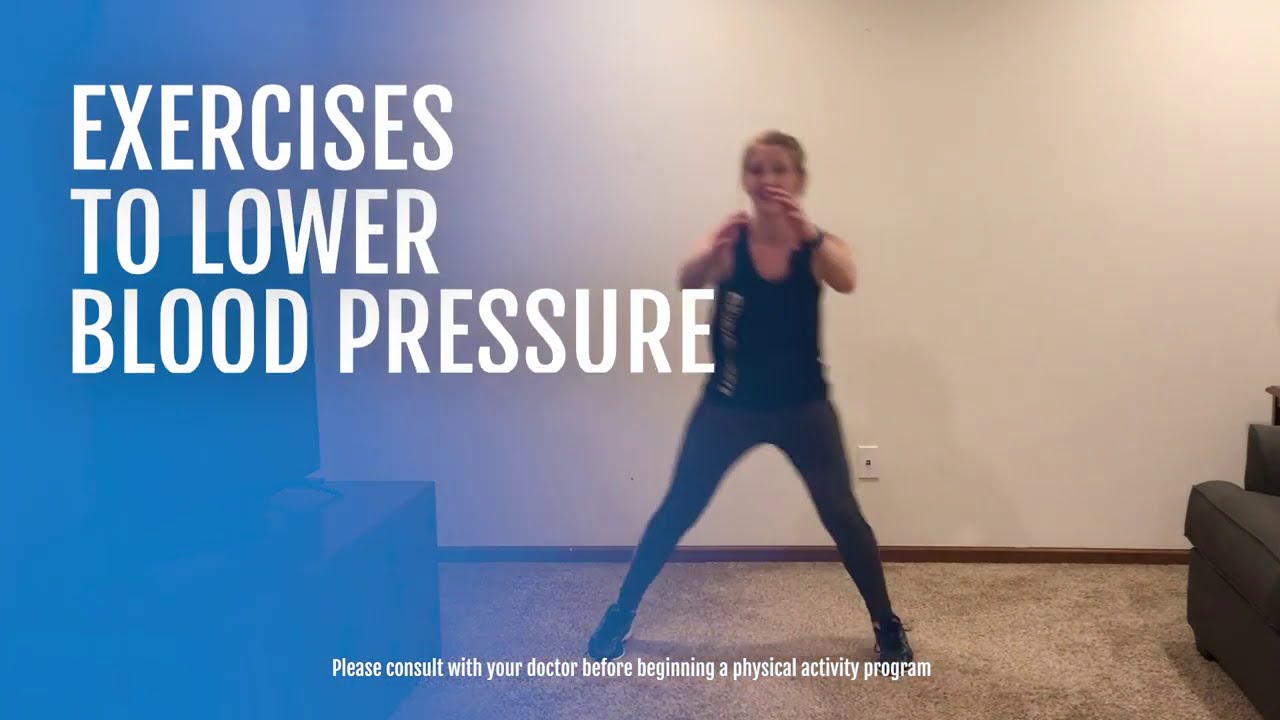
Credit: www.youtube.com
Frequently Asked Questions
Should You Exercise If Your Bp Is High?
Yes, exercise helps lower high blood pressure by strengthening the heart and improving artery health. Start slowly, warm up, and consult your doctor first. Choose moderate activities like walking or swimming, avoid intense or breath-holding exercises initially, and maintain consistent, safe routines.
How Long Do I Need To Exercise To Lower Blood Pressure?
Exercise for at least 30 minutes most days weekly to lower blood pressure effectively. Moderate aerobic activities like brisk walking work best. Start slowly, warm up, and consult your doctor for personalized advice. Consistent exercise strengthens the heart and reduces artery pressure over time.
Can High Blood Pressure Make You Nauseous?
Yes, high blood pressure can cause nausea due to reduced blood flow and increased pressure on organs. Seek medical advice if nausea persists.
What Exercise Lowers Blood Pressure The Most?
Moderate-intensity aerobic exercises like brisk walking, cycling, and swimming lower blood pressure most effectively. Isometric exercises, such as planks and wall sits, also help but should be done carefully. Always consult a doctor before starting an exercise routine for hypertension.
Conclusion
Exercise can help lower blood pressure by making your heart stronger. Regular activity keeps blood pressure steady over time. Start with simple exercises like walking or cycling. Always warm up and cool down to stay safe. Check with your doctor before beginning any routine.
Consistency is key to seeing real benefits. Small steps lead to better heart health and lower blood pressure. Exercise also supports weight control and reduces diabetes risk. Keep moving, listen to your body, and stay healthy.

“As the voice behind Radiant Glow Health, we are dedicated to being your ultimate wellness and vitality companion. Our mission is to inspire and guide you on your journey to a healthier and more vibrant life. Join us as we explore holistic health practices and empower you to radiate wellness from within.”