“What is the Difference between Personal Care Home And Nursing Home?”
Are you trying to decide the best living option for yourself or a loved one? Understanding the difference between a personal care home and a nursing home can make that choice much clearer.
Both offer support, but they serve very different needs. Knowing which one fits your situation means getting the right level of care and comfort. You’ll discover what sets these two options apart, helping you feel confident about your decision and ensuring the care you or your family deserve.
Keep reading to find out which environment suits your needs best.
Personal Care Home Basics
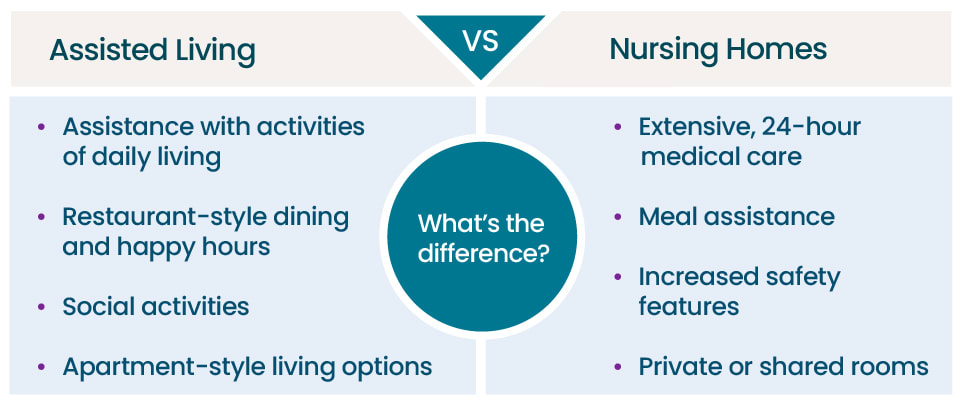
A personal care home offers support for seniors needing some help daily. It suits those who are mostly healthy but require assistance with routine tasks. These homes focus on comfort and independence while providing necessary care.
Residents enjoy a warm, home-like setting with staff available to assist. The care level is less intense than nursing homes. Personal care homes aim to keep residents active and comfortable.
Daily Assistance Services
Personal care homes help with bathing, dressing, and grooming. Staff assist with meal preparation and medication reminders. They also provide help with light housekeeping and errands. The goal is to support daily living without taking away freedom.
Resident Independence Levels
Residents in personal care homes usually manage many tasks alone. They need help only with some activities. This setup encourages independence and social interaction. It suits seniors who want to stay active but need occasional aid.
Typical Living Environment
Personal care homes resemble small, cozy houses or apartments. They offer private or shared rooms and common areas. The environment feels warm and friendly. It promotes a sense of community and belonging for residents.
Credit: www.aplaceformom.com
Nursing Home Essentials
Nursing homes offer a higher level of care than personal care homes. They focus on residents who need constant medical attention. Safety and health are top priorities here.
Understanding nursing home essentials helps families choose the right care. It clarifies what to expect in these facilities.
Medical Care Availability
Nursing homes provide 24/7 medical care. Nurses and doctors are always available on-site or on call. They monitor health conditions closely. Regular medical treatments and therapies take place here.
Staff Qualifications
Staff in nursing homes have specialized training. Registered nurses and licensed practical nurses provide skilled care. Caregivers receive education to handle complex health needs. This ensures residents get proper support.
Resident Health Needs
Residents often have chronic illnesses or disabilities. Nursing homes support those with memory loss or physical limitations. They offer rehabilitation and long-term care services. The goal is to maintain or improve health daily.
Care Level Comparison
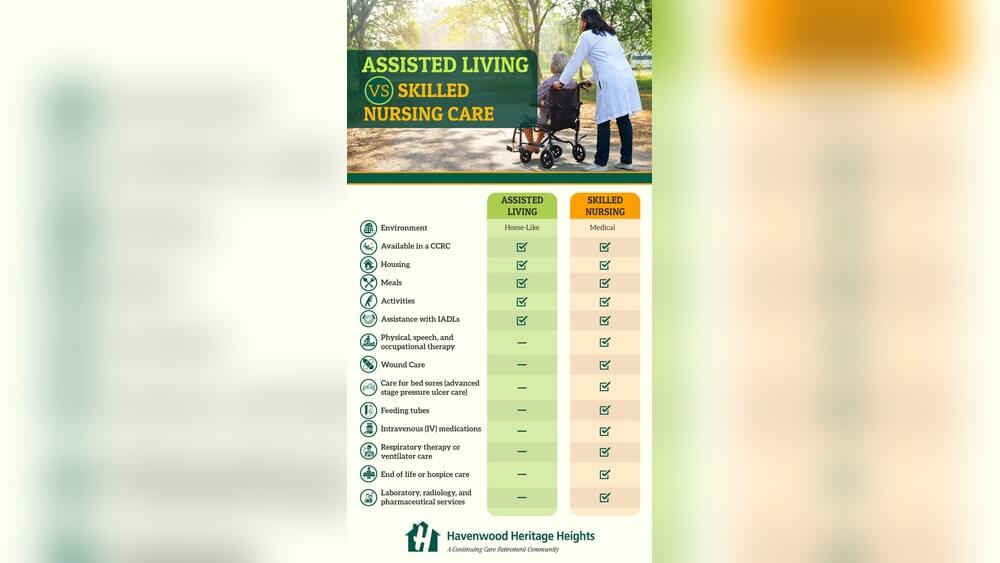
Comparing care levels helps understand the differences between personal care homes and nursing homes. Each offers a distinct type of support based on residents’ needs. The level of medical attention, personal help, and emergency readiness varies widely.
Knowing these differences guides families to choose the best option for their loved ones. It ensures the care matches health conditions and lifestyle requirements.
Scope Of Medical Support
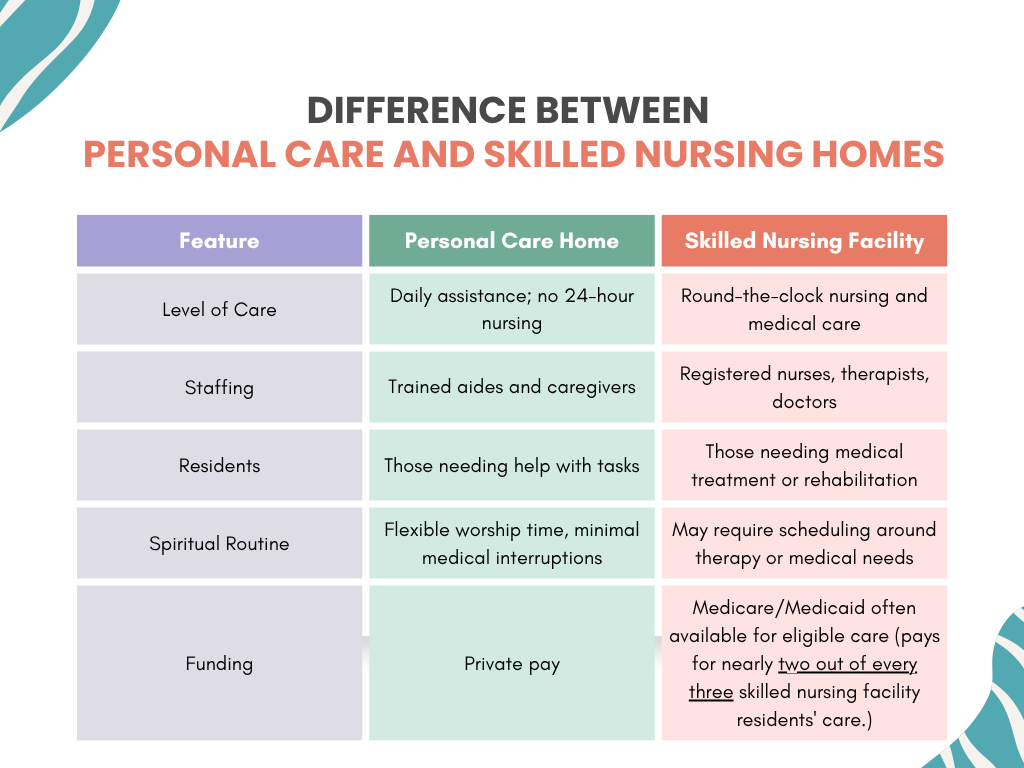
Personal care homes provide limited medical support. They mainly assist with daily tasks and basic health monitoring. Nursing homes offer skilled nursing care. They have licensed nurses available 24/7 to handle complex medical needs. Nursing homes can manage chronic illnesses and post-surgery care.
Types Of Personal Assistance
Personal care homes focus on helping with everyday activities. This includes bathing, dressing, and meal preparation. Staff also offer companionship and social support. Nursing homes provide the same personal help but add medical treatments. They assist with medication management and physical therapy.
Emergency Response Capabilities
Personal care homes have basic emergency plans. Staff are trained to call for medical help quickly. Nursing homes have advanced emergency systems. They can provide immediate medical intervention on-site. This includes respiratory support and emergency medication administration.
Cost Differences
Cost differences between personal care homes and nursing homes are significant. These differences reflect the level of care, services, and facilities offered. Understanding these costs helps families make informed choices.
Average Pricing By Location
Costs for personal care homes vary widely by region. In Austin, Texas, personal care homes typically cost less than nursing homes. Personal care home prices range from $3,000 to $5,500 per month. Nursing homes in the same area often cost between $6,000 and $9,000 monthly. Urban areas tend to have higher prices than rural locations. Prices also depend on the size and amenities of the facility.
Factors Influencing Costs
The level of medical care affects cost differences. Nursing homes provide 24-hour skilled nursing, raising expenses. Personal care homes offer assistance with daily tasks but less medical care. Staffing ratios and staff qualifications influence prices. Facility features like private rooms, therapy services, and specialized care add to costs. Location and demand also impact final pricing.
Financial Assistance Options
Many families seek help to afford care costs. Medicaid often covers nursing home expenses for eligible individuals. Personal care homes may qualify for certain state assistance programs. Veterans benefits can help cover both types of care. Some facilities offer sliding scale fees or payment plans. Understanding available options eases financial burdens.
Living Atmosphere
The living atmosphere plays a big role in choosing between a personal care home and a nursing home. It affects comfort, social life, and overall happiness. Each type of home offers a different environment suited to different needs. Understanding these differences helps families make the right choice.
Community Feel In Personal Care Homes
Personal care homes often feel like a small community or family. Residents usually live in a house-like setting with fewer people. This creates a warm, friendly atmosphere where everyone knows each other. Staff members focus on personal attention and building relationships. Residents enjoy privacy with their own rooms and shared common areas. The environment encourages independence and a relaxed daily routine.
Healthcare Facility Environment In Nursing Homes
Nursing homes have a more clinical and structured environment. They provide medical care 24 hours a day. The building often looks like a healthcare facility with specialized equipment. Staff includes nurses and therapists who monitor health closely. Safety and medical support are top priorities. The atmosphere is less home-like and more focused on care and treatment.
Social And Recreational Opportunities
Both personal care homes and nursing homes offer social activities but differ in style. Personal care homes may have small group events and outings that feel casual and homey. Nursing homes provide a wider range of activities designed for residents with various health needs. These may include physical therapy, games, and group exercises. Social life is important in both settings to keep residents engaged and happy.
Credit: www.legacyplace.org
Resident Suitability
Resident suitability is a key factor when choosing between a personal care home and a nursing home. Each type of facility caters to different needs and abilities. Understanding who benefits from each helps families make the right choice. The level of care required and the resident’s health condition determine the best fit.
Who Benefits From Personal Care Homes
Personal care homes suit seniors who need help with daily tasks. They offer support with grooming, meals, and light housekeeping. Residents are generally independent and have stable health. These homes provide a safe and social environment without intensive medical care. They suit those who want some assistance but remain active.
Who Needs Nursing Home Care
Nursing homes serve individuals with serious health conditions. They need skilled medical care and constant supervision. Residents may require help with mobility, medication, or wound care. Nursing homes have professional nurses available 24/7. They are best for those with chronic illnesses or recovering from surgery.
Transitioning Between Care Types
Health changes can require moving from a personal care home to a nursing home. This happens when medical needs increase or daily tasks become too hard. Some seniors start in a nursing home and move to personal care after recovery. Care transitions are common and focus on the resident’s safety and comfort.
Regulations And Licensing
Regulations and licensing set the foundation for safe and quality care in both personal care homes and nursing homes. These rules protect residents and ensure that facilities meet minimum standards. The requirements vary by type of facility, reflecting the different levels of care provided. Understanding these differences helps families choose the right option for their loved ones.
Inspection And Licensing Requirements
Personal care homes must obtain a license from the state before operating. Licensing agencies perform regular inspections to check compliance with health and safety laws. Nursing homes face stricter licensing rules due to their medical care services. Inspections cover cleanliness, resident rights, and emergency preparedness. Facilities that fail inspections risk fines or closure.
Staffing Standards
Personal care homes usually have fewer licensed medical staff. They rely on caregivers to assist with daily activities like bathing and dressing. Nursing homes must employ registered nurses and licensed practical nurses on site. Staff levels must match resident needs, ensuring proper medical attention. Both types of homes must train staff on resident care and safety.
Quality Control Measures
Quality control in personal care homes focuses on comfort and basic support services. Nursing homes implement rigorous quality checks to monitor medical care and treatment outcomes. Both facilities maintain records of resident health and incidents. State agencies review these records to ensure compliance. Continuous improvement programs help enhance care standards over time.
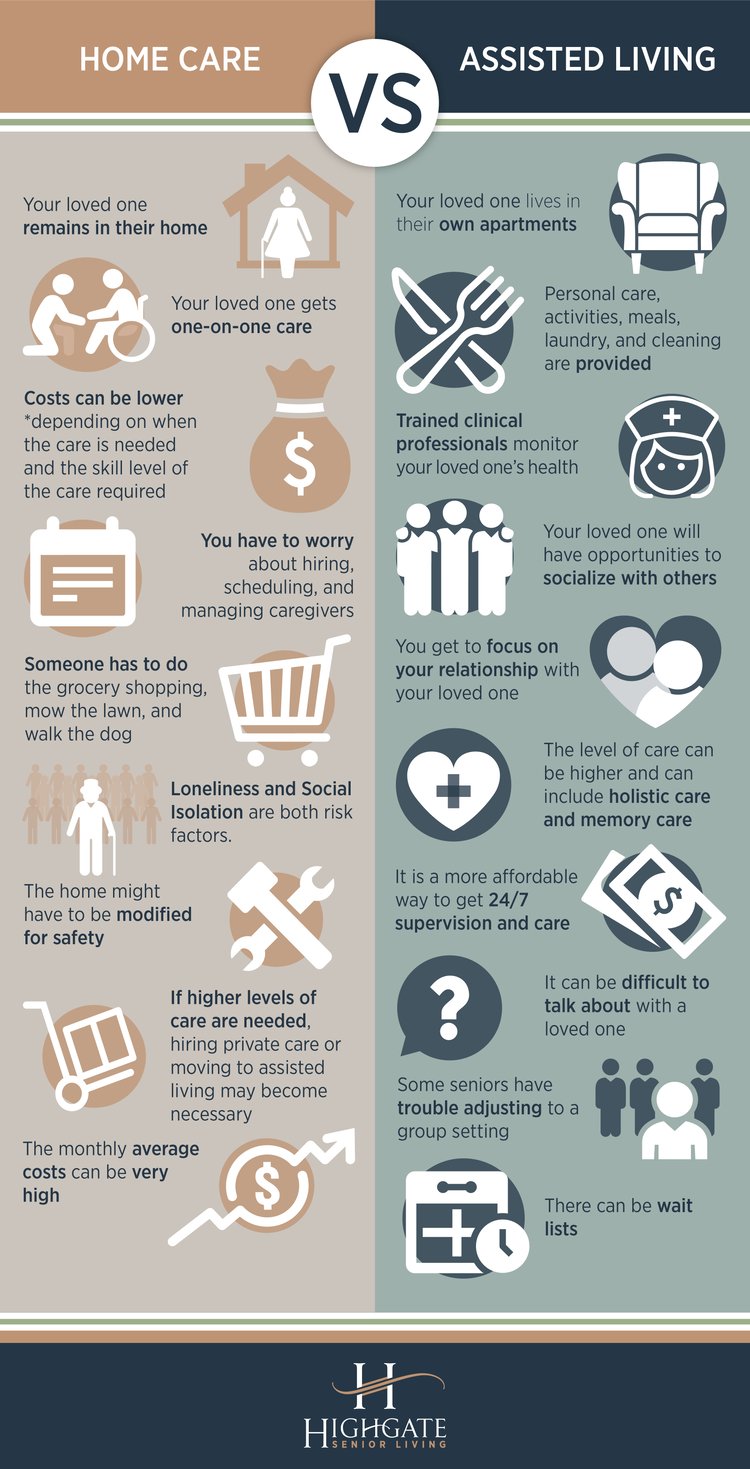
Credit: blog.highgateseniorliving.com
Frequently Asked Questions
Is A Personal Care Home The Same As A Nursing Home?
A personal care home offers assistance with daily tasks for healthier seniors. A nursing home provides 24/7 medical and skilled nursing care for those with serious health needs.
Is A Personal Care Home A Nursing Home?
A personal care home offers assistance with daily tasks for mostly independent seniors. A nursing home provides 24/7 medical care and skilled nursing for those with serious health needs.
What Does Personal Care Not Include?
Personal care does not include medical or skilled nursing services. It covers assistance with grooming, meal preparation, housekeeping, and errands only.
What Is The Average Cost Of A Personal Care Home?
The average cost of a personal care home ranges from $3,300 to $6,800 per month, depending on location and room type.
Conclusion
Choosing between a personal care home and a nursing home depends on care needs. Personal care homes suit seniors needing help with daily tasks but less medical care. Nursing homes provide more medical support for those with serious health issues.
Both offer safe and supportive environments. Understanding these differences helps families make the right choice. Think about health needs, lifestyle, and budget before deciding. The right home improves comfort and quality of life for seniors.

“As the voice behind Radiant Glow Health, we are dedicated to being your ultimate wellness and vitality companion. Our mission is to inspire and guide you on your journey to a healthier and more vibrant life. Join us as we explore holistic health practices and empower you to radiate wellness from within.”