“When Should I Start Feeling Better After Covid?”
You’ve just tested positive for COVID, and now you’re wondering: When will you start feeling better? It’s frustrating not knowing how long the fatigue, cough, or brain fog will last.
You’re not alone—many people ask the same question as they navigate recovery. Understanding the typical timeline and what influences your healing can ease your worries and help you take control of your health. You’ll discover what to expect during your COVID recovery, key strategies to speed up feeling better, and signs that you should reach out for medical help.
Keep reading to find out how soon you might get back to your normal self—and what you can do to help your body heal faster.
Credit: spballet.org
Recovery Timeline
The recovery timeline after a Covid infection varies from person to person. It depends on the severity of the illness and individual health factors. Understanding this timeline helps set realistic expectations for healing. Here is a breakdown of recovery phases based on symptom severity.
Mild Cases
Most people with mild Covid start feeling better within one to two weeks. Symptoms like fever, cough, and fatigue usually improve quickly. Rest and hydration play a key role in healing. Many return to normal activities after about 10 days. Mild cases rarely need hospital care or long-term treatment.
Severe Cases
Severe Covid infections can take several weeks to recover. Hospital stays, oxygen therapy, or intensive care may be required. Fatigue and breathlessness can last for weeks after leaving the hospital. Physical strength often returns slowly, and some need rehabilitation. Recovery times vary based on age, health, and complications.
Long Covid Symptoms
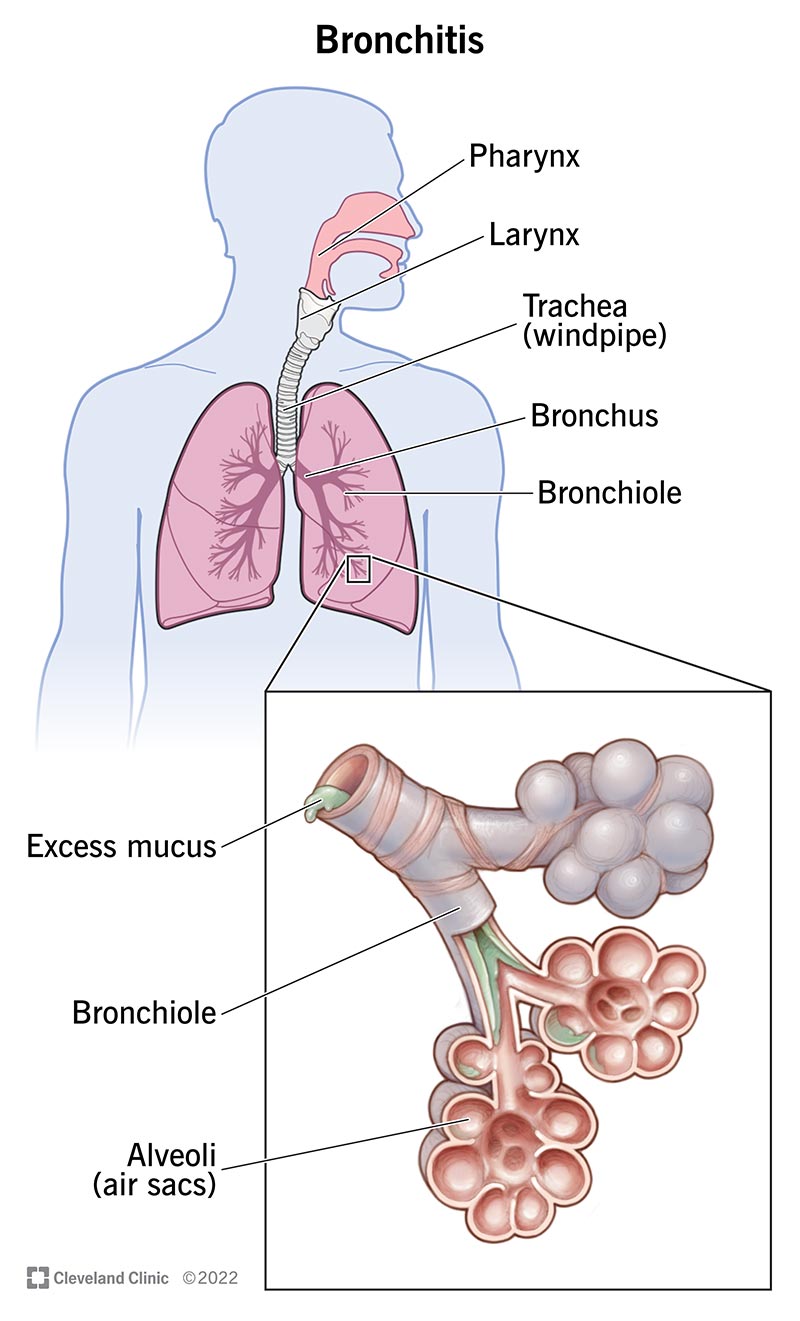
Some people experience symptoms that last for months, known as Long COVID. These include extreme tiredness, brain fog, and dizziness. Problems with taste or smell may persist. Long COVID affects daily life and work for many. Ongoing medical support and rest are important for managing symptoms. Research is still uncovering why some develop these lasting effects.
Credit: my.clevelandclinic.org
Common Lingering Symptoms
After recovering from the main COVID infection, some symptoms may last longer than expected. These common lingering symptoms can make daily life harder. Knowing what to expect helps manage your recovery better. Most people notice these symptoms slowly improve over weeks, but some may take longer.
Fatigue And Brain Fog
Fatigue is one of the most common symptoms after COVID. It can feel like extreme tiredness even after rest. Brain fog means trouble thinking clearly or concentrating. Tasks that were easy before may feel difficult. This can affect work, school, and daily activities. Rest and gentle activity help reduce these symptoms over time.
Loss Of Taste And Smell
Many people lose their sense of taste and smell during COVID. This loss can last for weeks or months after the infection. Food may seem bland or smell strange. This can lower appetite and affect nutrition. The senses usually return gradually but can take time. Smell training exercises may help speed recovery.
Dizziness And Lightheadedness
Dizziness and lightheadedness are common after COVID. They may happen when standing up quickly or moving around. These feelings can cause balance problems or increase fall risk. Staying hydrated and moving slowly can reduce dizziness. If symptoms persist, seek medical advice to rule out other causes.
Speeding Up Recovery
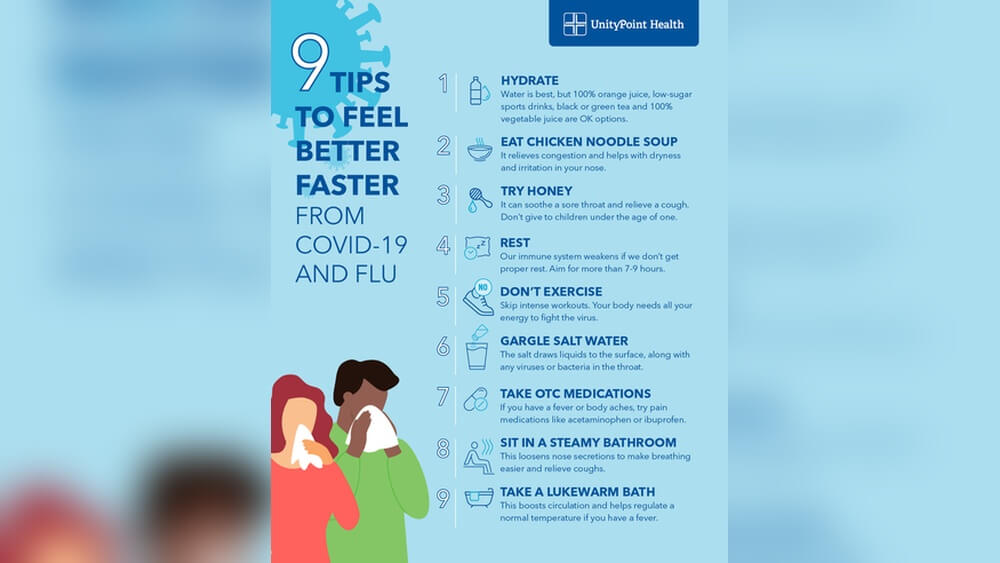
Speeding up recovery after Covid helps you return to normal life faster. Small actions support your body’s healing. Focus on simple, effective habits. These improve energy and reduce symptoms.
Importance Of Rest
Rest gives your body time to fight the virus. Sleep boosts your immune system’s strength. Avoid heavy tasks or exercise. Listen to your body’s signals and take breaks often. Rest helps reduce fatigue and speeds healing.
Hydration And Nutrition
Drink plenty of water to stay hydrated. Fluids help thin mucus and prevent dehydration. Eat balanced meals with fruits and vegetables. Nutrients support immune response and repair tissues. Warm liquids like tea or soup soothe the throat and ease congestion.
Symptom Management
Manage symptoms to stay comfortable and heal well. Use a humidifier or steam to clear nasal passages. Wear light clothes to reduce fever discomfort. Use over-the-counter medicines carefully to ease pain or fever. Avoid harsh treatments that can stress your body.
Gentle Movement
Light activity can improve circulation and mood. Start with slow, short walks or gentle stretching. Stop if you feel tired or dizzy. Avoid intense exercise until fully recovered. Gentle movement helps prevent stiffness and supports energy recovery.

Credit: www.cdc.gov
Diet For Healing
Eating well supports your body’s healing after Covid. Proper nutrition helps rebuild strength and fight infection. Focus on foods that aid recovery and boost your immune system.
Protein Sources
Protein repairs tissues damaged by the virus. Include lean meats like chicken or turkey. Eggs and beans are good plant-based options. Dairy products such as yogurt also provide protein and probiotics. Aim to eat protein with every meal to support healing.
Vitamins And Antioxidants
Vitamins strengthen your immune defense and reduce inflammation. Eat colorful fruits like berries, oranges, and kiwi for vitamin C. Leafy greens such as spinach and kale provide vitamins A and K. Antioxidants help protect cells from damage. Fresh vegetables and fruits are rich in these nutrients.
Warm Liquids
Warm liquids soothe a sore throat and ease congestion. Drink herbal teas with honey or clear broths. These fluids keep you hydrated and calm irritation. Avoid very hot drinks that can irritate your throat. Warm liquids also help loosen mucus and improve breathing.
Managing Symptoms At Home
Managing symptoms at home is a key part of recovering from Covid. Simple actions can ease discomfort and help the body heal. Focus on methods that relieve common issues like congestion and fever. These approaches support your immune system and improve your comfort.
Taking care of yourself at home means using safe and effective remedies. Staying consistent with these methods can speed up your feeling better. Below are two helpful techniques to manage symptoms without medicine.
Using Steam For Congestion
Steam helps loosen mucus and clear blocked airways. Sitting in a warm, steamy bathroom can open nasal passages. You may also use a cool-mist humidifier near your bed. Inhaling steam moistens your throat and eases coughing. Try to breathe slowly and deeply for several minutes. This simple method can reduce pressure and help you breathe easier.
Fever Control Techniques
Fever can make you feel weak and tired. Wear light, breathable clothing to stay cool. Avoid heavy blankets or thick pajamas. Taking a lukewarm bath can lower body temperature gently. Do not use cold water as it may cause shivering. Drink plenty of fluids to prevent dehydration. Rest well and check your temperature regularly. These steps help keep fever under control and reduce discomfort.
When To Seek Help
Knowing when to seek help during your COVID recovery is important. Most people start feeling better within a few weeks. Yet, some symptoms may need medical attention. Watch your body closely. Do not wait if you notice troubling signs. Early help can prevent complications and support healing.
Worsening Symptoms
Breathing becomes harder or chest pain develops. Fever stays high or returns after going away. Cough gets worse or new symptoms appear. These signs may mean the infection is not improving. Seek medical help quickly to avoid severe illness.
Persistent Fatigue
Feeling tired is normal after COVID. But extreme tiredness that lasts for weeks needs checking. Fatigue that stops daily activities is a concern. Doctors can offer advice and tests to find causes. Do not ignore ongoing exhaustion or weakness.
Other Concerns
Confusion, dizziness, or fainting are red flags. Loss of taste or smell lasting months should be discussed. New headaches or body aches can signal other problems. Mental health struggles like anxiety or depression need support. Contact healthcare providers for any unusual or lasting issues.
Testing And Recovery
Testing plays a key role in understanding your recovery from COVID-19. It helps determine if the virus is still present in your body. Recovery is a gradual process and varies for each person. Knowing how long the virus stays detectable can ease worries. Also, distinguishing COVID from a common cold is important for proper care.
How Long Covid Remains Detectable
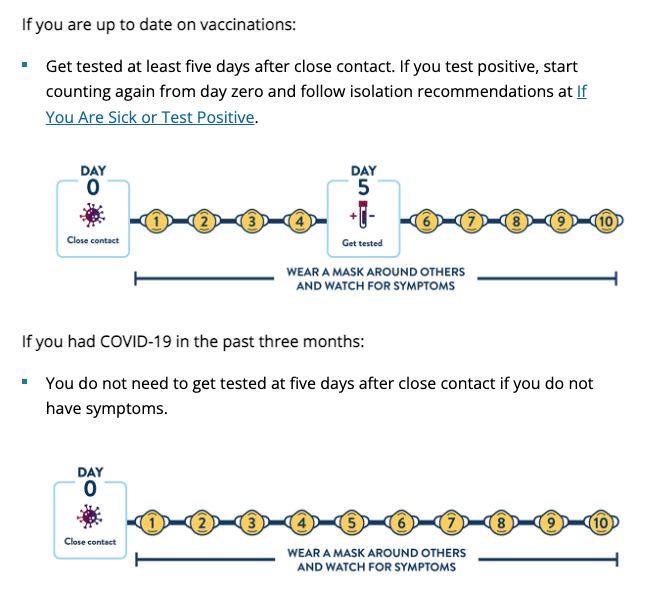
COVID-19 can be detected by tests for days or weeks after infection. Most people test positive for about 10 to 14 days. Some may test positive longer, even after symptoms end. This does not always mean you are still contagious. The virus’s genetic material can linger without causing illness. Doctors rely on symptom improvement and time passed to decide when you are no longer infectious.
Differences Between Covid And Cold
COVID and colds share some symptoms but differ in severity. COVID often causes fever, loss of taste or smell, and breathing trouble. Colds usually cause a runny nose, sneezing, and mild cough. COVID symptoms appear quickly and can worsen fast. Cold symptoms develop slowly and stay mild. Testing is the best way to confirm which illness you have.
Frequently Asked Questions
What Day Do You Start Feeling Better With Covid?
Most people start feeling better within 5 to 7 days after COVID symptom onset. Full recovery may take weeks. Rest and hydration aid healing.
What Is The Most Lingering Symptom Of Covid?
The most lingering symptom of COVID is extreme fatigue, often worsening after physical or mental activity.
What Speeds Up Covid Recovery?
Rest well, stay hydrated with water and nutritious fluids, eat immune-boosting foods, use steam for congestion, and manage fever with light clothing and lukewarm baths.
How Long Does Covid Fatigue Last?
COVID fatigue usually lasts from two weeks to six weeks. Severe cases may experience longer fatigue. Rest and hydration aid recovery.
Conclusion
Recovery time after Covid varies for each person. Many feel better within two weeks. Some symptoms, like tiredness or loss of smell, may last longer. Resting well and staying hydrated helps your body heal faster. Eating nutritious foods supports your immune system.
Avoid pushing yourself too hard during recovery. Pay attention to your body’s signals. If symptoms worsen or last too long, seek medical advice. Patience is key; healing takes time. Staying calm and caring for yourself leads to better results. Keep hope—most people recover fully with proper care.

“As the voice behind Radiant Glow Health, we are dedicated to being your ultimate wellness and vitality companion. Our mission is to inspire and guide you on your journey to a healthier and more vibrant life. Join us as we explore holistic health practices and empower you to radiate wellness from within.”