Have you ever stopped to think about how much your daily personal care and safety habits shape your life? What you do every day—from washing your hands to staying aware of your surroundings—directly impacts your health, confidence, and even how others see you.
Ignoring these simple routines can lead to illness, stress, and missed opportunities, while embracing them empowers you to feel your best and stay protected. This article will show you why personal care and safety aren’t just chores but essential steps to living a fuller, healthier life.
Keep reading to discover easy ways to boost your well-being and protect yourself every day.
Why Personal Care Matters
Personal care plays a key role in our daily lives. It affects how we feel, how others see us, and our overall health. Taking care of yourself is not just about looking good. It also helps keep your body strong and your mind clear. This section explains why personal care matters and how it benefits different parts of your life.
Health Benefits
Good personal care helps protect you from illness and infection. Simple actions like washing hands reduce germs. Bathing regularly removes dirt and bacteria from your skin. Brushing teeth keeps your mouth healthy and prevents disease. These habits keep your body working well and reduce doctor visits.
Boosting Confidence
When you feel clean and fresh, confidence grows. Personal care creates a positive self-image. Dressing neatly and grooming well make you feel ready for the day. This boost in confidence helps you face challenges with a strong mind. Small efforts in personal care lead to big changes in how you see yourself.
Social And Professional Impact
Personal care affects how others perceive you. Good hygiene shows respect for yourself and those around you. It helps build trust and positive relationships in social settings. In the workplace, neat appearance can improve your chances for success. People prefer to work with those who take care of themselves.
Mental Well-being
Taking time for personal care helps reduce stress and anxiety. It creates moments for self-focus and relaxation. A clean and organized appearance can boost mood and energy. Personal care routines give structure to your day. This structure supports good mental health and emotional balance.
Essential Hygiene Practices
Essential hygiene practices form the foundation of personal care and safety. They help protect the body from infections and illnesses. Good hygiene also promotes confidence and social acceptance. Simple daily habits keep the skin, mouth, and clothes clean. These habits reduce the risk of spreading germs and ensure overall well-being.
Handwashing Techniques
Handwashing is the most effective way to stop germs. Use clean water and soap. Rub hands for at least 20 seconds. Clean all parts, including between fingers and under nails. Dry hands with a clean towel or air dryer. Wash hands before eating and after using the restroom.
Regular Bathing
Bathing removes dirt, sweat, and dead skin. It helps control body odor and skin problems. Use mild soap and warm water. Clean all body parts well. Bathing daily keeps the skin healthy and fresh. It also helps relax the body and mind.
Oral Care Routine
Brush teeth twice a day with fluoride toothpaste. Clean all tooth surfaces and the tongue. Floss daily to remove food stuck between teeth. Good oral care prevents cavities and gum disease. It also keeps breath fresh and teeth strong.
Nail Maintenance
Keep nails trimmed and clean to avoid germs. Use a nail clipper and a soft brush for cleaning. Avoid biting nails or picking at cuticles. Clean nails reduce the risk of infections. Well-maintained nails also improve hand appearance.
Respiratory Etiquette
Cover your mouth and nose when coughing or sneezing. Use a tissue or the inside of your elbow. Dispose of tissues properly after use. This practice stops the spread of germs in the air. It protects others from catching colds and flu.
Wearing Clean Clothes
Wear fresh clothes every day to stay clean and healthy. Dirty clothes carry bacteria and unpleasant odors. Change socks and underwear daily. Clean clothes help prevent skin irritations and infections. They also boost self-confidence and comfort.
Safety Tips For Daily Life
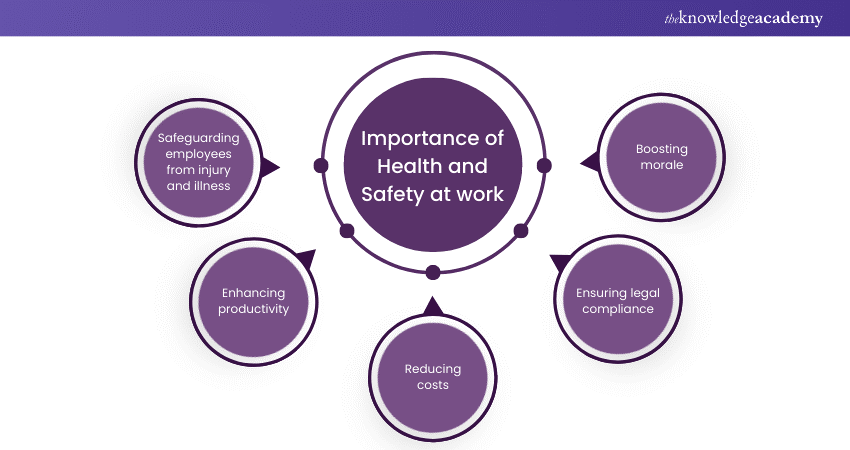
Safety tips for daily life help protect you and your loved ones. Small actions can prevent accidents and keep health strong. Awareness and simple habits make every day safer. Focus on home, personal protection, and handling personal items carefully.
Home Safety Measures
Keep your home free from hazards. Check smoke detectors regularly and change batteries. Store cleaning products and medicines out of children’s reach. Use sturdy rugs to avoid slips. Lock doors and windows to prevent intruders. Make sure electrical cords are not frayed or overloaded. Keep walkways clear to avoid trips and falls.
Personal Protection
Wear protective gear when needed. Use seat belts in cars every time. Wear helmets when biking or skating. Wash hands often to stop germs from spreading. Avoid touching your face with unwashed hands. Keep personal space in crowded places. Stay alert and trust your instincts in unsafe situations.
Safe Handling Of Personal Items
Clean phones and keyboards regularly to remove germs. Avoid sharing towels, razors, or toothbrushes. Store sharp objects like scissors safely. Handle knives carefully when cooking. Keep personal identification and money in a secure place. Dispose of used tissues and masks properly. Regularly sanitize frequently touched items.
Credit: www.theknowledgeacademy.com
Maintaining Hygiene In Different Settings
Maintaining hygiene in different settings plays a vital role in personal care and safety. Cleanliness helps stop the spread of germs and keeps us healthy. It also builds confidence and shows respect to others. Each environment demands specific hygiene habits to stay safe and well.
Workplace Hygiene
Keeping the workplace clean reduces illness and improves focus. Wash hands frequently, especially after using shared equipment. Clean your desk and tools regularly to remove germs. Avoid touching your face while working to prevent infections. Use hand sanitizer when soap and water are unavailable. Proper hygiene at work protects you and your coworkers.
Public Spaces
Public areas often have many germs due to high traffic. Use hand sanitizer after touching surfaces like door handles or handrails. Avoid crowded places if you feel unwell to protect others. Cover your mouth and nose when coughing or sneezing. Dispose of tissues properly to maintain cleanliness. Good habits in public spaces reduce the risk of spreading diseases.
Travel Considerations
Traveling exposes you to new germs and environments. Carry hand sanitizer and use it often, especially after touching public surfaces. Drink bottled or purified water to avoid stomach issues. Wash hands before eating and after using restrooms. Keep travel items clean, including phones and bags. These steps help maintain hygiene and keep you safe during trips.
Common Hygiene Mistakes To Avoid
Personal care and safety depend greatly on good hygiene habits. Mistakes in hygiene can cause infections, bad odor, and skin problems. Avoiding common hygiene errors helps keep the body healthy and comfortable. Understanding these mistakes improves daily routines and protects overall well-being.
Neglecting Hand Hygiene
Hands carry many germs from surfaces to the body. Not washing hands after using the restroom or before eating spreads bacteria and viruses. Quick rinsing with water alone does not remove germs. Use soap and scrub hands for at least 20 seconds. Regular handwashing stops illnesses like colds and stomach bugs.
Improper Oral Care
Brushing teeth only once a day leaves plaque and bacteria behind. This causes bad breath, cavities, and gum disease. Skipping flossing allows food particles to stay between teeth. Brushing twice daily and flossing once helps keep the mouth clean. Regular dental checkups also prevent serious oral problems.
Ignoring Skin Health
Skin is the body’s first defense against germs. Not cleaning skin properly leads to acne, infections, and dryness. Using harsh soaps or skipping moisturizers can damage skin barriers. Bathing daily with gentle cleansers and applying moisturizer keeps skin healthy. Protect skin from extreme sun to avoid burns and long-term damage.
Credit: www.makrosafe.co.za
Tips For Encouraging Good Habits
Encouraging good personal care and safety habits helps improve health and confidence. Small, steady steps build lifelong routines. Consistency is key to making these habits stick. Below are practical tips to guide you in fostering positive habits for yourself or others.
Creating A Routine
Set specific times for daily hygiene tasks. Morning and evening are ideal for brushing teeth and washing face. Regular schedules make habits easier to remember. Keep routines simple and manageable to avoid feeling overwhelmed. Consistency helps turn actions into automatic behaviors.
Teaching Children
Explain why personal care matters using clear, simple words. Show how to wash hands and brush teeth properly. Make learning fun with songs or games about hygiene. Praise efforts to build positive feelings about self-care. Children copy adults, so model good habits yourself.
Using Reminders And Tools
Use timers, alarms, or charts to prompt daily care tasks. Visual reminders help maintain focus and track progress. Equip bathrooms with easy-to-use hygiene tools like soft brushes or colorful soaps. These small aids encourage independence and make routines enjoyable.
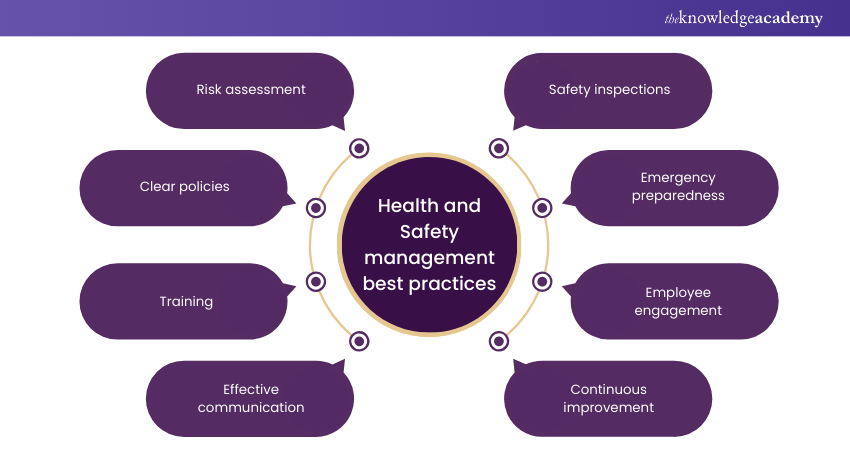
Credit: www.theknowledgeacademy.com
Frequently Asked Questions
What Is The Importance Of Personal Care?
Personal care maintains health, boosts self-esteem, and prevents illness. It enhances social acceptance and supports mental well-being daily.
Why Is Personal Hygiene And Safety Important?
Personal hygiene and safety prevent illness, protect health, and boost confidence. They promote social acceptance and maintain overall well-being. Regular hygiene habits reduce germs and infections, ensuring a safer environment for everyone.
What Are 5 Benefits Of Personal Hygiene?
Personal hygiene prevents illnesses and infections. It boosts self-esteem and social acceptance. It promotes mental health and enhances relationships. It maintains a professional image and prevents skin conditions.
What Is The Most Important Part Of Personal Hygiene?
The most important part of personal hygiene is handwashing. It effectively prevents germ spread and reduces illness risk.
Conclusion
Personal care and safety help keep our bodies and minds healthy. Simple habits protect us from illness and build confidence. Clean hands, teeth, and clothes reduce germs and infections. Staying safe prevents accidents and supports daily living. Everyone benefits from caring for themselves each day.
Small actions lead to better health and happiness. Personal care is a key part of a good life. Take steps today to stay safe and well.

“As the voice behind Radiant Glow Health, we are dedicated to being your ultimate wellness and vitality companion. Our mission is to inspire and guide you on your journey to a healthier and more vibrant life. Join us as we explore holistic health practices and empower you to radiate wellness from within.”