Are you trying to figure out the difference between home care and personal care for yourself or a loved one? Knowing exactly what each type of care offers can make a huge difference in choosing the right support to fit your needs.
You might assume they’re the same, but these services serve different purposes and come with distinct benefits. By understanding how home care and personal care differ, you can make smarter decisions that improve comfort, safety, and quality of life. Keep reading to uncover the key differences and find out which option is best suited to your unique situation.
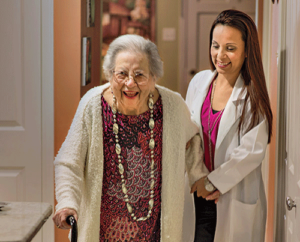
Credit: www.compassus.com
Home Care Basics
Home care helps people live safely in their own homes. It supports those who need help but do not require medical treatment. Caregivers assist with everyday tasks and provide companionship. The goal is to improve comfort and independence.
Home care is different from personal care in scope. It focuses on general support rather than medical needs. Understanding its basics helps families choose the right help.
Daily Living Assistance
Caregivers help with daily activities like bathing, dressing, and eating. They assist with moving around the house and using the bathroom. Help with meal preparation and light housekeeping is common. This support allows clients to maintain their routines.
Nonmedical Support Services
Home care also offers nonmedical support such as companionship. Caregivers provide emotional support and conversation. They help with errands like grocery shopping and transportation. These services reduce loneliness and improve quality of life.
Payment And Insurance Options
Home care usually is paid privately by families. Some insurance plans cover parts of home care services. Veterans benefits and Medicaid may help with costs in certain cases. Clear understanding of payment options is important for planning care.

Credit: www.fivestarhomecareny.com
Personal Care Essentials
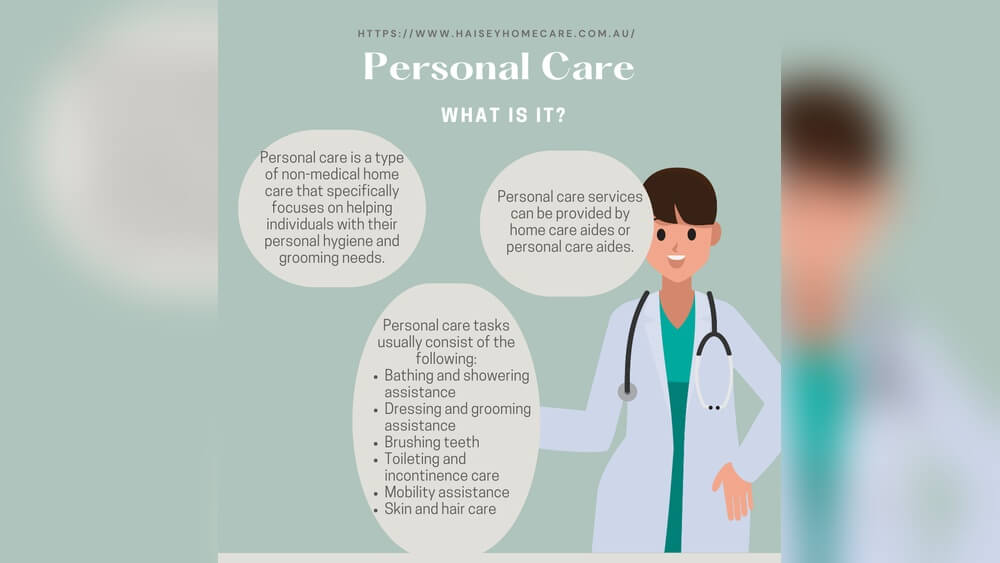
Personal care focuses on helping individuals with daily tasks essential for living. It supports those who need assistance with basic activities to maintain independence and dignity. Caregivers provide hands-on help tailored to each person’s needs.
Understanding personal care essentials clarifies how this support differs from other types of home care. It involves practical help with hygiene, mobility, medication, and more. These services improve quality of life and promote safety at home.
Help With Hygiene And Dressing
Personal care workers assist with bathing, grooming, and toileting. They help clients dress appropriately for the weather and occasion. This support ensures cleanliness and comfort every day.
Mobility And Medication Support
Caregivers aid in moving safely around the home. They help with walking, transferring from bed to chair, and using mobility aids. Medication reminders and assistance ensure clients take their prescriptions on time.
Training And Certification Requirements
Personal care aides often complete specific training programs. These include safety, hygiene, and basic health education. Certification varies by state but ensures caregivers meet quality standards.
Home Health Care Features
Home health care offers specialized support for individuals with medical needs at home. This type of care involves skilled professionals who provide treatment and monitoring. It focuses on improving health and managing illnesses outside hospitals. Understanding its features helps distinguish it from personal care services.
Medical And Skilled Nursing Services
Home health care includes medical care by licensed nurses. They perform tasks like wound care, injections, and medication management. Nurses check vital signs and monitor health conditions closely. These services require clinical training and certification. They help patients recover safely at home.
Therapy And Rehabilitation
Therapists visit homes to provide physical, occupational, or speech therapy. These sessions aim to restore movement, strength, and communication skills. Therapy supports recovery from surgery, injury, or illness. It also helps maintain independence and improve quality of life. Sessions are planned based on patient needs.
Insurance Coverage And Costs
Home health care is often covered by Medicare, Medicaid, or private insurance. Coverage depends on medical necessity and doctor’s orders. Costs vary based on services provided and length of care. Insurance may cover all or part of the expenses. Verifying coverage helps families plan financially.
Roles Of Caregivers
Caregivers play a vital role in supporting individuals who need assistance at home. Their roles vary based on the type of care provided. Understanding these roles helps families choose the right kind of help.
Caregivers ensure safety, comfort, and support for daily living activities. They also provide emotional encouragement and monitor health changes. Two common caregiver roles are Home Health Aides and Personal Care Assistants.
Home Health Aides (hha)
Home Health Aides provide medical-related care under a nurse’s supervision. They help with tasks like checking vital signs and managing medication schedules. HHAs may assist with wound care and physical therapy exercises. Their care focuses on medical needs and recovery support.
Personal Care Assistants (pca)
Personal Care Assistants support daily living activities without medical tasks. They help with bathing, dressing, grooming, and meal preparation. PCAs assist with mobility and light housekeeping. Their role centers on maintaining comfort and independence.
Differences In Training And Duties
Training for HHAs is more extensive and includes medical procedures. They receive instruction in infection control and basic nursing tasks. PCAs have training focused on personal care and safety. They learn how to assist with daily routines and provide companionship.
HHAs can perform some healthcare tasks that PCAs cannot. This difference affects the type of clients they serve. Families should match the caregiver’s skills with the care needs of their loved ones.
Choosing Between Home And Personal Care
Choosing between home care and personal care can feel confusing. Both services support daily living but serve different needs. Understanding key factors helps make the right choice. Consider medical needs, independence level, and costs. Each plays a crucial role in deciding which care fits best.
Assessing Medical Needs
Home care often involves medical support. Skilled nurses or therapists may provide treatments. Personal care focuses on everyday tasks like bathing or dressing. People with complex health issues usually need home care. Simple help with daily routines suits personal care.
Level Of Independence
Those who can perform some activities alone may prefer personal care. It helps with reminders and light assistance. Home care suits people needing help with medical devices or monitoring. Independence level guides which care service works well.
Financial Considerations
Home care often costs more due to medical expertise. Insurance may cover some home care services. Personal care is usually less expensive and sometimes paid privately. Budget limits influence which care option is chosen.
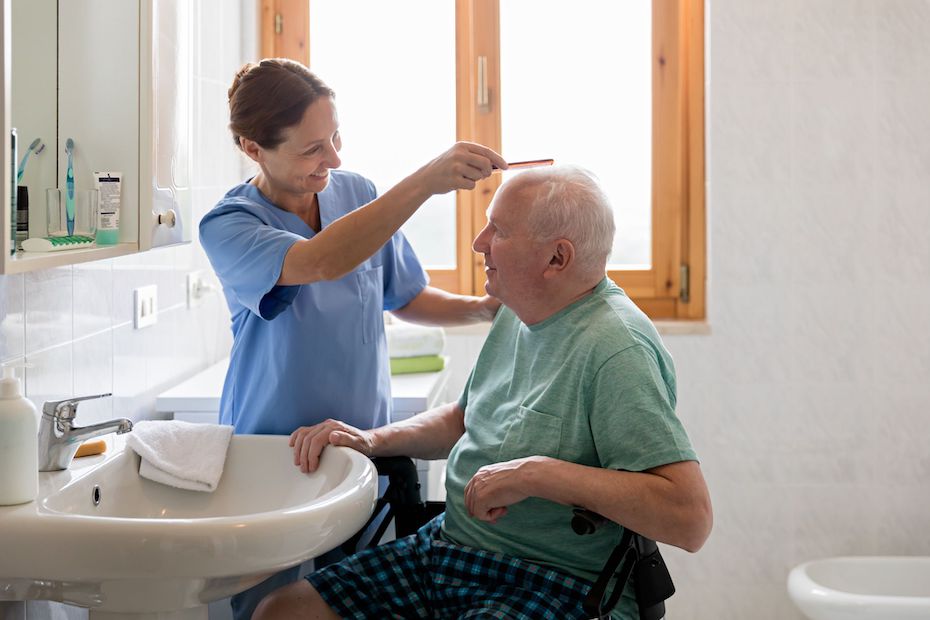
Credit: udservices.org
Benefits Of Each Care Type
Understanding the benefits of home care and personal care helps families choose the right support. Both care types improve daily living but focus on different needs. This section highlights the unique advantages each care provides. Clear insight helps make informed decisions for loved ones.
Improved Quality Of Life
Home care offers medical support tailored to individual health conditions. Skilled caregivers manage medications and treatments, promoting better health. Personal care focuses on daily tasks, helping with bathing, dressing, and mobility. This assistance keeps seniors active and independent longer. Both care types reduce stress and loneliness by providing companionship.
Safety And Comfort At Home
Home care professionals ensure the living space meets medical needs safely. They check for fall risks and adjust equipment as needed. Personal care aides help with safe movement around the house. They prevent accidents by assisting with activities like walking and cooking. Staying in a familiar environment boosts comfort and confidence for seniors.
Supporting Recovery And Wellness
Home care supports recovery after surgery or illness with skilled nursing tasks. Caregivers monitor progress and report changes to doctors. Personal care helps maintain wellness by encouraging daily routines and hygiene. They motivate clients to stay active and eat well. Both care types work together to promote healing and overall health.
Frequently Asked Questions
What’s The Difference Between Home Care And Personal Care?
Home care provides medical support by licensed professionals, often covered by insurance. Personal care assists with daily tasks like bathing and dressing, usually non-medical and privately paid.
Which One Is Better, Pca Or Hha?
HHA provides both personal care and basic medical support with specialized training. PCA offers personal care only. HHA is better for higher-level healthcare needs, while PCA suits daily living assistance.
Who Gets Paid More, Hha Or Pca?
HHAs usually earn higher wages than PCAs due to specialized medical training and providing advanced care support.
What Is Included Under Personal Care?
Personal care includes help with daily activities like bathing, dressing, medication reminders, mobility, and basic household tasks. It supports independent living at home.
Conclusion
Understanding the difference between home care and personal care helps you choose the right support. Home care often involves medical tasks done by trained professionals. Personal care focuses on daily living activities like bathing and dressing. Both services aim to improve comfort and independence at home.
Knowing their roles makes planning easier for you or your loved ones. Choose based on the type of help needed and budget. Clear knowledge leads to better care decisions and peace of mind.

“As the voice behind Radiant Glow Health, we are dedicated to being your ultimate wellness and vitality companion. Our mission is to inspire and guide you on your journey to a healthier and more vibrant life. Join us as we explore holistic health practices and empower you to radiate wellness from within.”