“How to Get Cheap Medical Care Without Insurance?”
Facing a health issue without insurance can feel overwhelming and stressful. But what if you could still get quality medical care without emptying your wallet?
You don’t have to put your health on hold or risk huge bills. This guide will show you practical, straightforward ways to find affordable medical care—even if you don’t have insurance. From low-cost clinics to community programs, you’ll discover options that protect your health and your budget.
Keep reading to take control of your healthcare without breaking the bank.
Affordable Clinic Options
Affordable clinic options offer a way to get medical care without insurance. These clinics provide services at low or no cost. They help people who cannot pay full prices for health care. Visiting these clinics can save money and provide essential care. Understanding the types of affordable clinics helps you find the right care.
Free And Charitable Clinics
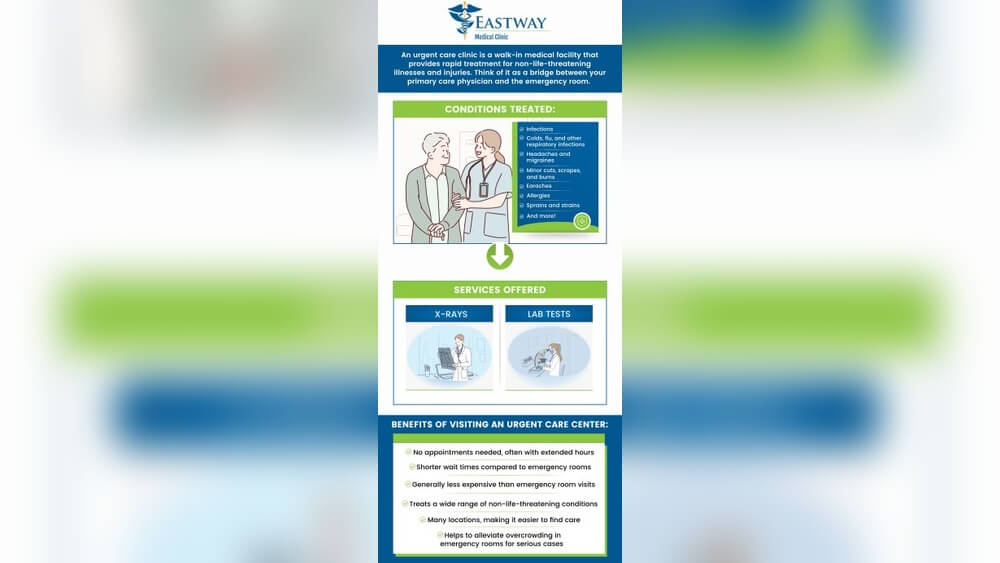
Free and charitable clinics provide health care at no cost. They often rely on donations and volunteer staff. These clinics serve low-income patients and those without insurance. Services include basic checkups, treatment for minor illnesses, and preventive care. Patients usually need to meet income or residency rules. These clinics offer a good option for urgent but non-emergency care.
Community Health Centers
Community health centers serve all people in a local area. They receive government funding to keep costs low. These centers offer primary care, dental care, and mental health services. Many centers accept patients without insurance. They focus on helping underserved communities. Appointments are often available on a sliding fee scale based on income.
Sliding Scale Payment Clinics
Sliding scale payment clinics charge fees based on what patients can afford. The fee depends on income and family size. These clinics make health care more affordable for people with low income. They provide many services like lab tests, vaccinations, and chronic illness management. Patients should bring proof of income to get the discount. Sliding scale clinics offer flexible payment options to reduce financial stress.

Credit: www.healthline.com
Low-cost Testing And Procedures
Accessing medical tests and procedures without insurance can seem costly. Yet, many options offer reliable care at lower prices. These options help people get essential tests without financial strain. Clinics, community health centers, and labs often provide affordable services. Such services include common blood tests, physical exams, and more advanced diagnostics.
Standard Blood Tests
Blood tests help diagnose many health conditions early. Basic panels check cholesterol, blood sugar, and organ function. Some labs offer these tests at discounted rates. Shopping around local clinics or labs can save money. Community health centers often provide blood tests at reduced fees. Some places charge by test, allowing you to pay only for what you need.
Basic Physical Exams
Physical exams screen overall health and detect early problems. Many clinics offer low-cost or sliding scale exams based on income. These exams include checking vital signs and medical history review. A thorough exam can prevent costly issues later. Scheduling yearly exams at affordable clinics supports long-term health. Some urgent care centers also provide basic exams with clear pricing.
Specialized Diagnostic Tests
Special tests like X-rays, ultrasounds, or EKGs may be needed. Community hospitals or diagnostic centers sometimes offer these at lower costs. Calling ahead to ask about prices can help find deals. Nonprofit clinics may partner with diagnostic centers to reduce fees. Some places accept cash payments with discounts. Always inquire about payment plans or financial aid options.
Negotiating Medical Bills
Accessing affordable medical care without insurance requires knowing where to turn locally. Many communities offer resources that provide low-cost or free health services. These resources help reduce medical expenses. Knowing about them can save money and stress.
Local resources often include government health departments, nonprofit groups, and special programs. They serve people without insurance or with limited income. Using these options can give access to doctors, tests, and treatments at lower prices. It is important to explore these avenues.
County Health Departments
County health departments provide basic health services at low or no cost. Services often include vaccinations, screenings, and treatment for common illnesses. Some counties offer family planning and prenatal care. These departments aim to keep the community healthy. They usually charge fees based on income or offer free care for those in need.
Nonprofit Health Organizations
Nonprofit organizations run clinics or health programs to help uninsured people. These clinics offer doctor visits, dental care, and sometimes mental health support. Costs are often reduced or based on a sliding scale. Nonprofits focus on serving people with limited funds. They rely on donations and volunteers to keep costs low.
Patient Assistance Programs
Patient assistance programs help cover the cost of medicines and treatments. Many drug companies run these programs for people who cannot pay. They offer free or low-cost prescription drugs. Some programs also help with doctor visits or tests. Applying for these programs requires proof of income and medical need.
Utilizing Local Resources
Telemedicine and virtual care offer a smart way to access medical help without insurance. These services connect patients to healthcare providers through the internet. Patients can get consultations, prescriptions, and advice without leaving home. This method often costs less than traditional doctor visits. It suits people who need quick, affordable care for minor health issues.
Affordable Online Consultations
Online consultations let patients speak to doctors via video or chat. These visits usually cost less than in-person appointments. Some platforms offer flat fees or subscription plans. Patients can describe symptoms and get medical advice quickly. This option saves travel time and waiting room fees. Many providers work during evenings and weekends for convenience.
Remote Prescription Services
Doctors can prescribe medications through telemedicine platforms. Patients receive prescriptions electronically, sent directly to local pharmacies. This service helps avoid extra visits to clinics. It suits common conditions like infections, allergies, or chronic diseases. Some platforms offer home delivery of medications. Always check if the service covers your medication needs.
Benefits And Limitations
Telemedicine saves money and time on routine care. It allows easy access from home or work. Virtual care helps manage minor illnesses and follow-ups. It suits those without insurance or with high deductibles. However, it cannot replace emergency or complex care. Some exams require physical presence for accuracy. Internet access and device quality affect the experience. Patients should know when to seek in-person help.
Telemedicine And Virtual Care
Taking preventive measures can significantly reduce medical costs without insurance. Staying healthy helps avoid expensive treatments and hospital visits. Simple daily habits protect your body and save money over time.
Preventive care focuses on stopping illness before it starts. This approach keeps you well and lowers the chance of needing costly care. Small efforts today lead to big savings later.
Healthy Lifestyle Choices
Eating nutritious foods strengthens your immune system. Choose fruits, vegetables, whole grains, and lean proteins. Avoid processed foods, sugar, and excessive salt. Regular exercise improves heart health and controls weight. Aim for at least 30 minutes of activity daily. Limit alcohol and avoid smoking to reduce disease risk. Good sleep supports overall wellness and repairs the body. Managing stress through relaxation or hobbies keeps you balanced.
Regular Screenings
Routine health screenings catch problems early. Blood pressure, cholesterol, and blood sugar tests detect issues before symptoms appear. Early detection lowers treatment costs and improves outcomes. Visit community clinics offering low-cost or free screenings. Keep track of your medical history and share it with your doctor. Screening schedules depend on age, gender, and family history. Follow recommended guidelines to stay ahead of illness.
Vaccinations
Vaccines prevent many serious diseases. They protect you and those around you. Common vaccines include flu, tetanus, and hepatitis shots. Check which vaccines you need based on your age and health. Local health departments often provide free or low-cost vaccinations. Staying up-to-date on vaccines reduces the chance of costly infections. Prevention through vaccination is a smart way to cut medical expenses.

Credit: cornerstonefamilyhealthcare.org

Credit: www.amazon.com
Frequently Asked Questions
How Much Does It Usually Cost To See A Doctor Without Insurance?
Seeing a doctor without insurance typically costs between $90 and $160 per visit. Prices vary by state and clinic. Low-cost or free clinics often offer sliding scale fees. Some urgent care visits start around $100. Always ask about payment options to reduce costs.
How Do I See A Doctor If I Have No Money?
Visit free or low-cost clinics, community health centers, or charity care programs. Apply for sliding scale fees or local assistance. Contact local health departments for options.
How To See A Doctor When You Have No Insurance?
Visit federally qualified health centers or free clinics offering sliding scale fees. Check local health departments for low-cost care. Apply for charity care programs or assistance through hospitals. Community clinics and nonprofits often provide affordable medical visits without insurance.
Who Qualifies For Free Clinic Services?
Free clinic services are for uninsured, low-income individuals, and those living in the clinic’s service area. Eligibility may require proof of residency and income.
Conclusion
Finding affordable medical care without insurance is possible with smart choices. Explore local clinics and community health centers. Many offer low-cost or free services based on income. Use sliding scale fees to reduce costs. Don’t overlook charity programs and government aid.
Always ask about payment options before your visit. Taking these steps helps protect your health without heavy bills. Stay informed and proactive about your care options. Good health should not depend on insurance coverage alone. Keep these tips in mind to manage medical expenses wisely.

“As the voice behind Radiant Glow Health, we are dedicated to being your ultimate wellness and vitality companion. Our mission is to inspire and guide you on your journey to a healthier and more vibrant life. Join us as we explore holistic health practices and empower you to radiate wellness from within.”