“Good Eating Habits to Stop Gastric Problem”
Are you tired of dealing with constant bloating, acidity, or that uncomfortable burning sensation in your stomach? Gastric problems can disrupt your daily life and leave you feeling drained.
But what if changing a few simple eating habits could bring you real relief? By choosing the right foods and eating smarter, you can calm your digestive system and say goodbye to those nagging gastric issues. Keep reading to discover easy, practical habits you can adopt today to protect your stomach and enjoy better digestion every day.
Your journey to a happier gut starts here.
Foods To Soothe Gastric Issues
Choosing the right foods can ease gastric discomfort and support digestion. Certain foods calm the stomach lining and reduce acid production. Eating these foods regularly helps prevent gastric problems and soothe irritation.
Low-acid Fruits
Low-acid fruits like bananas and melons are gentle on the stomach. Applesauce, pears, and some berries also reduce acid buildup. These fruits provide nutrients without triggering heartburn or bloating.
Cooked Vegetables
Cooked vegetables such as carrots, spinach, and squash are easier to digest. Steaming or roasting them softens fiber and lessens stomach irritation. Avoid raw veggies during flare-ups to prevent gas and discomfort.
Lean Proteins
Lean proteins like skinless chicken, baked fish, tofu, and eggs support healing. They provide energy without causing excess acid or fat buildup. Choose baking or steaming over frying to keep meals stomach-friendly.
Probiotics
Probiotics found in yogurt, kefir, and kimchi improve gut health. They balance stomach bacteria and reduce inflammation. Regular intake can ease symptoms like bloating and gas.
Whole Grains
Whole grains such as brown rice, oats, and whole-wheat toast aid digestion. They add fiber that helps regulate bowel movements. Fiber also prevents acid reflux by promoting healthy digestion.
Healthy Fats
Healthy fats from avocado, olive oil, and nuts support stomach health. They reduce inflammation and help absorb vitamins. Use these fats in moderation for the best benefits.
Herbs And Spices
Herbs like ginger, turmeric, basil, and sage soothe the stomach lining. They reduce nausea and inflammation naturally. Add these spices to meals or teas for gentle relief.

Credit: www.medicalnewstoday.com
Foods And Drinks To Avoid
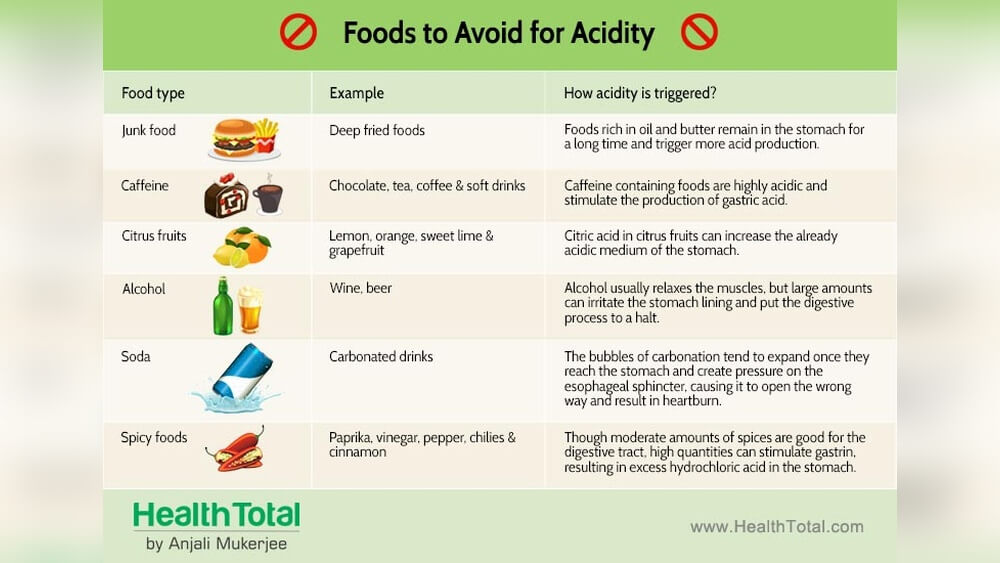
Avoiding certain foods and drinks plays a key role in stopping gastric problems. Some items irritate the stomach lining and increase acid production. This can lead to discomfort, bloating, and heartburn. Choosing the right foods helps soothe your digestive system and prevents flare-ups.
High-fat Foods
High-fat foods slow down digestion and cause stomach acid to rise. Fried items, fatty meats, and full-fat dairy often trigger gastric pain. Creamy sauces and butter add extra fat that can worsen symptoms. Eating less of these foods helps reduce acid reflux and bloating.
Acidic And Spicy Foods
Acidic foods like citrus fruits and tomatoes increase stomach acidity. Spicy foods, including hot peppers and chili powder, irritate the stomach lining. Both types can cause a burning sensation and discomfort. Limiting these foods can ease gastric distress and promote healing.
Irritants
Caffeine, alcohol, and carbonated drinks irritate the stomach. They increase acid production and weaken the digestive tract’s protective barrier. These irritants can cause pain, gas, and indigestion. Cutting back on these drinks supports better stomach health.
Processed Items
Processed foods contain additives and preservatives that upset digestion. Items like packaged snacks, fast food, and ready meals often have unhealthy fats and salt. These foods can trigger inflammation and worsen gastric symptoms. Choosing fresh, whole foods is a better option.
Eating Patterns To Ease Gastric Problems
Changing how you eat can help reduce gastric problems. Simple shifts in eating patterns ease digestion and lower discomfort. Small changes make a big difference for your stomach health.
Focus on how often and how you eat. These habits support better digestion and calm your gastric system.
Eat Small, Frequent Meals
Eating smaller meals often keeps your stomach from feeling too full. It helps reduce acid buildup and gas. Try to eat five to six small meals instead of three large ones.
Chew Food Slowly
Chewing food well breaks it down for easier digestion. Take time to chew each bite slowly. This reduces the work your stomach must do and lowers acid production.
Stay Hydrated
Drinking water helps food move smoothly through your digestive system. Aim for 6 to 8 glasses daily. Avoid drinking too much water during meals to stop diluting stomach acid.
Avoid Overeating
Eating too much at once strains your stomach. It causes bloating and discomfort. Stop eating before you feel too full to ease gastric stress.

Credit: www.truworthwellness.com
Cooking Tips For Better Digestion
Good cooking habits play a key role in easing digestion and avoiding gastric problems. How food is prepared can affect the stomach’s comfort and the body’s ability to absorb nutrients. Simple changes in cooking methods help protect the stomach lining and reduce acid build-up. These tips focus on gentle cooking that soothes the digestive system and supports overall gut health.
Choose Gentle Cooking Methods
Steaming, boiling, and baking are gentle ways to prepare food. These methods preserve nutrients and make food easier to digest. Avoid cooking at very high temperatures. Slow cooking breaks down fibers in vegetables and meats, easing digestion. Use water or broth instead of heavy oils or fats for cooking. Gentle cooking keeps food soft and mild on the stomach.
Limit Fried And Greasy Foods
Fried foods slow digestion and increase stomach acid. Greasy meals can cause bloating and discomfort. Cut back on fried snacks, fast food, and heavy sauces. Choose grilled, steamed, or roasted options instead. Use small amounts of healthy oils like olive oil. Eating less grease helps prevent heartburn and reduces gas buildup.
Incorporate Anti-inflammatory Ingredients
Add natural ingredients that calm the digestive tract. Ginger and turmeric reduce inflammation and soothe stomach pain. Fresh herbs like basil and sage help reduce nausea and improve digestion. Include fiber-rich foods such as oats and brown rice to support gut health. These ingredients protect the stomach lining and ease digestive stress.
Lifestyle Habits To Reduce Gastric Issues
Adopting healthy lifestyle habits plays a vital role in reducing gastric issues. Small changes in daily routines can ease digestion and lower discomfort. These habits help maintain a balanced stomach environment and prevent gas buildup. Understanding and applying these tips can improve overall stomach health.
Regular Exercise
Exercise helps food move smoothly through the digestive system. It reduces bloating and gas by stimulating digestion. Simple activities like walking or yoga can make a big difference. Aim for at least 30 minutes of moderate exercise most days. Regular movement also supports a healthy weight, which lessens stomach pressure.
Wear Comfortable Clothing
Tight clothes can squeeze the stomach and cause acid reflux or gas. Choose loose, breathable clothing that does not press on the belly. This allows the stomach to expand naturally after eating. Comfortable clothing helps avoid unnecessary pressure on your digestive organs. It also supports better posture, aiding digestion.
Manage Stress
Stress often worsens gastric problems by increasing acid production. Practice simple stress-relief techniques like deep breathing or meditation. Taking breaks and sleeping well also reduces stomach discomfort. Managing stress lowers the risk of digestive issues and improves overall health. Staying calm supports smooth digestion and less gas.
Consult Healthcare Providers
Seek medical advice if gastric problems persist or worsen. Healthcare providers can identify underlying causes and suggest treatments. They may recommend dietary changes, medications, or tests for better diagnosis. Early consultation prevents complications and promotes quicker relief. Trust professional guidance for safe and effective care.

Credit: www.curasia.com
Frequently Asked Questions
What To Eat To Reduce Gastric Problems?
Eat low-acid fruits like bananas and melons, cooked vegetables, lean proteins, whole grains, probiotics, and healthy fats. Avoid spicy, fatty, acidic, processed foods, alcohol, and caffeine. Drink water and herbal teas. Eat small, frequent meals to reduce gastric problems effectively.
How To Cure Gastric Problems In Pregnancy?
Eat small, frequent meals and avoid spicy, fatty, and gas-producing foods. Stay hydrated and chew slowly. Include ginger and low-acid fruits. Exercise gently and wear comfortable clothes. Always consult your healthcare provider before using remedies during pregnancy.
What Foods Help Gastritis Go Away?
Eat low-acid fruits like bananas and melons, cooked vegetables, lean proteins, probiotics, whole grains, and healthy fats. Avoid spicy, fatty, acidic, processed foods, alcohol, and caffeine to reduce gastritis symptoms effectively.
How Do You Reset Your Digestive System?
Reset your digestive system by eating fiber-rich foods, staying hydrated, avoiding processed foods, managing stress, and exercising regularly.
Conclusion
Good eating habits play a key role in stopping gastric problems. Choose gentle, low-acid foods like bananas and cooked vegetables. Eat smaller meals more often to ease digestion. Avoid spicy, fatty, and processed foods that irritate the stomach. Drink plenty of water and chew food slowly.
These simple steps help keep your stomach calm and healthy. Consistency matters; make these habits part of your daily routine. Your stomach will thank you for it.

“As the voice behind Radiant Glow Health, we are dedicated to being your ultimate wellness and vitality companion. Our mission is to inspire and guide you on your journey to a healthier and more vibrant life. Join us as we explore holistic health practices and empower you to radiate wellness from within.”