“How Much System in Human Body?”
Have you ever wondered how many systems work together inside your body to keep you alive and thriving every single day? Your body is an incredible machine, made up of several key systems that each play a vital role in maintaining your health and wellbeing.
From the way you move, breathe, and digest food, to how your body fights off illness and keeps everything balanced—these systems are constantly at work, often without you even noticing. Curious to learn exactly how many systems make up your body and what each one does?
Keep reading, because understanding these systems will not only amaze you but also help you appreciate just how complex and fascinating your body really is.
Credit: openmd.com
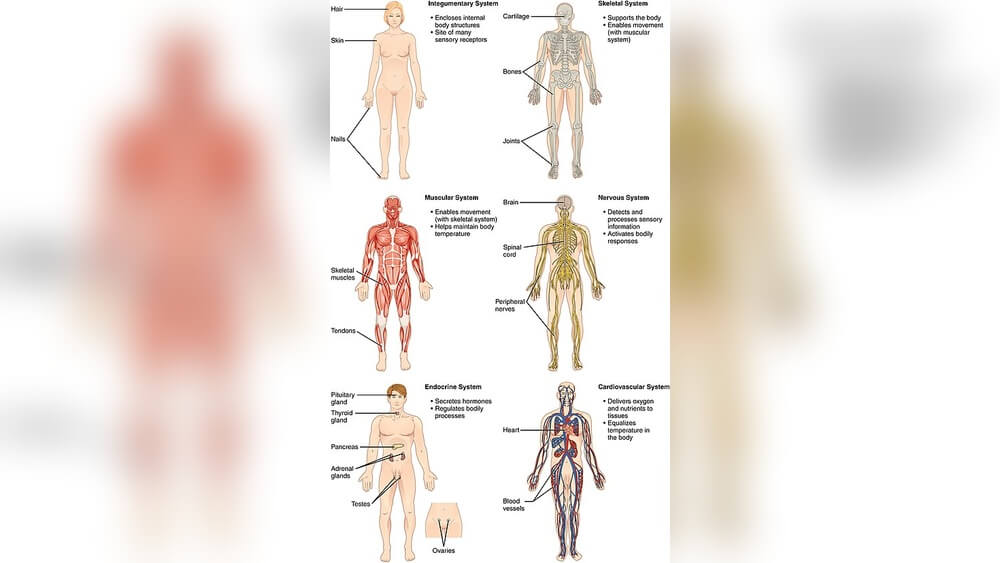
Integumentary System
The integumentary system is the body’s outer covering. It includes the skin, hair, and nails. This system protects the body from harm. It also helps control body temperature. The integumentary system is vital for health and survival.
Skin Structure And Functions
The skin has three main layers: epidermis, dermis, and hypodermis. The epidermis is the outer layer. It creates a barrier against germs and water loss. The dermis contains nerves and blood vessels. It supports skin strength and flexibility. The hypodermis stores fat and cushions the body. Skin senses touch, pain, and temperature. It also helps produce vitamin D from sunlight.
Hair And Nails Role
Hair grows from follicles in the skin. It protects the scalp and helps regulate heat. Hair also provides a sense of touch. Nails protect the tips of fingers and toes. They help with gripping and picking up objects. Both hair and nails are made of keratin. This protein makes them strong and tough.
Protection And Temperature Control
The integumentary system shields the body from injury and infection. It blocks harmful chemicals and ultraviolet rays. Sweat glands in the skin cool the body by releasing sweat. Blood vessels in the skin expand or contract to control heat loss. This process keeps body temperature stable. The system also prevents water loss to maintain hydration.
Skeletal System
The skeletal system forms the strong framework of the human body. It consists of bones and cartilage. This system supports the body’s shape and protects vital organs. It also plays a key role in movement and blood cell formation. Understanding the skeletal system helps us appreciate its many functions.
Bone Composition
Bones are made of minerals like calcium and phosphorus. These give bones their hardness. Inside, bones have a spongy texture that makes them lightweight. Bone tissue also contains living cells. These cells help repair and maintain bone strength.
Support And Movement
The skeleton supports the entire body. It gives the body its shape. Bones work with muscles to enable movement. Joints between bones allow bending and rotation. Without the skeleton, movement would be impossible.
Blood Cell Production
Bone marrow inside some bones produces blood cells. Red blood cells carry oxygen through the body. White blood cells fight infections. Platelets help blood clot to stop bleeding. This process is vital for health and healing.
Muscular System
The muscular system plays a vital role in the human body. It allows movement, supports posture, and helps maintain body temperature. This system includes different types of muscles that work together to perform these tasks.
Types Of Muscles
The body has three main types of muscles: skeletal, smooth, and cardiac. Skeletal muscles attach to bones and help in voluntary movements. Smooth muscles control movements inside organs, like the stomach and blood vessels. Cardiac muscle is found only in the heart and pumps blood throughout the body.
Movement And Posture
Skeletal muscles contract to create movement. They work in pairs to move bones at joints. These muscles also keep the body upright and stable. Good posture depends on strong and balanced muscles. Without muscles, standing or walking would be impossible.
Heat Generation
Muscles produce heat as they contract. This heat helps maintain the body’s temperature. During exercise, muscle activity increases, creating more heat. This process helps keep the body warm in cold conditions. Muscles play a key role in temperature regulation.
Credit: www.innerbody.com
Nervous System
The nervous system is vital for the human body. It controls how we think, move, and feel. This system sends messages between the brain and the rest of the body. It works quickly to keep the body balanced and safe.
The nervous system has many parts. It helps us react to the world and manage internal functions. Without it, the body would not work properly.
Brain And Spinal Cord
The brain is the control center of the nervous system. It processes information and directs actions. The spinal cord connects the brain to nerves throughout the body. It carries signals back and forth. Together, they form the central nervous system.
Nerve Functions
Nerves are like wires that carry electrical signals. These signals tell muscles to move and organs to work. Nerves also send pain or temperature information to the brain. They help the body respond quickly to changes.
Sensory Input And Control
The nervous system gathers data from senses like sight, touch, and sound. It interprets this sensory input to guide decisions. This system controls voluntary movements and automatic actions like breathing. It keeps the body in balance and aware of the environment.
Endocrine System
The endocrine system is a vital network of glands that produce and release hormones. These hormones regulate many body functions and maintain balance. Unlike the nervous system, which acts fast, the endocrine system works slowly but with lasting effects. It controls growth, metabolism, and mood through chemical signals sent in the bloodstream.
Major Glands
The main glands include the pituitary, thyroid, adrenal, and pancreas. The pituitary gland is the “master gland” that controls other glands. The thyroid regulates energy and metabolism. Adrenal glands produce stress hormones like adrenaline. The pancreas manages blood sugar levels by releasing insulin.
Hormone Functions
Hormones act as messengers that influence many body processes. They control growth, mood, and reproductive functions. For example, insulin helps cells absorb sugar for energy. Cortisol manages the body’s response to stress. Estrogen and testosterone regulate sexual development and reproduction.
Metabolic Regulation
The endocrine system plays a key role in metabolism. Thyroid hormones increase the rate at which cells use energy. Insulin and glucagon balance blood sugar levels. This balance keeps energy steady and supports body functions. Proper metabolic regulation helps maintain weight and overall health.
Cardiovascular System
The cardiovascular system is vital for life. It moves blood throughout the body. This system delivers oxygen and nutrients to every cell. It also removes waste products. The heart and blood vessels work together to keep blood flowing.
Heart Anatomy
The heart is a strong muscle about the size of a fist. It has four chambers: two atria and two ventricles. The right side pumps blood to the lungs. The left side pumps blood to the rest of the body. Valves inside the heart keep blood moving forward.
Blood Vessels Network
Blood vessels form a vast network throughout the body. Arteries carry blood away from the heart. Veins bring blood back to the heart. Capillaries connect arteries and veins. They allow oxygen and nutrients to pass into tissues.
Oxygen And Nutrient Transport
Blood carries oxygen from the lungs to cells. It also transports nutrients from the digestive system. Cells use oxygen and nutrients for energy and growth. Blood removes carbon dioxide and waste from cells. This transport system supports all body functions.
Lymphatic System
The lymphatic system is a vital part of the human body. It helps protect us from illness. This system also keeps the body’s fluid levels in balance. It works quietly but plays a big role in health. The lymphatic system consists of several key parts. These include lymph nodes, vessels, and organs like the spleen and thymus. Each part has a special job to do in the body’s defense and fluid regulation.
Lymph Nodes And Vessels
Lymph nodes are small, bean-shaped structures. They filter harmful substances from the lymph fluid. Lymph vessels carry this fluid throughout the body. These vessels form a network similar to blood vessels. They help move lymph, which contains white blood cells. The nodes trap bacteria and viruses, stopping them from spreading.
Immune Defense
The lymphatic system is a key player in immune defense. It produces and stores white blood cells. These cells fight infections and foreign invaders. The system detects harmful germs early. It then activates the immune response to protect the body. This defense helps keep people healthy and free from disease.
Fluid Balance
The lymphatic system also maintains fluid balance in the body. It collects excess fluid from tissues. This fluid, called lymph, would otherwise build up and cause swelling. The system returns lymph to the bloodstream. This process prevents fluid from accumulating in tissues. It helps keep the body’s tissues healthy and hydrated.
Respiratory System
The respiratory system plays a vital role in keeping the body alive. It supplies oxygen to the blood and removes carbon dioxide. This process is essential for energy production and overall health.
The system consists of several organs that work together to enable breathing. The lungs and airways form the main parts. They allow air to enter and exit the body smoothly.
Lungs And Airways
The lungs are two large organs located in the chest. They contain tiny air sacs called alveoli where gas exchange happens. The airways include the nose, throat, windpipe, and smaller tubes called bronchi.
These airways carry air from the outside environment into the lungs. They also filter and warm the air before it reaches the lungs.
Gas Exchange Process
Gas exchange occurs in the alveoli inside the lungs. Oxygen from the air passes through thin walls into the blood. At the same time, carbon dioxide moves from the blood to the alveoli.
This exchange is critical for removing waste gases and providing oxygen to cells. Without it, cells cannot produce energy efficiently.
Breathing Mechanics
Breathing involves two main actions: inhaling and exhaling. The diaphragm, a dome-shaped muscle below the lungs, contracts to pull air in. When it relaxes, air is pushed out.
Rib muscles also help expand and shrink the chest cavity. This movement creates pressure changes that drive airflow in and out of the lungs.
Digestive System
The digestive system plays a vital role in the human body. It processes the food we eat into energy and nutrients. This system helps maintain overall health and supports other body functions.
Understanding the digestive system reveals how our body uses food. It involves several organs working together. These organs break down food and absorb nutrients needed for life.
Organs Involved
The digestive system includes the mouth, esophagus, stomach, and intestines. The liver, pancreas, and gallbladder also assist digestion. Each organ has a unique role in processing food.
The mouth chews and mixes food with saliva. The stomach breaks food down using acids. The intestines absorb nutrients and send waste to be removed.
Food Breakdown
Food breakdown starts in the mouth with chewing and saliva. The stomach uses acid and enzymes to further digest food. This process turns food into a liquid mixture.
In the small intestine, enzymes continue breaking down food molecules. This makes nutrients small enough to enter the bloodstream. The large intestine absorbs water and forms waste.
Nutrient Absorption
The small intestine is the main site for nutrient absorption. Tiny finger-like structures called villi increase the surface area. They help absorb vitamins, minerals, and other nutrients.
These nutrients pass into the blood and travel to cells. The body uses them for energy, growth, and repair. Proper absorption is essential for good health.
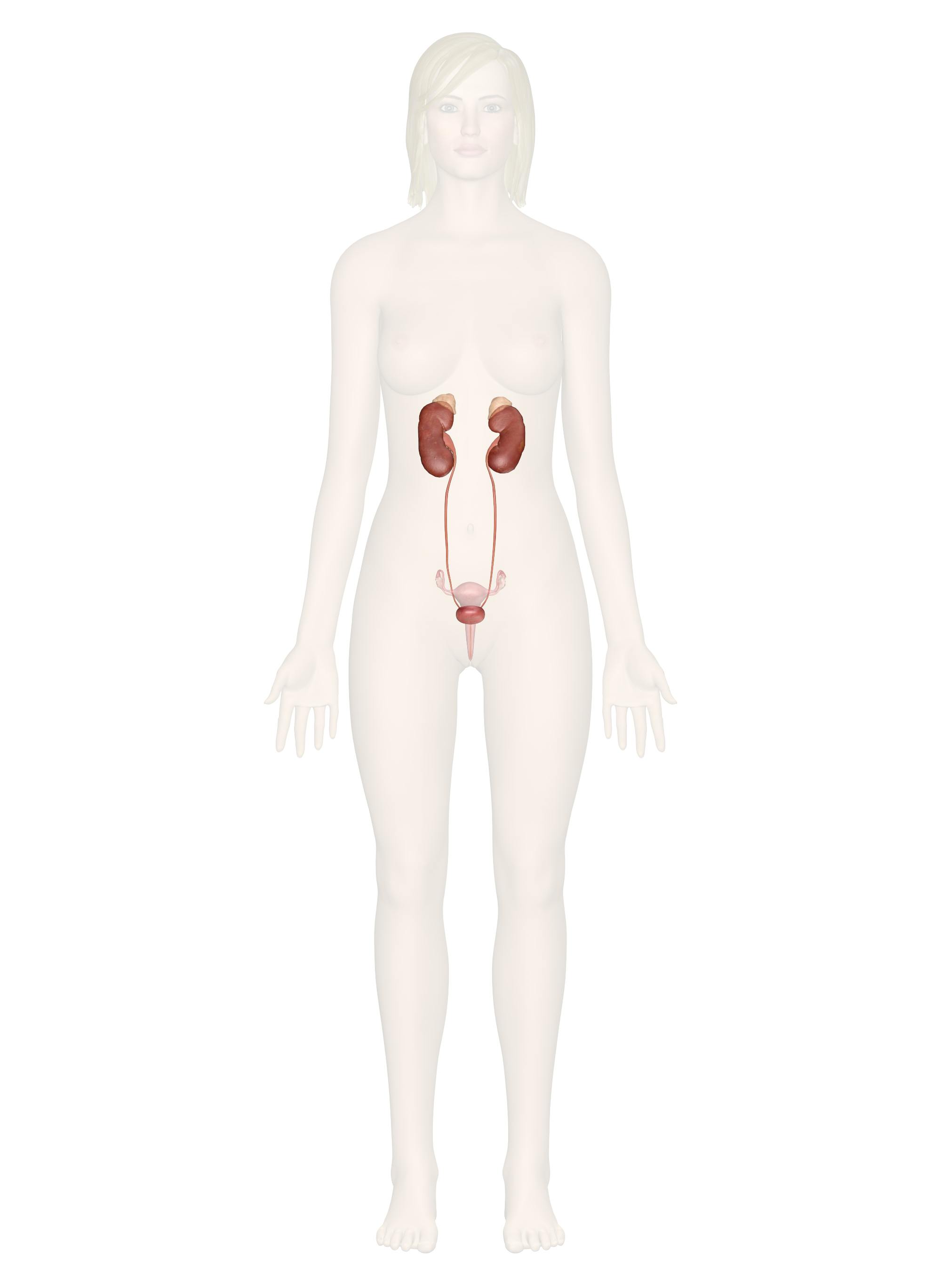
Urinary System
The urinary system plays a crucial role in the human body. It removes waste and controls fluid levels. This system helps keep the body’s internal environment stable. It works quietly but is vital for health and survival.
Kidneys And Bladder
The kidneys are two bean-shaped organs. They filter blood to remove waste and extra water. Clean blood returns to the body after filtering. The bladder is a hollow, muscular sac. It stores urine until the body is ready to release it.
Waste Removal
The urinary system removes harmful waste from the body. Waste comes from the breakdown of food and cells. Kidneys filter toxins and excess substances from the blood. These wastes leave the body as urine. This process helps prevent damage to organs.
Fluid And Electrolyte Balance
The urinary system controls the amount of water in the body. It balances important minerals like sodium and potassium. This balance keeps cells working properly. Proper fluid levels support blood pressure and overall health. The kidneys adjust urine output to maintain this balance.
Reproductive System
The reproductive system plays a vital role in the human body. It enables the creation of new life. This system involves specialized organs and hormones. Both males and females have unique reproductive structures. These organs work together to support reproduction and hormone balance.
Male And Female Organs
The male reproductive system includes the testes, penis, and associated ducts. Testes produce sperm and male hormones. The female reproductive system contains the ovaries, fallopian tubes, uterus, and vagina. Ovaries release eggs and female hormones. Each organ has a specific role in reproduction.
Reproductive Functions
The main function is to produce offspring. Males produce and deliver sperm cells. Females release eggs and provide a place for fertilization. The uterus supports the developing fetus during pregnancy. Both systems ensure the survival of human species.
Hormone Production
Reproductive organs produce important hormones. In males, testosterone controls sperm production and male traits. In females, estrogen and progesterone regulate the menstrual cycle and pregnancy. These hormones influence physical changes and reproductive health. They also affect mood and energy levels.
Credit: www.carolina.com
Frequently Asked Questions
What Are The 12 Systems Of The Body?
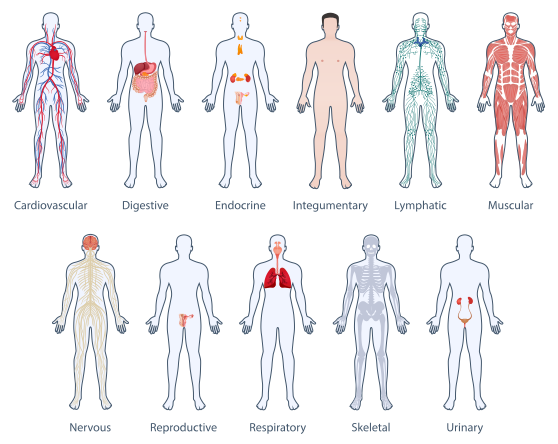
The 12 body systems are integumentary, skeletal, muscular, nervous, endocrine, cardiovascular, lymphatic, respiratory, digestive, urinary, reproductive, and immune. Each system performs vital functions like protection, movement, control, transport, defense, gas exchange, nutrient absorption, waste removal, hormone regulation, and reproduction.
How Many Systems Are In Our Bodies?
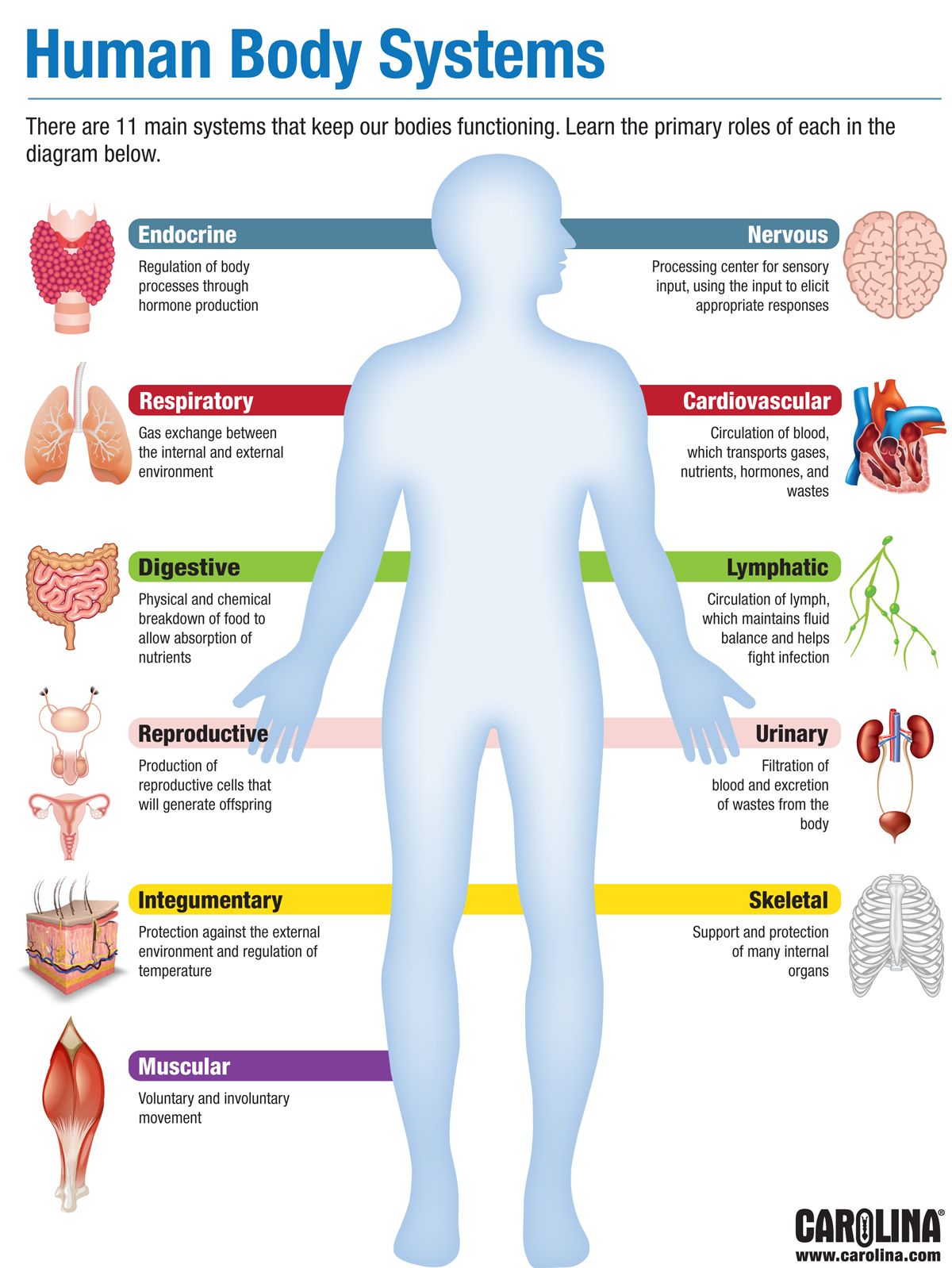
The human body has 11 major systems: integumentary, skeletal, muscular, nervous, endocrine, cardiovascular, lymphatic, respiratory, digestive, urinary, and reproductive. Each system plays a vital role in maintaining health and supporting life functions.
How To Remember 11 Organ Systems?
Use the mnemonic “I See Many Nervous Elephants Carry Large Red Umbrellas During Rainy Events” to remember the 11 organ systems easily.
How Many Systems Are Available In The Human Body?
The human body has 11 major systems: integumentary, skeletal, muscular, nervous, endocrine, cardiovascular, lymphatic, respiratory, digestive, urinary, and reproductive. Each system performs specific functions essential for survival and health.
Conclusion
The human body has many systems working together every day. Each system plays a special role to keep us alive and healthy. From breathing to moving, all systems connect and support each other. Understanding these systems helps us appreciate our body’s complexity.
Take care of your body by keeping all systems strong and balanced. This knowledge can improve how you live and feel each day.

“As the voice behind Radiant Glow Health, we are dedicated to being your ultimate wellness and vitality companion. Our mission is to inspire and guide you on your journey to a healthier and more vibrant life. Join us as we explore holistic health practices and empower you to radiate wellness from within.”