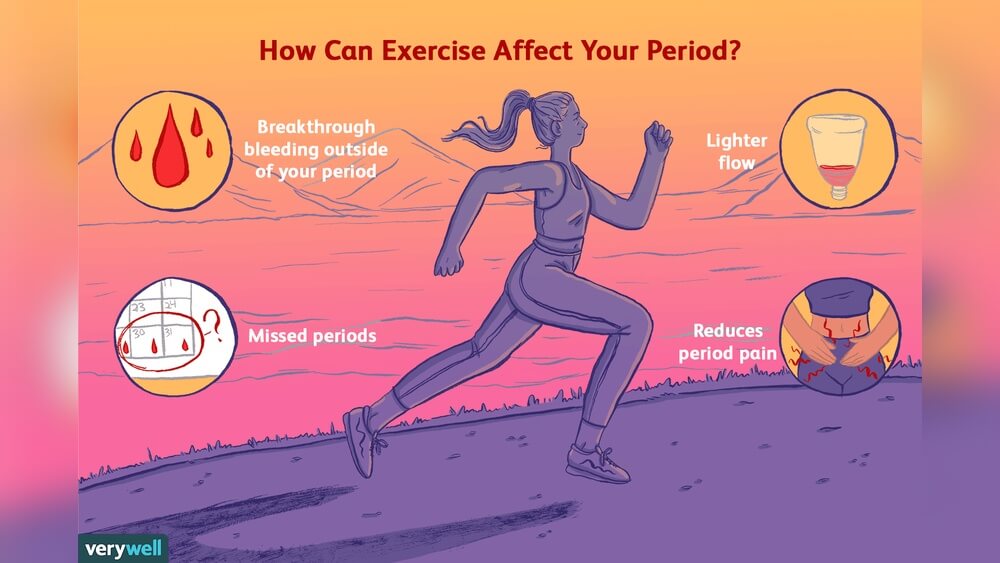
Wondering if you should exercise on your period? It’s a question many ask, especially when cramps, fatigue, and mood swings hit.
You might think resting is the best option, but what if moving your body could actually make you feel better? Exercise can be a powerful tool to ease discomfort and boost your mood during those days. But how do you know what type of workout is right for you?
Keep reading to discover the surprising benefits of exercising on your period, what activities work best, and what to avoid to stay comfortable and energized. Your body knows best—let’s help you listen to it.
Benefits Of Exercising On Your Period
Exercising during your period offers many benefits that improve physical and mental well-being. It helps ease common symptoms like cramps and fatigue. Moving your body can make the menstrual phase more manageable.
Light to moderate exercise is often enough to feel these positive effects. Choosing activities you enjoy encourages consistency and comfort. Let’s explore how working out supports your body on your period.
Pain Relief Through Endorphins
Exercise triggers the release of endorphins, natural painkillers in the brain. These chemicals reduce menstrual cramps and discomfort. Moving gently can distract from pain and lessen its intensity.
Activities like walking or stretching increase blood flow, which helps relax muscles. This can further ease period pain. Endorphins also create a feeling of well-being, reducing stress during menstruation.
Mood Improvement And Pms
Physical activity lifts mood by balancing hormones and reducing tension. It lowers symptoms of premenstrual syndrome (PMS) such as irritability and sadness. Exercise promotes better sleep, which improves emotional health.
Regular movement helps regulate mood swings and anxiety. Even short sessions of gentle exercise can brighten your day. Staying active supports mental clarity and calmness throughout your cycle.
Reducing Bloating And Water Retention
Exercise stimulates the lymphatic system, helping remove excess fluids. This reduces bloating and swelling often felt during periods. Moving your body encourages circulation and reduces water retention.
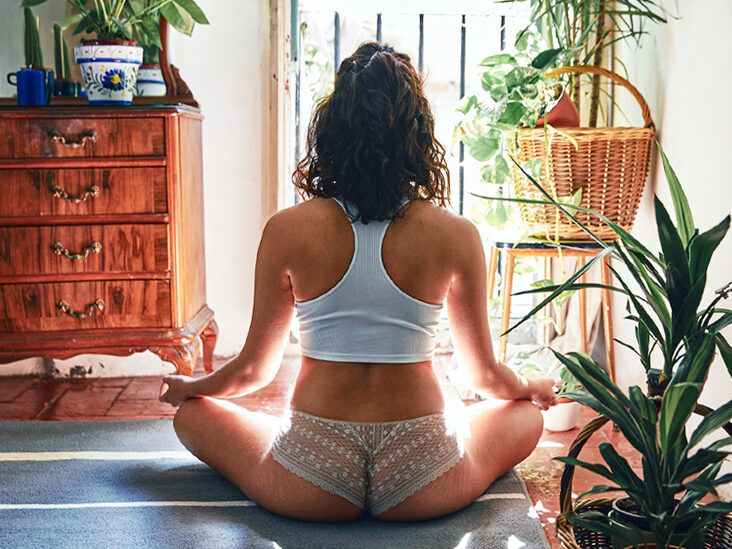
Light cardio or yoga can ease the heavy, uncomfortable sensation caused by bloating. Keeping active prevents feeling sluggish and promotes a lighter, more comfortable body.
Boosting Energy Levels
Physical activity increases oxygen flow and boosts metabolism. This helps combat fatigue common during menstruation. Exercise energizes the body and mind, making daily tasks easier to handle.
Even low-impact activities help maintain stamina and reduce tiredness. Regular movement supports overall vitality and helps maintain a steady energy level during your period.
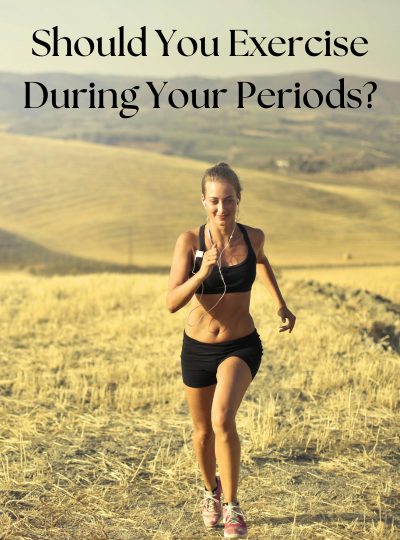
Credit: www.cambiowoman.com
Best Exercises During Menstruation
Adjusting your workouts to match your menstrual flow helps maintain comfort and energy. Each day of your period can feel different. Your body may need gentler movement or more rest. Modifying exercise routines supports your well-being without losing progress.
Paying attention to your body’s signals guides better workout choices. Small changes make a big difference during your cycle.
Listening To Your Body
Notice how you feel before and during exercise. Some days bring cramps or fatigue. Others offer more strength and focus. Choose activities that suit your mood and energy level. Rest or switch to gentle exercises if discomfort arises. Your body’s cues help prevent injury and burnout.
Scaling Back On Heavy Days
Heavier flow days may call for lighter workouts. Avoid intense cardio or heavy lifting. Opt for stretching, walking, or yoga instead. These low-impact activities ease cramps and improve circulation. Scaling back keeps exercise safe and manageable. It also helps you stay consistent without strain.
Consistency Over Intensity
Maintaining regular movement beats pushing too hard. Mild, steady exercise supports hormone balance and mood. Focus on showing up rather than max effort. Consistency builds habits that last beyond your period. This approach reduces stress and enhances recovery.
Adjusting Workouts To Your Flow
Many women avoid exercise during their period due to common myths. These false beliefs can cause unnecessary worry and missed health benefits. Understanding the truth helps make better choices about staying active while menstruating.
Exercise Worsens Cramps
Many think exercise makes cramps worse. Actually, mild to moderate exercise can reduce pain. Movement increases blood flow and releases endorphins that ease discomfort. Gentle activities like walking or stretching help more than rest alone.
Rest Is Always Better
Rest feels good, but too much can lower energy and mood. Light exercise improves circulation and boosts stamina. It also helps reduce bloating and fatigue. Balance rest with activity based on how your body feels each day.
Period Exercise Is Unsafe
Exercise during periods is safe for most women. There is no medical reason to avoid workouts. Using proper menstrual products and choosing comfortable activities keeps you safe. Listening to your body is key to avoiding overexertion.
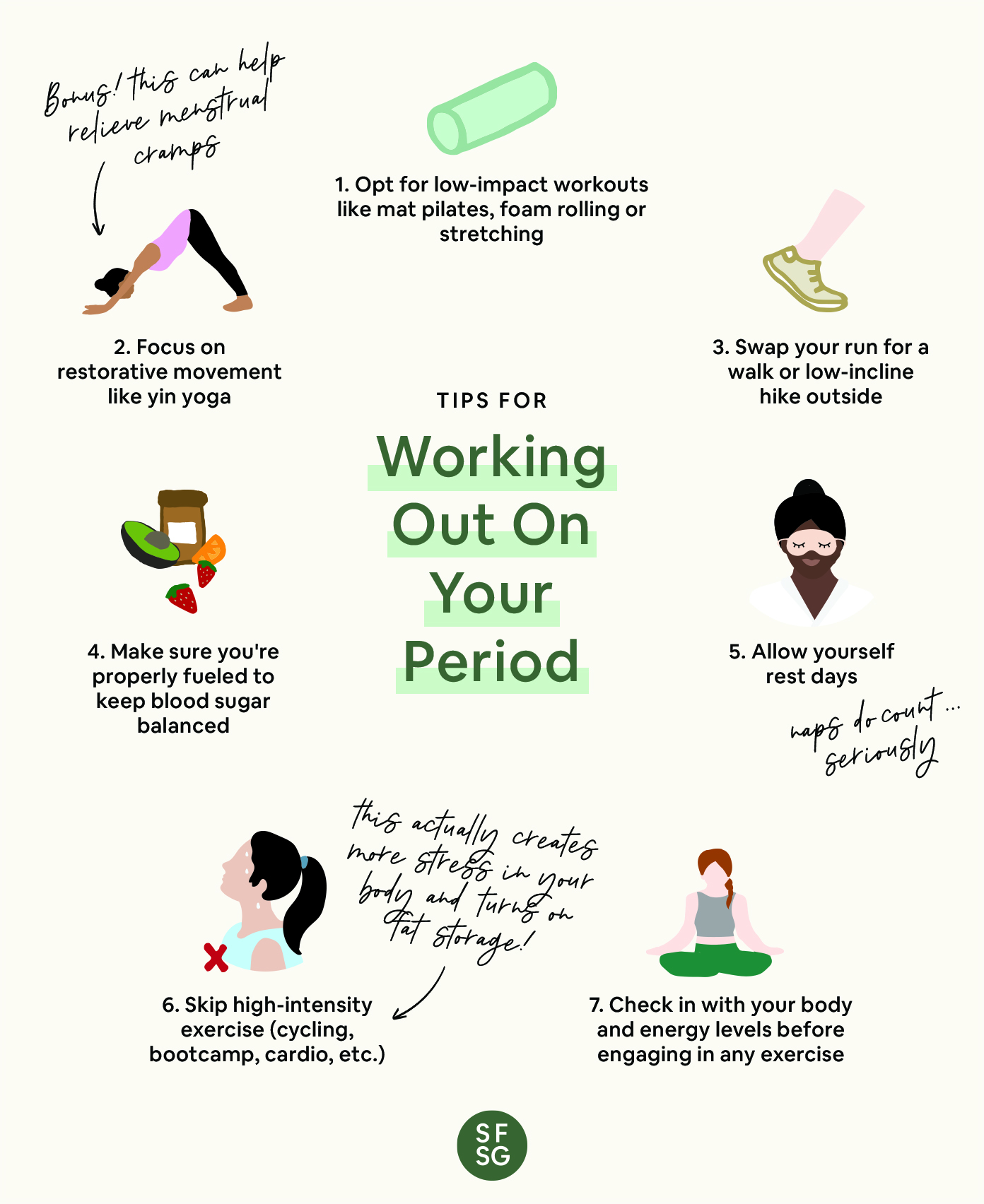
Credit: sofreshnsogreen.com
Credit: www.healthline.com
Frequently Asked Questions
Is It Better To Workout Or Rest On Your Period?
Exercising during your period can reduce cramps, bloating, and mood swings by releasing endorphins. Choose light activities like walking or yoga. Rest if you feel fatigued or have heavy flow. Listen to your body and avoid intense workouts on heavy or uncomfortable days.
What Exercises Should Be Avoided During Periods?
Avoid high-intensity workouts, heavy lifting, and strenuous exercises during periods. These may worsen cramps and fatigue. Opt for lighter activities instead.
Can Exercise Make Your Period Better?
Yes, exercise can improve your period by reducing cramps, bloating, and mood swings. It boosts energy and eases discomfort.
Which Exercise Is Best During Periods?
Gentle exercises like walking, yoga, swimming, and light cycling ease cramps, reduce bloating, and boost mood during periods. Avoid intense workouts if energy is low.
Conclusion
Exercising during your period can ease pain and lift your mood. Choose gentle workouts like walking or yoga on low-energy days. Pay attention to your body’s signals and adjust activity as needed. Staying active supports blood flow and reduces bloating.
Regular exercise can make your cycle more manageable and less stressful. Remember, comfort matters most—exercise in ways that feel good to you. This simple habit can help you feel stronger and more balanced every month.

“As the voice behind Radiant Glow Health, we are dedicated to being your ultimate wellness and vitality companion. Our mission is to inspire and guide you on your journey to a healthier and more vibrant life. Join us as we explore holistic health practices and empower you to radiate wellness from within.”