Is it safe to exercise during your periods? If you’ve ever wondered whether hitting the gym or going for a run while on your period is a good idea, you’re not alone.
Many women hesitate because of cramps, fatigue, or fear of making symptoms worse. But the truth is, staying active during your period can actually help ease discomfort and boost your mood—if you know which exercises to choose and which to avoid.
You’ll discover simple tips to exercise safely during your cycle, understand what workouts might do more harm than good, and learn how to listen to your body to feel your best every day of the month. Keep reading to find out how you can turn your period into a time of strength, not struggle.
Benefits Of Exercising On Periods
Exercising during periods offers many benefits that can ease discomfort and improve well-being. Moving your body helps reduce pain and lifts your spirits. Simple workouts can boost energy and support healthy blood flow. Understanding these benefits encourages a gentle approach to staying active on your period.
Mood Enhancement
Exercise releases natural chemicals called endorphins. These help improve mood and reduce feelings of sadness. Physical activity can ease stress and anxiety that often come with periods. A short walk or gentle yoga can brighten your day.
Cramps Relief
Light exercise helps relax muscles in the abdomen and lower back. This can reduce the intensity of menstrual cramps. Moving around increases blood flow, which helps ease pain. Gentle stretching or swimming often brings relief during discomfort.
Energy Boost
Physical activity can fight fatigue caused by hormonal changes. Exercise increases oxygen supply to the body and brain. This leads to higher energy levels and better focus. Even mild exercise like walking can help you feel less tired.
Improved Blood Circulation
Exercise promotes healthy blood flow throughout the body. Better circulation helps remove toxins and reduce swelling. It also supports the healing process during menstruation. Activities such as cycling or light jogging improve circulation safely.
Exercises To Avoid
During periods, certain exercises may cause discomfort or worsen symptoms. Avoid workouts that place heavy strain on your body or increase abdominal pressure. Intense and strenuous activities can elevate cramps, bloating, and fatigue. Choosing safer alternatives helps maintain your energy and well-being.
Heavy Weightlifting
Lifting very heavy weights increases pressure on your pelvis. This strain can worsen menstrual pain. It may also cause discomfort and muscle tension. Light strength training is better during this time.
Intense Hiit
High-Intensity Interval Training demands a lot of energy fast. During periods, energy levels often drop. Intense HIIT can leave you feeling exhausted and weak. Gentle cardio or stretching is a safer choice.
Core Workouts
Exercises like crunches, sit-ups, and leg raises target the abdomen. These can increase cramps and pelvic discomfort. Avoid heavy core workouts until your symptoms ease. Opt for mild core engagement or rest.
Strenuous Cardio
Long runs, fast cycling, or intense cardio sessions drain your energy. These activities may worsen fatigue and bloating. Slow walking or light cycling supports your body better.
Inverted Yoga Poses
Upside-down poses increase blood flow to the head and pelvic area. This may cause more bleeding or discomfort. Stick to gentle, upright yoga poses that relax muscles.
Explosive Movements
Jumping exercises like burpees or jump squats shock your body quickly. They can amplify fatigue and cramps during periods. Choose smooth, low-impact movements instead.
Risks Of Intense Workouts
Intense workouts during periods can carry certain risks that affect your comfort and health. The body’s response to heavy exercise changes due to hormonal shifts. Understanding these risks helps make better exercise choices during menstruation.
Increased Pain And Discomfort
High-intensity workouts may worsen menstrual cramps and pelvic pain. Heavy core exercises like sit-ups add pressure to sensitive areas. This can increase bloating and muscle soreness. Pain may last longer after intense sessions.
Energy Drain
Hormone fluctuations reduce energy levels during periods. Strenuous workouts demand more energy than the body can supply. This mismatch causes tiredness and weakness faster than usual. Fatigue affects focus and performance negatively.
Overexertion Consequences
Exercising too hard can lead to dizziness or nausea. Overexertion may disrupt your menstrual cycle temporarily. It can also weaken the immune system, increasing illness risk. Rest and moderate activity prevent these problems effectively.
:max_bytes(150000):strip_icc()/exercise-effects-on-menstruation-4104136-5c04719446e0fb0001d4639e.png "Is It Safe to Exercise During Periods: Expert Tips Revealed 2")
Credit: www.verywellhealth.com
Safe Exercises During Periods
Choosing safe exercises during periods helps maintain comfort and energy. Light activities support the body without causing extra strain. These exercises can ease cramps and boost mood. They also improve blood flow and reduce bloating. Always pay attention to how your body feels and adjust activity accordingly.
Walking And Light Jogging
Walking is a gentle way to stay active on period days. It increases circulation and helps reduce cramps. Light jogging suits those who feel more energetic. Keep the pace slow to avoid fatigue. These exercises improve mood and release tension.
Gentle Yoga And Pilates
Yoga and Pilates promote relaxation and flexibility. Choose poses that open the hips and stretch the lower back. Avoid intense or inverted positions that may increase discomfort. These exercises calm the mind and ease menstrual pain. Breathing techniques also help reduce stress.
Swimming
Swimming is low-impact and supports the body’s weight. Water’s buoyancy reduces pressure on joints and muscles. Swimming can relieve cramps and muscle soreness. Use a tampon or menstrual cup for comfort. Keep the session light to moderate for best results.
Stretching
Stretching helps release muscle tension and improve blood flow. Focus on gentle stretches for the back, hips, and legs. Stretching can reduce stiffness and pain. It prepares the body for other light exercises. Do not push into pain; keep movements smooth and easy.
Listening To Your Body
Listening to your body is key when exercising during periods. Every woman experiences her cycle differently. Your energy levels, pain, and mood can change daily. Paying close attention to these signals helps you decide the right kind and amount of exercise. Sometimes, rest is more beneficial than pushing through discomfort.
Exercise during menstruation should feel good, not painful. Adjusting your workout based on how you feel supports your overall health. This approach helps avoid worsening symptoms like cramps or fatigue. Knowing when to rest and how to modify activity keeps your body balanced and strong.
Recognizing When To Rest
Rest is essential if you feel sharp pain or severe fatigue. Do not ignore dizziness or nausea during workouts. These signs mean your body needs a break. Light stretching or gentle walking can replace intense exercise on tough days. Allowing time to recover supports faster healing and better performance later.
Adjusting Workout Intensity
Lower the intensity when cramps or bloating appear. Choose activities like walking, yoga, or swimming instead of heavy lifting. Shorten your workout duration if energy feels low. Focus on movements that feel comfortable and avoid exercises that strain your abdomen. This helps maintain activity without causing harm.
Hydration And Nutrition Tips
Drink plenty of water to stay hydrated during workouts. Dehydration can worsen cramps and fatigue. Eat balanced meals with iron-rich foods to replenish lost nutrients. Small, frequent snacks keep energy steady throughout the day. Proper hydration and nutrition support your body’s needs during exercise and menstruation.
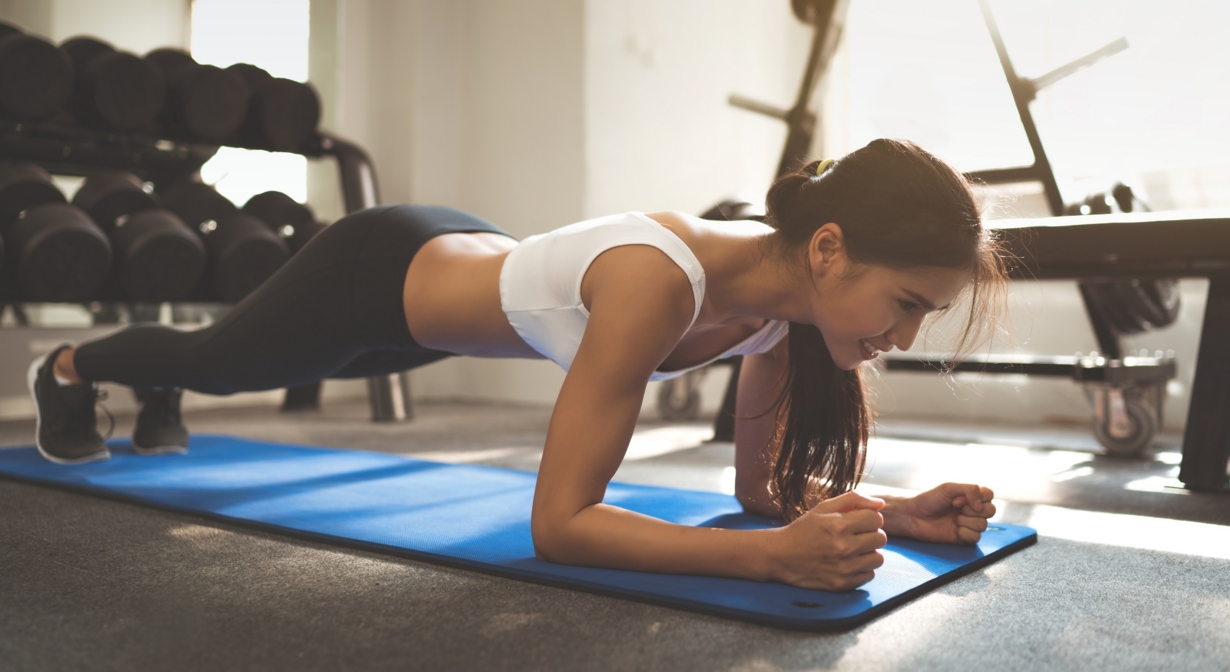
Credit: flo.health
Modifying Workouts For Comfort
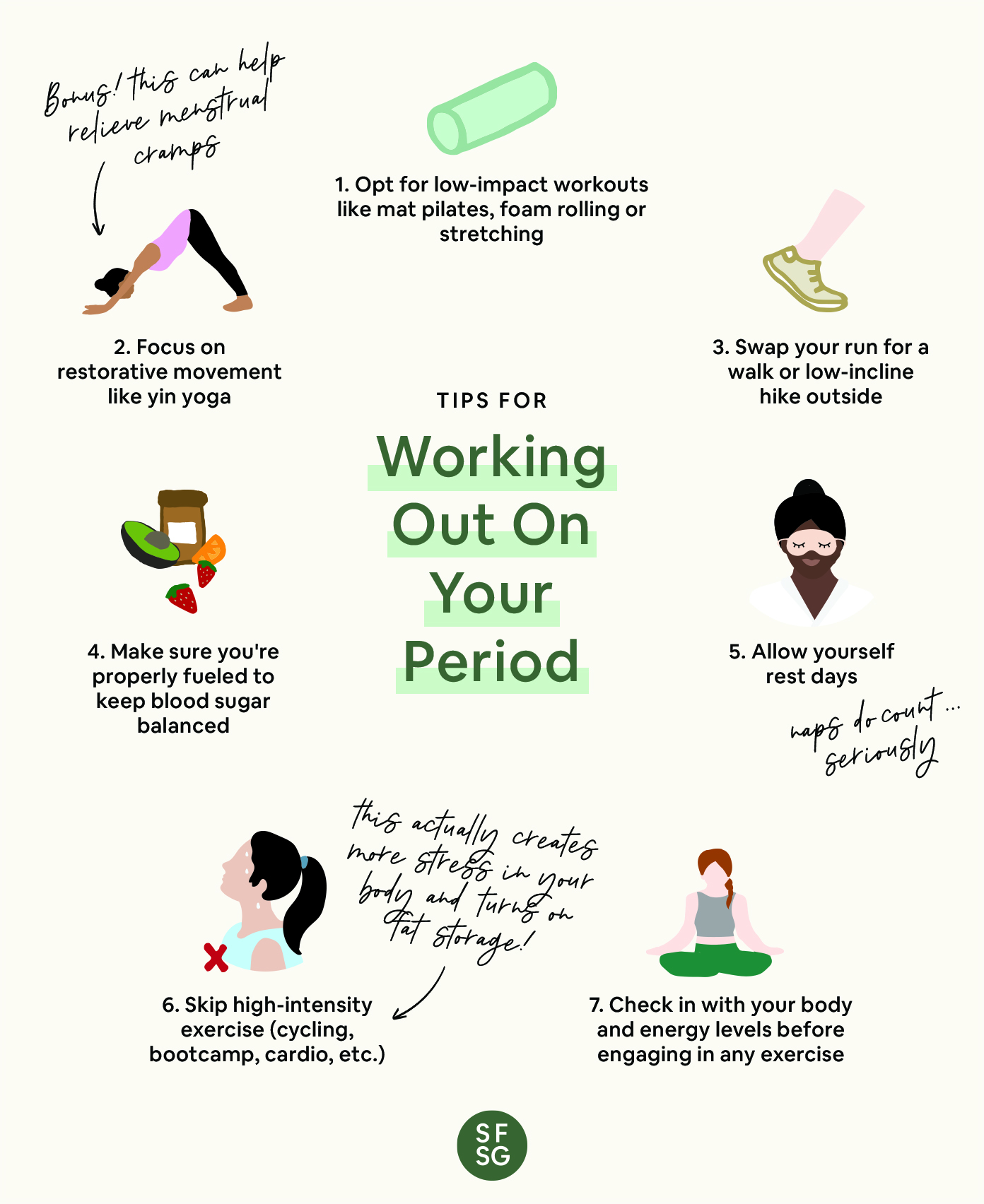
Exercise during periods can feel different from usual. Your body needs gentle care. Adjusting your workouts helps reduce discomfort and keep you active safely. Small changes make a big difference.
Focus on comfort and listen to your body’s signals. Avoid pushing too hard. Choose movements that ease tension and support your well-being.
Reducing Abdominal Pressure
Avoid exercises that increase pressure on your belly. Heavy lifting and deep core workouts can cause pain. Instead, try gentle stretches and movements that do not strain your abdomen. This helps reduce cramps and bloating.
Choosing Low-impact Activities
Low-impact exercises are easier on your body during periods. Walking, swimming, and gentle yoga relax muscles without causing stress. These activities improve blood flow and ease discomfort. They keep you moving without overexertion.
Balancing Activity And Rest
Rest is as important as exercise. Balance light activity with breaks to avoid fatigue. Pay attention to how you feel. Rest when needed to help your body recover and maintain energy levels.
Credit: sofreshnsogreen.com
Frequently Asked Questions
What Exercises Should I Avoid During Periods?
Avoid heavy weightlifting, intense HIIT, deep core exercises (crunches, sit-ups), long strenuous cardio, and upside-down yoga during periods. These increase cramps, fatigue, and bloating. Choose lighter activities like walking, gentle yoga, or swimming instead, and always listen to your body’s signals.
Is It Good To Exercise While On Your Period?
Exercising during your period can reduce cramps and boost mood. Choose light activities like walking, yoga, or swimming. Avoid heavy lifting, intense cardio, and core workouts to prevent increased pain and fatigue. Always listen to your body and rest when needed.
What Not To Do During A Period?
Avoid heavy weightlifting, intense HIIT, strenuous cardio, and core exercises during periods. These increase cramps and fatigue. Skip upside-down yoga and explosive movements. Prioritize rest, light walking, gentle yoga, and hydration to ease discomfort and support your body.
Can Exercise Make Your Period Better?
Exercise can reduce period cramps, improve mood, and regulate cycles. Choose gentle activities like walking or yoga. Avoid intense workouts that increase discomfort.
Conclusion
Exercising during periods is safe with the right approach. Choose gentle activities like walking, swimming, or yoga to ease discomfort. Avoid heavy lifting, intense cardio, and core exercises that may worsen cramps. Pay attention to your body’s signals and rest when needed.
Staying hydrated and eating well also support your energy. Small, mindful movements can boost mood and reduce pain. Remember, every body is different—find what feels best for you. Staying active, but gentle, helps keep both body and mind balanced during your cycle.

“As the voice behind Radiant Glow Health, we are dedicated to being your ultimate wellness and vitality companion. Our mission is to inspire and guide you on your journey to a healthier and more vibrant life. Join us as we explore holistic health practices and empower you to radiate wellness from within.”