If you ever notice signs of abuse in a care home, it can feel overwhelming and confusing. But your actions can make a huge difference.
Whether it’s a small hint or a clear red flag, knowing exactly what to do next is crucial to protect those who may not be able to speak up for themselves. You’ll learn simple, clear steps to take if you see abuse in a care home.
By understanding how to spot warning signs and where to turn for help, you can become a powerful advocate for safety and dignity. Keep reading to empower yourself and make sure your voice helps protect the vulnerable.
Spotting Abuse Signs
Spotting signs of abuse in a care home helps protect vulnerable residents. Abuse can take many forms and may not always be obvious. Knowing what to watch for is essential. This section highlights clear indicators across physical, emotional, and environmental areas. These clues can guide you to act quickly and safely.
Physical Indicators
Look for bruises, cuts, or burns on unusual body parts. Frequent injuries without clear explanations raise concerns. Signs of restraint, such as marks on wrists or ankles, also stand out. Poor hygiene, weight loss, or untreated medical conditions may indicate neglect. Sudden changes in mobility or difficulty moving can be a red flag.
Emotional And Behavioral Clues
Residents may show fear or anxiety around certain staff members. Withdrawal from social activities or depression often signals distress. Unexplained anger, agitation, or confusion can suggest mistreatment. Watch for changes in sleep patterns or appetite. Sudden silence or reluctance to speak about the care home environment is suspicious.
Environmental Red Flags
Poor living conditions reflect neglect and possible abuse. Look for dirty rooms, foul smells, or broken equipment. Lack of personal belongings or clothing shows neglect. Staff shortages or rushed care may increase the risk of abuse. Notice if residents seem isolated or locked in specific areas without reason.

Credit: theconsumervoice.org
Immediate Actions To Take
Seeing abuse in a care home is alarming. Acting quickly can protect the victim and stop further harm. Knowing what to do right away is vital. The following steps guide you through immediate actions that help ensure safety and proper handling of the situation.
Ensuring Victim Safety
First, check if the victim is in immediate danger. Move them to a safe place if possible and safe to do so. Stay calm to avoid causing more distress. Call emergency services if urgent medical help is needed. Make sure the victim is not left alone until help arrives.
Documenting Evidence
Record details of what you saw clearly and accurately. Note dates, times, and descriptions of the abuse. Take photos only if it is safe and allowed. Keep written records private and secure. This information will support any investigation and help protect the victim.
Avoiding Direct Confrontation
Do not confront the abuser directly. It can cause more harm or put you at risk. Focus on reporting the abuse to the right authorities. Let professionals handle the situation carefully and legally. Your safety and the victim’s safety come first.
Who To Contact
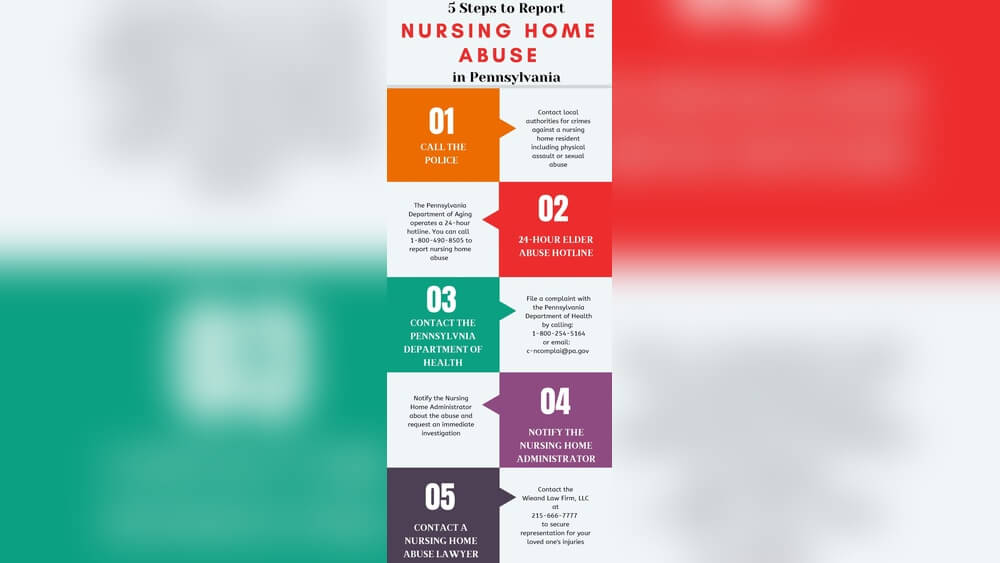
Knowing the right steps to report abuse in a care home is crucial. Proper reporting helps protect vulnerable residents. It also ensures that authorities can take swift action. Below are clear instructions on how to report abuse effectively.
Making A Formal Complaint
Start by writing down what you saw or heard. Include dates, times, and names if possible. Contact the care home manager or director first. They must investigate your complaint.
If the care home does not respond or you feel unsafe, report to local authorities. This can be adult safeguarding services or social workers. You can also call the police if the situation is urgent.
Confidentiality And Anonymity
Your identity is protected when you report abuse. Most agencies allow you to stay anonymous. This helps prevent retaliation or fear of harm.
Confidentiality means details of the case are only shared with people who need to know. This keeps the victim’s privacy safe. You should feel secure in reporting concerns.
Follow-up Steps
After reporting, ask for a reference or case number. This helps track the progress of your complaint. Stay in touch with the agency handling the case.
Provide any new information if you learn more. Be patient, as investigations can take time. Your report plays an important role in stopping abuse.

Credit: www.burgsimpson.com
Reporting Procedures
Supporting the victim is a key step after noticing abuse in a care home. Victims often feel scared, confused, and alone. Offering support helps them regain trust and strength. It creates a safe space where they can share their feelings and start healing.
Providing Emotional Support
Listen carefully and show kindness. Use simple words and a calm tone. Let the victim know you believe them. Avoid blaming or questioning their story. Encourage them to express their feelings at their own pace. Small acts of care can ease their fear.
Connecting With Advocacy Groups
Advocacy groups offer expert help and protection. They understand abuse and know how to support victims. Find local organizations that specialize in elder or care home abuse. These groups provide advice, legal help, and emotional support. They can guide victims through the recovery process.
Safety Planning
Safety planning means making steps to protect the victim. Identify safe places where they can go if needed. Help them keep important phone numbers handy. Discuss ways to avoid contact with the abuser. Plan how to get help quickly during emergencies. Safety plans give victims control and peace of mind.
Supporting The Victim
Preventing future abuse in care homes requires a strong, ongoing commitment from everyone involved. It demands clear actions that protect residents and promote a safe environment. Focus on three key areas: monitoring care quality, educating staff and families, and encouraging open communication. These steps help stop abuse before it starts.
Monitoring Care Quality
Regular checks keep care standards high. Care homes should have strict routines to review how staff treat residents. Inspections and audits help spot problems early. Tracking care plans and daily activities ensures residents get proper attention. Families and independent observers can also play a role in monitoring quality. This vigilance creates a safer space for everyone.
Educating Staff And Families
Training is essential for preventing abuse. Staff must understand the signs of abuse and how to respond. Education helps them provide respectful, kind care. Families also need guidance on what to watch for and how to raise concerns. Workshops and simple guides can make a big difference. Knowledge empowers everyone to protect residents effectively.
Encouraging Open Communication
Open talks build trust and reduce fear. Residents should feel safe to share their worries without punishment. Care staff must listen carefully and take complaints seriously. Regular meetings and feedback sessions create a supportive atmosphere. Clear communication prevents misunderstandings and uncovers hidden issues early. Everyone benefits from a culture of honesty and respect.

Credit: www.kobricklaw.com
Frequently Asked Questions
What Should You Do If You Suspect Abuse In Care?
Report your concerns immediately to the person’s GP, social worker, or local adult safeguarding team. Contact the police if urgent. Document all signs clearly and follow up with appropriate authorities to ensure the person’s safety. Prioritize the victim’s well-being throughout the process.
What Does A Red Flag Mean In A Nursing Home?
A red flag in a nursing home signals potential issues like neglect, abuse, unexplained injuries, or poor hygiene. It warns of unsafe care conditions.
What Is Your Responsibility Following Suspected Abuse In A Nursing Home?
Report suspected nursing home abuse immediately to local authorities or adult safeguarding services. Notify the facility management and document all evidence. Ensure the victim’s safety and follow legal requirements for mandated reporting. Act promptly to protect vulnerable residents and prevent further harm.
How Do You Deal With An Abusive Person?
Set clear boundaries and prioritize your safety. Seek support from trusted friends, counselors, or authorities. Develop a safety plan and consider professional help. Protect your well-being and plan an exit if necessary.
Conclusion
Seeing abuse in a care home demands immediate attention and action. Speak up to protect those who cannot protect themselves. Contact local authorities or adult safeguarding teams without delay. Keep observing and documenting any signs carefully. Your voice can make a difference in someone’s life.
Everyone deserves respect, safety, and kindness in care homes. Stay informed and ready to help whenever needed. Together, we create safer places for our elders and vulnerable adults.

“As the voice behind Radiant Glow Health, we are dedicated to being your ultimate wellness and vitality companion. Our mission is to inspire and guide you on your journey to a healthier and more vibrant life. Join us as we explore holistic health practices and empower you to radiate wellness from within.”