“Comparing Home Care to Nursing Homes Research”
Choosing the right care option for yourself or a loved one can feel overwhelming. You want to ensure comfort, safety, and the best quality of life possible.
But how do you decide between home care and nursing homes? What does research say about their impact on health, independence, and costs? This article dives into the latest studies and expert findings to give you clear, straightforward insights. By the end, you’ll feel more confident in making a decision that truly fits your unique needs and priorities.
Keep reading to discover what matters most when comparing home care to nursing homes.
Care Settings Compared
Choosing the right care setting is essential for seniors and their families. Each option offers different levels of support, comfort, and medical attention. Understanding these differences helps make informed decisions. This section compares home care, nursing homes, and assisted living to highlight their unique features.
Home Care Basics
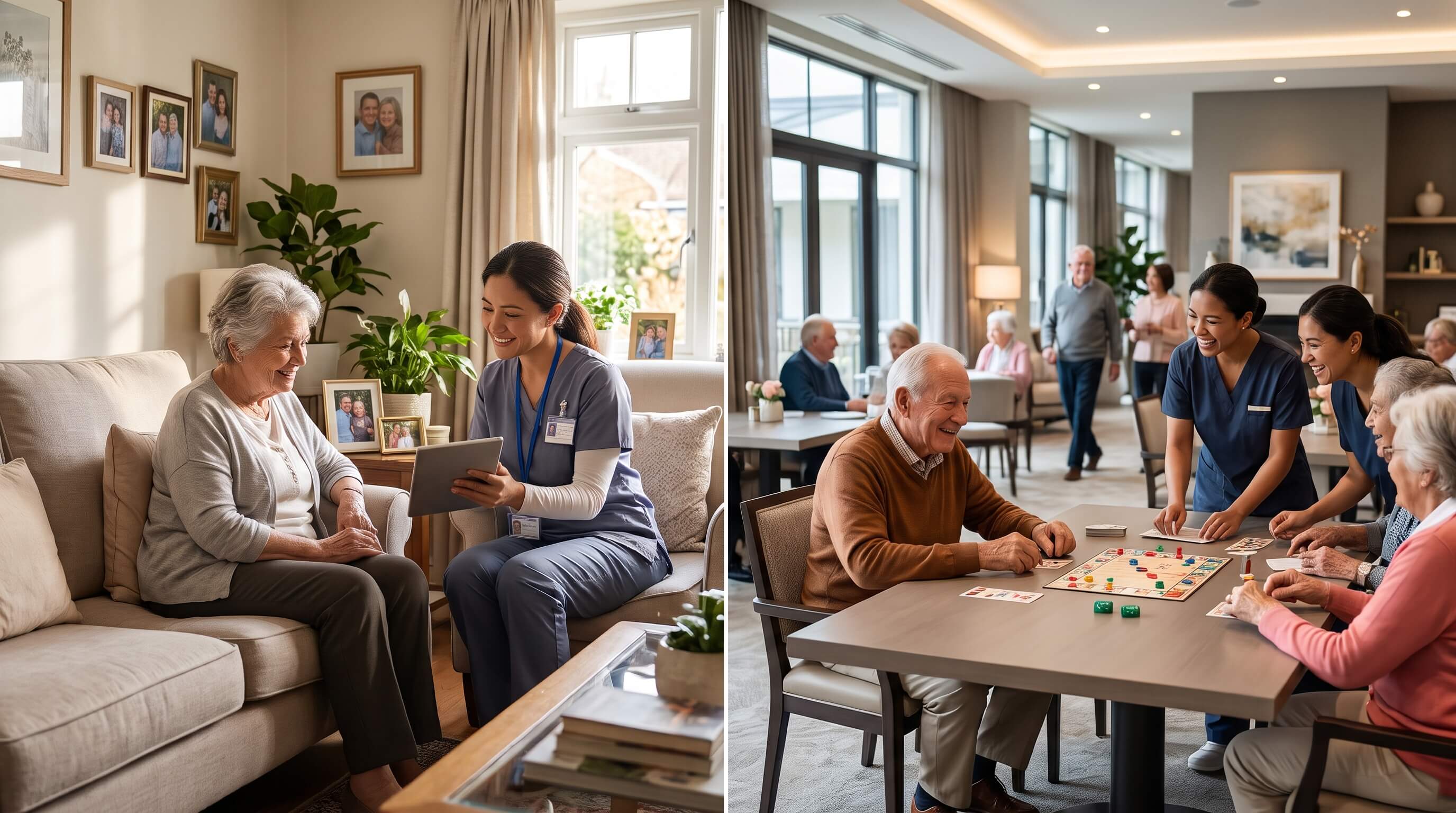
Home care allows seniors to stay in their own homes. Caregivers assist with daily tasks like bathing, dressing, and meal preparation. It offers personalized care and flexibility. Home care suits those with mild to moderate needs. It supports independence and familiar surroundings.
Nursing Home Services
Nursing homes provide round-the-clock medical care. They have trained staff for complex health needs. Residents receive assistance with all daily activities. Nursing homes offer social activities and rehabilitation services. This setting is ideal for seniors needing constant medical supervision.
Assisted Living Differences
Assisted living combines independence with some support. Residents have private apartments and receive help with chores and medication. Staff are available 24/7 but not for intensive medical care. Assisted living offers community life with social events. It suits seniors who need help but want more freedom than nursing homes provide.

Credit: www.youtube.com
Health Outcomes
Health outcomes play a key role in choosing between home care and nursing homes. These outcomes reflect how well each option supports seniors’ health and daily functions. Research studies help us understand differences in physical abilities, mental health, and rates of hospital visits. Knowing these facts guides families in making informed care decisions.
Daily Living Improvements
Home care often helps seniors maintain independence longer. They receive personalized support in familiar surroundings. This comfort encourages better engagement in daily tasks. Nursing homes provide structured routines but may limit personal freedom. Studies show home care recipients tend to improve or keep daily living skills more effectively.
Well-being And Mental Health
Living at home reduces feelings of loneliness and stress for many elderly people. Familiar environments and family visits boost mood and mental health. Nursing homes offer social activities but can sometimes feel isolating. Research indicates home care clients report higher satisfaction and fewer symptoms of depression and anxiety.
Hospitalization And Mortality Rates
Hospital visits often indicate health complications or poor care management. Research finds that seniors in home care experience fewer hospital admissions than those in nursing homes. Mortality rates also tend to be lower with home-based care. These findings suggest home care may better support stable health conditions.
Cost Analysis
Cost plays a major role in choosing between home care and nursing homes. Understanding the expenses helps families make smart decisions. This section breaks down the costs involved in both options. It also looks at studies comparing their overall value.
Many factors affect the total price, including care level and location. This makes a clear cost comparison essential for planning and budgeting.
Home Care Affordability
Home care often costs less than nursing homes. It charges by the hour or day. Families can choose the level of care they need. This flexibility helps control expenses. Costs vary by region and care type. Basic help with daily tasks is usually cheaper. Skilled nursing or therapy services raise the price. Many families find home care affordable for long-term needs.
Nursing Home Expenses
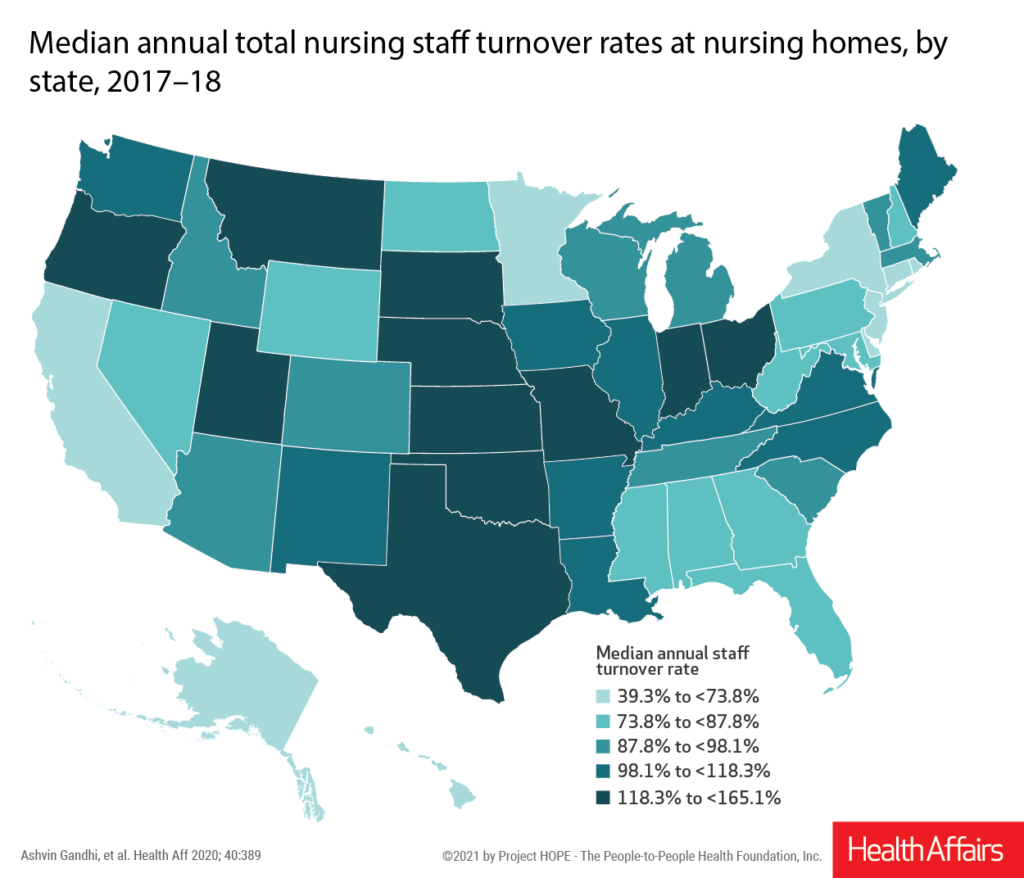
Nursing homes have higher monthly fees. They provide around-the-clock medical care. This level of service demands more staff and resources. Private rooms and special therapies add to costs. Location and facility quality influence prices. Some nursing homes charge extra for special services. Insurance and government programs can offset some expenses. Yet, nursing homes remain a costly option for many families.
Cost-effectiveness Studies
Research compares the value of home care versus nursing homes. Studies show home care can improve quality of life at a lower cost. Nursing homes may be more cost-effective for severe medical needs. Both options have benefits depending on individual situations. Cost-effectiveness depends on care intensity and duration. Experts suggest evaluating health needs and budget carefully. This approach helps choose the best financial and care fit.
Credit: www.mcknights.com
Quality Of Care
Choosing between home care and nursing homes depends on many important factors. These factors help decide which option suits a person’s needs best. Understanding these elements can guide families and caregivers to make better decisions.
Suitability involves looking at health conditions, daily independence, and family roles. Each factor plays a crucial part in finding the right care setting.
Medical Complexity
Medical needs vary widely among individuals. Nursing homes often support people with complex health problems. They provide round-the-clock medical care and supervision. Home care suits those with mild or stable conditions. Caregivers visit regularly to assist with medications and treatments. The level of medical complexity guides the best care choice.
Independence Needs
People value their independence differently. Home care allows more freedom to live in a familiar place. It supports daily tasks while preserving autonomy. Nursing homes offer structured routines and more assistance. Some may feel safer with constant staff support. Independence needs influence whether a person thrives at home or in a facility.
Family And Caregiver Roles
Family involvement shapes care decisions greatly. Home care often requires family members to manage and coordinate services. It can increase emotional and physical support from loved ones. Nursing homes relieve family members from daily caregiving tasks. Staff handle medical and personal care duties. The family’s ability and willingness to help affect the care setting choice.

Credit: news.uci.edu
Frequently Asked Questions
What Are The Main Differences Between Home Care And Nursing Homes?
Home care allows seniors to stay in their own homes with personalized support. Nursing homes provide 24/7 medical care in a facility. Nursing homes are suited for complex medical needs, while home care promotes independence and comfort.
Is Home Care More Cost-effective Than Nursing Homes?
Generally, home care is more cost-effective as it avoids facility fees. Costs vary based on care level and location. Nursing homes tend to be more expensive due to continuous medical staff and services.
How Does Quality Of Life Compare In Home Care Vs Nursing Homes?
Studies show home care recipients often have better daily living activity outcomes. Home care offers familiar surroundings and personalized attention, which boosts well-being. Nursing homes provide structured care but may lack personalized comfort.
Which Option Offers Better Medical Support For Seniors?
Nursing homes provide higher-level medical care with skilled staff onsite. Home care offers medical support through visiting professionals but may be limited for complex conditions. Choice depends on the senior’s health requirements.
Conclusion
Choosing between home care and nursing homes depends on individual needs. Home care offers comfort and independence in familiar surroundings. Nursing homes provide more medical support for complex conditions. Research shows home care can improve daily living activities. Costs and personal preferences also influence the decision.
Both options have pros and cons worth considering. Families should weigh care quality, safety, and emotional well-being. Thoughtful choices lead to better outcomes for loved ones.

“As the voice behind Radiant Glow Health, we are dedicated to being your ultimate wellness and vitality companion. Our mission is to inspire and guide you on your journey to a healthier and more vibrant life. Join us as we explore holistic health practices and empower you to radiate wellness from within.”