“What is the Difference between Personal Care Assistant And Caregiver?”
Are you trying to understand the difference between a Personal Care Assistant and a Caregiver? It can be confusing because both roles involve helping someone who needs support.
But knowing the key differences matters a lot—whether you’re choosing care for yourself, a loved one, or exploring a career in caregiving. You’ll discover how a Personal Care Assistant focuses on hands-on help with daily activities like bathing and dressing, while a Caregiver often provides broader support including companionship and household tasks.
Keep reading to find out which type of care best fits your needs and what each role really involves. Your peace of mind starts with understanding the right kind of help.

Credit: careertraining.unm.edu
Roles Of Personal Care Assistants
Personal Care Assistants (PCAs) play a vital role in supporting individuals who need help with daily living tasks. Their duties focus on personal care and comfort. PCAs work closely with clients to improve their quality of life and maintain independence. They assist with activities that clients may find difficult to do alone.
Understanding the specific roles of PCAs helps distinguish them from other care providers. Their work is hands-on and guided by professional standards and care plans. Below are key aspects of their roles.
Hands-on Assistance With Daily Activities
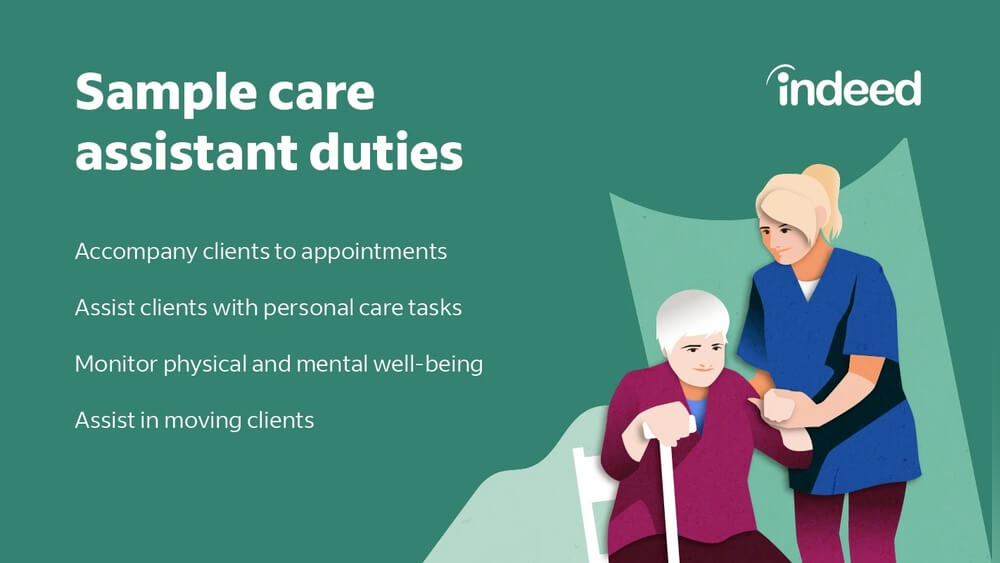
PCAs help clients with essential daily tasks like bathing, dressing, and grooming. They support mobility needs such as walking or transferring from bed to chair. Toileting assistance is another common duty. These tasks ensure clients stay clean, comfortable, and safe at home.
Training And Certification Requirements
PCAs must complete specific training programs. These cover personal care skills, safety, and basic health knowledge. Many states require certification before a PCA can work. Training ensures PCAs provide proper and safe care. It also prepares them to handle emergencies and follow care plans.
Supervision And Care Plans
PCAs work under supervision from nurses or healthcare professionals. They follow detailed care plans tailored to each client’s needs. Care plans guide the tasks PCAs perform and the goals to achieve. Supervision ensures care quality and client safety. PCAs report changes in client condition to supervisors.
Employment And Payment Structure
Most PCAs are paid employees of home care agencies or health programs. They may work full-time or part-time, depending on client needs. Payment often comes from Medicaid or private insurance. Some PCAs work directly for families on a contract basis. This formal employment differs from unpaid family caregivers.
Roles Of Caregivers
Caregivers play a vital role in supporting individuals who need help with daily living. Their duties can vary widely based on the person’s needs and the caregiver’s skills. Caregivers often provide both physical help and emotional support. They may assist family members, friends, or clients in different settings. Understanding these roles clarifies how caregivers differ from other care providers like Personal Care Assistants.
Companionship And Emotional Support
Caregivers offer company to reduce loneliness and isolation. They listen, talk, and engage in activities with those they care for. This support helps improve mental health and overall well-being. Emotional connection builds trust and comfort. Caregivers often become a steady presence in someone’s life.
Household Tasks And Errands
Caregivers help with everyday chores that may be difficult. Tasks include cleaning, cooking, laundry, and shopping. Running errands ensures the person’s needs are met outside the home. These duties keep the living environment safe and comfortable. Caregivers make daily life easier and less stressful.
Varied Training And Experience
Caregivers come from diverse backgrounds with different skills. Some may have formal training, while others learn through experience. Their knowledge affects the type of care they provide. Many caregivers adapt to meet the specific needs of each person. Flexibility is a key strength in caregiving roles.
Informal And Family-based Care
Many caregivers are family members or friends offering unpaid help. This informal care often happens at home without professional oversight. It includes a wide range of tasks based on the family’s situation. Informal caregivers provide essential support with love and commitment. Their role is crucial in the care system.
Key Differences Between Pcas And Caregivers
Understanding the key differences between Personal Care Assistants (PCAs) and caregivers helps families choose the right support. Both roles provide essential help but vary in duties, training, and work settings. Clear distinctions exist in physical care, emotional support, medical tasks, and payment methods.
Focus On Physical Assistance Versus Emotional Support
PCAs mainly assist with physical needs like bathing, dressing, and mobility. They help clients complete daily activities that require hands-on support. Caregivers often provide emotional comfort and companionship. They may also assist with light household tasks but focus more on social interaction and mental well-being.
Level Of Medical Training And Tasks Allowed
PCAs receive formal training to perform personal care tasks safely. They follow care plans designed by nurses or healthcare professionals. Caregivers usually have little or no medical training. They are not allowed to perform medical procedures or handle medications. Their role is limited to non-medical support.
Formal Employment Versus Informal Arrangements
PCAs often work through agencies or Medicaid programs. Their employment is formal, with contracts and schedules. Caregivers may be family members or friends providing help informally. This setup may lack official agreements or consistent hours. The distinction affects reliability and legal protections.
Payment And Funding Sources
PCAs typically receive payment from government programs or private agencies. They earn a wage and have documented work hours. Caregivers may volunteer or be unpaid family helpers. Sometimes caregivers receive informal compensation, but it is less regulated. Funding sources influence how each role is managed and supervised.

Credit: www.truehomecare.co.uk
Limitations And Restrictions For Pcas
Personal Care Assistants (PCAs) have clear limits in their roles. These restrictions protect the client’s health and safety. Understanding these rules helps families and clients set the right expectations. PCAs focus on daily personal care but must avoid tasks that need medical training. Their work stays within a defined scope to keep care safe and effective.
Prohibited Medical Procedures
PCAs cannot perform medical tasks. These include wound care, injections, or managing medications. They do not handle blood sugar tests or enemas. Such procedures need a nurse or licensed professional. PCAs must follow a care plan set by healthcare providers. This keeps clients safe and ensures proper treatment.
Boundaries With Clients And Families
PCAs must maintain professional limits with clients and families. They cannot accept gifts or money. Sharing personal contact details is also not allowed. These rules prevent conflicts and protect privacy. PCAs focus on care, not personal relationships. Respecting boundaries helps build trust and clear communication.
Choosing Between A Pca And A Caregiver
Choosing between a Personal Care Assistant (PCA) and a caregiver requires careful thought. Understanding their roles helps make the right choice. Each offers different levels of support and skills. Knowing these differences aids in picking the best fit for care needs.
Assessing Care Needs
Start by listing the tasks that need help. PCAs handle personal care like bathing, dressing, and mobility. Caregivers provide broader help such as meal prep, housekeeping, and companionship. Match the type of care with the person’s daily challenges. Complex medical needs often require a PCA’s skills. Simple assistance or emotional support may suit a caregiver.
Budget And Funding Considerations
Consider the cost differences between PCAs and caregivers. PCAs usually work through agencies or Medicaid programs, which may cover some fees. Caregivers can be family members or hired privately, often at lower cost. Check what insurance or public funds support. Budget limits might guide the choice toward one option. Look for programs offering financial aid for care services.
Long-term Care Planning
Think about future care needs and changes. PCAs provide consistent, trained care for ongoing personal support. Caregivers often offer flexible help that can adapt to changing needs. Plan for possible health declines or recovery periods. Selecting the right care now can ease transitions later. Consider how each role fits into a long-term care strategy.

Credit: www.intelycare.com
Frequently Asked Questions
Is A Personal Assistant The Same As A Caregiver?
A personal assistant (PCA) provides trained, hands-on help with daily living tasks like bathing and dressing. A caregiver offers broader support, including companionship and household help, often without formal training. PCAs follow care plans and focus on physical assistance, while caregivers usually provide emotional and general support.
Are Pca And Caregiver The Same Thing?
A PCA provides trained, hands-on personal care like bathing and dressing under a care plan. A caregiver offers broader support, including companionship and household help, often without formal training. PCAs are paid professionals, while caregivers can be unpaid family members.
They are similar but not the same.
What Is The Difference Between A Caregiver And A Care Assistant?
A caregiver offers broad support, including companionship and household help, often without formal training. A care assistant (PCA) provides trained, hands-on personal care like bathing and mobility, following a care plan under supervision.
What Is A Pca Not Allowed To Do?
A PCA cannot perform medical procedures like wound care, range of motion exercises, or bowel and bladder care. They must not cut nails or hair, accept gifts, or share personal contact information with clients.
Conclusion
Choosing between a Personal Care Assistant and a caregiver depends on specific needs. PCAs focus on personal care tasks like bathing and dressing. Caregivers provide broader help, including companionship and household chores. PCAs usually have formal training and follow care plans.
Caregivers may be family or friends without formal training. Both play important roles in supporting daily life. Understanding their differences helps pick the right support for you or your loved one. Clear roles mean better care and peace of mind.

“As the voice behind Radiant Glow Health, we are dedicated to being your ultimate wellness and vitality companion. Our mission is to inspire and guide you on your journey to a healthier and more vibrant life. Join us as we explore holistic health practices and empower you to radiate wellness from within.”