Are you tired of feeling trapped in a cycle of unhealthy eating habits? You’re not alone—and the good news is, you have the power to change.
Imagine breaking free from cravings that control your day, feeling more energized, and finally enjoying food without guilt. This isn’t about strict diets or complicated rules. It’s about simple, practical steps you can take right now to regain control over your eating and your health.
Keep reading, and discover how small changes can lead to big results in stopping unhealthy eating habits for good.
Identify Triggers
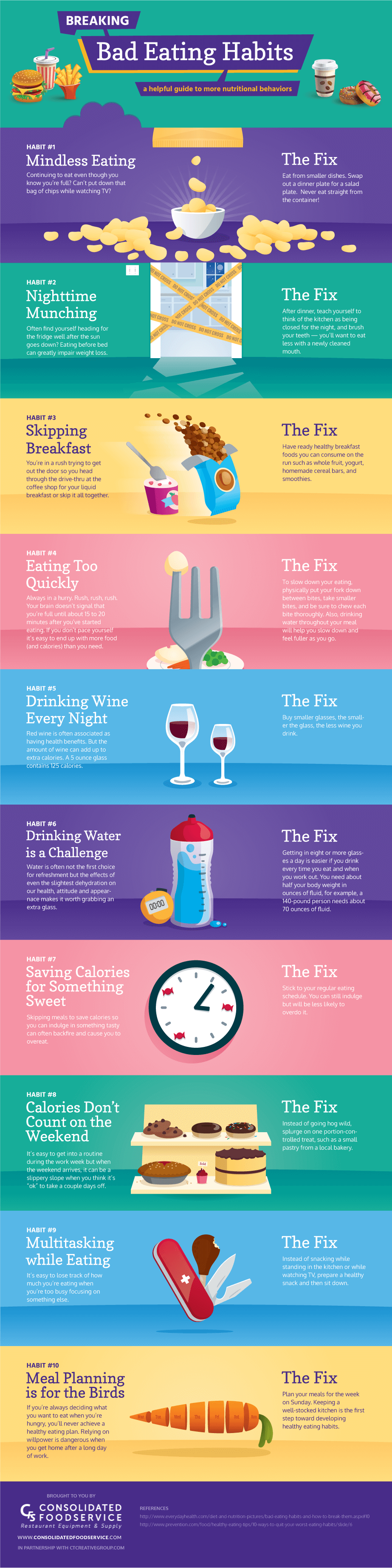
Identifying triggers is the first step to stopping unhealthy eating habits. Triggers are situations or feelings that make you want to eat unhealthily. Knowing these triggers helps you avoid or manage them better. This way, you can control your eating patterns and make healthier choices.
Emotional Eating
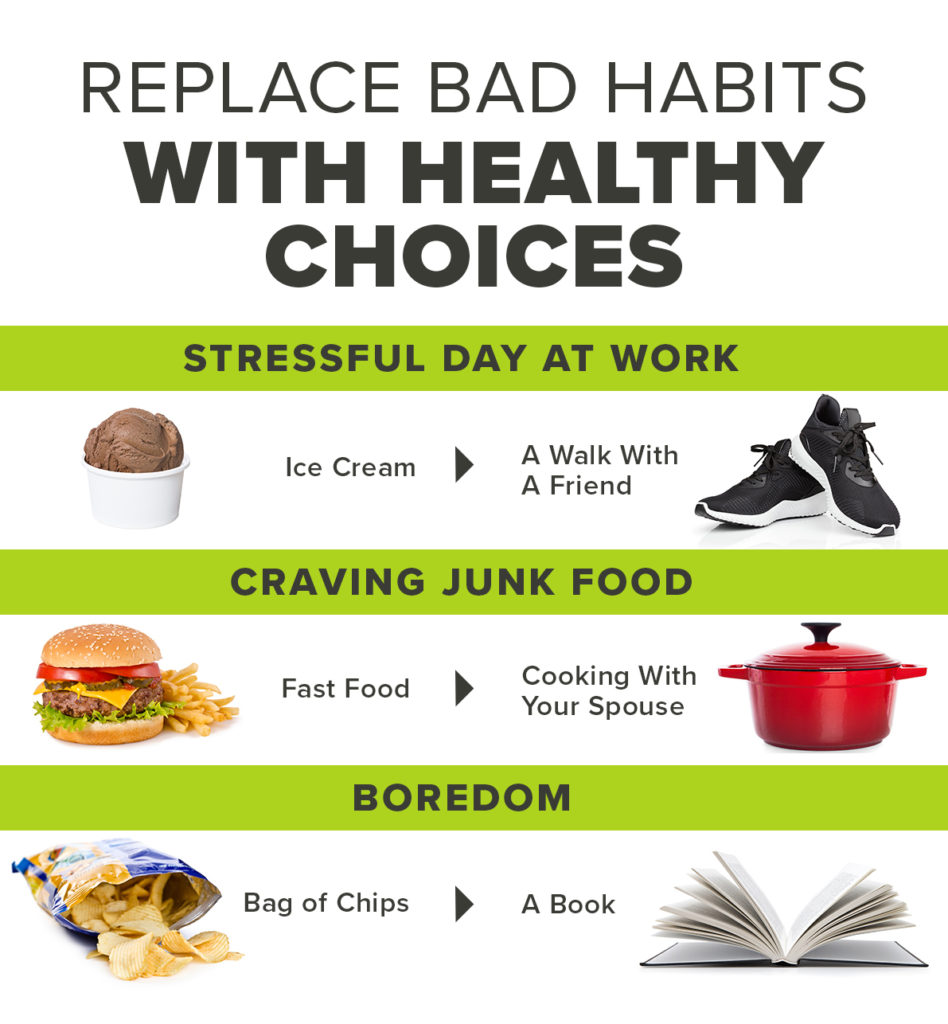
Many people eat when they feel stressed, sad, or bored. Food becomes a way to cope with emotions. This often leads to overeating or choosing unhealthy snacks. Notice your feelings before eating. Ask yourself if you are truly hungry or just emotional. Find other ways to handle emotions, like walking or talking to a friend.
Environmental Cues
Where you are affects what and how much you eat. Seeing snacks on the counter can make you want to eat. Watching TV may lead to mindless snacking. Try to keep unhealthy foods out of sight or out of the house. Create a clean and healthy eating space to reduce temptation.
Social Influences
Friends and family can impact your eating habits. Social gatherings often include unhealthy food choices. You might eat more to fit in or avoid feeling left out. Plan ahead by choosing healthier options or eating before events. Politely say no or share your goals with others for support.
Replace Unhealthy Snacks
Replacing unhealthy snacks is a simple step to improve your eating habits. Choosing better options helps reduce cravings and supports your health. It also makes it easier to avoid overeating and feeling guilty after snacking.
Changing what you reach for during snack time can lead to lasting benefits. Small swaps add up over time and build healthier routines. Focus on snacks that nourish your body and satisfy your hunger without excess sugar or fat.
Healthy Alternatives
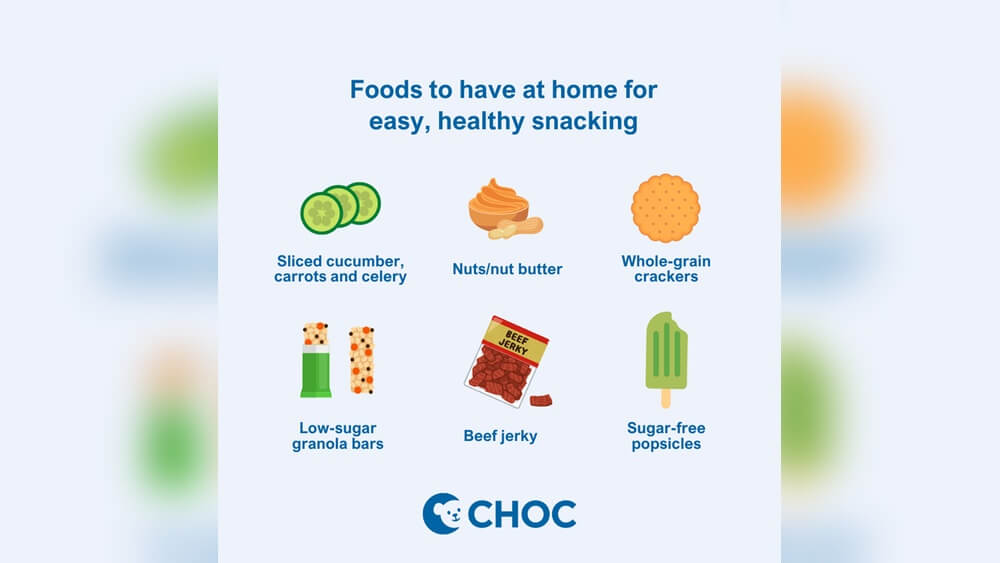
Pick snacks rich in nutrients like fruits, nuts, and yogurt. Fresh fruits such as apples or berries provide natural sweetness and fiber. Nuts offer healthy fats and protein to keep you full longer. Yogurt with little or no added sugar supports digestion and adds calcium.
Vegetable sticks with hummus or guacamole make crunchy, tasty snacks. Air-popped popcorn is a low-calorie choice that feels satisfying. Keep these alternatives ready at home to avoid grabbing chips or candy.
Distracting Activities
Sometimes snacking is more about boredom or habit than hunger. Find activities to keep your mind busy and hands occupied. Try reading a book, going for a short walk, or doing a puzzle. Listening to music or calling a friend also works well.
These distractions help break the cycle of mindless eating. They give your body time to register true hunger signals. Over time, new habits replace old snack cravings and reduce unhealthy eating episodes.
Plan Balanced Meals
Planning balanced meals is a key step to stop unhealthy eating habits. It helps your body get the nutrients it needs. Balanced meals keep energy steady and reduce cravings for junk food.
Each meal should include a mix of nutrients. This mix supports your health and controls hunger. Planning meals ahead makes it easier to choose healthy options.
Nutrient-dense Foods
Choose foods rich in vitamins and minerals. These foods fuel your body well. Examples include whole grains, nuts, seeds, fruits, and vegetables. Avoid foods high in empty calories like sugary snacks.
Protein, Fats, And Carbs
Include good protein, healthy fats, and complex carbohydrates. Protein builds muscles and keeps you full longer. Healthy fats support brain health and energy. Complex carbs provide lasting energy and fiber. Balance these three in every meal for steady blood sugar.
Vegetable Intake
Eat plenty of vegetables daily. They add fiber, vitamins, and water to your diet. Aim for colorful vegetables to get a variety of nutrients. Vegetables also help digestion and keep you full. Try to fill half your plate with vegetables at each meal.
Credit: www.gofoodservice.com
Stay Hydrated
Staying hydrated plays a key role in stopping unhealthy eating habits. Water helps control hunger and supports your body’s functions. Drinking enough water can reduce cravings and prevent overeating.
Many people confuse thirst with hunger. Drinking water regularly keeps this mistake from happening. It also boosts energy and helps digestion. Hydration can improve your mood and focus, making it easier to make healthy choices.
Benefits Of Water
Water keeps your body working well. It helps flush out toxins and supports metabolism. Drinking water before meals can reduce appetite. This helps avoid eating too much.
Water also aids digestion and nutrient absorption. Proper hydration keeps your skin clear and healthy. It supports brain function and keeps you alert throughout the day.
Hydration Tips
Carry a water bottle with you all day. Sip water often instead of gulping large amounts. Set reminders to drink water every hour.
Eat water-rich foods like cucumbers, oranges, and watermelon. Avoid sugary drinks that add empty calories. Choose herbal teas or infused water for variety.
Start your day with a glass of water. Drink a glass before each meal to help control hunger. Track your water intake to stay on target.
Incorporate Physical Activity
Incorporating physical activity helps reduce unhealthy eating habits. Moving your body regularly supports better mood and energy. It also lowers cravings for junk food. Exercise improves digestion and controls appetite naturally. This makes it easier to choose healthier meals. Small steps of activity build lasting habits over time. Find ways to move that fit your daily life.
Consistent Movement
Consistency matters more than intensity. Aim for at least 30 minutes of movement most days. This can be walking, stretching, or light exercise. Regular movement keeps your metabolism steady and reduces stress. It also helps balance blood sugar levels, which controls hunger. Try to make it part of your routine, like a daily walk or bike ride. Consistent movement trains your body to handle food better.
Simple Exercise Ideas
Start with easy exercises you enjoy. Walking around your neighborhood or in a park works well. Dancing to your favorite music is fun and burns calories. Try gentle yoga or stretching to relax your muscles. Climbing stairs instead of using elevators helps too. Even short bursts of activity add up throughout the day. Choose exercises that fit your mood and energy. Keep it simple to stay motivated and avoid injury.
Remove Temptations
Removing temptations is a key step to stop unhealthy eating habits. It creates a supportive environment for better choices. When unhealthy foods are out of sight, cravings reduce naturally. The kitchen and pantry become places of health, not temptation.
Clearing Unhealthy Foods
Start by taking stock of all unhealthy snacks and junk food. Throw away items high in sugar, salt, and unhealthy fats. Avoid keeping chips, candies, and sugary drinks at home. Clearing these foods stops mindless snacking and overeating. It also removes visual triggers that lead to cravings.
Check expiration dates and get rid of old processed foods. Donate unopened items to charity if possible. Cleaning your kitchen sends a strong message to your brain. It signals a fresh start toward healthy eating habits.
Stocking Healthy Options
Fill your kitchen with fresh fruits, vegetables, and whole foods. Choose nuts, seeds, and yogurt as easy snack alternatives. Keep water, herbal teas, and natural juices ready to drink. Healthy options make it easy to eat well without effort.
Prepare ready-to-eat vegetables or fruit bowls for quick access. Store healthy snacks at eye level to encourage better choices. Having nutritious foods available reduces the chance of reaching for unhealthy ones. This small change supports lasting eating habit improvements.
Set Realistic Goals
Setting realistic goals plays a key role in stopping unhealthy eating habits. Goals that are clear and achievable keep motivation strong. They help create steady progress without feeling overwhelmed. Small steps build confidence and lead to lasting changes.
Realistic goals fit your current lifestyle and preferences. They focus on what you can do now rather than drastic changes. This approach makes healthy eating feel possible and less stressful. Patience and consistency matter more than speed.
Tracking Progress
Tracking progress shows how far you have come. Use a journal or an app to note your meals and snacks. Write down how you feel after eating. This practice helps identify triggers for unhealthy choices. It also highlights improvements and patterns over time.
Tracking keeps you accountable and aware. Celebrate small wins to stay encouraged. Adjust your goals based on what works best. Avoid judging yourself for setbacks. Instead, learn from them and keep moving forward.
Adapting To Lifestyle
Adapting goals to your lifestyle ensures long-term success. Consider your daily routine, work schedule, and social life. Choose meal plans and snacks that fit your time and preferences. Flexibility prevents frustration and helps maintain healthy habits.
Make gradual changes that feel natural. For example, swap one unhealthy snack for a fruit each day. Or, add a vegetable to one meal daily. These small changes add up and create a healthier routine. Adjust as needed to keep your goals realistic and sustainable.
Build Support Systems
Building strong support systems helps you change unhealthy eating habits. Support from others makes the process easier and more lasting. It encourages positive changes and holds you accountable.
Support can come from family or professionals. Both play important roles in guiding you towards better eating habits. You do not have to face this challenge alone.
Family Involvement
Family members influence your eating habits every day. They can encourage healthy food choices and share meals that support your goals. Eating together creates a chance to practice new habits.
Ask family to join you in planning and preparing meals. This teamwork makes healthy eating more enjoyable. It also reduces temptation to eat unhealthy snacks alone.
Family support helps reduce stress and emotional eating. They can remind you to stay on track and celebrate small victories. A positive home environment sets a strong foundation for change.
Seeking Professional Help
Experts like dietitians or therapists provide valuable guidance. They create personalized plans that fit your lifestyle and needs. This makes healthy eating simpler and more effective.
Professionals teach skills to manage cravings and emotional triggers. They help identify why unhealthy habits started. Understanding this helps you avoid falling back into old patterns.
Regular check-ins with a professional keep motivation high. They offer support during setbacks and adjust plans as needed. This ongoing help increases your chances of success.
Limit Problematic Foods
Limiting problematic foods plays a key role in stopping unhealthy eating habits. These foods often cause cravings and overeating. Cutting back helps your body feel better and your mind stay clear. Focus on reducing specific food types that trigger poor eating choices. This approach creates space for healthier options and balanced nutrition.
Refined Carbs And Sugars
Refined carbs and sugars quickly spike blood sugar levels. This leads to energy crashes and hunger soon after eating. Foods like white bread, pastries, and sugary drinks fall into this group. They offer little nutrition and add empty calories. Reducing these helps control appetite and lowers the risk of weight gain.
Excessive Protein
Eating too much protein can strain your kidneys and cause digestive issues. Many think more protein means better health, but balance is important. Aim for moderate portions from lean sources like chicken, fish, and beans. This supports muscle health without overwhelming your system.
Processed Snacks
Processed snacks are often high in salt, unhealthy fats, and artificial additives. Chips, cookies, and fast food are common examples. These foods can trigger overeating due to their addictive flavors. Choose whole fruits, nuts, or yogurt as satisfying alternatives to processed snacks.
Credit: blog.mymetabolicmeals.com
Create Fun Healthy Habits
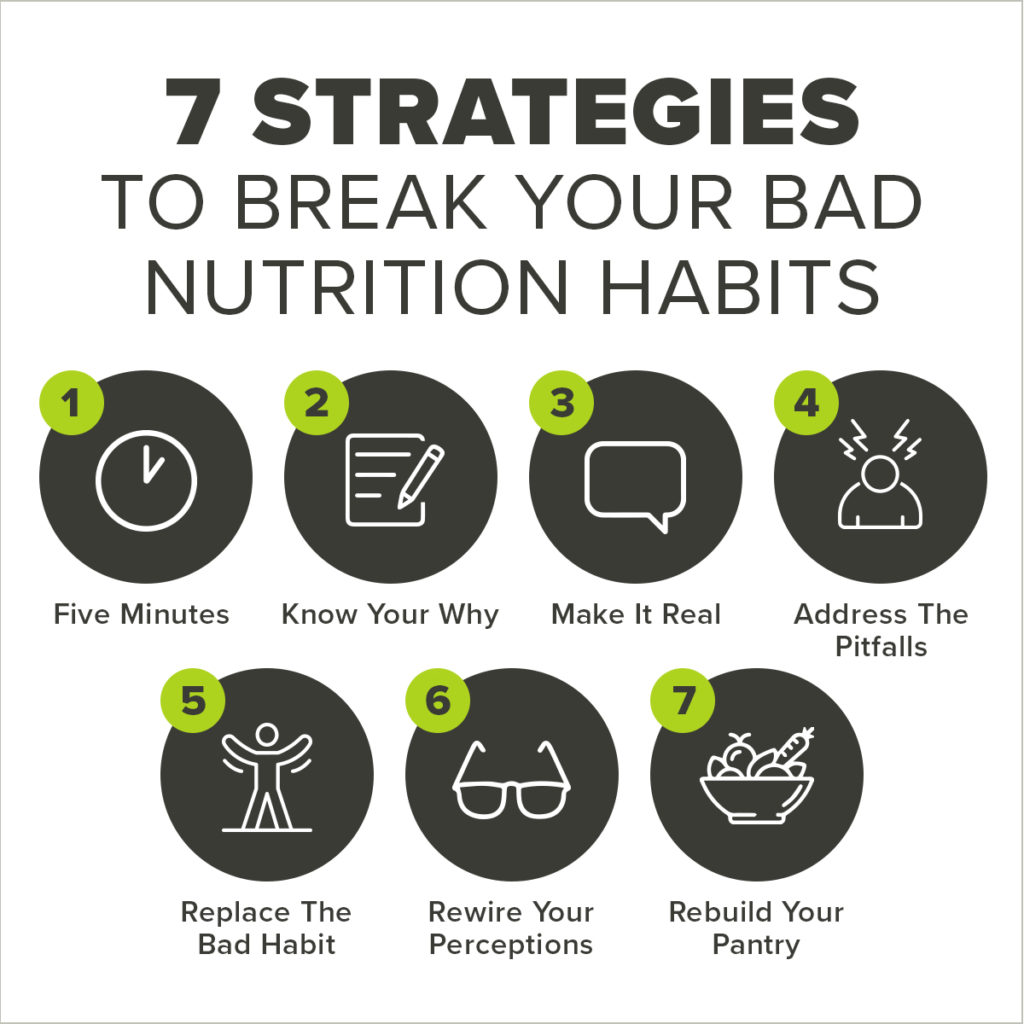
Creating fun healthy habits helps replace unhealthy eating patterns easily. Enjoying the process makes sticking to good habits simple. Small, enjoyable activities keep motivation high and boredom low.
Try simple and playful ways to add health into daily routines. This approach builds lasting change without stress or pressure.
Cooking Together
Cooking together brings family and friends closer. It teaches about ingredients and healthy choices. Kids learn skills and feel proud of their food. Preparing meals as a team makes healthy eating exciting and fun. Try new recipes that include vegetables and whole grains. This habit turns cooking into a joyful event instead of a chore.
Active Games
Active games increase movement and reduce screen time. Choose games that get everyone moving and laughing. Tag, hide and seek, or dance parties are great options. These games burn calories and improve mood. Playing together builds strong bonds and creates positive memories. Regular active play supports a healthy lifestyle for all ages.
Creative Food Choices
Use creativity to make meals colorful and tasty. Cut fruits and veggies into fun shapes. Mix different textures and colors on the plate. Experiment with herbs and spices for new flavors. Offer healthy dips like yogurt or hummus for snacks. Creative food makes eating nutritious meals enjoyable and attractive. This keeps interest high and encourages trying new foods.
Credit: blog.mymetabolicmeals.com
Frequently Asked Questions
How To Stop Unhealthy Food Habits?
Replace unhealthy snacks with nutritious options, remove tempting foods, eat balanced meals, stay hydrated, and exercise regularly to build better habits.
What Is The 3-3-3 Rule For Losing Weight?
The 3-3-3 rule for losing weight means eating three balanced meals, drinking three glasses of water, and moving for three hours weekly. It simplifies healthy habits, boosts metabolism, and promotes consistent fat loss without strict dieting.
What Is The 5 2 1 0 Rule?
The 5-2-1-0 rule promotes health by encouraging 5 servings of fruits/vegetables, 2 hours max screen time, 1 hour physical activity, and 0 sugary drinks daily.
What Are The 5 P’s To Avoid Eating?
The 5 P’s to avoid eating are Pizza, Pasta, excessive Protein, Potatoes, and Pane (bread). These foods often contain refined carbs, unhealthy fats, and cause blood sugar spikes. Avoiding them supports better health and weight management.
Conclusion
Breaking unhealthy eating habits takes time and patience. Start with small, simple changes every day. Replace junk food with fresh fruits and vegetables. Drink plenty of water to stay full and energized. Move your body regularly to support a healthy lifestyle.
Avoid keeping tempting snacks at home to reduce cravings. Celebrate your progress, no matter how small it seems. Remember, consistency beats perfection in building good habits. Keep focusing on your health, and positive changes will follow. Healthy eating is a journey, not a quick fix.
Stay committed and enjoy the benefits of better nutrition.

“As the voice behind Radiant Glow Health, we are dedicated to being your ultimate wellness and vitality companion. Our mission is to inspire and guide you on your journey to a healthier and more vibrant life. Join us as we explore holistic health practices and empower you to radiate wellness from within.”