You’ve just had a hair transplant, and you’re eager to get back to your regular workout routine. But wait—why can’t you exercise right after the procedure?
It’s not just a random rule or unnecessary caution. Your new hair grafts are delicate, and jumping into intense physical activity too soon can do serious damage. From risking graft dislodgement to increasing the chance of infection, exercising too early could set back your recovery and affect your results.
Wondering how long you need to wait and what types of activities are safe? Keep reading to uncover the key reasons behind this important restriction and learn exactly when you can safely hit the gym again. Your hair—and your confidence—depend on it.

Credit: www.youtube.com
Risks Of Early Exercise
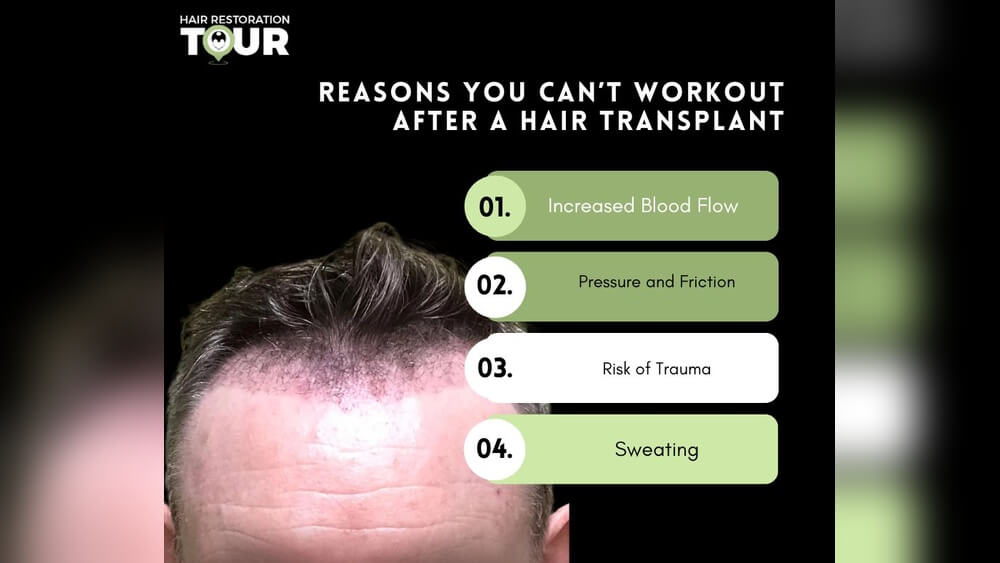
Starting exercise too soon after a hair transplant can cause serious problems. The new hair grafts are very delicate. Physical strain can damage them before they fully heal. Early exercise raises blood pressure and heart rate. This increase puts stress on the scalp and grafts. The scalp is still healing and very sensitive during this time. Any harsh movement or sweat can lead to complications. Understanding the risks helps protect your new hair and scalp.
Graft Dislodgement
New hair follicles sit in tiny incisions. These grafts need time to anchor firmly. Exercise increases blood flow and causes strain. This can pull or pop grafts out of place. Losing grafts means fewer hairs grow back. Avoid heavy exercise to keep grafts safe.
Bleeding And Swelling
Exercise raises heart rate and blood pressure. This can cause bleeding in the scalp. Swelling may also happen around the transplant area. Both problems delay healing and cause discomfort. Rest and gentle care reduce these risks.
Infection From Sweat
Sweat creates a moist place for bacteria. The healing scalp is vulnerable to infections. Bacteria can enter through tiny wounds. Infection slows recovery and may harm grafts. Avoid sweating heavily to keep the scalp clean and safe.
Scalp Irritation And Trauma
Sweat can irritate the sensitive skin on your scalp. Exercise gear or headbands may rub and cause trauma. Contact sports risk physical injury to the new grafts. Protect your scalp by avoiding activities that cause irritation or bumps.
Credit: www.dentalhairclinicturkey.com
Healing Timeline
The healing timeline after a hair transplant is crucial for a successful recovery. Your scalp needs time to heal and for the grafts to secure firmly. Exercising too soon can harm the new hair follicles and slow down healing. Understanding the stages of recovery helps you know when to resume physical activities safely.
First Few Days: Rest And Gentle Walking
In the first few days, rest is essential. Avoid any strenuous activity that raises blood pressure. Gentle walking is allowed to keep blood flowing without stressing the scalp. Do not sweat or strain yourself. This period helps the grafts settle into place and reduces swelling and bleeding risks.
Weeks 1 To 3: Light Activities Only
During weeks one to three, keep activities light. Avoid heavy lifting, intense cardio, or contact sports. Sweat can irritate the scalp and increase infection risk. Focus on normal daily tasks and gentle exercises like stretching or slow walking. Protect your scalp from trauma and do not touch the grafts.
After One Month: Gradual Return To Routine
After one month, you can slowly return to your usual exercise routine. Start with low-impact workouts and watch for any discomfort. The grafts are stronger now but still delicate. Listen to your body and avoid anything that causes pain or irritation. Consult your doctor before resuming intense physical activities.
Safe Exercise Tips
After a hair transplant, your scalp needs careful attention to heal well. Exercise can affect this healing process. Following safe exercise tips helps protect your new hair grafts. It also supports quick recovery without problems. Below are important tips to keep in mind before resuming workouts.
Avoid Heavy Lifting And Intense Cardio
Heavy lifting and intense cardio raise blood pressure. This can cause the new grafts to dislodge from the scalp. Avoid these activities for at least two weeks after surgery. Light walking is a safer option during early recovery. Gradually increase exercise intensity only after approval from your doctor.
Keep Scalp Clean And Dry
Sweat can irritate your healing scalp and increase infection risk. Keep the scalp clean by gently washing as instructed by your surgeon. Avoid letting sweat sit on your scalp after exercise. Use a soft towel to pat dry if you sweat during light activities.
Protect Grafts From Physical Impact
Your grafts are fragile and can get damaged by bumps or pressure. Avoid contact sports or exercises where your head might hit equipment. Wear loose-fitting hats if you exercise outdoors to shield the scalp from sun and dust. Be careful not to scratch or rub the transplanted area.
Listen To Your Body And Doctor
Pay attention to any pain, swelling, or discomfort during or after exercise. Stop exercising if you notice these signs. Follow your doctor’s advice on when to return to your normal routine. Each person’s healing time is different. Patience helps protect your new hair and ensures success.
When To Resume Different Workouts
After a hair transplant, your scalp needs time to heal. Different exercises affect your healing process in various ways. Knowing when to resume each workout type helps protect your new hair grafts. Healing times vary, so follow these guidelines carefully.
Walking And Light Cardio
Walking is the safest exercise after a hair transplant. You can start gentle walks within a few days. Keep the pace slow to avoid sweating. Avoid brisk walking or jogging for at least two weeks. Light cardio that does not raise your heart rate much is okay after the first week. These low-impact activities help keep you active without risking your grafts.
Strength Training
Strength training puts strain on your body and scalp. Avoid lifting heavy weights for at least three to four weeks. Exercises like push-ups or pull-ups may increase blood pressure and cause bleeding. Wait until your doctor confirms your scalp has healed. Start with light weights and low intensity. Gradually increase your training as your scalp becomes stronger.
Contact Sports And High-impact Activities
Contact sports can damage the new grafts easily. Avoid sports like football, basketball, or martial arts for at least one month. High-impact activities cause sweating and increase infection risk. Protect your scalp from bumps and hits during healing. Resume these exercises only after your doctor gives approval. Safety first to ensure your transplant success.
Common Mistakes To Avoid
After a hair transplant, many patients are eager to return to their regular exercise routine. Yet, rushing this process can harm the healing scalp and affect results. Recognizing common mistakes can help protect your new hair and ensure proper recovery. Avoid actions that increase risks and slow healing.
Exercising Too Soon
New hair grafts are delicate and need time to settle. Exercising too early raises blood pressure and heart rate. This can dislodge grafts and cause bleeding. Strenuous activity also increases sweat, which may irritate the scalp. Waiting at least one to two weeks before light exercise is safer. Heavy workouts should be delayed longer.
Ignoring Swelling Or Pain
Swelling and pain are signs the scalp is still healing. Ignoring these symptoms and continuing to exercise can worsen damage. Physical strain may increase swelling and cause bleeding. Pain signals that the area is sensitive and needs rest. Stop exercising if you experience discomfort. Consult your doctor before resuming activities.
Neglecting Post-op Care Instructions
Doctors provide specific care guidelines to protect your transplant. Skipping these instructions can lead to infection and poor graft survival. Cleaning the scalp gently and avoiding sun exposure are key steps. Avoid touching or scratching the transplanted area. Following all post-op rules supports faster healing and better results.

Credit: hairrestorationtour.com
Frequently Asked Questions
What Happens If You Exercise After A Hair Transplant?
Exercising too soon after a hair transplant can dislodge grafts, cause swelling, bleeding, and increase infection risk. Avoid intense workouts for at least one month. Light walking is usually safe early on, but always follow your doctor’s advice to protect healing follicles and ensure optimal results.
Why Can’t I Exercise Right After A Hair Transplant?
Exercising soon after a hair transplant risks dislodging fragile grafts. Increased blood pressure and sweating can cause bleeding, swelling, and infection. The scalp needs time to heal and anchor new follicles securely before physical activity.
How Long Should I Wait To Exercise After Hair Transplant?
Most doctors recommend avoiding intense exercise for at least two to four weeks. Light activities like gentle walking are usually allowed early on. Full workouts and contact sports should resume only after the scalp has sufficiently healed.
What Are The Risks Of Exercising Too Soon Post-transplant?
Early exercise can cause graft dislodgement, bleeding, and swelling. Sweat may increase infection risk by creating a moist environment for bacteria. Physical trauma from gym equipment or contact sports can also damage the new hair follicles.
Conclusion
Avoiding exercise right after a hair transplant protects your new grafts. These grafts are delicate and need time to heal properly. Exercising too soon can cause bleeding, swelling, or even infection. Sweat and strain increase risks and slow healing. Light walking is usually safe in the first days.
Wait at least one month before intense workouts or heavy lifting. Always follow your doctor’s advice for the best recovery. Taking care now ensures better hair growth later. Patience pays off in healthy, lasting results.

“As the voice behind Radiant Glow Health, we are dedicated to being your ultimate wellness and vitality companion. Our mission is to inspire and guide you on your journey to a healthier and more vibrant life. Join us as we explore holistic health practices and empower you to radiate wellness from within.”