Are you wondering if it’s safe to exercise when you have high blood pressure? You’re not alone.
Many people with hypertension worry that physical activity might make their condition worse. But here’s the truth: exercising can actually help control your blood pressure and improve your heart health—if you do it the right way. The key is knowing which exercises to avoid and how to listen to your body.
Keep reading, and you’ll discover simple, effective tips to stay active safely and feel your best without risking your health.
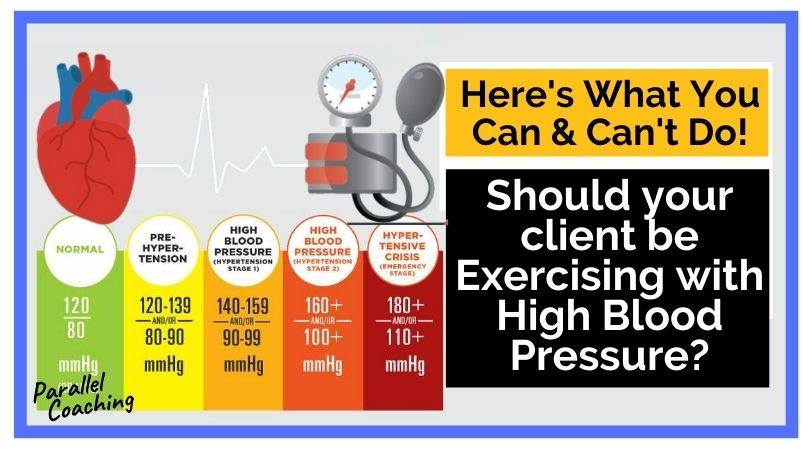
Credit: parallelcoaching.co.uk
Risks Of Certain Exercises
Some exercises raise blood pressure quickly. These can be risky for people with high blood pressure. Understanding which activities to avoid helps keep your heart safe. Exercise is good, but not all types are safe for everyone.
Heavy Weightlifting Hazards
Lifting very heavy weights can cause sudden blood pressure spikes. This stress may harm your heart and blood vessels. Use lighter weights and more repetitions to reduce risk. Avoid straining or holding your breath during lifts.
Breath-holding Effects
Holding your breath while lifting or exerting yourself is unsafe. It causes blood pressure to rise sharply. Always breathe out when pushing or lifting. This simple step helps control your blood pressure.
High-intensity Bursts Concerns
Short bursts of intense exercise like sprinting raise heart rate fast. This sudden effort stresses the cardiovascular system. For high blood pressure, steady moderate exercise is safer. Avoid sudden or extreme bursts of activity.
Isometric Exercise Cautions
Exercises like planks or wall-sits hold muscles tight without movement. These can increase blood pressure during the hold. Use caution and limit the time spent in these positions. Check with your doctor before starting.
Dangers Of Extreme Sports
Activities such as scuba diving or skydiving change blood pressure rapidly. These sports need medical approval for people with hypertension. Avoid extreme sports without a doctor’s clearance.
Impact Of Sudden Postural Changes
Quick changes in body position can cause blood pressure shifts. Movements like head-down tilts or lifting legs above the head pose risks. Move slowly and avoid sudden postural changes during exercise.
Heat Exposure In Hot Yoga
Hot yoga raises body temperature and blood pressure. Heat makes it hard to control your heart rate. Choose regular yoga classes without heat for safer practice. Stay hydrated and listen to your body.
Safe Exercise Options
Choosing the right exercises is key for people with high blood pressure. Safe exercise options help control blood pressure and improve heart health. These activities avoid sudden pressure spikes and stress on the cardiovascular system. Simple, steady movements work best for most people.
Benefits Of Moderate Aerobics
Moderate aerobic exercises like walking, swimming, and cycling raise your heart rate gently. These activities improve circulation and help lower blood pressure over time. They also boost stamina without putting too much strain on your heart. Aim for 30 minutes most days for best results.
Yoga And Tai Chi Advantages
Yoga and Tai Chi combine gentle movement with deep breathing and relaxation. These practices reduce stress, a major factor in high blood pressure. They improve flexibility, balance, and mental calmness. Choose classes that are not too hot or intense to stay safe.
Importance Of Listening To Your Body
Pay close attention to how your body feels during exercise. Stop immediately if you feel dizzy, chest pain, or severe shortness of breath. These signs mean your heart is under too much stress. Take breaks and lower the intensity if needed. Your body knows best.
Doctor Clearance And Guidance
Always talk to your doctor before starting any new exercise plan. Your doctor can suggest safe activities based on your health. They may adjust medications or monitor your progress. Regular check-ups help keep your exercise routine safe and effective.
Starting Your Routine
Starting an exercise routine with high blood pressure requires care and planning. Your goal is to improve heart health safely. Begin with small steps. Gradually increase activity as your body adjusts. This approach helps avoid sudden blood pressure spikes and reduces risks. Focus on steady progress. Choose exercises that support your cardiovascular system. Stay consistent and patient for the best results.
Consulting Your Doctor First
Talk to your doctor before starting any exercise. They can check your blood pressure and overall health. Your doctor may suggest tests or specific limits. Follow their advice carefully. Getting clearance ensures your routine is safe. Share your plans and any symptoms you experience. Regular check-ups help track your progress and adjust your activities.
Starting Slow And Building Up
Begin with light activities. Walk at a comfortable pace for 10 to 15 minutes. Add time and intensity gradually each week. Avoid pushing yourself too hard at first. Monitor how your body feels during and after exercise. Stop if you feel dizzy or short of breath. Building endurance over time helps your heart adapt safely.
Focusing On Aerobic Activities
Aerobic exercises improve heart health and lower blood pressure. Choose low-impact activities like walking, cycling, or swimming. Aim for at least 30 minutes most days of the week. Keep a steady, moderate pace. Aerobic workouts increase blood flow and strengthen the heart muscle. They also help with weight control, which benefits blood pressure.
Safe Strength Training Tips
Strength training is good but needs caution. Use lighter weights and more repetitions. Avoid holding your breath during lifts—breathe out on effort. Focus on controlled, steady movements. Limit heavy lifting that strains your body. Include rest days to prevent overwork. Strength training supports muscles and overall fitness while keeping blood pressure stable.
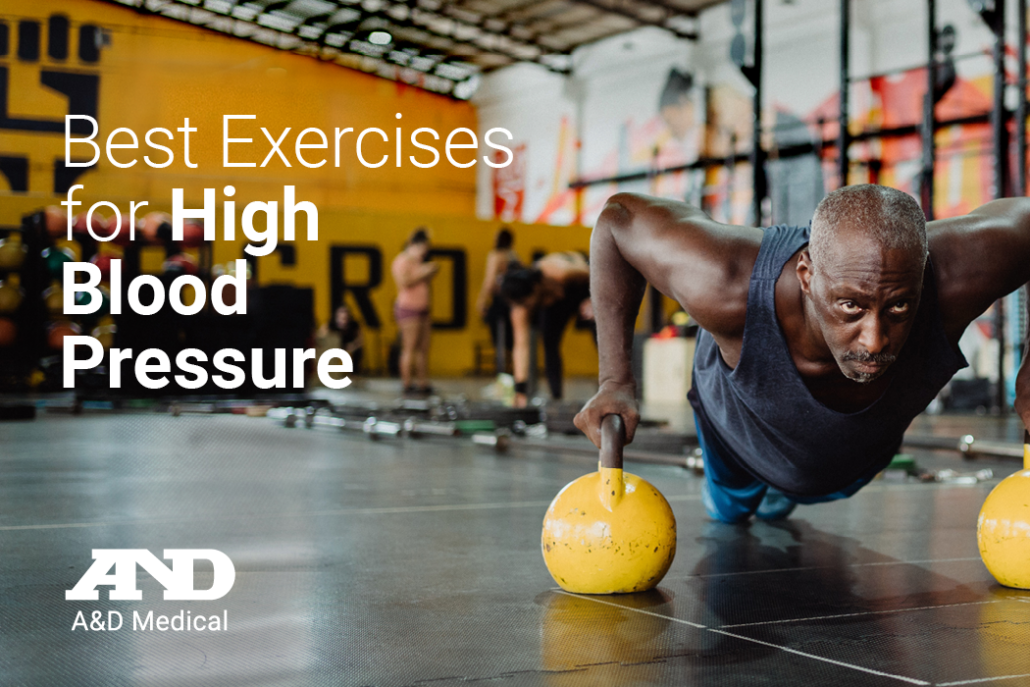
Credit: medical.andonline.com
Warning Signs During Exercise
Exercising with high blood pressure can be beneficial but requires care. Knowing the warning signs during exercise helps keep you safe. Your body sends signals when something is wrong. Ignoring these signs can lead to serious health problems. Pay close attention to your body’s reactions while working out.
Recognizing Chest Pain
Chest pain is a serious warning sign. It may feel like pressure, tightness, or squeezing. The pain can spread to your arm, neck, or jaw. Stop exercising immediately if you feel chest pain. Do not ignore it or try to push through.
Identifying Dizziness
Dizziness can mean your brain is not getting enough blood. You may feel lightheaded or unsteady. This can cause you to fall or faint. Stop exercising as soon as dizziness starts. Sit or lie down and rest until it passes.
Noticing Severe Shortness Of Breath
Shortness of breath is common during exercise but not severe. Severe shortness of breath feels like you cannot catch your breath. It may come with wheezing or choking sensations. Stop all activity and rest if this happens. Avoid pushing yourself further.
When To Seek Immediate Care
Seek emergency help if chest pain lasts more than a few minutes. Call 911 if pain spreads to your arm or jaw. Go to the hospital if dizziness causes fainting. Severe shortness of breath needing help to breathe also needs urgent care. Quick action saves lives.

Credit: www.austinregionalclinic.com
Frequently Asked Questions
What Exercises Should Be Avoided With High Blood Pressure?
Avoid heavy weightlifting, breath-holding (Valsalva maneuver), intense sprints, HIIT, isometric holds, sudden posture changes, and hot yoga with high blood pressure. Choose moderate aerobic exercises and consult your doctor before starting any workout.
Can I Do Exercise If My Bp Is High?
Exercise is beneficial for high blood pressure but avoid heavy lifting, breath-holding, and intense bursts. Choose moderate aerobic activities and consult your doctor before starting. Stop immediately if you feel dizziness or chest pain during exercise.
Can You Exercise Safely With High Blood Pressure?
Yes, you can exercise safely with high blood pressure by choosing moderate activities. Always consult your doctor before starting any routine to ensure it suits your condition and monitor your blood pressure regularly.
What Exercises Should Be Avoided With High Blood Pressure?
Avoid heavy weightlifting, breath-holding (Valsalva maneuver), sprinting, intense HIIT, and isometric exercises like planks. These can cause sudden spikes in blood pressure and strain your cardiovascular system.
Conclusion
Exercising with high blood pressure can be safe and helpful. Choose moderate activities like walking or swimming. Avoid heavy lifting and sudden intense bursts. Always breathe properly during exercise. Pay attention to how your body feels. Stop immediately if you experience dizziness or chest pain.
Talk to your doctor before starting any routine. Regular, gentle exercise supports heart health and lowers blood pressure. Stay consistent and patient for the best results. Your health is worth the effort and care.

“As the voice behind Radiant Glow Health, we are dedicated to being your ultimate wellness and vitality companion. Our mission is to inspire and guide you on your journey to a healthier and more vibrant life. Join us as we explore holistic health practices and empower you to radiate wellness from within.”