You’ve got an exercise bike, but are you really getting the most out of it? Whether you want to lose fat, build endurance, or simply stay active, how you use your bike makes all the difference.
Small changes in your setup, workout style, and focus can boost your results faster than you think. You’ll discover simple, practical tips that make every minute on your exercise bike count. Ready to transform your rides and reach your fitness goals?
Keep reading to unlock the secrets to maximizing your exercise bike workouts.
Credit: www.livescience.com
Exercise Bike Setup
Setting up your exercise bike correctly sets the stage for an effective workout. Proper setup helps avoid injuries and improves comfort. It also lets you pedal efficiently and reach your fitness goals faster.
Focus on three key areas: seat and handlebar adjustments, choosing the right resistance, and maintaining proper riding positions. Each step matters for a safe, enjoyable ride.
Adjusting Seat And Handlebars
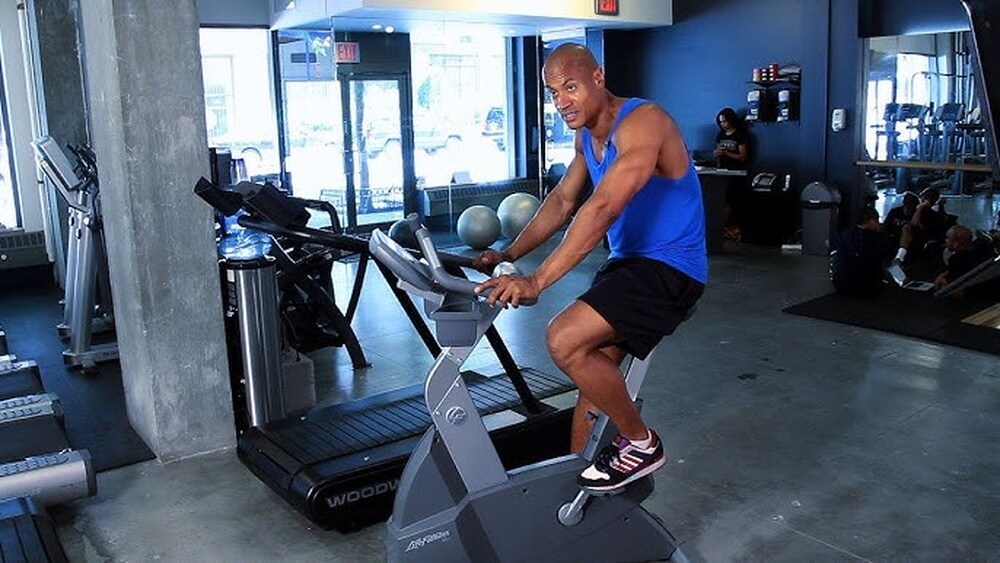
Start by adjusting the seat height. Your leg should be almost straight when the pedal is at the lowest point. This reduces knee strain and improves power. Move the seat forward or backward to align your knees with the pedals.
Next, set the handlebars. They should be at a height where you feel comfortable and your back stays straight. Handlebar position affects your posture and breathing, so find a spot that feels natural.
Choosing Resistance Levels
Resistance controls how hard you pedal. Begin with a low resistance to warm up your muscles. Increase it gradually to challenge yourself without causing strain. Mix low and high resistance for varied workouts.
Use resistance levels to match your fitness level. Too easy won’t improve your endurance. Too hard may cause fatigue or injury. Find a balance that pushes you safely.
Proper Riding Positions
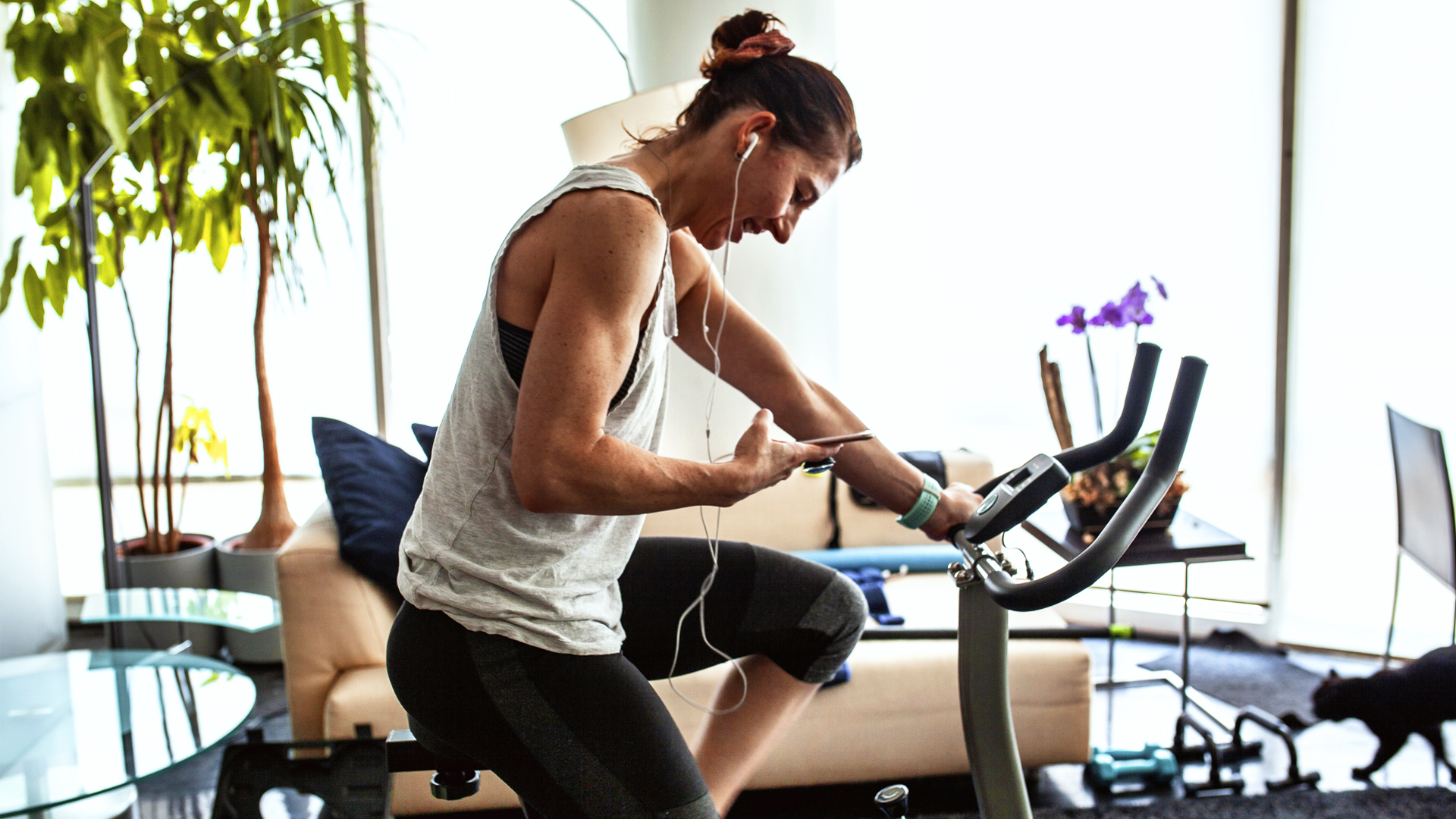
Keep your back straight and shoulders relaxed while riding. Avoid slouching or leaning too far forward. Your knees should move in line with the pedals without wobbling.
Hold the handlebars lightly to prevent tension in your arms and neck. Engage your core muscles to support your lower back. Proper position reduces pain and improves pedaling efficiency.
Credit: www.technogym.com
Effective Warm-up And Cool-down
Warming up before and cooling down after a session on the exercise bike helps prevent injuries. These steps prepare your body for exercise and aid recovery. They improve blood flow, loosen muscles, and reduce soreness. Both warm-up and cool-down should be part of every workout.
Dynamic Warm-up Techniques
Start with light pedaling at low resistance for 3-5 minutes. This raises your heart rate gradually. Add gentle leg stretches off the bike to loosen muscles. Arm circles and shoulder rolls also help increase blood flow. Use movements that mimic cycling to prepare your body. Keep the warm-up smooth and controlled to avoid strain.
Gradual Cool-down Strategies
Slow down your pedaling speed and lower resistance for 5-7 minutes after your workout. This helps your heart rate return to normal safely. Follow with gentle stretching focusing on your legs, hips, and lower back. Hold each stretch for 15-30 seconds without bouncing. Deep breathing aids relaxation and oxygen flow. Cooling down reduces muscle tightness and speeds recovery.
Maximizing Fat Burn
Maximizing fat burn on an exercise bike involves smart workout choices. Effective methods help burn more calories and fat in less time. Focus on how you pedal, the intensity, and your heart rate.
High-intensity Interval Training (hiit)
HIIT involves short bursts of fast pedaling followed by rest or slow cycling. This method raises your heart rate quickly. It boosts metabolism and burns calories even after exercise. Try 20 to 30 seconds of sprinting, then pedal slowly for 1 to 2 minutes. Repeat for 15 to 20 minutes. HIIT keeps workouts exciting and efficient.
Steady-state Cardio Routines
Steady-state cardio means cycling at a constant, moderate pace. This workout lasts 30 to 60 minutes without big breaks. It helps your body use fat as fuel. Keep your effort steady, not too hard or easy. This routine improves endurance and supports long-term fat loss. It’s great for beginners and those who prefer a calm workout.
Targeting Heart Rate Zones
Fat burns best in specific heart rate zones. Aim for 60% to 75% of your maximum heart rate. This range is called the fat-burning zone. Use a heart rate monitor or the bike’s sensors to check. Staying in this zone helps your body burn fat efficiently. Adjust resistance and speed to keep your heart rate steady. This method makes each workout count.
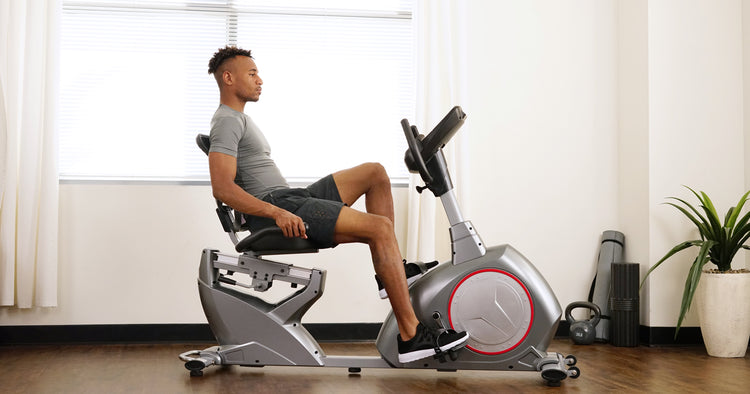
Credit: sunnyhealthfitness.com
Engaging Core Muscles
Engaging your core muscles during exercise bike workouts improves stability and balance. A strong core supports your lower back and prevents injury. It also helps you pedal more efficiently, boosting your overall workout results.
Focus on keeping your abdominal muscles active throughout your cycling session. This engagement helps tone your midsection and enhances endurance. Even simple adjustments in posture can make a big difference in core activation.
Maintaining Posture
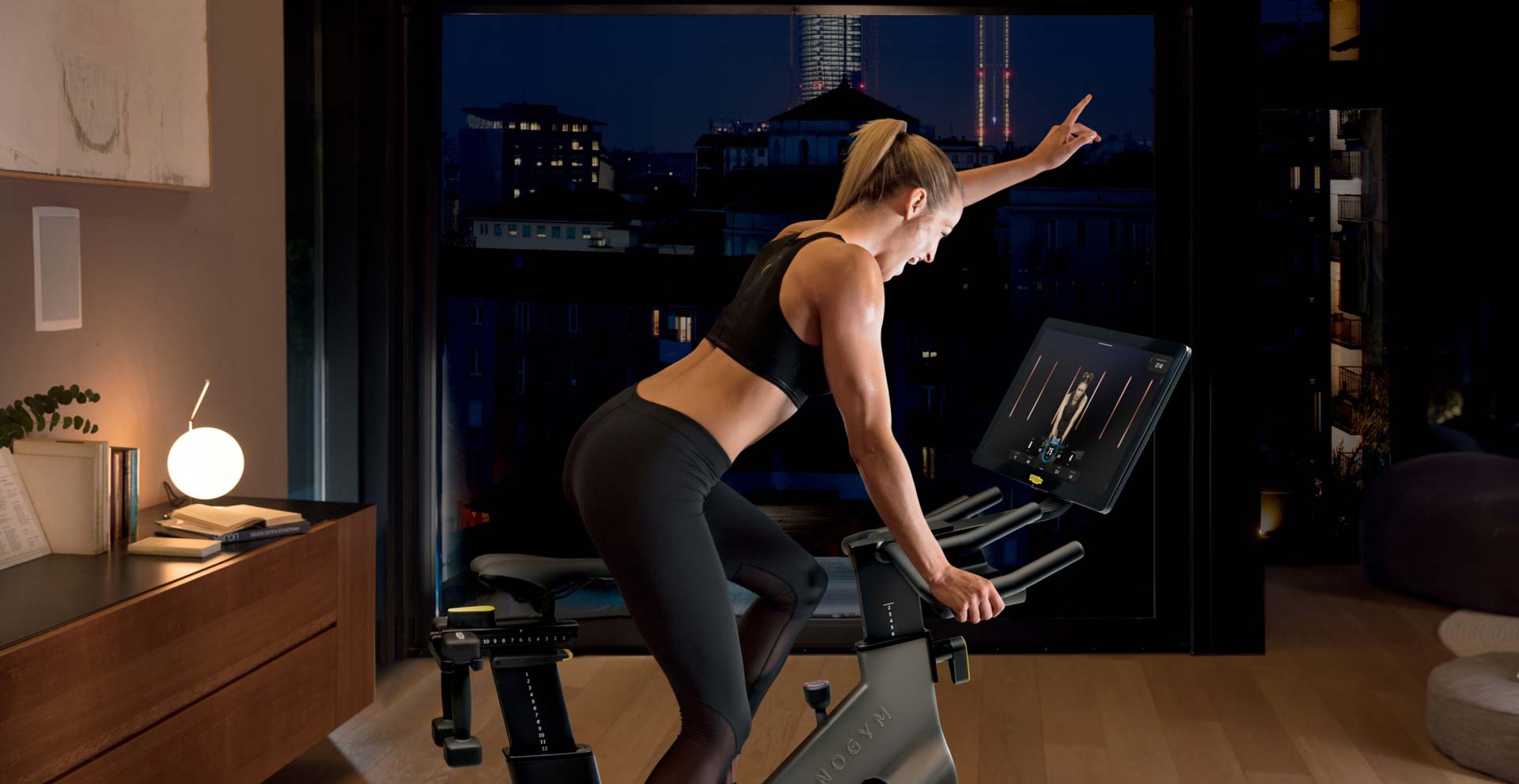
Sit tall with a straight back on the exercise bike. Avoid slouching or leaning too far forward. Keep your shoulders relaxed and down, not hunched up.
Hold your head in line with your spine. Eyes should look forward, not down. This position keeps your core muscles working to stabilize your body.
Engage your abdominal muscles by pulling your belly button toward your spine. This action supports your lower back and improves balance.
Core Activation Tips
Try tightening your core muscles gently before you start pedaling. Maintain this tension throughout your ride for better control.
Use deep, steady breaths to keep your core engaged. Inhale through your nose and exhale through your mouth while tightening your abs.
Incorporate short intervals of standing cycling. Standing forces your core to work harder to keep your body stable.
Finish your workout with core-focused stretches and exercises. This practice strengthens your muscles and aids recovery.
Combining Strength And Cardio
Combining strength and cardio workouts enhances fitness and speeds up fat loss. Using an exercise bike for cardio improves heart health and burns calories. Adding strength training builds muscle, which raises metabolism and supports fat burning. Together, these workout types create a balanced fitness routine that improves endurance and body tone.
Incorporating Strength Training
Use bodyweight exercises alongside your bike sessions. Squats, lunges, and push-ups strengthen key muscle groups. These moves complement cycling by building lower body strength. Try light dumbbells or resistance bands for added challenge. Strength training helps avoid muscle loss during weight loss. It also improves cycling performance and reduces injury risk.
Balancing Workout Types
Plan your week to include both cardio and strength days. For example, bike three days and do strength workouts two days. On bike days, vary intensity with steady rides and interval training. On strength days, focus on full-body exercises to target all muscles. Balance prevents fatigue and keeps workouts fresh. Rest days are essential for muscle recovery and growth.
Tracking Progress
Tracking progress is key to staying motivated on your exercise bike journey. It helps you see improvements and keeps your workouts effective. Watching your data shows what works and what needs change.
Regular tracking also builds good habits. It makes you more aware of your effort and encourages consistency. Small wins add up over time, pushing you closer to your fitness goals.
Using Bike Metrics
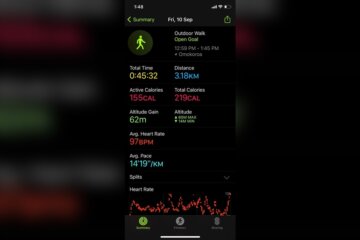
Most exercise bikes show metrics like speed, distance, and calories burned. These numbers give instant feedback on your workout. Pay attention to your pace to maintain steady effort.
Tracking distance helps set daily or weekly targets. Calories burned give an idea of energy use, motivating you to push harder or longer. Use these metrics to adjust resistance and challenge yourself.
Monitoring Heart Rate
Heart rate shows how hard your body works during exercise. Many bikes have built-in sensors or you can use a chest strap or wrist monitor. Staying in the right heart rate zone improves endurance and fat burn.
Low to moderate zones build stamina, while higher zones increase cardio fitness. Track heart rate to avoid overtraining or undertraining. It guides your workout intensity safely and effectively.
Setting Realistic Goals
Start with small, clear goals. For example, ride 10 minutes a day or cycle 5 miles each session. Gradually increase time or intensity as your fitness grows.
Realistic goals prevent burnout and keep you motivated. Write them down and track progress weekly. Celebrate each achievement to stay inspired and committed to your routine.
Nutrition And Recovery
Nutrition and recovery play vital roles in maximizing exercise bike workouts. Proper food intake fuels your body and aids fat loss. Recovery helps muscles repair and grow stronger. Together, they improve endurance and performance over time.
Diet Tips For Fat Loss
Focus on eating whole, unprocessed foods. Include lean proteins like chicken, fish, and beans. Proteins support muscle repair and growth. Add vegetables for fiber and vitamins. Choose complex carbs such as oats, brown rice, and sweet potatoes. These provide steady energy for longer rides. Limit sugary snacks and fried foods. They add empty calories and slow fat loss. Eat smaller meals more often to keep metabolism active. Avoid skipping meals to maintain energy and prevent overeating later.
Hydration Strategies
Drink water before, during, and after cycling sessions. Staying hydrated improves endurance and focus. Aim for at least 8 cups of water daily. Increase intake on workout days or in hot weather. Avoid sugary drinks and excessive caffeine. They can cause dehydration. For longer rides, consider electrolyte drinks to replace lost minerals. Sip fluids slowly rather than gulping. This helps your body absorb water better and prevents cramps.
Rest And Muscle Recovery
Give your muscles time to recover after exercise. Rest days prevent overtraining and injury. Sleep at least 7-8 hours each night for optimal repair. Use gentle stretching or foam rolling to ease muscle tightness. Cold showers or ice packs can reduce inflammation. Try light activities like walking on rest days to boost circulation. Listen to your body and adjust intensity if you feel pain or extreme fatigue. Recovery is key to consistent progress on the exercise bike.
Staying Motivated
Staying motivated is key to getting the most from your exercise bike sessions. Without motivation, workouts can feel like a chore. Simple strategies can keep your energy high and your mind focused. Consistency grows from small, enjoyable habits that make exercise feel rewarding.
Creating Workout Playlists
Music can boost your mood and power your pedaling. Create playlists with songs that have a strong beat. Choose tracks that match your workout pace, like fast songs for sprints and calm ones for cool-downs. Fresh playlists keep your sessions exciting and less boring.
Setting Challenges
Challenges add a sense of purpose to your rides. Set goals like cycling a certain distance or time each week. Try increasing resistance gradually to build strength. Track your progress and celebrate small wins. Challenges turn exercise into a fun game you want to win.
Joining Cycling Communities
Being part of a group can boost motivation. Online forums or social media groups connect you with other riders. Share your goals and achievements. Encouragement from others keeps you committed. Friendly competition and support make workouts feel less lonely.
Frequently Asked Questions
How Do I Get The Best Results From A Stationary Bike?
Warm up before riding and maintain proper posture. Use varied resistance and intervals to boost intensity. Monitor your heart rate and stay consistent for best results.
What Is The 80% Rule In Cycling?
The 80% rule in cycling means training at 80% of your maximum effort or heart rate. It balances intensity and recovery for better endurance and performance.
Can I Lose Belly Fat By Riding A Stationary Bike?
Riding a stationary bike burns calories and reduces overall body fat, including belly fat. Combine cycling with a balanced diet and strength training for best results. Consistent aerobic exercise and high-intensity intervals boost metabolism and tone core muscles, aiding effective belly fat loss.
What Is The 75 Rule In Cycling?
The 75 rule in cycling means riding 75% of your weekly training volume at low intensity to boost endurance and recovery.
Conclusion
Using an exercise bike regularly improves your fitness and health. Start with a proper warm-up to prepare your body. Keep good posture to avoid injury and get the best results. Change your resistance and speed to challenge yourself. Mix steady rides with short, fast intervals for better fat burning.
Track your progress to stay motivated and see improvements. Remember, consistency is key to reaching your goals. Combine cycling with a balanced diet and strength exercises for best effects. Enjoy your rides and feel the benefits every day.

“As the voice behind Radiant Glow Health, we are dedicated to being your ultimate wellness and vitality companion. Our mission is to inspire and guide you on your journey to a healthier and more vibrant life. Join us as we explore holistic health practices and empower you to radiate wellness from within.”