You have the best exercise equipment at your fingertips, but are you truly getting the most out of it? Using gym machines and tools correctly can make all the difference between wasted effort and real progress.
Whether you’re new to working out or have some experience, knowing how to use exercise equipment effectively will help you reach your fitness goals faster and safer. This guide will show you simple, proven tips to maximize your workouts, avoid injuries, and keep you motivated every step of the way.
Keep reading to unlock the full potential of your exercise routine and transform your results starting today.
Choosing The Right Equipment
Choosing the right exercise equipment is key to a successful workout. The right tools help you train safely and reach your goals faster. Picking equipment depends on your fitness level, space, and what you want to achieve. Knowing your options makes it easier to make good choices. This section explores types of exercise machines, compares free weights and machines, and matches equipment to different goals.
Types Of Exercise Machines
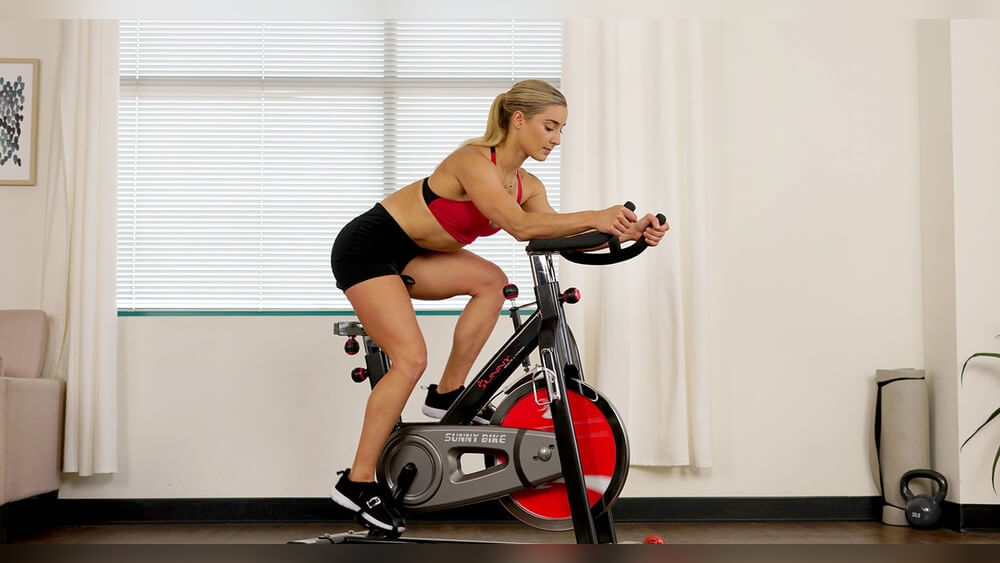
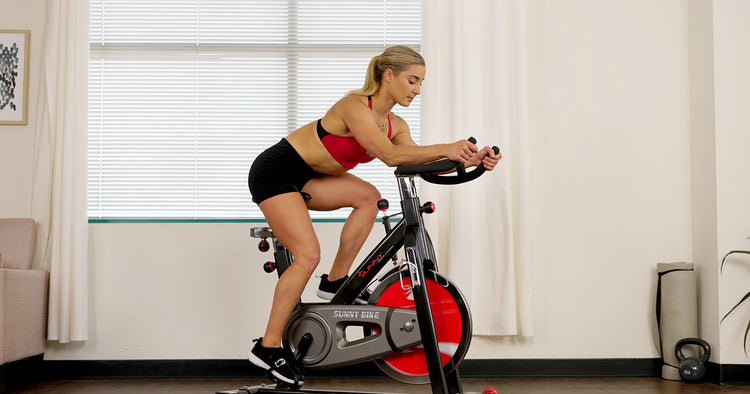
Exercise machines come in many forms. Treadmills help improve cardio and endurance. Stationary bikes offer low-impact workouts for legs and heart. Rowing machines combine cardio and strength training. Weight machines target specific muscles with guided movements. Ellipticals provide full-body cardio with less strain on joints. Each machine suits different workout styles and fitness needs.
Free Weights Vs Machines
Free weights include dumbbells, barbells, and kettlebells. They allow natural movement and engage stabilizing muscles. Machines guide your motion and reduce injury risk for beginners. Free weights offer more variety but need proper technique. Machines provide support and isolate muscles well. Both have benefits and can be used together for balanced training.
Equipment For Different Goals
Choose equipment based on your fitness goals. For building muscle, free weights and resistance machines work best. To boost endurance, use cardio machines like treadmills or bikes. For weight loss, combine cardio and strength training equipment. For flexibility and balance, try bodyweight tools like yoga mats or balance boards. Matching equipment to goals improves workout results and keeps you motivated.

Credit: sunnyhealthfitness.com
Proper Form And Technique
Proper form and technique are key to effective workouts. Using exercise equipment correctly helps prevent injuries. It also ensures you target the right muscles. Focus on controlled, smooth movements. Avoid rushing through exercises. Good technique improves results and keeps you safe.
Common Mistakes To Avoid
Avoid lifting too much weight too soon. This can strain muscles and joints. Do not use momentum to move weights. It reduces exercise effectiveness and increases injury risk. Avoid locking your joints during exercises. Keep a slight bend for safety. Skipping warm-up or cool-down can cause muscle tightness. Always prepare your body before starting.
Using Machines Safely
Adjust machines to fit your body size. Check seat height and handles before use. Start with low resistance and increase gradually. Keep your movements slow and controlled. Do not twist your body while using machines. Maintain steady breathing during each repetition. Stop immediately if you feel pain or discomfort.
Body Alignment Tips
Stand or sit straight with shoulders relaxed. Keep your spine neutral, not rounded or arched. Engage your core to support your back. Align your knees over your feet during lower body exercises. Keep wrists in line with your forearms. Proper alignment reduces strain and improves efficiency.
Structuring Your Workout
Structuring your workout is essential for effective exercise. A well-planned session maximizes results and reduces injury risk.
Organizing your time and equipment helps you stay focused and motivated. It also ensures you target all important fitness areas.
Combining Strength And Cardio
Mix strength and cardio exercises for a balanced workout. Strength builds muscle, while cardio improves heart health.
Start with strength training to use your energy on heavy lifts. Follow with cardio to burn extra calories and boost endurance.
This combination helps increase metabolism and supports weight loss effectively.
Circuit Training With Equipment
Circuit training involves moving quickly between exercises with little rest. Use different machines or weights in each station.
This method keeps your heart rate high and works multiple muscle groups. It also saves time and keeps workouts interesting.
Try circuits that include squats, rowing, push-ups, and cycling for full-body benefits.
Balancing Muscle Groups
Train all major muscle groups evenly to avoid imbalances. Focus on legs, back, chest, shoulders, and core.
Use equipment like leg presses, pull-down machines, and dumbbells to target different muscles. This prevents injury and improves posture.
Alternate between upper and lower body exercises to allow muscles to recover.
Progression And Overload
Progression and overload are key to improving strength and fitness with exercise equipment. Your muscles grow stronger when you challenge them beyond their usual limits. Small, steady increases in effort help avoid plateaus and keep workouts effective. The body adapts by building muscle, endurance, or power depending on the type of overload applied.
Understanding how to apply progression safely ensures continuous improvement. Avoid pushing too hard too fast to prevent injury. Use a planned approach to increase the difficulty over time. This keeps workouts productive and helps reach your fitness goals efficiently.
Increasing Weight And Reps
Start by lifting a weight that feels challenging but manageable. Gradually add small amounts of weight as you get stronger. Another way is to increase the number of repetitions while keeping the weight constant. Both methods create overload by making muscles work harder. Aim to increase weight or reps every week or two, depending on your progress. Track your body’s response and adjust to avoid strain or fatigue.
Tracking Your Improvements
Keep a workout log to record weights, sets, and repetitions. Tracking progress helps you see gains over time. It also motivates you to push a little more during each session. Use notes to remember how you felt during exercises. This helps identify when to rest or increase effort. Digital apps or simple notebooks work well for tracking. Consistent records make progression easier and safer.
Incorporating Accessory Exercises
Accessory exercises target smaller muscles that support main lifts. They help improve balance and prevent injuries. For example, add exercises for the core, shoulders, or hips alongside primary movements. These assist in lifting heavier weights and improve overall performance. Change accessory exercises regularly to challenge muscles differently. This variety boosts growth and keeps workouts interesting.
Maximizing Efficiency
Maximizing efficiency during workouts helps you get better results in less time. Using exercise equipment smartly focuses your effort and energy. This approach keeps workouts productive and prevents wasted time. Efficient workouts also reduce fatigue and boost motivation. Follow strategies that combine exercises and minimize downtime. Avoid mistakes that slow progress or cause injuries. These tips help you make the most of every session.
Time-saving Workout Strategies
Plan workouts with clear goals and limits. Set a timer for each exercise or circuit. Choose equipment that targets multiple muscle groups. Warm up quickly with light cardio or dynamic stretches. Rest briefly between sets to keep heart rate up. Prepare your workout space before starting. This reduces breaks and distractions. Track your progress to stay motivated and focused.
Using Supersets And Circuits
Supersets pair two exercises done back-to-back without rest. This saves time and increases workout intensity. Example: Combine a chest press with a row. Circuits involve several exercises in a sequence with little rest. Circuits keep your heart rate high and train many muscles. Use machines and free weights to create balanced circuits. Change exercises regularly to avoid boredom and plateaus.
Avoiding Common Pitfalls
Do not rush through exercises with poor form. This risks injury and reduces benefits. Avoid spending too much time on one machine. Move efficiently between equipment to maintain effort. Do not skip warm-ups or cool-downs. These prepare your body and reduce soreness. Stay hydrated and listen to your body’s signals. Rest when needed to allow recovery and growth.
Credit: la-recre-et-compagnie.fr
Recovery And Rest
Recovery and rest play a crucial role in using exercise equipment effectively. They help your muscles repair and grow stronger. Without proper rest, your body risks injury and fatigue. Including recovery time in your fitness routine ensures steady progress and better results.
Importance Of Rest Days
Rest days give your muscles time to heal after workouts. They reduce the risk of overtraining and injury. Taking breaks improves your energy levels for the next session. Rest also helps your body adapt to the exercise stress. Aim to include at least one or two rest days per week.
Stretching And Mobility Work
Stretching keeps your muscles flexible and reduces stiffness. Mobility exercises improve your joint range of motion. Both help prevent injuries and improve workout performance. Spend a few minutes stretching after each session. Gentle mobility work on rest days supports recovery and eases soreness.
Listening To Your Body
Your body sends signals when it needs rest or care. Pay attention to pain, fatigue, or discomfort. Avoid pushing through sharp or persistent pain. Adjust workouts based on how you feel. Rest or modify exercises to prevent injury and support recovery.
Nutrition And Support
Nutrition and proper support play a big role in using exercise equipment well. Eating the right foods and caring for your body helps you exercise longer and recover faster. This section covers how to fuel workouts, stay hydrated, and improve sleep for better muscle repair.
Fueling Your Workouts
Eating before exercise gives your body energy. Choose foods with carbs and some protein. Carbs give quick energy, while protein supports muscles. Examples include a banana with peanut butter or yogurt with fruit. Avoid heavy meals that may cause discomfort.
After workouts, eat protein to help muscles repair. A small meal with lean meat, eggs, or beans works well. Include some carbs to refill energy stores. This balance helps your body recover and grow stronger.
Hydration Tips
Drink water before, during, and after exercise. Staying hydrated keeps muscles working well. Dehydration can cause cramps and tiredness. Sip water regularly instead of gulping it all at once. For long workouts, consider a drink with electrolytes to replace lost minerals.
Aim to drink about 8 ounces every 15-20 minutes during exercise. Monitor the color of your urine; clear or light yellow means good hydration. Dark urine signals a need for more fluids.
Sleep And Muscle Repair
Sleep is crucial for muscle recovery and growth. During deep sleep, your body repairs tiny muscle tears from exercise. Aim for 7 to 9 hours of quality sleep each night. Avoid screens and heavy meals close to bedtime.
Good sleep improves energy and focus for your workouts. It also reduces injury risk by helping muscles stay strong and flexible. Create a relaxing bedtime routine to support restful sleep every night.
Credit: sunnyhealthfitness.com
Adapting For Beginners
Starting exercise with new equipment can feel challenging for beginners. Adapting to machines and tools requires patience and simple steps. Focus on learning basics before increasing intensity. This approach helps reduce injury risk and builds a strong foundation for fitness.
Understanding how to use equipment correctly makes workouts safer and more effective. Small progress each session leads to steady improvement. Beginners should listen to their bodies and avoid pushing too hard too soon. Consistency matters more than speed at the start.
Starting With Basic Equipment
Choose simple equipment like resistance bands, light dumbbells, or a stability ball. These tools are easy to use and help improve balance and strength. Avoid complex machines that require advanced skills or heavy weights. Basic equipment builds confidence and prepares you for future challenges.
Learn proper form and technique before increasing weight or difficulty. Watching tutorial videos or asking gym staff for help is useful. Practice slow and controlled movements to avoid injuries. Basic tools allow safe introduction to strength training and cardio exercises.
Building Confidence
Confidence grows by practicing regularly and mastering each exercise step. Start with short sessions focused on correct posture and breathing. Celebrate small achievements like completing a full set or improving form. Confidence reduces fear of equipment and motivates continued effort.
Group classes or workout partners provide support and encouragement. Surrounding yourself with positive people makes workouts more enjoyable. Remember, everyone begins as a beginner. Trust the process and keep trying.
Setting Realistic Goals
Set clear, simple goals that fit your current fitness level. Goals like “exercise 3 times a week” or “increase reps gradually” work well. Avoid aiming for drastic changes too quickly. Realistic goals prevent frustration and keep motivation high.
Track progress with a journal or fitness app to see improvements. Adjust goals as strength and stamina grow. Focus on consistency and gradual growth. This method creates lasting healthy habits and better results over time.
Advanced Techniques
Advanced techniques in exercise equipment use help push your fitness further. These methods improve strength, endurance, and overall performance. They require focus and smart planning to avoid injury and maximize gains.
Using these techniques correctly can make workouts more efficient and rewarding. They help break plateaus and keep your routine interesting.
Using Training Max For Progress
Training max means working with a percentage of your maximum weight. It controls intensity and helps track progress safely. For example, use 85% of your one-rep max in exercises.
This approach prevents burnout and reduces injury risks. It allows steady strength gains by increasing loads gradually. Tracking your training max helps adjust workouts based on your improvement.
Deload Weeks And Recovery
Deload weeks are planned periods of reduced workout intensity. They give your muscles and joints time to recover. Cutting down weights and volume helps repair and avoid overtraining.
Recovery improves long-term strength and performance. Skipping deloads may cause fatigue and increase injury chances. Schedule deload weeks every 4 to 6 weeks depending on workout intensity.
Mixing Training Styles
Varying your training styles keeps workouts fresh and balanced. Combine strength training, cardio, and flexibility exercises. Use machines, free weights, and bodyweight moves for variety.
This mix improves muscle growth, heart health, and joint mobility. It also reduces boredom and plateaus. Rotate training styles weekly or within sessions for best results.
Frequently Asked Questions
What Is The 3 3 3 Rule For Exercise?
The 3 3 3 rule for exercise means three days of strength training, three days of cardio, and three days of rest or active recovery each week. This balances fitness, improves overall health, and prevents burnout. It suits all fitness levels and promotes consistent progress.
What Is The 2 2 2 Rule In Gym?
The 2 2 2 rule in the gym means performing 2 exercises, 2 sets each, with 2 minutes rest between sets. It boosts efficiency and balance.
What Is The 3/2/1 Rule In Gym?
The 3/2/1 rule in gym means performing 3 sets of one exercise, 2 sets of another, and 1 set of a third. It balances workout intensity and variety efficiently.
What Is The 5-3-1 Rule In Gym?
The 5-3-1 rule in gym is a strength training method using four weekly sets at 5, 3, and 1 reps. It focuses on progressive overload to build muscle and increase strength safely over time.
Conclusion
Using exercise equipment correctly boosts your workout results safely. Start slow to learn proper form and avoid injury. Focus on consistent use to build strength and stamina over time. Mix different machines and exercises to target all muscle groups. Rest days help your body recover and improve performance.
Remember, patience and practice make a big difference. Keep your routine simple and enjoy the progress you make. Stay committed, and your fitness will steadily improve.

“As the voice behind Radiant Glow Health, we are dedicated to being your ultimate wellness and vitality companion. Our mission is to inspire and guide you on your journey to a healthier and more vibrant life. Join us as we explore holistic health practices and empower you to radiate wellness from within.”