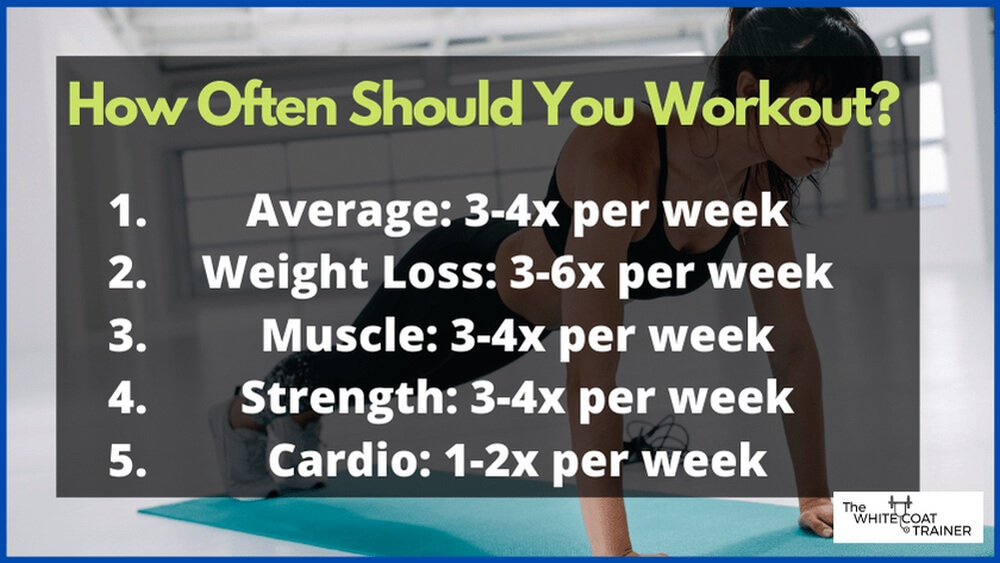
“How Often Should You Exercise a Week?”
Are you wondering how often you should exercise each week to see real results without burning out? Finding the right balance is key to boosting your energy, improving your mood, and staying strong and healthy.
Too little exercise, and you might not reach your goals; too much, and you risk injury or exhaustion. You’ll discover simple, science-backed advice on how often you should work out, how to make each session count, and how to listen to your body for the best health and fitness outcomes.
Keep reading to unlock the secrets to a workout routine that fits your life and helps you feel your best every day.
Benefits Of Regular Exercise
Regular exercise offers many benefits for both body and mind. It helps keep you healthy and feeling good every day. Exercising often improves your strength, energy, and mood. Small steps of activity can make a big difference in how you live.
Mental Health Boosts
Exercise lowers stress and helps you relax. It releases chemicals in the brain that improve mood. People who exercise regularly often feel less anxious and more positive. Even short workouts can boost your energy and clear your mind.
Improved General Fitness
Working out builds muscle and increases endurance. It helps control your weight and improves balance. Regular movement makes daily tasks easier and keeps your body strong. Fitness grows with every session, making you more active and flexible.
Heart And Bone Health
Exercise strengthens your heart and lungs. It improves blood flow and reduces the risk of heart disease. Weight-bearing activities also help build strong bones. Staying active lowers the chance of osteoporosis and keeps your body resilient.
Making Workouts Effective
Making workouts effective means using your time wisely. Exercise quality matters more than quantity. Focus on strategies that boost your workout benefits. Small changes can lead to big results in less time.
Consistency helps, but how you exercise shapes your progress. Follow simple tips to maximize each session. You will see better strength, endurance, and overall health.
Prioritize Intensity
Exercise intensity influences how much you improve. Short bursts of higher effort burn more calories and build fitness faster. You do not need to train long to get benefits. Push yourself a little harder each session.
Try interval training or add speed to your routine. Keep your heart rate up but safe. Intensity helps your body adapt and grow stronger.
Full-body Focus
Work all major muscle groups in each workout. Full-body workouts save time and boost calorie burn. This approach improves balance and coordination. Avoid only training one area at a time.
Use exercises that engage legs, arms, core, and back together. Squats, push-ups, and rows are great choices. This method builds overall fitness efficiently.
Include Strength Training
Strength training matters for muscle and bone health. Aim for at least two days of muscle work weekly. Use weights, resistance bands, or bodyweight exercises. This helps prevent injuries and supports daily activities.
Strength workouts also raise metabolism, aiding fat loss. Focus on proper form over heavy weights. Consistent strength training improves your posture and energy.
Recommended Exercise Frequency
Finding the right exercise frequency helps you stay healthy and fit. Exercising too little or too much can affect your progress and health. Experts suggest a balanced schedule to gain benefits without injury. Below are key recommendations from trusted health organizations and tips to keep you consistent.
Cdc Guidelines
The Centers for Disease Control and Prevention (CDC) advise adults to get at least 150 minutes of moderate exercise weekly. This means about 30 minutes a day, five days a week. Alternatively, 75 minutes of vigorous exercise spread over the week works well too. Strength training should be done at least two days per week. This helps build muscles and improve overall health.
American Heart Association Tips
The American Heart Association (AHA) emphasizes regular aerobic activity. Aim for 150 minutes of moderate or 75 minutes of vigorous exercise weekly. They also recommend muscle-strengthening activities on two or more days. Mixing cardio with strength exercises supports heart health and body strength. The key is variety and balance to maintain interest and results.
Consistency Strategies
Consistency beats intensity for long-term success. Plan your workouts ahead each week to form a habit. Choose activities you enjoy to stay motivated. Set realistic goals and adjust as you progress. Track your workouts to see improvements and keep pushing. Rest days are important for recovery and preventing burnout.
Creating A Balanced Routine
Creating a balanced exercise routine helps you stay healthy and avoid injury. It ensures your body gets the right mix of workout types. A good plan includes cardio, strength, and flexibility exercises. Balancing these keeps your workouts interesting and effective. This section explains how to create a routine that fits your needs.
Mixing Cardio, Strength, And Flexibility
Cardio exercises improve your heart and lung health. Activities like walking, running, or cycling get your blood pumping. Strength training builds muscle and boosts metabolism. Use weights, resistance bands, or bodyweight moves. Flexibility exercises help your muscles stay loose and prevent pain. Stretching or yoga works well here. Include all three types in your weekly routine.
Muscle Group Splits
Focus on different muscle groups on different days. For example, work your legs on one day and arms the next. This method allows muscles to rest and grow. It reduces the risk of overtraining. Beginners may start with full-body workouts first. As you progress, try splitting your workouts by muscle group. This strategy helps you train more frequently without fatigue.
Maintaining Moderate Intensity
Exercise at a moderate pace to avoid burnout or injury. You should feel challenged but able to talk. Moderate intensity helps improve endurance and strength safely. Use this level for most workouts each week. Mix in higher intensity only a few times. This approach keeps exercise enjoyable and sustainable over time.
Advice For Beginners
Starting a new exercise routine can feel challenging. Beginners must focus on building habits that last. The right approach helps avoid injury and keeps motivation high. Exercising smartly means knowing how often to work out and when to rest.
Avoiding High-intensity Daily Workouts
High-intensity workouts are tough on the body. Doing them every day can cause fatigue and injury. Beginners should start with moderate exercises three to four times weekly. This schedule allows the body to adapt and grow stronger. Mix in light activities like walking or stretching on other days.
Importance Of Recovery
Rest days are vital for muscle repair and growth. Without recovery, the body cannot heal properly. Beginners need at least one or two full rest days each week. Sleep also plays a key role in recovery. Aim for 7 to 9 hours nightly to support your workout progress.
Credit: vicentetorns.com
Signs Of Overtraining
Exercising regularly improves health, but too much can harm your body. Overtraining happens when you exercise too hard or too often without enough rest. It can cause many problems. Knowing the signs helps you avoid injury and stay healthy.
Persistent Fatigue
Feeling tired all the time is a common sign of overtraining. Your body needs time to recover. Without enough rest, energy levels drop. This fatigue does not go away with normal sleep or breaks.
Sleep Disruptions
Overtraining can make it hard to fall asleep or stay asleep. You might wake up often or feel unrested. Poor sleep affects recovery and overall health. Good sleep is essential for muscle repair and energy.
Performance Drop
When you overtrain, your strength and endurance can decrease. Workouts feel harder, and progress slows down. You may struggle to lift the same weights or run the same distance. This drop shows your body is stressed.
Increased Irritability And Aches
Overtraining can cause mood changes and more muscle soreness. You may feel more irritated or stressed. Muscles and joints hurt more than usual. These aches do not improve with rest and can affect daily life.
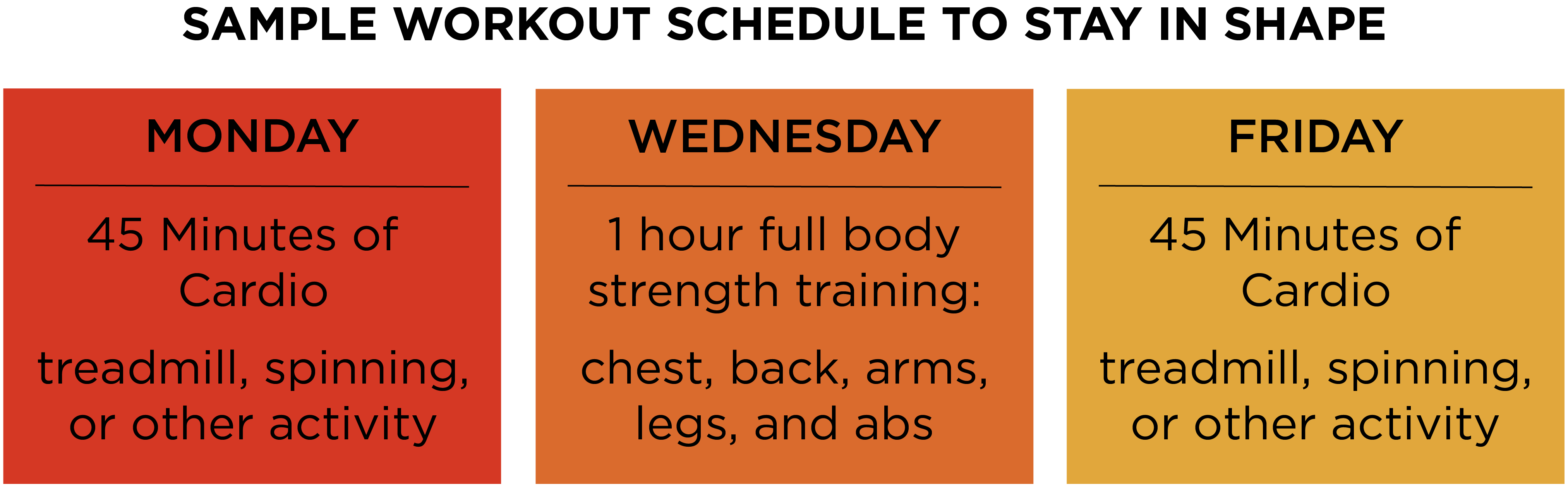
Sample Weekly Workout Plan
Creating a balanced weekly workout plan helps you stay consistent and reach fitness goals. A good plan mixes strength, cardio, and rest days. This variety improves overall health and avoids burnout. Below is a simple example to guide your weekly exercise routine.
Strength Training Days
Plan for two to three strength training sessions each week. Focus on major muscle groups like legs, back, chest, and arms. Use free weights, machines, or bodyweight exercises. Keep workouts short, about 30 to 45 minutes. Rest at least 48 hours between sessions for the same muscle group.
Cardio Sessions
Include three to four cardio workouts weekly. Choose activities like walking, running, cycling, or swimming. Aim for 20 to 40 minutes per session. Mix moderate and vigorous intensity to improve heart health. Cardio helps burn calories and boosts endurance.
Rest And Active Recovery
Rest days let your body heal and grow stronger. Take at least one full rest day per week. Use active recovery on other days with light activity. Try walking, stretching, or yoga to stay loose. These days reduce injury risk and improve long-term progress.

Credit: www.everydayhealth.com
Credit: magazine.utoronto.ca
Frequently Asked Questions
Is 30 Minutes Of Exercise 3 Days A Week Enough?
Yes, 30 minutes of exercise three days a week can improve health and fitness. Combine cardio and strength for best results. Increase intensity or duration to meet specific goals. Consistency and balanced workouts enhance benefits and prevent injury.
Is Working Out 5 Days A Week Too Much?
Working out 5 days a week is not too much if you balance intensity and allow proper recovery. Avoid daily high-intensity workouts. Include rest or lighter activity days. Listen to your body for signs of overtraining like fatigue or decreased performance.
What Is The 3 3 3 Rule For Exercise?
The 3 3 3 rule for exercise means doing 3 sets of 3 different exercises, each with 3 repetitions. It promotes balanced, efficient workouts.
What Is The 4 8 12 Rule?
The 4-8-12 rule guides exercise frequency: 4 days cardio, 8 days strength, 12 hours rest weekly. It balances workout and recovery.
Conclusion
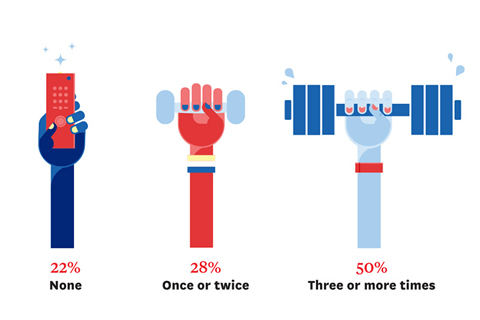
Regular exercise benefits your body and mind in many ways. Aim for at least three to five days of activity weekly. Include both cardio and strength exercises for best results. Keep workouts balanced and listen to your body’s signals. Consistency matters more than intensity alone.
Adjust your routine as you progress and stay motivated. Small steps lead to lasting habits and better health. Find what works for you and enjoy the journey.

“As the voice behind Radiant Glow Health, we are dedicated to being your ultimate wellness and vitality companion. Our mission is to inspire and guide you on your journey to a healthier and more vibrant life. Join us as we explore holistic health practices and empower you to radiate wellness from within.”