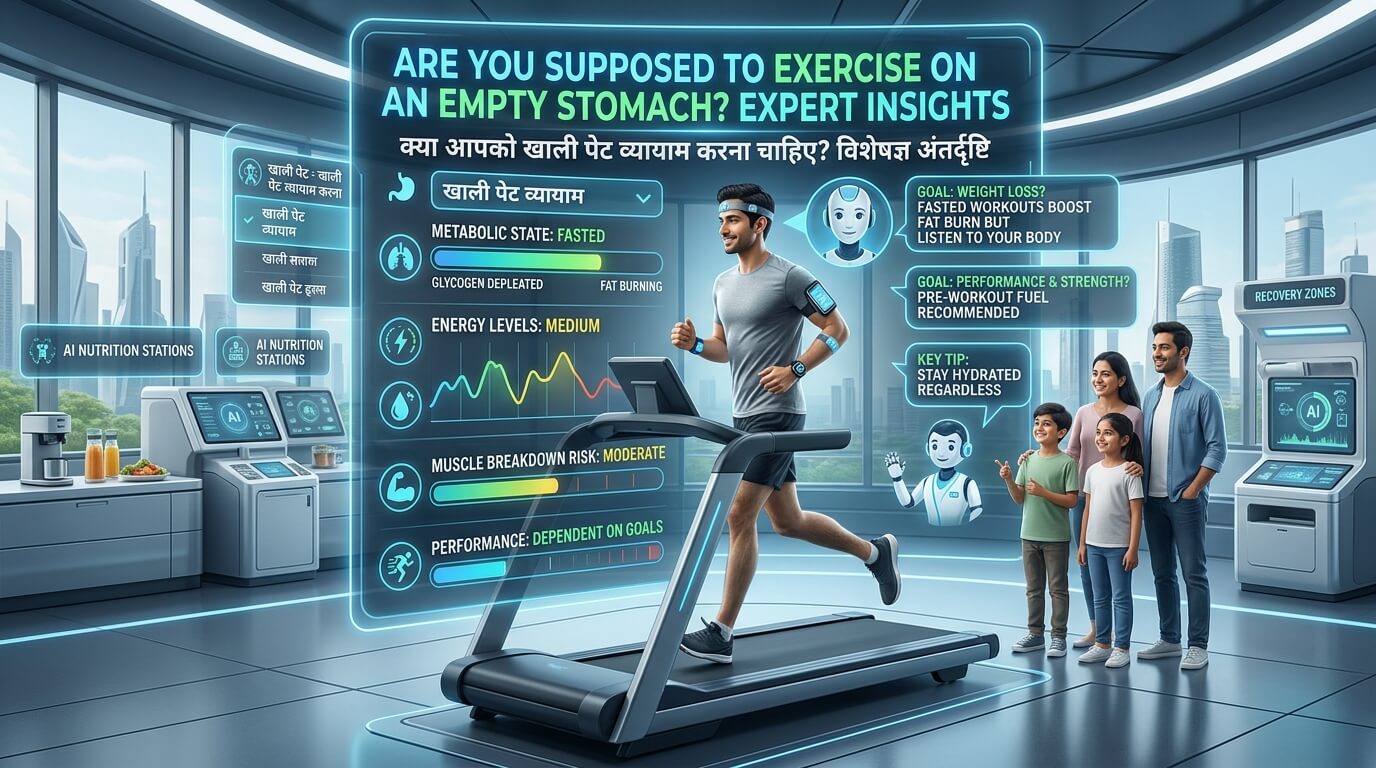
Are You Supposed to Exercise on an Empty Stomach?
Have you ever wondered if exercising on an empty stomach actually helps you burn more fat or if it might be doing more harm than good? You’re not alone.
Many people swear by fasted workouts, while others feel weak and sluggish without a bite to eat first. So, what’s the truth? Should you push through your morning routine hungry, or is a light snack the secret to better results?
You’ll discover the science behind working out on an empty stomach, the benefits and risks involved, and how to decide what’s best for your body and fitness goals. Keep reading to unlock the answers and make your workouts smarter, not harder.

Credit: www.healthline.com
Fasted Workouts
Fasted workouts mean exercising without eating first. Many try this to burn more fat and improve health. During fasting, your body uses stored energy instead of food fuel. This can change how your body reacts to exercise.
Fasted training is popular for morning routines. It fits well for low-intensity sessions. Understanding its effects helps you choose the best workout plan.
Fat Burning Effects
Exercising on an empty stomach may increase fat use. Your body taps into fat stores for energy. This happens because blood sugar and glycogen are low. Fat burning can be higher at the start of exercise.
Still, fasted workouts may reduce how hard you can train. Intense workouts might feel harder without food. Fat loss can happen but balance is key to keep muscle.
Insulin Sensitivity Benefits
Fasted exercise can improve insulin sensitivity. This means muscles use blood sugar better. Better insulin function helps control blood sugar levels. It may reduce risk of type 2 diabetes.
Improved insulin response supports overall health. Your body becomes more efficient in energy use. This benefit is one reason some prefer fasted workouts.
Suitability For Low-intensity Cardio
Fasted workouts suit low-intensity cardio well. Walking, light jogging, or cycling can work fine. These exercises do not demand much quick energy.
Higher intensity or long sessions may need food first. Without fuel, energy drops and performance suffers. Listen to your body to avoid fatigue or injury.
Drawbacks Of Empty Stomach Training
Exercising on an empty stomach may seem appealing for burning fat. Yet, this practice carries some important drawbacks. Understanding these limits helps you decide if fasted training fits your fitness plan.
Skipping food before workouts can reduce energy and affect your results. It also impacts muscle health and strength gains. Recognizing these effects is key to safe and effective training.
Reduced Workout Performance
Your body needs fuel for exercise. Without food, energy levels drop quickly. This leads to fatigue and less effort during workouts. You may feel weak and slow. Harder sessions become harder to complete. Overall, performance suffers, limiting fitness gains.
Risk Of Muscle Loss
Fasted training can cause your body to use muscle for energy. This happens when carbohydrate stores run low. Over time, muscle loss may occur. Less muscle means slower metabolism and weaker strength. Protecting muscle mass requires proper nutrition before exercise.
Challenges For Strength Training
Strength workouts demand high energy and focus. Without food, lifting heavy weights becomes tough. Recovery also slows down after training. Muscles need nutrients to repair and grow. Lack of pre-workout fuel hinders progress in strength and size.
Eating Before Exercise
Eating before exercise helps your body perform at its best. Food provides fuel that your muscles need for energy. Skipping meals can make you feel tired and weak during workouts. Even a small snack can improve your strength and focus. Choosing the right foods is important to get the most benefit from your exercise.
Enhanced Workout Energy
Eating before exercise boosts your energy levels. Carbohydrates break down into glucose, the main fuel for muscles. This helps you work out harder and longer. Without food, energy drops quickly, causing fatigue. A light snack with carbs can prevent low blood sugar. This keeps your body ready for intense or long sessions.
Muscle Preservation
Food before exercise protects your muscles from damage. Protein helps repair and build muscle tissue. Without eating, your body may break down muscle for energy. This can reduce strength and slow progress. A meal with protein and carbs supports muscle health. It helps maintain muscle mass during workouts.
Improved Recovery
Eating before exercise speeds up recovery after training. Nutrients prepare your body to fix muscle fibers. Carbs help restore energy stores used during exercise. Protein aids in muscle repair and growth. Starting with good nutrition makes recovery faster and easier. It lowers soreness and helps you train consistently.

Credit: lifehacker.com
Choosing Based On Goals
Choosing whether to exercise on an empty stomach depends mainly on your fitness goals. Your body responds differently based on what you want to achieve. Understanding these differences helps you decide the best approach for your workouts.
Weight Loss And Light Activity
Exercising without eating first can increase fat burning. Your body uses stored fat for energy during fasted workouts. This works best for light activities like walking or gentle cycling. These exercises do not require a lot of energy from food. Fasted workouts may help with weight loss if done safely and not too long.
Strength And High-intensity Training
Eating before tough workouts helps performance. Strength training and high-intensity exercises need quick energy. Food gives your muscles fuel to work harder and longer. Skipping meals can make you feel weak or tired. A small snack with carbs and protein improves strength and recovery.
Listening To Your Body
Pay attention to how you feel during exercise. Some people feel good training on an empty stomach. Others need food to avoid dizziness or fatigue. Adjust your routine based on your energy and comfort. Your body’s signals guide you to the best choice for exercise timing.
Practical Tips
Knowing how and when to exercise on an empty stomach can improve your results. Practical tips help you decide what suits your body and goals. Understanding timing, nutrition, and personal signals is key. Use these tips to work out smarter and feel better.
When To Try Fasted Cardio
Fasted cardio works best for low-intensity exercises like walking or light jogging. Try it in the morning after waking up, before eating. Your body uses stored fat for energy in this state. Avoid fasted cardio if you feel weak or dizzy. Keep sessions short to prevent muscle loss.
What To Eat Before Intense Workouts
Eat a small snack 30 to 60 minutes before hard workouts. Choose easy-to-digest carbs like a banana or toast. Adding a bit of protein helps protect your muscles. Avoid heavy or fatty foods that may cause discomfort. Hydrate well to keep energy levels steady.
Signs You Should Eat Before Exercising
Feeling shaky, tired, or lightheaded means you need fuel. Low energy or poor focus are also warning signs. If your workout is long or very intense, eating first is best. Listen to your body’s signals to avoid injury or burnout. Eating before exercise can improve performance and recovery.
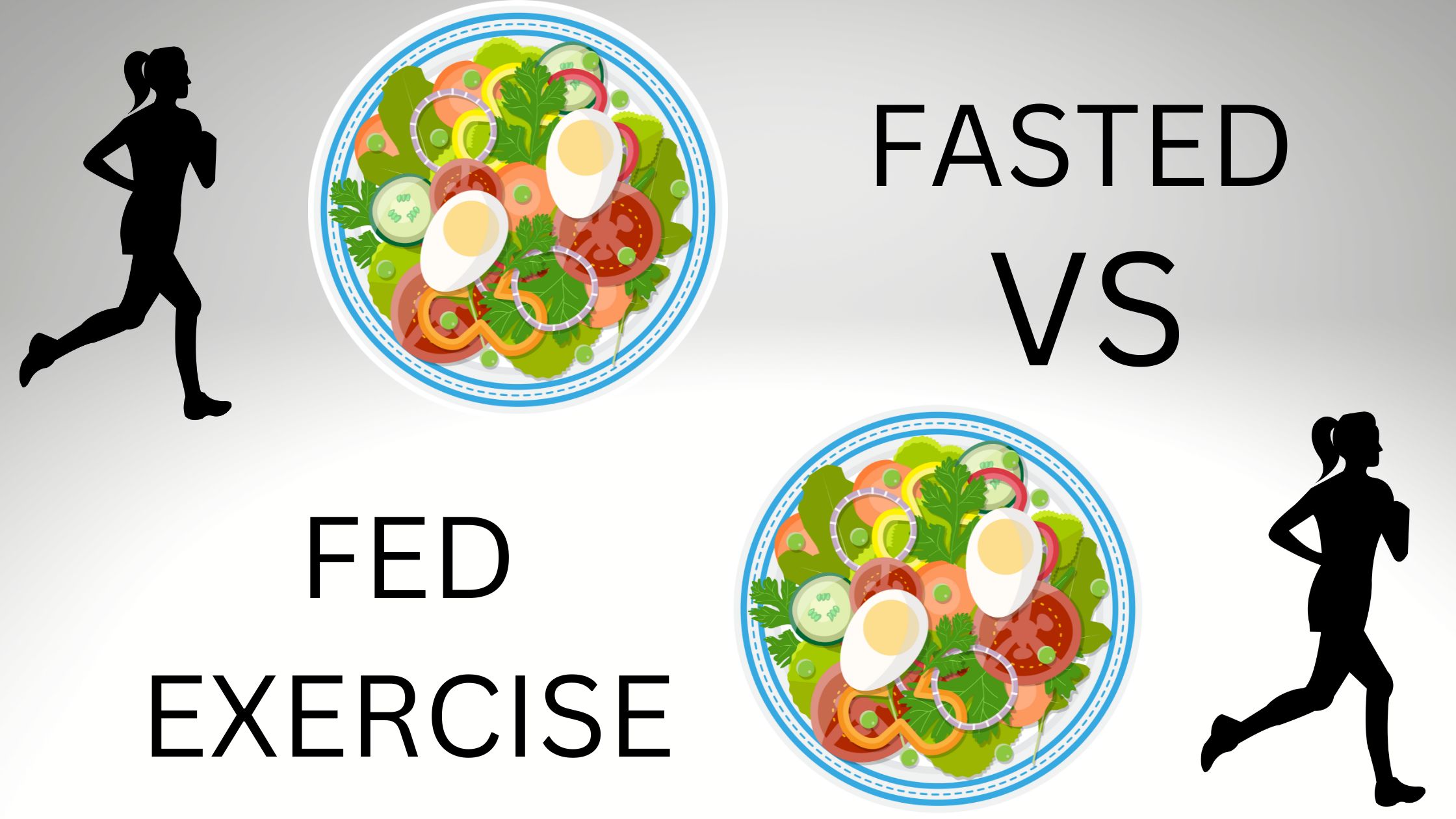
Credit: ketonutrition.org
Frequently Asked Questions
Is It Better To Workout On An Empty Stomach In The Morning?
Working out on an empty stomach burns more fat but may reduce energy and muscle strength. Eat a light snack for intense workouts. Choose based on your goals and how you feel.
Is It Good To Exercise On An Empty Stomach?
Exercising on an empty stomach can increase fat burning initially. However, it may reduce workout intensity and cause muscle loss if prolonged. It’s suitable for low-intensity cardio but less ideal for high-intensity or strength training.
What Are The Benefits Of Fasted Workouts?
Fasted workouts can enhance fat burning and improve insulin sensitivity. They work well for light cardio sessions like walking or jogging. This approach helps your body use stored fat for energy more effectively.
Can Exercising Without Food Cause Muscle Loss?
Yes, exercising intensely on an empty stomach can lead to muscle breakdown. Without sufficient fuel, the body may use muscle protein for energy. This risk is higher during prolonged or high-intensity workouts.
Conclusion
Exercising on an empty stomach has both pros and cons. It can help burn fat but may lower your energy and strength. Light workouts may work well, but intense sessions need fuel for best results. Listen to your body and choose what feels right.
Eating a small snack before exercise often helps you perform better. Balance your goals with how your body reacts. This way, you stay safe and get the most from your workouts.

“As the voice behind Radiant Glow Health, we are dedicated to being your ultimate wellness and vitality companion. Our mission is to inspire and guide you on your journey to a healthier and more vibrant life. Join us as we explore holistic health practices and empower you to radiate wellness from within.”