If you want to improve your pelvic strength, control, and overall well-being, learning how to do Kegel exercises correctly is key. But understanding these subtle muscles can be tricky without clear guidance.
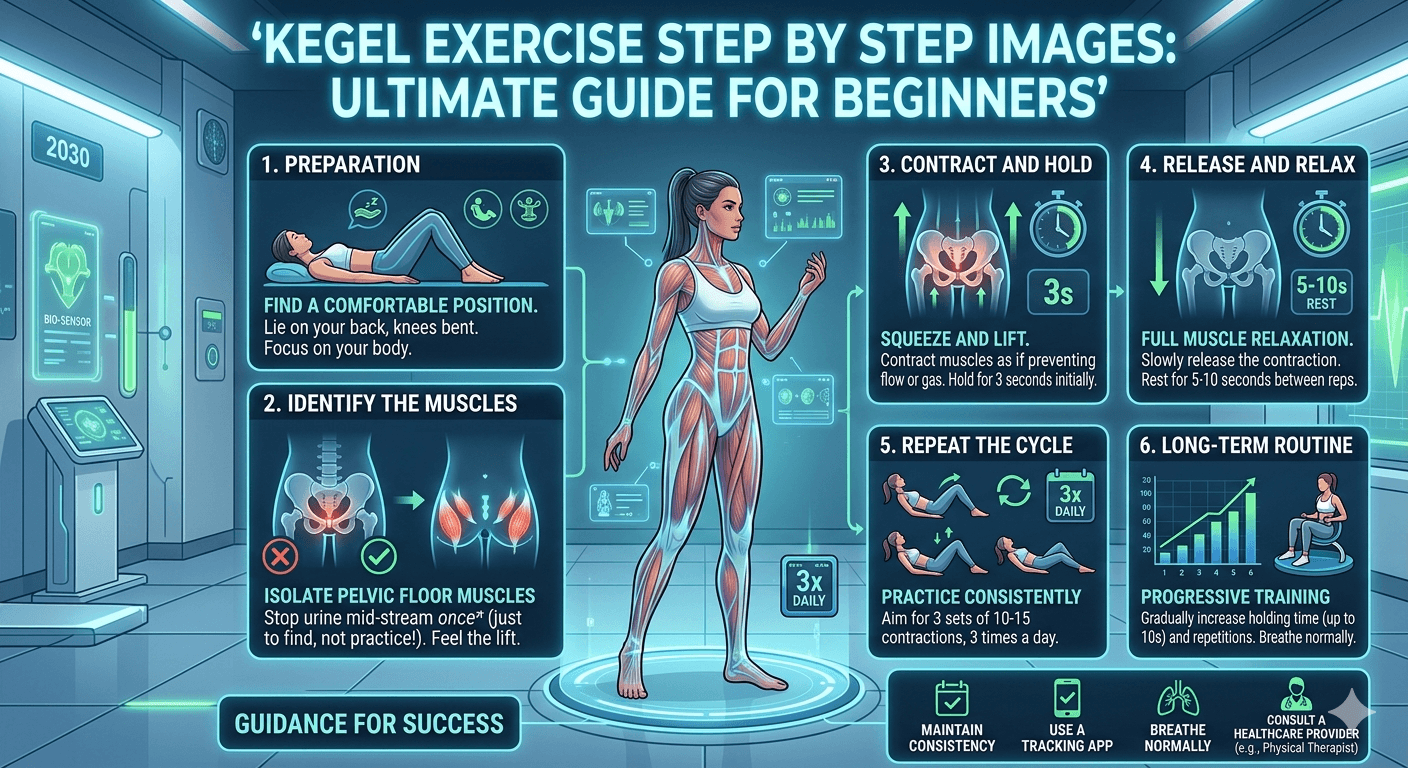
That’s why a step-by-step visual guide with images can make all the difference for you. You’ll discover exactly how to find your pelvic floor muscles, perform each Kegel move properly, and avoid common mistakes—all broken down in simple steps with easy-to-follow pictures.
Keep reading, and you’ll gain the confidence to practice Kegels anywhere, anytime, helping you feel stronger, more in control, and healthier every day.

Credit: mantellritchie.com
Locating Pelvic Muscles
Locating your pelvic muscles is the first step in doing Kegel exercises effectively. These muscles support the bladder, uterus, and bowel. Knowing where they are helps you target them correctly during exercise. It also prevents using the wrong muscles, which can reduce benefits or cause discomfort.
Stopping Urine Midstream
One way to find your pelvic muscles is by stopping urine midstream. Try to pause your urine flow while using the bathroom. The muscles you use to do this are your pelvic floor muscles. Do not make this a regular practice, as it can cause bladder problems. Use it only to identify the muscles.
Holding In Gas
Another method is to try holding in gas. Tighten the muscles that stop you from passing gas. These are the same pelvic muscles used in Kegel exercises. You should feel a gentle squeeze deep inside your pelvis. This helps confirm you are using the correct muscles.
Feeling The Lift
As you contract your pelvic muscles, feel for a lift. The area around your genitals and anus should pull upward and inward. This lifting sensation shows you are engaging the right muscles. Avoid pushing down or bearing down, which works the wrong muscles.
Avoiding Other Muscles
Focus only on your pelvic muscles. Keep your abdomen, thighs, and buttocks relaxed. Do not tighten or squeeze these muscles during your exercises. Breathe normally to avoid tension elsewhere. This focus improves the effectiveness of your Kegel practice.
Preparing For Kegels
Preparing for Kegels is an important first step to get the best results. Proper preparation helps you focus on the right muscles. It also reduces discomfort and distractions. Taking a few simple actions can make your Kegel exercises more effective and easier to do.
Start by making sure your body and mind are ready. You want to feel relaxed and comfortable before beginning. This way, you can fully concentrate on tightening and releasing your pelvic floor muscles. Clear guidance and small steps lead to better progress over time.
Emptying The Bladder
Always empty your bladder before starting Kegel exercises. A full bladder can cause discomfort and make it harder to focus. Go to the bathroom and finish completely. This helps prevent any accidental leaks and keeps you more comfortable during the exercises.
Emptying the bladder also helps you identify the right muscles. Imagine stopping urine midstream to feel which muscles to tighten. Practicing Kegels with an empty bladder trains you to control these muscles better.
Choosing Positions
Pick a comfortable position to begin your Kegel exercises. Many people start lying down because it is the easiest way to relax the body. You can also try sitting or standing once you gain confidence.
Changing positions helps your muscles get stronger in different ways. Lying down is good for beginners. Sitting and standing work your muscles against gravity. Try all positions and find what feels best for you.
Step By Step Kegel Routine
Starting a Kegel routine can strengthen your pelvic muscles and improve bladder control. A clear, step-by-step approach helps you learn the right way to do these exercises. Follow each step carefully to get the best results.
Basic Contraction And Release
Begin by finding your pelvic floor muscles. Imagine stopping urine midstream or holding in gas. Tighten these muscles slowly. Hold the contraction for a few seconds. Then, release and relax completely. Avoid tightening your abs, thighs, or buttocks. Focus only on the pelvic muscles.
Timing And Repetitions
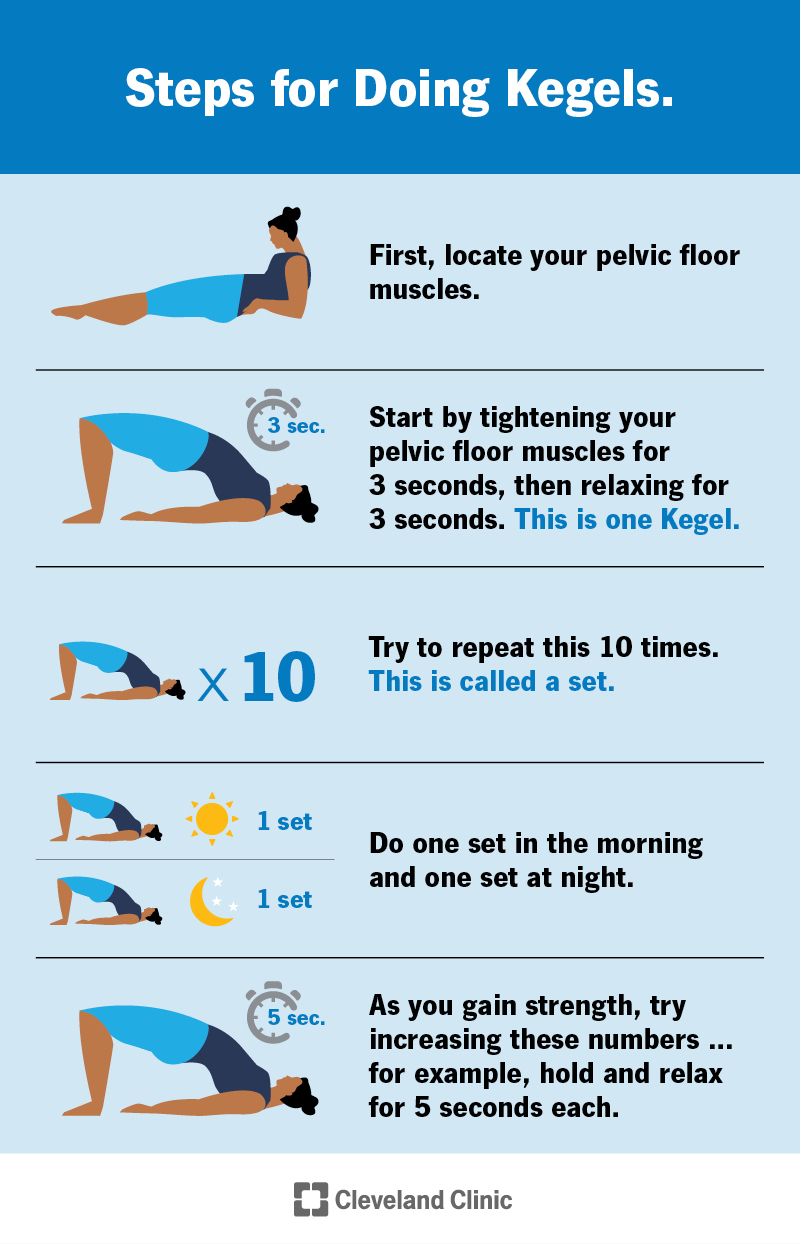
Start by holding each contraction for three seconds. Then relax for three seconds before the next squeeze. Repeat this cycle ten times in one set. Try to do three sets daily. As strength builds, increase hold time to five seconds. Keep the relaxation period the same to avoid muscle strain.
Breathing Techniques
Breathe normally throughout the exercise. Avoid holding your breath during contractions. Inhale deeply before you squeeze. Exhale slowly while tightening your pelvic muscles. This helps keep your body relaxed. Proper breathing supports better muscle control and reduces tension.
Credit: my.clevelandclinic.org
Kegel Variations
Kegel exercises strengthen the pelvic floor muscles. Different positions help target these muscles effectively. Changing your posture can improve muscle control and comfort during workouts. The following sections explain easy Kegel variations to try at home.
Lying Down Exercises
Lying down is the easiest way to start Kegel exercises. Lie on your back with knees bent and feet flat on the floor. Tighten your pelvic muscles for three seconds, then relax for three seconds. Repeat this 10 times. This position reduces pressure and helps you focus on muscle control.
Seated Exercises
Sitting upright in a chair works your pelvic muscles differently. Sit with your feet flat on the ground and back straight. Tighten your pelvic floor muscles for three seconds, then release for three seconds. Do 10 repetitions. This variation is great for practicing Kegels during daily activities.
Standing Exercises
Standing Kegels challenge your muscles with more resistance. Stand with feet hip-width apart and knees slightly bent. Squeeze your pelvic floor muscles for three seconds, then relax for three seconds. Perform 10 repetitions. This exercise is useful to strengthen muscles for better support during movement.
Tips For Success
Success with Kegel exercises depends on simple but important habits. These tips help you do the exercises correctly. They also keep you motivated and improve results over time.
Follow these easy steps to get the most from your Kegel routine. Small changes can make a big difference in building pelvic muscle strength.
Consistency Matters
Practice Kegel exercises every day. Consistency builds muscle strength steadily. Set a regular time for your exercises. Try doing them morning and night. Regular practice helps develop a lasting habit. Avoid skipping days to keep progress steady.
Avoiding Common Mistakes
Focus on using the right muscles only. Do not tighten your stomach, thighs, or buttocks. Keep your breathing slow and normal during exercises. Avoid holding your breath. Relax other muscles while squeezing your pelvic floor. Start with short holds and increase time gradually. Incorrect form reduces benefits and may cause strain.
Tracking Progress
Keep a simple log of your exercises each day. Note how many times and how long you hold. Use a journal or phone app for easy tracking. Seeing improvement motivates you to continue. Celebrate small gains to stay encouraged. If progress slows, adjust hold times or repetitions.
Kegels For Men
Kegel exercises are not just for women. Men can benefit greatly too. These exercises target the pelvic floor muscles. Strengthening these muscles improves bladder control and sexual health.
Many men ignore these muscles, but they play a key role in daily health. Regular Kegel exercises help reduce urinary leakage and support prostate health. They are simple to do and need no special equipment.
Benefits
Stronger pelvic floor muscles improve bladder control. This helps prevent leaks during activities like coughing or lifting. Kegels also improve sexual performance and can help with erectile dysfunction. These exercises support recovery after prostate surgery. Men often feel more confident and comfortable after regular practice.
Specific Techniques
Start by finding the right muscles. Imagine stopping urine midstream. These are the pelvic floor muscles. Another way is to tighten the muscles as if holding in gas. Avoid tightening your stomach, thighs, or buttocks. Breathe normally and focus on the pelvic floor only.
Once identified, squeeze the muscles for three seconds. Then relax for three seconds. Repeat this cycle 10 to 15 times. Do three sets daily. Change positions: try lying down, sitting, or standing. Consistency helps build strength over time.
Effects On Muscle Tone
Performing Kegel exercises regularly helps improve muscle tone in the pelvic floor. These muscles support the bladder, uterus, and bowel. Stronger muscles lead to better control and support. The effects on muscle tone can be seen and felt with consistent practice. Understanding what tighter means and how to avoid over-tightening is important. Improved control is one of the main benefits of toned pelvic muscles.
What Tighter Means
Tighter muscles feel firmer and more responsive. You will notice a stronger squeeze when doing Kegels. The muscles should lift inward and upward. This tightening is not painful but controlled and steady. It shows the pelvic floor is gaining strength. A good muscle tone means the muscles can hold better support. This helps prevent leaks and improves stability.
Improved Control
Better muscle tone gives you improved control over your pelvic floor. You can hold urine longer and reduce accidents. The muscles respond faster and relax properly after tightening. This control helps during coughing, sneezing, or physical activities. It also supports better sexual health and comfort. Regular Kegel exercises train these muscles to work well together. Improved control comes with patience and steady practice.
Avoiding Over-tightening
Over-tightening can cause discomfort and muscle fatigue. It may lead to pain or difficulty relaxing the muscles. Avoid squeezing too hard or holding the contraction too long. Gentle and steady contractions are best for muscle tone. Over-tightening can reduce blood flow and muscle flexibility. Focus on slow, controlled movements to build strength safely. Balance tightening with relaxation to keep muscles healthy.

Credit: site-craft.net
Signs Of Correct Practice
Knowing the signs of correct practice is essential for effective Kegel exercises. Proper technique ensures you engage the right muscles. It also helps avoid strain or injury. You can check your progress through physical sensations and simple feedback methods. These signs guide you to perform Kegels confidently and correctly.
Sensation In Pelvic Area
You should feel a gentle tightening or pulling inside your pelvis. This sensation shows you are using the pelvic floor muscles. The area around the genitals and anus may lift slightly. Avoid tightening your stomach, thighs, or buttocks. Focus on a light, controlled squeeze without holding your breath.
Using Finger Feedback
Insert a clean finger into the vagina or anus for feedback. When you squeeze, you should feel the muscles tightening around your finger. This is a clear sign you are targeting the correct muscles. Relax and try again if you feel no pressure or use the wrong muscles. Finger feedback helps improve your muscle control and strength.
Muscle Lift Awareness
The pelvic floor muscles should lift inward and upward during contraction. This lift is a key sign of proper exercise. You can imagine drawing these muscles up as if stopping urine flow. Avoid pushing down or bearing down during the exercise. Practice this lifting action steadily to build strong pelvic muscles.
Common Kegel Myths
Kegel exercises help strengthen pelvic floor muscles. Many people misunderstand how they work. Myths often confuse tightness with strength or cause wrong practices. Clearing these myths helps improve exercise results.
Tightness Vs Strength
Tightness feels like squeezing hard. Strength means controlled muscle power. Kegels focus on building strength, not just tightness. Over-tightening can cause pain or muscle fatigue. Aim for steady, gentle contractions instead of forceful holds.
Frequency Misconceptions
Some think doing Kegels many times daily is best. Too many reps can strain muscles and reduce benefits. Quality matters more than quantity. Start with a few sets per day. Gradually increase as muscles grow stronger and more durable.
Impact On Sexual Health
Kegels improve muscle tone that supports sexual function. They do not guarantee immediate changes in pleasure or performance. Benefits come with regular practice over weeks. Kegels can help reduce incontinence, which may improve confidence and intimacy.
Incorporating Kegels Daily
Incorporating Kegel exercises into your daily routine strengthens pelvic muscles effectively. Doing them regularly improves bladder control and supports pelvic organs. Simple steps make it easy to practice Kegels anytime and anywhere.
Consistency is key. Short sessions throughout the day yield the best results. Below are ways to build a routine and combine Kegels with other exercises for better benefits.
Routine Building
Start with small goals. Aim for three sets of 10 squeezes each day. Choose times like after waking up, lunch, and before bed.
Use reminders on your phone or notes around your home. This helps keep you on track. Gradually increase hold time from 3 to 5 seconds.
Practice Kegels in different positions: lying down, sitting, or standing. This variety strengthens muscles more thoroughly.
Integrating With Other Exercises
Combine Kegels with daily activities like walking or stretching. Tighten pelvic muscles during these movements for extra strength.
Add Kegels to yoga or Pilates routines. Many poses naturally engage the pelvic floor.
Try breathing exercises while doing Kegels. It helps you relax and avoid tensing other muscles.
Frequently Asked Questions
How Do Kegel Exercise Step By Step?
Empty your bladder first. Tighten pelvic floor muscles as if stopping urine. Hold for 3 seconds, then relax 3 seconds. Repeat 10 times. Practice lying, sitting, or standing. Avoid tightening abs or thighs. Breathe normally throughout. Consistency improves strength and control.
How To Tell If You’re Doing A Kegel Right?
You’re doing a Kegel right if you feel a gentle lift and squeeze in your pelvic muscles. Avoid tightening abs or thighs. Breathing stays normal. You can test by stopping urine midstream or squeezing around a finger in the vagina or rectum.
Do Kegels Really Make You Tighter?
Kegels strengthen pelvic floor muscles, improving muscle tone and control. This can create a sensation of tightness and enhance bladder and sexual health. Consistent, correct practice is essential for best results without causing discomfort.
Can Kegels Help With Constipation?
Kegels strengthen pelvic floor muscles, improving bowel control and easing constipation. Regular practice supports better muscle coordination during bowel movements.
Conclusion
Practicing Kegel exercises regularly helps strengthen pelvic muscles effectively. Start slow and focus on correct muscle control. Use step-by-step images to guide your movements clearly. Remember to breathe and avoid tightening other muscles. Try different positions for best results. Over time, you will notice improved muscle tone and control.
Consistency is the key to success. Keep practicing daily for lasting benefits. Small efforts lead to stronger pelvic health. Stay patient and enjoy the progress you make.

“As the voice behind Radiant Glow Health, we are dedicated to being your ultimate wellness and vitality companion. Our mission is to inspire and guide you on your journey to a healthier and more vibrant life. Join us as we explore holistic health practices and empower you to radiate wellness from within.”