Are you wondering how often you should exercise each muscle group to see real results? Whether your goal is building strength, gaining muscle size, or simply staying fit, knowing the right frequency can make all the difference.
Train too little, and progress slows down; train too much, and you risk injury or burnout. You’ll discover simple, practical advice on how often to work each muscle group so you can maximize your gains, recover properly, and avoid frustration.
Ready to unlock your full potential? Keep reading to learn the best workout rhythm for your body and goals.
Muscle Training Frequency
Muscle training frequency is a key factor in building strength and size. How often you work each muscle group affects your progress and results. Balancing workouts and rest helps muscles grow stronger. Training the right number of times can prevent injury and fatigue.
Understanding how often to exercise a muscle group helps plan your workout schedule well. It depends on your experience level and recovery ability. This section explains optimal sessions per week, differences between beginners and advanced lifters, and why recovery matters.
Optimal Sessions Per Week
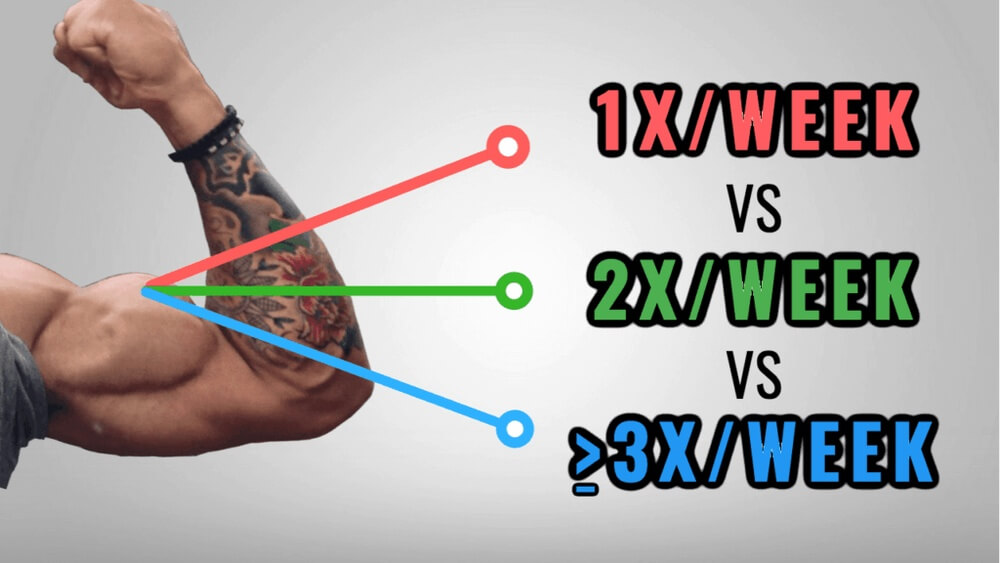
Most experts suggest training each muscle group two to three times weekly. This frequency offers a good balance of stimulus and recovery. Training once a week may slow progress. More than three times can cause overtraining and injury.
Splitting workouts into multiple sessions can improve muscle growth. For example, training chest and back twice per week yields better results than one session. Consistency is key to muscle development.
Beginners Vs Advanced
Beginners need less frequent training sessions. One to two times per week helps their muscles adapt. Starting slow reduces soreness and injury risk. It also builds a solid foundation.
Advanced lifters benefit from more frequent sessions. Three or more times per muscle group per week can boost gains. They can handle higher volume and intensity. Advanced programs often use split routines to target muscles more often.
Recovery Importance
Muscle recovery is crucial for growth and strength. Muscles repair and grow during rest, not during workouts. Training too often without enough rest leads to fatigue and injury.
Good sleep, nutrition, and hydration speed up recovery. Listen to your body. If muscles feel sore or weak, allow more recovery time. Rest days are part of effective training.

Credit: www.anvilstrengthco.com
Workout Splits
Workout splits help organize your training week. They decide how often and which muscle groups you train. Choosing the right split impacts your muscle growth and recovery. Different splits suit different goals and schedules. Understanding common splits helps you plan better workouts.
Full Body Workouts
Full body workouts target all major muscle groups in one session. You usually train three times a week with rest days in between. This split allows muscles to recover well between sessions. It suits beginners and busy people with less time to train. Each session includes exercises for legs, back, chest, shoulders, and arms. Full body workouts improve overall strength and burn more calories per session.
Upper/lower Splits
Upper/lower splits separate workouts into upper body and lower body days. You train four times a week, alternating upper and lower sessions. This method gives muscles more recovery time than full body workouts. It allows more volume and intensity on each muscle group. Upper body days focus on chest, back, shoulders, and arms. Lower body days train quads, hamstrings, glutes, and calves. This split fits intermediate lifters who want balanced strength and size.
Push/pull/legs Routine
Push/pull/legs splits divide workouts by movement type and muscle function. Push days work chest, shoulders, and triceps. Pull days target back and biceps. Leg days focus on quads, hamstrings, and calves. You train six days a week or cycle through the split with rest days. This routine allows high frequency and volume for muscle growth. It also reduces fatigue by grouping similar muscle actions. Push/pull/legs suits advanced lifters aiming for serious gains.
Exercise Selection
Choosing the right exercises matters for training each muscle group well. Exercise selection affects how often you should work a muscle. Different exercises target muscles in unique ways. Some work multiple muscles at once, while others focus on one.
This section explains types of exercises and how to combine them for best results. Understanding this helps plan workouts smartly and avoid overtraining or injury.
Compound Movements
Compound exercises use several joints and muscle groups together. Examples include squats, deadlifts, and bench presses. These moves build overall strength and muscle mass quickly. They also burn more calories due to the bigger effort involved. Compound exercises are great for training large muscle groups efficiently. They allow heavier loads and stimulate muscle growth well. Fewer sets of compound lifts may be enough for a muscle group.
Isolation Exercises
Isolation exercises target one muscle or joint at a time. Examples are bicep curls and leg extensions. These moves help fix weak spots or improve muscle shape. Isolation exercises add volume without stressing the whole body. They are useful for recovery days or finishing a workout. Doing isolation exercises more often is possible because they cause less overall fatigue. They complement compound lifts by focusing on details.
Combining For Effectiveness
Start workouts with compound movements to build strength and size. Follow with isolation exercises to fully fatigue the muscle. This combination balances power and muscle detail. It also reduces injury risk by not overloading one part only. Combining exercises allows training a muscle group 2–3 times per week. This frequency supports growth and recovery. Mixing heavy and light exercises creates metabolic stress and muscle adaptation. Use this approach for steady progress in your fitness journey.

Credit: bonytobeastly.com
Set And Rep Guidelines
Set and rep guidelines help shape your workout results. They tell you how many times to lift weights and how many sets to do. Different goals need different numbers of sets and reps. Choosing the right combination affects strength, size, and endurance.
Adjusting sets and reps controls muscle stress and recovery. This balance influences how often you should exercise a muscle group. Below are common guidelines for various training focuses.
Strength Focus
For building strength, do fewer reps with heavier weights. Aim for 3 to 6 reps per set. Complete 3 to 5 sets for each exercise. Rest longer between sets, about 2 to 3 minutes. This allows muscles to recover for maximum effort.
Train each muscle group 2 to 3 times per week. Keep workouts intense but avoid overtraining. Strength gains come from lifting heavy and resting well.
Hypertrophy Focus
Hypertrophy means muscle growth. Use moderate weights with 8 to 12 reps per set. Do 3 to 4 sets for each muscle group. Shorter rest periods of 30 to 60 seconds increase muscle fatigue.
Train muscle groups about 2 times per week. This frequency helps muscles recover and grow. Focus on good form and controlled movements.
Endurance Training
Endurance training requires lighter weights and more reps. Perform 12 to 20 reps per set with 2 to 3 sets. Rest only 30 seconds or less between sets. This builds stamina and muscle endurance.
Exercise each muscle group 2 to 3 times weekly. Keep the pace steady and consistent. Endurance training improves your muscle’s ability to work longer.
Rest And Recovery
Rest and recovery play a key role in how often you should exercise a muscle group. Muscles need time to heal and grow stronger after workouts. Without proper rest, progress can slow and risk of injury can rise. Paying attention to recovery helps you train smarter and get better results.
Muscle Repair
Exercise causes small tears in muscle fibers. The body fixes these tears during rest. This repair process makes muscles bigger and stronger. Most muscle repair happens 24 to 48 hours after training. Skipping rest can stop muscles from fully healing.
Avoiding Overtraining
Training a muscle group too often can lead to overtraining. Overtraining causes fatigue, pain, and weaker performance. It also raises injury risk. Signs include constant soreness and lack of energy. Giving muscles enough rest stops overtraining and keeps workouts effective.
Active Recovery Days
Active recovery means doing light activity on rest days. Activities like walking, stretching, or yoga increase blood flow. This helps remove waste and bring nutrients to muscles. Active recovery speeds healing without adding stress. It keeps the body moving and ready for the next workout.
Balancing Strength And Cardio
Balancing strength and cardio is key for a healthy workout plan. Strength training builds muscle and power. Cardio improves heart health and burns calories. Combining both helps you stay fit and avoid injury. It also keeps workouts interesting and effective. Finding the right balance depends on your goals and schedule.
Weekly Scheduling
Plan your week to include both strength and cardio sessions. Aim for three days of strength training per week. Space these days to allow muscle recovery. Add cardio on alternate days to boost endurance. Include at least one full rest day to prevent burnout. This schedule supports muscle growth and heart health together.
Integrating Cardio
Choose cardio exercises that complement your strength routine. Low-impact options like walking or cycling reduce joint stress. High-intensity interval training (HIIT) saves time and increases calorie burn. Keep cardio sessions between 20 to 40 minutes for best results. Avoid doing intense cardio right before heavy lifting. This helps maintain energy for both workouts.
Maintaining Consistency
Consistency is crucial for progress in strength and cardio. Stick to your planned workout days and times. Track your sessions to stay motivated and accountable. Adjust intensity gradually to avoid injury and plateaus. Rest and sleep are important for muscle recovery and energy. Regular workouts lead to better fitness and lasting health.
Adapting Workouts Over Time
Adapting workouts over time is essential to keep making progress. Muscles get used to the same routine and stop growing. Changing how you train helps your body stay challenged. It also reduces the risk of injury and boredom. Understanding ways to adapt your workouts ensures continuous improvement.
Progressive Overload
Progressive overload means increasing the demands on your muscles gradually. Lift heavier weights, do more reps, or increase sets over time. This forces muscles to grow stronger and bigger. Small, consistent increases work best. Avoid jumping too fast to prevent injury. Track your progress to know when to add more weight or reps.
Breaking Plateaus
Plateaus happen when your muscles stop improving despite training. Changing your exercises or workout style breaks the stall. Try different angles, equipment, or training methods like supersets. Rest longer or shorter between sets. Changing tempo or adding pauses can also help. These changes push muscles to adapt again and grow.
Adjusting Frequency
Frequency means how often you train a muscle group each week. Beginners might train muscles once or twice a week. Advanced lifters may need more sessions for growth. Watch how your body responds and adjust accordingly. If muscles feel too sore, reduce frequency. If recovery is fast, consider adding more sessions. Balance training frequency with rest for best results.
Listening To Your Body
Listening to your body is essential when deciding how often to exercise a muscle group. Your muscles need time to repair and grow stronger. Overtraining can cause injury and slow progress. Paying attention to your body’s signals helps you find the right balance between work and rest. This approach improves results and keeps exercise enjoyable.
Signs Of Overtraining
Muscle soreness that lasts more than a few days can be a warning. Constant fatigue and lack of energy also show overtraining. Poor sleep or irritability may appear. Decreased strength or performance means your muscles need more rest. Recognizing these signs helps prevent injury and burnout.
Motivation And Enjoyment
Exercise should feel rewarding, not like a chore. Enjoying your workout keeps motivation high. Feeling excited to train a muscle group means you are likely on the right schedule. Boredom or dread can signal the need for a change. Choose activities that make you feel good and eager to continue.
Personalizing Your Routine
Everyone’s body recovers at a different pace. Age, fitness level, and workout intensity affect recovery time. Adjust your routine based on how you feel after sessions. Some may train a muscle group twice a week, others less often. Experiment and listen carefully to find your ideal plan.

Credit: bonytobeastly.com
Frequently Asked Questions
What Is The 6 12 25 Rule?
The 6 12 25 rule structures workouts with sets of 6, 12, and 25 reps. It targets strength, hypertrophy, and endurance. Start heavy, then moderate, and finish light to fully fatigue muscles and boost growth efficiently.
What Is The 2 2 2 Rule In The Gym?
The 2 2 2 rule in the gym involves doing two heavy, two moderate, and two light sets per muscle group. This method boosts strength, endurance, and muscle growth efficiently. It combines compound and isolation exercises for balanced fatigue and faster progress.
What Is The 4 8 12 Rule?
The 4-8-12 rule structures workouts with sets of 4, 8, and 12 reps. It targets strength, hypertrophy, and endurance in one session. Start heavy, then moderate, and finish light to fully fatigue muscles and boost growth.
What Is The 3 3 3 Rule For Exercise?
The 3 3 3 rule for exercise involves three sets of three different exercises targeting the same muscle group. Start heavy, then moderate, finish light. This method boosts strength, size, and endurance efficiently in one workout.
Conclusion
Training each muscle group regularly helps build strength and size. Aim to rest muscles at least 48 hours before working them again. This rest allows muscles to recover and grow stronger. Overworking can lead to injury and slow progress. Balance your workouts with rest and variety for best results.
Consistency matters more than intensity alone. Listen to your body and adjust frequency as needed. Keep workouts simple, steady, and focused on your goals. Small, regular efforts bring lasting muscle gains over time.

“As the voice behind Radiant Glow Health, we are dedicated to being your ultimate wellness and vitality companion. Our mission is to inspire and guide you on your journey to a healthier and more vibrant life. Join us as we explore holistic health practices and empower you to radiate wellness from within.”