Are you wondering if your workout could change the results of your blood test? It’s a question many people don’t think about but should.
What you do before a blood test—especially exercising—can actually affect key markers like cholesterol, glucose, and muscle enzymes. Imagine getting results that don’t truly reflect your health because you pushed yourself hard at the gym just hours before. You’ll discover exactly how exercise impacts your blood test results and learn simple steps to ensure your test is as accurate as possible.
Keep reading to avoid surprises and get the most reliable snapshot of your health.
Exercise And Blood Test Accuracy
Exercise can change the accuracy of your blood test results. Physical activity affects many substances in your blood. This can lead to results that do not reflect your usual health status. Understanding how exercise impacts tests helps you prepare better. Resting before your test is often important. It ensures the readings show your true health.
Impact On Cholesterol And Glucose
Exercise can raise cholesterol and glucose levels temporarily. A hard workout may increase LDL cholesterol, the “bad” type. Blood sugar can also change after exercise, especially if you fasted. These shifts can mislead doctors about your heart and diabetes risk. Avoid intense exercise before tests measuring cholesterol or glucose.
Changes In Muscle Enzymes
Muscle enzymes like AST, ALT, and CK rise after heavy lifting or running. These enzymes usually show muscle or liver health. Exercise can cause a false signal of damage by raising these levels. Doctors may think you have a problem when you do not. Taking a break from hard exercise helps keep these enzymes normal before tests.
Effects On Inflammatory Markers
Strenuous exercise triggers inflammation in the body. This raises markers such as hsCRP in the blood. High hsCRP levels may suggest infection or chronic illness. Exercise-induced rises can confuse the real cause of inflammation. Light activity or rest before testing reduces these temporary changes.
Credit: my.clevelandclinic.org
Types Of Blood Tests Affected
Exercise can change the results of many blood tests. Some types of tests are more affected than others. Understanding which tests exercise impacts helps prepare for accurate results.
Physical activity affects certain markers in the blood. These changes can confuse doctors or lead to wrong conclusions about your health. Knowing the types of blood tests affected guides you to plan your exercise and testing times.
Liver Enzymes And Muscle Damage
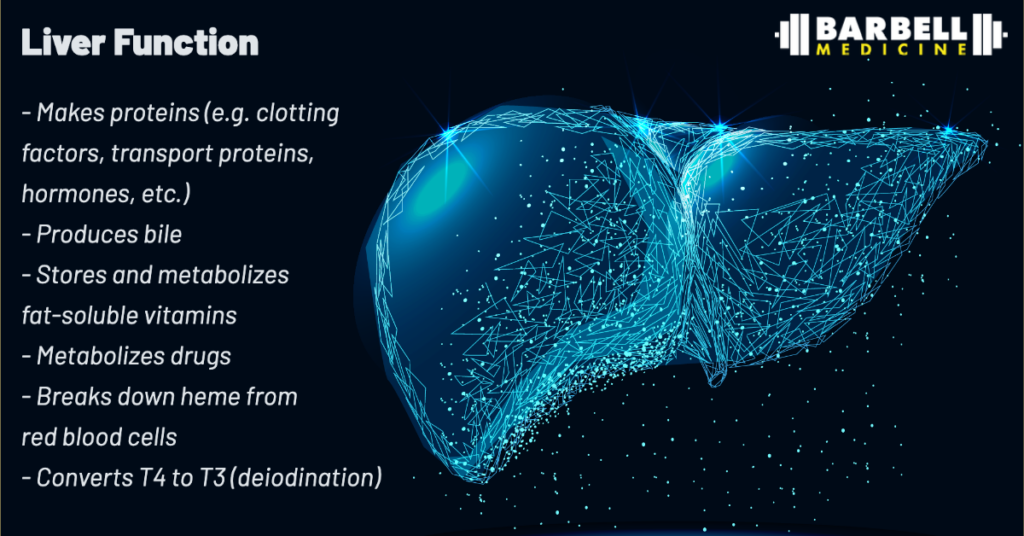
Exercise, especially intense workouts, can raise liver enzymes in your blood. Enzymes like AST, ALT, and creatine kinase (CK) increase after heavy lifting or running. These enzymes show muscle stress or damage, not just liver problems.
Doctors might see high levels and think there is liver damage. But this rise can come from normal muscle use during exercise. Rest before testing helps avoid confusion in results.
Lipid Profile Variations
Blood fat levels change after exercise. Cholesterol and triglycerides can shift temporarily. LDL cholesterol may rise after a workout.
These shifts can affect your lipid profile, which measures heart health risks. Fasting and resting before the test give more stable readings. Exercise too close to testing may give false results.
Hormonal Fluctuations
Exercise triggers hormones like cortisol, adrenaline, and growth hormone. These hormones rise during physical activity and affect blood test outcomes.
For example, cortisol levels increase after exercise. This rise can impact tests related to stress or adrenal function. Testing after rest ensures hormones are at normal levels.
Electrolyte Shifts
Exercise changes electrolyte levels in the blood. Sodium, potassium, and calcium can shift due to sweating and fluid loss.
Electrolyte imbalances may show in tests if you exercise before blood draws. Drinking water and resting before tests help keep electrolyte levels steady.
Timing Exercise Around Blood Tests
Timing exercise around blood tests matters for accurate results. Physical activity can change what your blood shows. Planning your workouts before a test helps avoid false readings. This section explains how long to avoid intense workouts, safe activities before testing, and hydration tips.
How Long To Avoid Intense Workouts
Avoid heavy exercise at least 24 to 48 hours before your blood test. Intense workouts release muscle enzymes that may raise liver or muscle damage markers. Strenuous activity also causes temporary inflammation, affecting test results. Resting helps your body return to normal levels. This pause ensures test results reflect your true health.
Safe Activities Before Testing
Light walking and gentle stretching are safe before blood tests. These activities keep your body calm and do not affect blood markers. Avoid high-intensity exercise like running, lifting heavy weights, or vigorous cardio. Stick to your usual low-intensity routine if you feel unsure. Always follow your healthcare provider’s advice for best results.
Hydration Guidelines
Drink plenty of water before your blood test to stay hydrated. Good hydration makes it easier to draw blood and improves test accuracy. Avoid sugary drinks, caffeine, or energy drinks before testing. These beverages can change blood sugar and other levels. Plain water is the best choice unless your doctor says otherwise.
Preparing For Accurate Results
Preparing for a blood test properly helps ensure accurate results. Exercise can change some blood values. Resting before your test can give a clearer picture of your health.
Understanding how to prepare can reduce errors. Simple steps can make a big difference in test outcomes. Follow guidelines carefully for the best results.
Fasting And Food Restrictions
Some blood tests need fasting. Avoid eating for 8 to 12 hours before your test. Food can affect sugar and cholesterol levels in your blood.
Drink only water during fasting. Avoid coffee, juice, or snacks. These can change test results and cause confusion in diagnosis.
Consulting Your Doctor
Talk to your doctor about exercise and blood tests. They know which tests you need and how exercise affects them. Your doctor can give advice specific to your health.
Ask if you should avoid exercise before the test. Some tests require complete rest, while others allow light activity. Clear guidance helps you prepare correctly.
Avoiding Common Pitfalls
Do not do heavy workouts before your blood test. Intense exercise releases muscle enzymes that may alter results. It can also raise inflammation markers temporarily.
Stay hydrated with water but avoid sugary or caffeinated drinks. These drinks can change blood sugar and lipid levels. Light walking or stretching is usually safe.
Why Rest Matters Before Testing
Rest before a blood test is crucial. Exercise can change many blood markers. This can lead to wrong test results.
Blood tests check your health by measuring substances in your blood. Exercise affects these substances temporarily. Rest helps get a clear picture of your true health.
Muscle Enzyme Elevation Explained
Exercise, especially heavy lifting or intense cardio, releases muscle enzymes. Enzymes like AST, ALT, and CK enter your bloodstream. This rise can look like muscle or liver damage. Rest stops these enzymes from rising and keeps results accurate.
Temporary Inflammation Effects
Strenuous exercise causes inflammation in your body. This raises markers like hsCRP in your blood. These markers show inflammation or infection. Rest reduces this temporary inflammation, so your blood test shows real health, not exercise effects.
Stress Hormone Influence
Physical activity increases stress hormones like cortisol. High cortisol changes blood sugar and fat levels. These changes can skew test results for glucose and cholesterol. Rest lowers stress hormones, giving clearer test results.

Credit: www.healthdirect.gov.au
Credit: www.barbellmedicine.com
Frequently Asked Questions
Can Exercise Change Blood Test Results?
Exercise can temporarily alter blood test results by raising muscle enzymes, glucose, cholesterol, and inflammatory markers. Avoid intense workouts before testing for accurate results.
What Can Throw Off A Blood Test?
Eating, drinking alcohol, certain medications, intense exercise, and dehydration can throw off blood test results.
When To Stop Exercising Before A Blood Test?
Stop intense exercise at least 24 hours before a blood test to avoid altered enzyme, glucose, and cholesterol levels. Light activity like walking is usually fine. Always follow your doctor’s specific instructions for best results.
What Labs Are Affected By Exercise?
Exercise affects labs measuring muscle enzymes (CK, AST, ALT), cardiac markers (troponins), inflammation (hsCRP), glucose, lipids, and electrolytes. Strenuous activity can temporarily raise these levels, potentially skewing results. Rest before testing ensures accuracy, especially for fasting blood tests.
Conclusion
Exercise can change blood test results by raising certain markers. Resting before a test helps avoid false readings. Light activities like walking usually do not affect outcomes. Drinking water is good, but skip sugary drinks before testing. Always follow your doctor’s advice on exercise and fasting.
This helps ensure your blood test reflects your true health. Small steps make a big difference in accurate results. Stay informed and prepare well for the best blood test outcome.

“As the voice behind Radiant Glow Health, we are dedicated to being your ultimate wellness and vitality companion. Our mission is to inspire and guide you on your journey to a healthier and more vibrant life. Join us as we explore holistic health practices and empower you to radiate wellness from within.”