
“How Do You Get Vitamins on Carnivore Diet?”
Are you wondering how to get all the essential vitamins while following a carnivore diet? It’s a common question because this way of eating cuts out all plant-based foods, which many people rely on for their vitamins.
But here’s the secret: your body can get plenty of nutrients from animal sources—if you know which ones to choose. From nutrient-packed organ meats to eggs and fatty fish, the carnivore diet can provide a surprising range of vitamins. You’ll discover exactly where your vitamins come from on a carnivore diet and how to avoid common nutrient gaps.
Keep reading to learn how to fuel your body right without plants—and feel confident in your carnivore lifestyle.
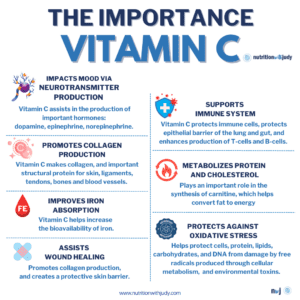
Credit: www.nutritionwithjudy.com
Vitamin Sources On Carnivore Diet
Getting enough vitamins on a carnivore diet depends on the types of animal foods eaten. A strict carnivore diet excludes plants, so vitamin sources come from animal tissues. Eating a variety of animal parts helps supply many essential vitamins. Nutrients vary between muscle meat, organs, eggs, and seafood. Understanding these sources aids in planning a balanced carnivore diet.
Organ Meats Benefits
Organ meats provide dense nutrients. Liver is rich in vitamin A, B vitamins, and iron. Kidneys offer vitamin B12 and riboflavin. Brain contains omega-3 fatty acids and vitamin B12. These nutrients are scarce in muscle meat. Including organ meats prevents common deficiencies on a carnivore diet.
Whole Prey Nutrients
Eating whole prey means consuming all parts of the animal. This includes bones, blood, skin, and organs. Bones supply calcium and phosphorus. Blood provides iron and vitamin B12. Skin contains collagen and fat-soluble vitamins. This approach delivers a broad range of vitamins and minerals naturally.
Eggs And Seafood
Eggs are nutrient-rich and easy to digest. They contain vitamins A, D, E, and B12. Seafood offers iodine, selenium, and omega-3 fatty acids. Fatty fish like salmon provide vitamin D and essential fats. Shellfish supply zinc and vitamin B12. These foods boost vitamin intake on a carnivore diet.
Dairy And Bone Broth
Dairy products supply calcium, vitamin A, and vitamin D. Full-fat cheeses and yogurt are good options. Bone broth is rich in collagen, minerals, and some vitamins. It supports joint and gut health. Including dairy and bone broth adds variety and nutrients to the diet.

Credit: fitawakening.co.uk
Essential Vitamins In Animal Foods
Animal foods provide a wide range of essential vitamins needed for the carnivore diet. These nutrients support energy, immune function, and overall health. Eating different animal parts ensures a balanced intake of vitamins. Organ meats, muscle meat, fish, and eggs all contribute important vitamins. Understanding which vitamins come from which animal foods helps meet nutritional needs on this diet.
Vitamin A From Liver
Liver is the richest source of vitamin A. This vitamin supports eye health, skin, and the immune system. Animal liver contains preformed vitamin A, which the body absorbs easily. Muscle meat has very little vitamin A compared to liver. Including liver in your meals prevents vitamin A deficiency on a carnivore diet.
B Vitamins And Iron
Animal foods are excellent sources of B vitamins, especially B12, B6, and riboflavin. These vitamins aid in energy production and brain function. Red meat and organ meats supply plenty of iron. Iron from animal sources is highly absorbable. Eating a variety of meats ensures enough B vitamins and iron daily.
Calcium And Magnesium
Calcium and magnesium are found in bone-in fish, dairy, and organ meats. These minerals support bone strength and muscle function. Bone broths provide calcium when made from animal bones. Magnesium is present in small amounts in meat but is more available in fish and dairy. Including these foods helps maintain mineral balance.
Vitamin D And Omega-3
Fatty fish like salmon and mackerel are rich in vitamin D and omega-3 fats. Vitamin D is vital for bone health and immune support. Omega-3 fatty acids reduce inflammation and support heart health. Eggs also contain some vitamin D and omega-3. Eating these animal foods helps meet these nutrient needs on a carnivore diet.
Vitamin C And Carnivore Adaptations
Vitamin C plays a vital role in overall health. It helps repair tissues and supports the immune system. On a carnivore diet, people avoid fruits and vegetables, common vitamin C sources. Yet, carnivores have unique ways to manage vitamin C needs. Understanding these adaptations clarifies how vitamin C is obtained without plants.
Vitamin C Synthesis In Carnivores
Many carnivores produce vitamin C within their bodies. They convert glucose into vitamin C using a special enzyme. This ability reduces their reliance on dietary vitamin C. Humans cannot make vitamin C this way and must get it from food. This difference highlights why some animals thrive on meat-only diets.
Pre-formed Vitamins Vs Plant Sources
Carnivore diets provide pre-formed vitamins from animal tissues. Organ meats like liver and kidney contain small amounts of vitamin C. These sources are more stable than plant vitamin C, which degrades quickly. Eating a variety of animal parts ensures intake of essential vitamins. This method differs from relying on fresh fruits or vegetables.
Risks Of Vitamin C Deficiency
Vitamin C deficiency can cause scurvy, leading to weakness and gum disease. Strict carnivore diets risk low vitamin C if animal organ intake is low. Muscle meat alone offers little vitamin C. Symptoms may appear after several months without enough vitamin C. Monitoring diet and including nutrient-rich organs helps prevent deficiency.
Minerals And Trace Nutrients
Minerals and trace nutrients play a vital role in maintaining health on a carnivore diet. These nutrients support muscle function, nerve signaling, and immune defense. Animal foods supply many of these minerals naturally. Understanding key minerals helps maintain balance and avoid deficiencies.
Potassium And Sodium Balance
Potassium and sodium work together to regulate fluid balance and muscle contractions. Meat, especially organ meats, contains potassium. Salt provides sodium. Many carnivore diet followers add salt to meals to maintain sodium levels. Proper balance prevents cramps and supports heart health.
Magnesium Sources
Magnesium supports over 300 enzyme reactions, including energy production. Muscle meat has small amounts of magnesium, but organ meats like liver have more. Some people on a carnivore diet may need magnesium supplements. Including a variety of animal parts helps meet magnesium needs naturally.
Zinc And Selenium
Zinc boosts immune function and wound healing. Selenium acts as an antioxidant. Both minerals are abundant in red meat, seafood, and organ meats. Shellfish like oysters are particularly rich in zinc. Eating a range of animal foods ensures adequate intake of zinc and selenium.
Plant Matter In Carnivore Diet
The carnivore diet focuses mainly on animal foods. Some people wonder about plant matter’s role in this way of eating. Plants provide many vitamins and nutrients. But strict carnivores avoid plants. Still, small amounts of plant nutrients can enter the diet in different ways. These sources help support vitamin intake and overall health.
Pre-digested Plant Nutrients In Prey
Many carnivores eat whole animals. This includes the stomach and intestines. These parts often hold partially digested plants. Herbivores eat grasses, fruits, and leaves. Their stomachs break down this plant matter. When carnivores eat these organs, they get some plant nutrients. This is a natural way to access vitamins without eating plants directly.
Occasional Grass And Fruit Consumption
Wild carnivores sometimes eat grass or fruit. Wolves and big cats may chew grass to soothe their stomachs. Some fruits provide vitamins like C and antioxidants. Eating these items is rare but helpful. It offers extra vitamins not found in meat alone. Even small amounts can support nutrient balance on a carnivore diet.
Role Of Fiber And Scfa
Fiber is mostly in plants and is important for gut health. Strict carnivores have little fiber intake. Yet, their bodies produce short-chain fatty acids (SCFA). SCFAs support the gut lining and immune system. These come from fermenting small amounts of fiber or from animal fats. This process helps maintain digestive health without plant fiber.
Nutrient Deficiency Risks
The carnivore diet focuses on animal-based foods only. This can lead to certain nutrient gaps. Understanding the risks helps maintain good health while on this diet. Nutrient deficiency risks arise mainly from limited food variety. The body needs a balance of vitamins and minerals to function well. Some nutrients are harder to get without specific animal parts. Awareness of these risks lets you plan better meals. This section explains common deficiencies and how to avoid imbalances.
Common Deficiencies Without Organ Meats
Organ meats contain many vital vitamins. Without them, vitamin A and B12 levels may drop. Vitamin C is also low in pure muscle meat. Minerals like iron and zinc become harder to find. Folate, important for cell growth, is mostly in liver. Omega-3 fatty acids may be low without fatty fish. Missing these nutrients can cause fatigue and weakness. Organ meats fill these gaps and prevent deficiencies.
Avoiding Imbalances
Balance is key to a healthy carnivore diet. Eating a variety of animal parts ensures nutrient coverage. Muscle meat alone lacks some vitamins and minerals. Include liver, kidney, and heart to improve nutrition. Fatty fish add omega-3s, supporting brain and heart health. Dairy products provide calcium and vitamin D if tolerated. Rotate animal sources to keep your diet balanced. This variety helps avoid nutrient overload or shortage.
Supplementation Considerations
Supplements may help fill remaining nutrient gaps. Vitamin D and magnesium are common supplements on this diet. Some people need extra vitamin C to prevent scurvy. Electrolytes like potassium and sodium might need attention. Testing blood levels guides proper supplement use. Use supplements carefully to avoid excess intake. Always consult a healthcare provider before starting supplements.
Optimizing Vitamin Intake
Optimizing vitamin intake on a carnivore diet requires smart choices. Not all animal parts offer the same nutrients. The right selection and preparation can improve vitamin absorption. Understanding which cuts and cooking methods help keeps your diet balanced and healthy.
Choosing Nutrient-dense Cuts
Organ meats provide the highest vitamin content. Liver is rich in vitamin A, B vitamins, and iron. Kidneys and heart also contain essential nutrients. Muscle meat offers protein but fewer vitamins. Eating nutrient-dense cuts prevents vitamin deficiencies. Including fatty fish adds vitamin D and omega-3s. Eggs contribute vitamins like B12 and biotin.
Incorporating Variety
Variety ensures a wider range of vitamins. Rotate different animal parts daily or weekly. Combine muscle meat, organ meats, eggs, and fish. Whole-animal consumption covers many nutrient bases. This mimics natural carnivore eating habits. It also supports vitamin intake without plant foods. Varying sources helps avoid nutrient gaps.
Cooking Methods Impact
Cooking affects vitamin levels in meat. High heat can reduce some vitamins, like B vitamins. Gentle cooking preserves more nutrients. Steaming or slow cooking retains vitamins better. Avoid overcooking organ meats to keep vitamin A intact. Raw or lightly cooked options may offer more enzymes. Proper cooking balances safety and nutrition.

Credit: www.theprimal.com
Frequently Asked Questions
Where Do You Get Your Vitamins On A Carnivore Diet?
Vitamins come from nutrient-rich animal organs like liver and kidneys, eggs, fatty fish, and whole prey consumption on a carnivore diet. These sources provide vitamins A, B, iron, and calcium. Some carnivores synthesize vitamin C, reducing reliance on plants for nutrients.
Do You Get Enough Vitamins From A Carnivore Diet?
A carnivore diet provides many vitamins through organ meats, eggs, fatty fish, and whole animal consumption. It may lack vitamin C and folate without liver. Some animals synthesize vitamin C, but humans need careful planning to avoid deficiencies on this diet.
Where Do Carnivores Get Vitamins From?
Carnivores get vitamins from nutrient-rich organs like liver and kidneys, blood, eggs, fatty fish, and whole prey consumption. Some synthesize vitamin C internally, relying on animal-based sources for essential vitamins.
Where Do You Get Your Vitamin C On A Carnivore Diet?
Vitamin C on a carnivore diet comes mainly from raw organ meats like liver and kidney. Some also get it from fresh fish and eggs. Eating whole animals, including organs and blood, helps provide this vitamin naturally without plants.
Conclusion
Getting vitamins on a carnivore diet relies on eating varied animal parts. Organ meats like liver and kidneys provide vitamins A and B. Eggs, fatty fish, and dairy add important nutrients too. Eating the whole animal helps cover many vitamin needs.
Some carnivores even get small amounts of plant nutrients from prey stomach contents. Humans must plan carefully to avoid vitamin gaps, especially vitamin C. Choosing nutrient-rich animal foods keeps the diet balanced and healthy. This approach meets most vitamin requirements without relying on plants.

“As the voice behind Radiant Glow Health, we are dedicated to being your ultimate wellness and vitality companion. Our mission is to inspire and guide you on your journey to a healthier and more vibrant life. Join us as we explore holistic health practices and empower you to radiate wellness from within.”