“How to Make Healthier Eating Habits: Simple Tips for Lasting Change?”
Are you ready to take control of your eating habits and feel better every day? Making healthier choices doesn’t have to be complicated or overwhelming.
With simple, practical steps, you can transform the way you eat without giving up the foods you love. Imagine having more energy, clearer focus, and even a stronger immune system—all by changing a few habits. You’ll discover easy strategies to build healthier eating habits that fit your lifestyle and keep you motivated.
Keep reading, and let’s make healthy eating a natural part of your daily routine.
Key Foods To Focus On
Choosing the right foods is key to building healthier eating habits. Focus on nutrient-rich options that fuel your body and mind. These foods help keep energy steady and support overall well-being. Prioritize variety and balance for the best results.
High-fiber Carbohydrates
High-fiber carbs include whole grains, beans, and legumes. They help digestion and keep you full longer. Foods like brown rice, oats, and whole wheat bread are good choices. Fiber also helps control blood sugar levels and lowers cholesterol.
Fruits And Vegetables
Fruits and vegetables provide vitamins, minerals, and antioxidants. They protect your body from diseases and boost immunity. Aim for colorful plates with leafy greens, berries, and citrus fruits. Eating a variety ensures you get many essential nutrients.
Oily Fish And Lean Proteins
Oily fish like salmon and mackerel are rich in omega-3 fats. These fats support heart and brain health. Lean proteins include chicken, turkey, and tofu. Protein builds muscles and repairs tissues. Include fish or lean meat in your meals regularly.
Healthy Fats
Healthy fats come from nuts, seeds, avocados, and olive oil. They improve brain function and reduce inflammation. These fats also help absorb vitamins from other foods. Use them in moderation to replace saturated and trans fats in your diet.

Credit: thrive.psu.edu
Daily Meal Structure
Creating a daily meal structure helps build healthier eating habits. It sets a clear pattern for your body. This approach improves energy and controls hunger. Planning meals with balance and variety supports overall health. Consistency in meal timing and content shapes better food choices.
Balanced Three Meals
Eat three balanced meals each day to keep energy steady. Each meal should include different food groups. Combine carbohydrates, proteins, and healthy fats for fullness. Avoid skipping meals to prevent overeating later. Balanced meals help maintain blood sugar levels and mood.
Incorporating Protein And Veggies
Include protein in every meal to build and repair body tissues. Good sources are lean meat, beans, eggs, or dairy. Fill half your plate with vegetables for vitamins and fiber. Vegetables add color, crunch, and nutrients without many calories. This combo boosts digestion and keeps you satisfied longer.
Hydration Habits
Drink water regularly throughout the day to stay hydrated. Water aids digestion and supports metabolism. Start your day with a glass of water to jumpstart hydration. Limit sugary drinks and caffeine, which can dehydrate. Carry a water bottle to remind yourself to drink often.
Physical Activity And Movement
Physical activity and movement are key parts of healthier eating habits. Moving your body helps improve digestion and boosts your energy. It also supports weight management and overall well-being. Regular activity makes it easier to maintain a balanced diet and a healthy lifestyle.
Setting Realistic Activity Goals
Start with small, achievable goals for daily movement. Aim for short walks or light exercises that fit your schedule. Gradually increase the time and intensity as you feel comfortable. Realistic goals keep you motivated and prevent burnout.
Benefits Of Consistency
Daily movement builds habits that support your health over time. Consistent activity improves mood, sleep, and metabolism. It also helps control appetite and reduces cravings for unhealthy foods. Small steps each day lead to lasting changes.
Simple Ways To Move More
Take the stairs instead of the elevator. Walk or bike to nearby places. Stretch during breaks or do light exercises at home. Use a standing desk or pace while talking on the phone. These easy actions add up and boost your activity level.
Credit: online.csp.edu
Practical Tips For Lasting Change
Creating healthier eating habits takes time and steady effort. Practical tips help make changes simple and lasting. Small steps build strong routines that feel natural.
Focus on easy choices that fit daily life. Avoid foods that often lead to poor health. Replace sugary drinks with better options. Find ways to enjoy healthy eating every day.
Simplifying Food Choices
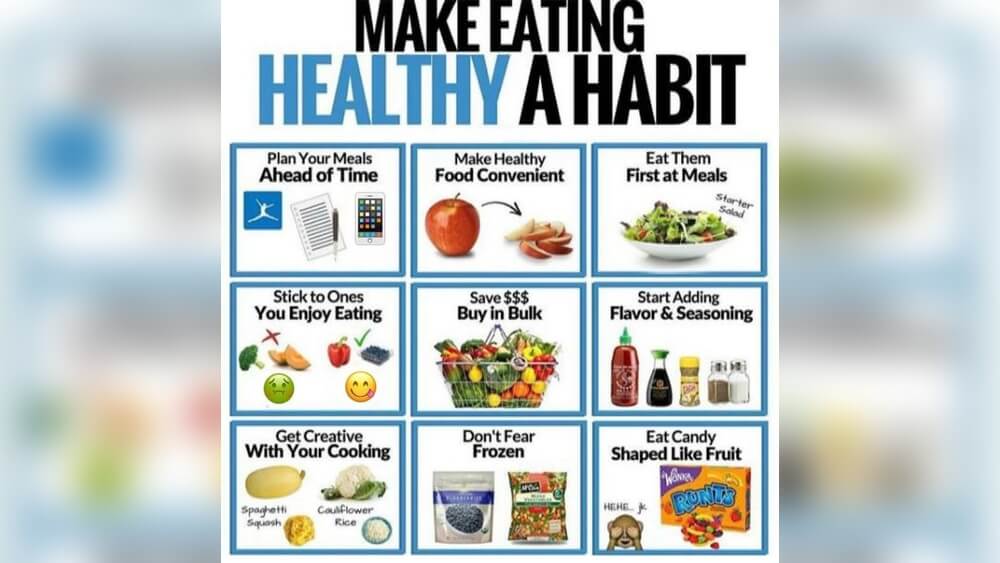
Pick foods with few ingredients and natural nutrients. Fresh fruits, vegetables, nuts, and whole grains work well. Plan meals ahead to reduce stress and impulse eating. Keep your kitchen stocked with healthy basics. This makes it easier to choose good food fast.
Avoiding Common Unhealthy Staples
Cut back on processed snacks like chips and cookies. Limit fast food and fried items. These foods often contain hidden sugars and bad fats. Read labels to spot added salt and preservatives. Swap out these staples for whole, natural foods instead.
Substituting Sugary Drinks
Sugary drinks add empty calories and spike blood sugar. Choose water, herbal teas, or sparkling water with lemon. Gradually reduce soda or juice intake to avoid cravings. Carry a water bottle to stay hydrated all day. Drinking more water supports digestion and energy.
Making Healthy Eating Fun
Try new recipes with colorful vegetables and spices. Cook with family or friends to share the experience. Grow herbs or small veggies at home for fresh ingredients. Celebrate small wins like trying a new healthy dish. Enjoying food makes it easier to keep good habits.
Building Healthy Habits With Family
Building healthy habits with family creates a strong foundation for lasting wellness. Shared routines make it easier to stick to good eating and activity choices. Families support each other through challenges and celebrate progress together.
Teaching kids about healthy living early helps them grow confident and aware. Simple actions done as a team build positive habits that last a lifetime. It also strengthens family bonds and brings joy to everyday moments.
Setting Shared Goals
Start by setting clear, simple goals everyone agrees on. Choose targets that fit your family’s lifestyle and preferences. For example, eating one extra vegetable daily or walking after dinner.
Write goals down and place them where all can see. Review progress weekly and cheer small wins. Shared goals keep everyone motivated and focused on health.
Being A Role Model
Parents and caregivers influence children by example. Eat balanced meals and enjoy physical activities openly. Avoid negative talk about food or body image around kids.
Show excitement about trying new healthy foods. Let children see you making smart choices without pressure. This teaches respect for food and body care naturally.
Involving Kids In Cooking And Activity
Invite children to help plan and prepare meals. Simple tasks like washing veggies or stirring sauce build skills and interest. Cooking together turns healthy eating into a fun family event.
Include kids in choosing physical activities. Bike rides, dancing, or playing outside make exercise enjoyable. Participation builds confidence and makes habits stick.
Common Pitfalls To Avoid
Many people want to eat healthier but face common mistakes that slow progress. Avoiding these pitfalls makes it easier to build good habits. Understanding what to watch for helps maintain balance and improves overall health.
Excessive Protein Intake
Protein is important, but too much can stress the kidneys. Excess protein may lead to weight gain if calories are too high. Balance protein with vegetables and whole grains for better results.
Refined Carbohydrates
Refined carbs like white bread and sugary snacks cause blood sugar spikes. These can increase hunger and lead to overeating. Choose whole grains to keep energy steady and feel full longer.
Overconsumption Of Processed Foods
Processed foods often contain unhealthy fats, salt, and sugar. Eating too many can harm heart health and cause weight gain. Focus on fresh, whole foods for better nutrition and fewer additives.
Adapting Habits To Your Lifestyle
Adapting healthier eating habits to fit your lifestyle makes them easier to keep. Habits that match your daily routine and preferences feel natural. This helps you enjoy your meals and stay consistent. Small changes that fit your life lead to lasting improvements.
Flexibility In Food Choices
Allow room for different foods that you like. Choose healthy options that fit your tastes and budget. Swapping ingredients keeps meals interesting and avoids boredom. Flexibility helps you stay on track without feeling restricted. It is okay to enjoy treats sometimes, in moderation.
Listening To Your Body
Pay attention to hunger and fullness signals from your body. Eat when you feel hungry, stop when satisfied. Notice how foods make you feel after eating. Some foods may give more energy or cause discomfort. Adjust your choices based on these feelings to improve health.
Seeking Professional Advice When Needed
Talk to a dietitian or doctor if unsure about your diet. Professionals can offer guidance tailored to your needs and goals. They help address health issues related to nutrition. Support from experts ensures your eating habits are safe and effective. Don’t hesitate to ask for help to stay on track.

Credit: healthier.stanfordchildrens.org
Frequently Asked Questions
How Can I Develop Healthy Eating Habits?
Develop healthy eating habits by choosing whole foods rich in fiber, protein, and healthy fats. Eat plenty of fruits and vegetables. Drink water regularly and avoid sugary drinks. Maintain consistent meal times and stay active to support overall health and weight management.
What Is The 3-3-3 Rule For Losing Weight?
The 3-3-3 rule for losing weight means eating three balanced meals, drinking three glasses of water, and moving for three hours weekly. This simple routine supports fat loss by focusing on nutrition, hydration, and physical activity consistently.
What Is The 5 2 1 0 Rule?
The 5-2-1-0 rule promotes healthy habits: 5 servings of fruits/vegetables, 2 hours max screen time, 1 hour physical activity, and 0 sugary drinks daily.
What Are The 5 P’s To Avoid Eating?
The 5 P’s to avoid eating are Pizza, Pasta, Protein (excessive), Potatoes, and Pane (bread). These often contain refined carbs and unhealthy fats.
Conclusion
Building healthier eating habits takes time and small changes. Choose whole foods and balance your meals daily. Drink water often to stay hydrated and feel full. Move your body regularly to support overall health. Keep your goals simple and flexible to fit your life.
Remember, consistency beats perfection every time. Stay patient and enjoy the journey toward better health. Healthy eating is a habit anyone can develop with practice.

“As the voice behind Radiant Glow Health, we are dedicated to being your ultimate wellness and vitality companion. Our mission is to inspire and guide you on your journey to a healthier and more vibrant life. Join us as we explore holistic health practices and empower you to radiate wellness from within.”