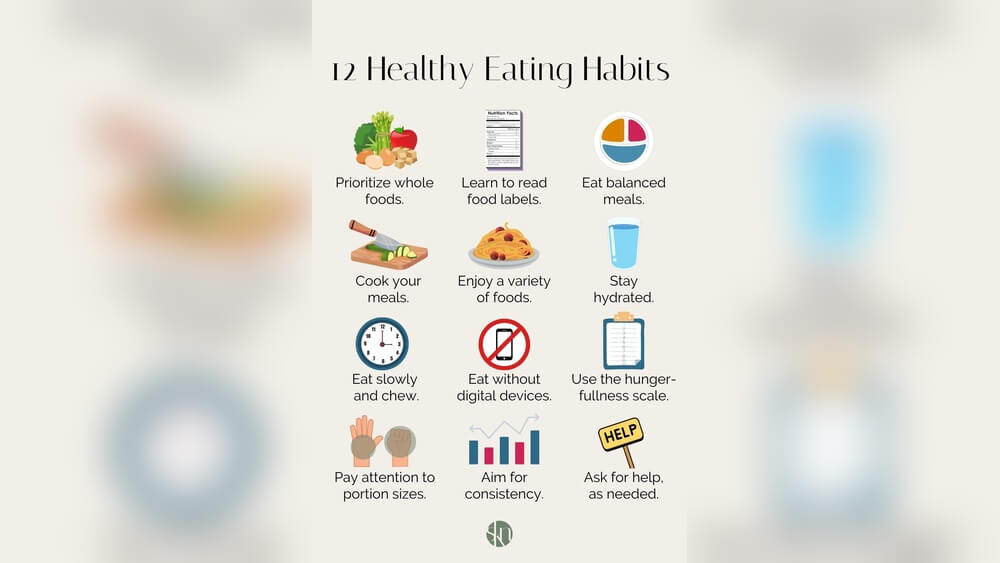
Are you wondering if good eating habits really make a difference in your life? The answer is a clear yes.
What you choose to eat every day shapes your energy, mood, and long-term health. Imagine feeling more vibrant, protecting yourself from diseases like heart problems and diabetes, and maintaining a healthy weight—all by simply adjusting what’s on your plate. You’ll discover easy ways to build healthy eating habits that fit your lifestyle.
You’ll learn what foods to focus on, what to limit, and how simple changes can lead to big benefits. Keep reading to find out how good eating habits can transform your health and well-being starting today.
Key Components
Good eating habits depend on key components. These parts form the foundation of a healthy diet. Each component provides unique nutrients that support the body. Together, they help maintain energy and prevent diseases.
Fruits And Vegetables
Fruits and vegetables supply essential vitamins and minerals. Eating a variety of colors ensures a wide range of nutrients. They also contain fiber that supports digestion. Aim to fill half your plate with these natural foods.
Whole Grains
Whole grains like brown rice, oats, and quinoa offer lasting energy. They contain more fiber than refined grains. Fiber helps control blood sugar and cholesterol levels. Choose whole grains for better heart health and digestion.
Lean Proteins
Lean proteins include fish, poultry, beans, and lentils. These foods build and repair body tissues. Nuts, seeds, eggs, and low-fat dairy are good protein sources too. Eating lean proteins supports muscle health without extra fat.
Healthy Fats
Healthy fats come from olive oil, avocados, nuts, and seeds. These fats improve brain function and heart health. Limit intake of butter, fatty meats, and tropical oils. Healthy fats provide energy and help absorb vitamins.
Water Intake
Water is vital for every body function. It keeps you hydrated and helps digestion. Make water your main drink instead of sugary beverages. Drinking enough water supports energy and overall health.
Foods To Limit
Good eating habits include knowing which foods to limit. Some foods can harm health if eaten too often. Cutting back on these helps your body stay strong and prevent illness. Pay attention to what you eat and make small changes for better health.
Added Sugars
Added sugars are in many sweets, drinks, and snacks. They add calories but no real nutrients. Too much sugar can cause weight gain and increase the risk of diabetes. Check food labels and avoid items high in sugar. Choose fresh fruit instead of sugary treats.
Sodium
Sodium is found in salt and many processed foods. Eating too much salt can raise blood pressure. High blood pressure leads to heart problems and stroke. Limit salty snacks, canned soups, and fast food. Use herbs and spices to flavor food without salt.
Saturated And Trans Fats
Saturated and trans fats raise bad cholesterol levels. This increases the chance of heart disease. These fats are in fatty meats, butter, and many baked goods. Replace them with healthy fats like olive oil and nuts. Cook with healthy oils and avoid fried foods.
Processed Foods
Processed foods often have added sugar, salt, and unhealthy fats. They also lack fiber and important nutrients. Examples include chips, cookies, and ready meals. Eating too many processed foods can cause weight gain and health issues. Choose whole, fresh foods as much as possible.
Eating Habits To Adopt
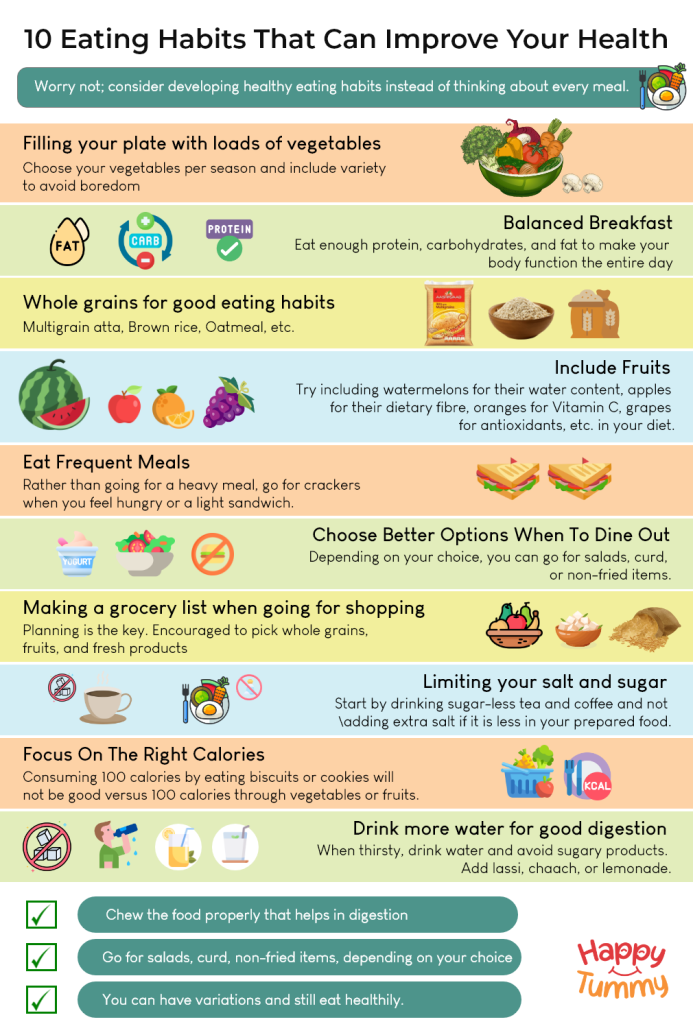
Adopting healthy eating habits shapes your overall well-being. Simple changes improve energy and prevent illness. Focus on habits that promote balance and sustainability. Healthy eating is more than just food choices. It includes how much, when, and the variety you consume.
Portion Control
Eating the right amount keeps your body fueled without overeating. Use smaller plates to help manage portions. Stop eating when you feel satisfied, not full. Avoid large servings of high-calorie foods. Portion control supports weight management and better digestion.
Mindful Eating
Pay attention to your food and your body’s signals. Eat slowly and enjoy each bite. Avoid distractions like TV or phones while eating. Mindful eating helps prevent overeating and improves digestion. It builds a healthy relationship with food.
Consistency
Eat at regular times to keep your energy steady. Consistent meals help control hunger and reduce snacking. Try not to skip meals, especially breakfast. A regular eating schedule supports metabolism and mood. Consistency builds long-term healthy eating patterns.
Variety
Include different foods from all groups every day. Variety ensures you get all essential nutrients. Try new fruits, vegetables, grains, and proteins often. Avoid eating the same foods every day. A diverse diet keeps meals interesting and nutrition balanced.
Credit: happytummy.aashirvaad.com
Health Benefits
Good eating habits offer many health benefits. They support the body’s natural functions and improve overall well-being. Choosing the right foods helps the body fight diseases, keeps energy steady, and controls weight effectively. Below are some key health benefits of good eating habits.
Chronic Disease Prevention
Eating healthy reduces the risk of chronic diseases. Fruits, vegetables, and whole grains provide antioxidants and fiber. These nutrients protect the heart and lower blood pressure. Healthy fats from fish and nuts reduce inflammation. A balanced diet helps prevent diabetes and some cancers. Avoiding excess sugar and salt also lowers disease risk.
Energy Boost
Good eating habits keep energy levels steady throughout the day. Whole grains release energy slowly, preventing crashes. Lean proteins help repair muscles and keep you alert. Fruits and vegetables provide vitamins that support metabolism. Drinking water keeps the body hydrated and focused. Balanced meals prevent tiredness and improve mood.
Weight Management
Healthy eating helps maintain a healthy weight. High-fiber foods create fullness and reduce overeating. Lean proteins boost metabolism and preserve muscle mass. Limiting sugary and fatty foods lowers calorie intake. Regular meals stop unhealthy snacking. Together, these habits help achieve and sustain a healthy body weight.
Practical Tips
Good eating habits start with simple, practical actions anyone can follow. These tips help make healthy choices easier every day. Small changes build lasting routines that support your body and mind.
Meal Planning
Plan your meals ahead to avoid unhealthy options. Choose a variety of foods for balanced nutrition. Use a shopping list to buy only what you need. Prepare meals in advance to save time and stress. This helps control portion sizes and reduces waste.
Healthy Snacking
Pick snacks that provide energy and nutrients. Fresh fruits, nuts, and yogurt make good choices. Avoid chips, sweets, and sugary drinks. Keep healthy snacks handy to stop hunger between meals. This keeps your blood sugar steady and prevents overeating.
Staying Hydrated
Drink water throughout the day to stay hydrated. Water helps digestion, energy, and skin health. Limit sugary drinks and sodas that add empty calories. Carry a water bottle to remind yourself to drink. Herbal teas and infused water add flavor without sugar.
Cooking Methods
Choose cooking methods that keep food healthy and tasty. Steaming, baking, grilling, and boiling preserve nutrients better. Avoid deep frying and heavy sauces high in fat and sugar. Use herbs and spices for flavor instead of salt. These methods help maintain the natural taste of food.
Credit: www.edubloxtutor.com
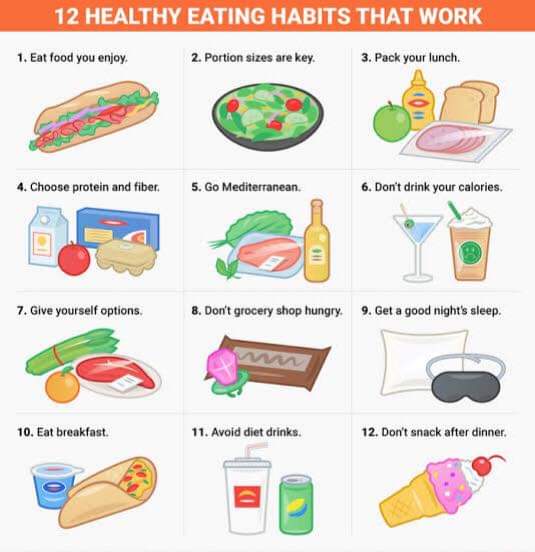
Credit: www.calmsage.com
Frequently Asked Questions
Is It Important To Have Good Eating Habits?
Good eating habits support overall health, boost energy, and reduce risks of chronic diseases like heart disease and diabetes. They involve balanced meals, portion control, and mindful food choices for lasting well-being.
What Are The Top 5 Good Eating Habits?
Top 5 good eating habits include eating diverse fruits and vegetables, choosing whole grains, opting for lean proteins, using healthy fats, and drinking plenty of water. Control portions, limit added sugars and salt, avoid processed foods, practice mindful eating, and maintain consistency for lasting health.
What Is A Healthy Eating Habit?
Healthy eating habits include balanced meals with fruits, vegetables, whole grains, lean proteins, and healthy fats. Limit added sugars, salt, and unhealthy fats. Drink water primarily. Practice portion control, variety, and mindful eating for long-term health and disease prevention.
What Is A Good Daily Eating Routine?
A good daily eating routine includes balanced meals with fruits, vegetables, whole grains, lean proteins, and healthy fats. Drink water, limit sugar, salt, and unhealthy fats. Practice portion control, eat mindfully, and maintain consistency for lasting health and energy.
Conclusion
Good eating habits build a strong foundation for health. They help keep your body energetic and protect against illness. Choosing fruits, vegetables, whole grains, and lean proteins supports well-being. Drinking water and limiting sugar, salt, and unhealthy fats matter too.
Small, steady changes lead to lasting benefits. Healthy eating is simple and worth the effort. Your body will thank you every day.

“As the voice behind Radiant Glow Health, we are dedicated to being your ultimate wellness and vitality companion. Our mission is to inspire and guide you on your journey to a healthier and more vibrant life. Join us as we explore holistic health practices and empower you to radiate wellness from within.”