“Why Can Exercise Lower Blood Pressure?”
Have you ever wondered why exercise can actually help lower your blood pressure? If you’re trying to keep your heart healthy or manage high blood pressure, understanding this connection can be a game-changer.
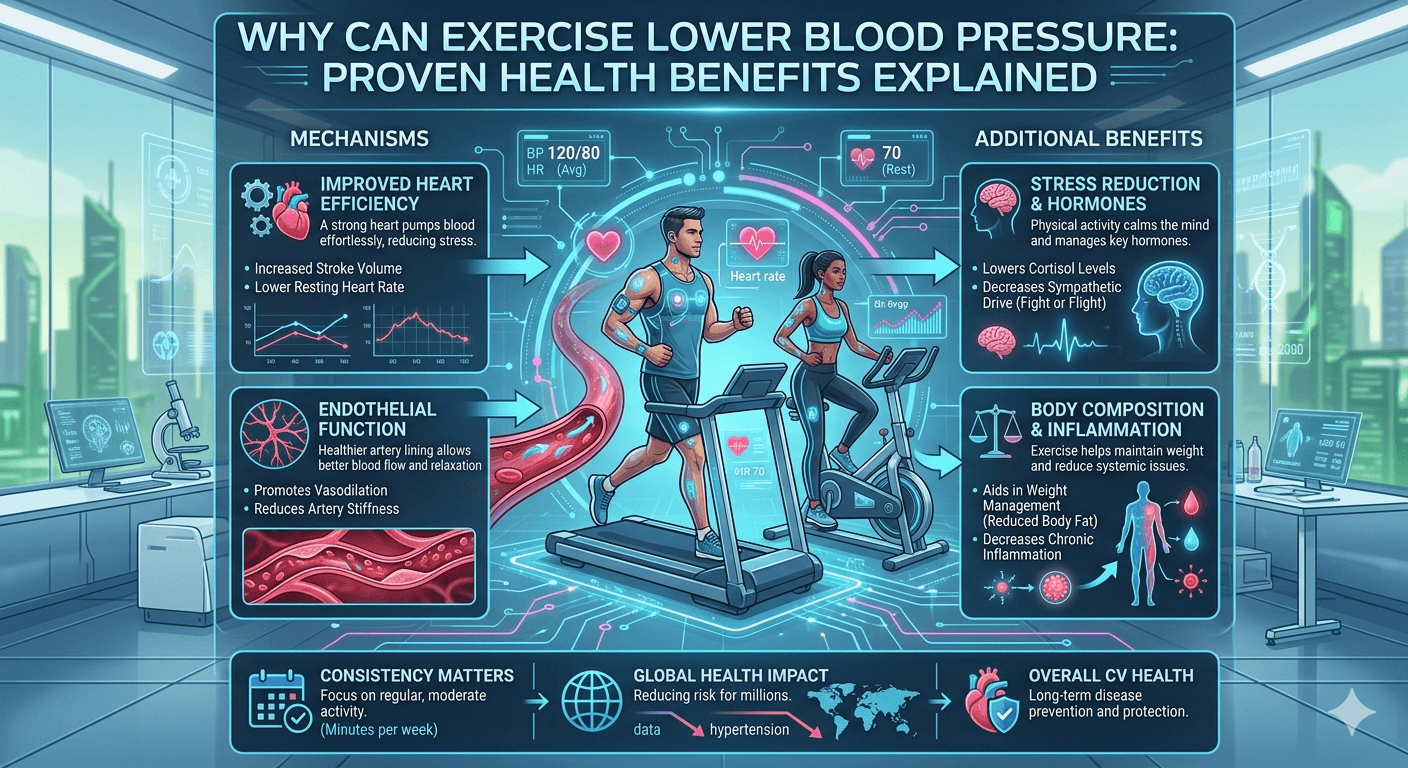
When you start moving your body regularly, you’re not just burning calories—you’re strengthening your heart and making your blood vessels more flexible. This means your heart doesn’t have to work as hard to pump blood, which can lead to lower blood pressure.
Stick with me as we explore exactly how exercise works to keep your blood pressure in check and why making it part of your daily routine could be one of the best choices you ever make for your health.
How Exercise Affects Heart Function
Exercise plays a key role in improving heart function. It helps the heart work better and lowers blood pressure. The heart becomes stronger and pumps blood more efficiently. This reduces the effort needed to move blood through the body. Understanding how exercise affects the heart explains why it lowers blood pressure.
Strengthening The Heart Muscle
Exercise causes the heart muscle to grow stronger. A strong heart can pump more blood with each beat. This means the heart does not need to beat as fast or hard. Strengthening the heart muscle lowers the stress on blood vessels. Over time, this helps reduce blood pressure naturally.
Improving Blood Pump Efficiency
Regular exercise improves how well the heart pumps blood. The heart learns to send blood more smoothly and evenly. Better blood flow means organs and muscles get more oxygen. Efficient pumping reduces the pressure on artery walls. This keeps blood pressure at a healthier level.
Reducing Heart’s Workload
A stronger and more efficient heart lowers its own workload. The heart does not have to work as hard to move blood. This means less force is needed inside the blood vessels. Lower force reduces the risk of high blood pressure. Exercise helps the heart rest more between beats.
Credit: www.youtube.com
Impact On Blood Vessels
Exercise affects blood vessels in ways that help lower blood pressure. It changes how vessels behave and how blood moves through them. These changes reduce the strain on the heart and arteries, easing pressure inside blood vessels. Understanding this impact shows why regular exercise supports healthy blood pressure.
Enhancing Vessel Flexibility
Exercise makes blood vessels more flexible. Flexible vessels expand and contract easily. This flexibility prevents the vessels from becoming stiff. Stiff vessels cause higher blood pressure because they resist blood flow. Regular activity encourages vessels to stay elastic and healthy.
Lowering Vascular Resistance
Physical activity lowers resistance in blood vessels. Resistance happens when vessels narrow or tighten. Exercise causes vessels to relax and widen. Wider vessels allow blood to flow with less effort. Lower resistance means lower blood pressure and less work for the heart.
Promoting Better Blood Flow
Exercise improves overall blood flow throughout the body. It helps the heart pump blood more efficiently. Better flow delivers oxygen and nutrients faster to organs and muscles. This efficiency reduces pressure inside vessels and supports steady blood pressure.
Exercise And Hormonal Effects
Exercise influences hormones that control blood pressure. These hormonal changes help lower blood pressure naturally. Understanding these effects shows why staying active is important for heart health.
Regulating Stress Hormones
Physical activity lowers stress hormones like cortisol and adrenaline. High levels of these hormones raise blood pressure by narrowing blood vessels. Exercise reduces their release, allowing vessels to relax. This relaxation helps blood flow more easily and reduces pressure on artery walls.
Boosting Nitric Oxide Production
Exercise increases nitric oxide in the blood vessels. Nitric oxide is a molecule that helps vessels widen. Wider vessels lower resistance and make it easier for blood to flow. This effect directly reduces blood pressure and improves overall circulation.
Balancing Renin-angiotensin System
The renin-angiotensin system controls blood vessel tightening and fluid balance. Exercise helps keep this system balanced. It lowers the production of angiotensin, a hormone that narrows vessels. Less angiotensin means vessels stay open, lowering blood pressure naturally.
Role Of Weight Management
Weight management plays a key role in lowering blood pressure through exercise. Carrying excess weight puts extra strain on the heart and blood vessels. Losing weight eases this pressure, making it easier for the heart to pump blood. Exercise helps burn calories and build muscle, supporting healthy weight levels. This process directly impacts blood pressure by reducing the workload on the cardiovascular system.
Reducing Obesity-related Pressure
Excess body fat increases blood pressure by narrowing arteries. This forces the heart to work harder to pump blood. Exercise helps reduce body fat and lowers this pressure. Even moderate activity can shrink fat stores and improve artery health. Losing just a few pounds can make a significant difference in blood pressure levels.
Improving Metabolic Health
Exercise improves the body’s ability to use insulin and regulate blood sugar. Better metabolic health helps control weight and reduces inflammation in blood vessels. This keeps arteries flexible and reduces resistance to blood flow. Improved metabolism supports a healthy blood pressure by easing the heart’s effort.
Supporting Healthy Body Composition
Regular exercise builds muscle and reduces fat, improving body composition. A higher muscle-to-fat ratio helps the body burn calories more efficiently. This balance supports steady weight and lowers blood pressure. Healthy body composition reduces strain on the heart and blood vessels over time.
Types Of Exercise That Help
Exercise helps lower blood pressure by improving heart and blood vessel health. Different types of exercise work in unique ways to reduce blood pressure. Combining various exercises can give the best results for heart health and blood pressure control.
Aerobic Activities
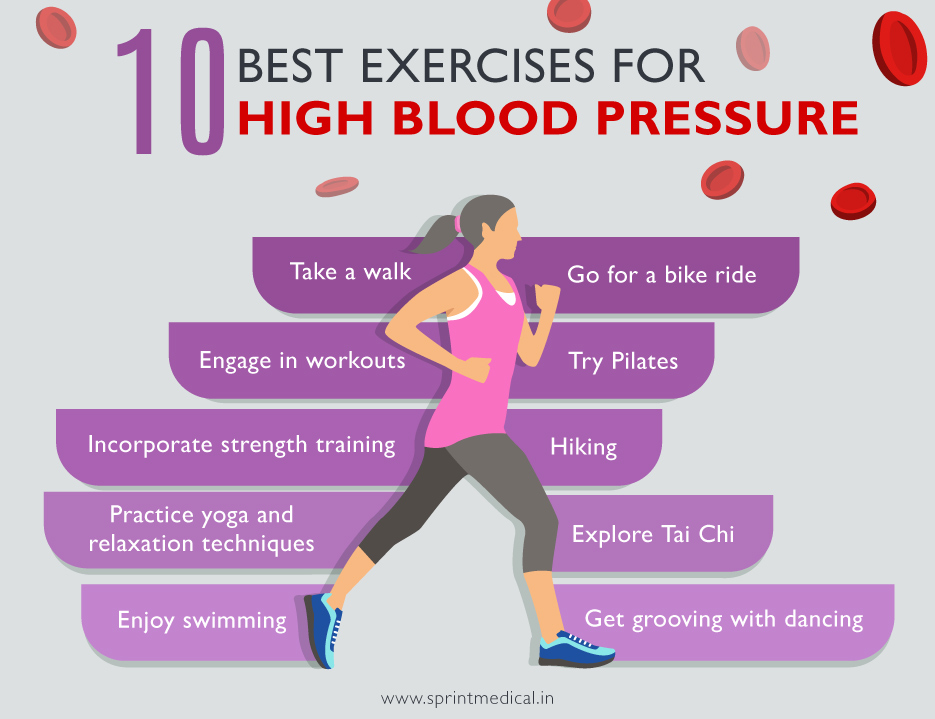
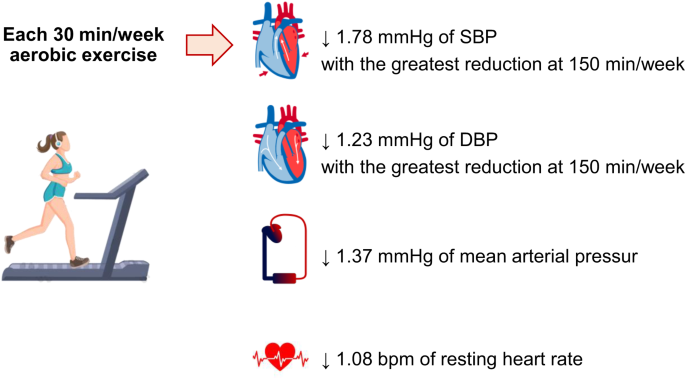
Aerobic exercises increase heart rate and breathing. Walking, running, swimming, and cycling are common examples. These activities strengthen the heart muscle. A stronger heart pumps blood with less effort. This reduces the pressure on arteries. Regular aerobic exercise can lower both systolic and diastolic blood pressure.
Strength Training Benefits
Strength training builds muscle and improves metabolism. Lifting weights or using resistance bands are simple methods. Strong muscles help the body use oxygen better. This lowers the workload on the heart. Strength training also improves blood vessel health. It can reduce blood pressure when done two to three times a week.
Flexibility And Balance Exercises
Stretching and balance exercises improve overall fitness. Yoga and tai chi are popular choices. These exercises reduce stress and promote relaxation. Lower stress helps keep blood pressure steady. Flexibility also supports better movement and prevents injury. Including these exercises enhances blood pressure control and well-being.
Credit: www.liftingitalia.com
Exercise Frequency And Duration
Exercise frequency and duration play key roles in lowering blood pressure. Regular physical activity helps the heart become stronger and more efficient. This reduces the force on blood vessels and lowers blood pressure over time.
Finding the right balance of how often and how long to exercise ensures the best results. Consistent activity supports heart health and keeps blood pressure stable. The benefits increase with a long-term exercise habit.
Recommended Activity Levels
Experts suggest at least 150 minutes of moderate exercise weekly. This breaks down to about 30 minutes five days a week. Activities like walking, cycling, or swimming fit well into this plan.
Short sessions of exercise count too. Even 10-minute bursts add up to better heart health. Regular movement throughout the day helps maintain healthy blood pressure.
Consistency Over Intensity
Regular exercise matters more than pushing too hard occasionally. Moderate, steady workouts keep blood pressure lower more effectively. Sudden intense exercise can raise blood pressure temporarily.
Building a habit of daily activity provides lasting benefits. Avoid long breaks that might reverse progress. The goal is steady improvement, not quick fixes.
Long-term Commitment Benefits
Blood pressure lowers best with ongoing exercise over months and years. Long-term activity strengthens the heart and improves blood vessel function. This reduces resistance in arteries.
Staying active also helps control weight and stress. Both factors impact blood pressure. The longer the commitment, the greater the heart and vessel health.
Additional Lifestyle Factors
Exercise plays a big role in lowering blood pressure, but other lifestyle factors also matter. These factors work together to improve heart health and keep blood pressure in check. Simple changes in daily habits can make a strong impact over time. Let’s explore some key lifestyle elements that support healthy blood pressure.
Diet And Blood Pressure
What you eat affects your blood pressure directly. Eating less salt helps reduce pressure on blood vessels. Fresh fruits and vegetables provide potassium, which balances sodium in the body. Whole grains and lean proteins support heart health. Avoiding processed foods cuts down on hidden salt and unhealthy fats. Drinking enough water keeps blood flowing well. A healthy diet supports the benefits of exercise.
Stress Management Techniques
Stress raises blood pressure temporarily but often becomes a long-term problem. Finding ways to relax lowers stress hormones that tighten blood vessels. Deep breathing slows the heart rate and calms the mind. Meditation and yoga are good tools to reduce tension. Regular breaks during the day help prevent stress buildup. Less stress means less strain on the heart and arteries.
Sleep Quality And Its Role
Poor sleep can cause blood pressure to rise. During deep sleep, the body repairs and lowers blood pressure naturally. Lack of sleep keeps the body in a stressed state. Aim for 7 to 8 hours of restful sleep every night. A quiet, dark room helps improve sleep quality. Good sleep supports the heart and enhances exercise effects.
Credit: www.nature.com
Exercise As A Drug-free Strategy
Exercise offers a natural way to manage blood pressure without relying on drugs. It improves heart and vessel health safely. Regular activity helps the body control blood pressure levels better. Many people use exercise as a key part of their health routine to avoid or reduce medication. The benefits of exercise go beyond fitness and support overall heart function.
Reducing Medication Dependence
Exercise can lower blood pressure enough to reduce the need for medicines. A stronger heart pumps blood with less effort. This lowers the pressure on artery walls. Doctors often recommend exercise before prescribing drugs. For some, regular workouts mean fewer pills and fewer side effects.
Complementing Medical Treatments
Exercise works well alongside blood pressure medicines. It enhances the effects of treatment and helps control blood pressure more steadily. Physical activity improves blood flow and vessel flexibility. This support allows medications to work more effectively. Patients feel better and may see improved results.
Preventing Hypertension Development
Exercise helps stop high blood pressure from starting. It controls weight, reduces stress, and improves heart strength. Active people have a lower risk of developing hypertension. Starting exercise early can keep blood pressure in a healthy range. Prevention through activity saves future health problems and costs.
Frequently Asked Questions
Why Does Exercise Make Blood Pressure Go Down?
Exercise strengthens the heart, enabling it to pump blood more efficiently. This reduces pressure on blood vessels and lowers blood pressure.
Why Is My Child’s Blood Pressure High?
Your child’s high blood pressure may result from obesity, poor diet, inactivity, genetics, or underlying conditions like kidney or heart issues. Medications and sleep apnea can also raise pressure. Regular checkups help identify causes and guide treatment.
How To Naturally Lower Blood Pressure While Pregnant?
Maintain a balanced diet low in salt and processed foods. Stay hydrated and rest adequately. Practice gentle prenatal exercises and manage stress through relaxation techniques. Regularly monitor blood pressure and consult your healthcare provider for personalized advice.
Can High Blood Pressure Cause Nausea?
High blood pressure can cause nausea by reducing blood flow and affecting the brain’s balance centers. Severe hypertension often triggers this symptom.
Conclusion
Exercise helps the heart pump blood more easily. This lowers pressure on blood vessels. Regular activity also improves blood vessel flexibility. Stronger vessels mean less resistance for blood flow. Exercise supports weight control, which reduces blood pressure. It also lowers stress, a factor in high blood pressure.
Small changes, like walking daily, make a big difference. Keep moving to protect your heart and health. Simple habits can help maintain healthy blood pressure levels.

“As the voice behind Radiant Glow Health, we are dedicated to being your ultimate wellness and vitality companion. Our mission is to inspire and guide you on your journey to a healthier and more vibrant life. Join us as we explore holistic health practices and empower you to radiate wellness from within.”