If you love staying active but find yourself struggling to breathe during or after exercise, you might be dealing with exercise-induced asthma. It’s frustrating when your workout becomes a challenge instead of a boost to your health.
But here’s the good news—you don’t have to give up on your fitness goals. By understanding what triggers your symptoms and learning simple, effective ways to manage them, you can keep moving without fear. You’ll discover practical tips and strategies that help you avoid exercise-induced asthma so you can enjoy every workout with confidence.
Keep reading to take control of your breathing and unleash your full potential.

Credit: www.webmd.com
Causes And Triggers
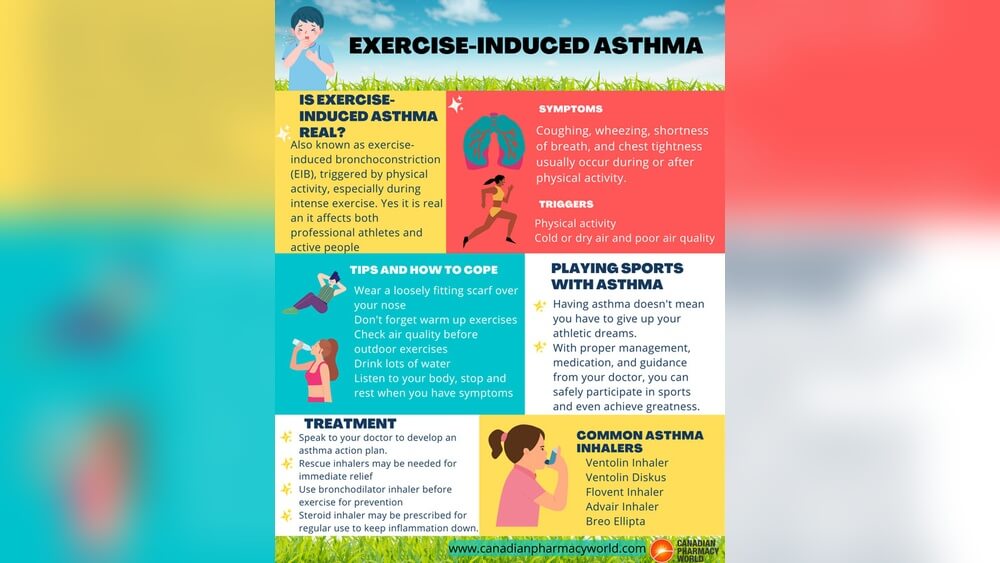
Exercise-induced asthma occurs when airways narrow during physical activity. Understanding what causes and triggers this condition helps manage symptoms. Many factors can provoke an asthma attack during exercise. Knowing these triggers allows better preparation and prevention.
Common Exercise Triggers
Rapid breathing during exercise can dry and cool the airways. This irritates sensitive airways and causes them to tighten. High-intensity workouts increase the risk of asthma symptoms. Activities like running, swimming, and cycling often trigger attacks. Warm-ups and cool-downs help reduce this risk.
Environmental Factors
Cold, dry air is a major trigger for exercise-induced asthma. Breathing in cold air causes airway inflammation and constriction. High pollen levels and air pollution also worsen symptoms. Indoor allergens like dust or mold may trigger attacks during indoor workouts. Checking weather and air quality can guide safer exercise choices.
Individual Risk Factors
People with a history of asthma or allergies have higher risk. Respiratory infections or colds can increase airway sensitivity. Smoking or exposure to secondhand smoke worsens symptoms. Poorly controlled asthma makes exercise attacks more likely. Age, fitness level, and genetics also play a role.
Preventive Medications
Preventive medications play a crucial role in managing exercise-induced asthma. They help reduce symptoms and prevent attacks during physical activity. Using these medications correctly can make exercise safer and more enjoyable.
Short-acting Bronchodilators
Short-acting bronchodilators, also called SABAs, work quickly to open airways. They are often used before exercise to prevent asthma symptoms. Taking a SABA 15 minutes before activity can stop wheezing and shortness of breath. These inhalers provide fast relief and are easy to use.
Long-term Control Options
Long-term control medications help keep asthma stable over time. These include inhaled corticosteroids that reduce airway inflammation. Sometimes doctors prescribe combination inhalers with corticosteroids and long-acting bronchodilators. Using these daily lowers the risk of exercise-induced symptoms. They do not work immediately but improve lung health gradually.
Leukotriene Modifiers
Leukotriene modifiers are pills that block chemicals causing asthma inflammation. Montelukast is a common example taken once a day. These medicines help reduce airway swelling and mucus production. They work well for people who have trouble using inhalers. Leukotriene modifiers can be an effective part of an asthma prevention plan.
Non-medication Strategies
Non-medication strategies play a vital role in managing exercise-induced asthma. These methods help reduce symptoms without relying on drugs. They focus on preparing the body, selecting the right activities, and avoiding triggers. Such habits can improve breathing and make exercise safer and more enjoyable.
Warm-up And Cool-down
Starting with a proper warm-up helps the lungs adjust to physical activity. Gentle movements and light exercise raise the heart rate slowly. This reduces the chance of sudden airway tightening. Cooling down after exercise lets the body return to rest gradually. Stretching and slow walking can ease breathing and prevent symptoms.
Choosing Suitable Sports
Some sports are easier on the lungs than others. Activities with short bursts of effort work better than continuous endurance sports. Sprinting, baseball, and wrestling are good examples. Swimming is also helpful because the moist air reduces irritation. Choosing the right sport lowers the risk of asthma flare-ups during exercise.
Avoiding Environmental Triggers
Air quality affects exercise-induced asthma symptoms. Cold, dry air can trigger breathing problems. Wearing a mask or scarf over the nose and mouth helps warm the air. High pollen or pollution levels also increase risks. On such days, it is better to exercise indoors. Checking the weather and air quality before exercise is a smart habit.

Credit: www.allergyaffiliates.com
Managing Symptoms During Exercise
Managing symptoms during exercise is key for people with exercise-induced asthma. Knowing how to handle symptoms helps keep workouts safe and enjoyable. Pay close attention to your breathing and body signals while exercising. Use the right tools and techniques to reduce discomfort and avoid serious issues.
When To Slow Down Or Stop
Stop or slow down at the first sign of trouble. Symptoms include wheezing, coughing, or tightness in the chest. Shortness of breath or unusual fatigue also means you should pause. Pushing through symptoms can make the asthma worse. Rest until symptoms ease before continuing your activity.
Using Rescue Inhalers
Always carry your rescue inhaler during exercise. Use it as soon as you feel symptoms starting. Follow the doctor’s instructions on how many puffs to take. The inhaler works fast to open airways and ease breathing. Do not wait too long to use your inhaler when symptoms appear.
Recognizing Emergency Signs
Know when asthma symptoms become an emergency. If you cannot breathe well after using your inhaler, seek help immediately. Signs include difficulty talking, blue lips, or severe chest tightness. Call emergency services if symptoms worsen or do not improve quickly. Acting fast can save your life.
Emergency Response Tips
Knowing how to respond during an exercise-induced asthma attack is vital. Quick and calm actions can prevent the situation from worsening. Below are key tips for emergency response that can help keep symptoms under control and ensure safety.
Positioning And Calmness
Help the person sit upright. This position makes breathing easier. Encourage slow, deep breaths to reduce panic. Staying calm lowers stress and helps open airways. Avoid lying down, which can worsen symptoms. Reassure the person with gentle, steady words.
Using Spacers Effectively
Use a spacer with the inhaler for better medicine delivery. Shake the inhaler well before use. Attach it to the spacer and have the person breathe out fully. Press the inhaler once into the spacer. Let the person breathe in slowly and deeply through the mouthpiece. Hold the breath for 5 to 10 seconds before exhaling. Repeat as prescribed, usually two to four puffs.
When To Seek Immediate Help
Call emergency services if symptoms worsen or do not improve after using the inhaler. Look for signs like difficulty speaking, blue lips, or severe shortness of breath. If the person becomes drowsy or confused, seek help right away. Do not wait for symptoms to get worse. Quick medical attention can save lives.
Lifestyle Adjustments
Making lifestyle adjustments can greatly reduce exercise-induced asthma symptoms. Small changes in daily habits help manage triggers. These adjustments support safer and more comfortable physical activity. Focus on simple steps that improve overall lung health and prevent attacks.
Monitoring Air Quality
Check the air quality before exercising outdoors. Poor air quality can worsen asthma symptoms. Use local air quality apps or websites for updates. Avoid outdoor exercise on high pollution or pollen days. Choose indoor workouts when air conditions are bad. Clean indoor air also reduces asthma triggers.
Hydration And Nutrition
Drink plenty of water before, during, and after exercise. Staying hydrated keeps airways moist and easier to breathe through. Eat balanced meals with fruits and vegetables rich in antioxidants. Avoid foods that trigger inflammation or allergies. Proper nutrition supports lung function and overall health.
Regular Asthma Check-ups
Visit your doctor regularly to monitor asthma control. Adjust medications as needed to prevent symptoms during exercise. Discuss your exercise plans and any new symptoms. Early detection of changes can prevent severe attacks. Follow your doctor’s advice for the best asthma management.
:max_bytes(150000):strip_icc()/play-sports-control-exercise-induced-asthma-3120183_final-ff6e7709bb1843cb8a141e597a2a238c.jpg "How to Avoid Exercise Induced Asthma: Effective Tips for Relief 4")
Credit: www.verywellhealth.com
Frequently Asked Questions
Can Exercise-induced Asthma Be Prevented?
Exercise-induced asthma can be prevented by using prescribed inhalers before exercise. Warm up properly and avoid triggers like cold air or pollution. Choose sports with short bursts of activity and cool down gradually after exercising.
What Is The 2 2 2 Rule For Asthma?
The 2 2 2 rule for asthma means using a rescue inhaler less than twice a week, fewer than twice a month at night, and no activity limits.
How To Calm Down Exercise-induced Asthma?
Stop or slow exercise immediately. Use a prescribed short-acting bronchodilator (rescue inhaler). Breathe slowly and deeply. Seek medical help if symptoms persist or worsen.
What Is The 4 4 4 Rule For Asthma?
The 4 4 4 rule for asthma means taking four puffs of a rescue inhaler every four hours for four doses during an asthma attack.
Conclusion
Avoiding exercise-induced asthma starts with simple, smart steps. Warm up gently before workouts. Choose sports that fit your breathing needs. Use your inhaler as your doctor advises. Watch weather and air quality; avoid triggers. Slow down or stop if symptoms appear.
These habits help you stay active and safe. Remember, managing asthma means listening to your body. Stay consistent, and enjoy exercise without fear.

“As the voice behind Radiant Glow Health, we are dedicated to being your ultimate wellness and vitality companion. Our mission is to inspire and guide you on your journey to a healthier and more vibrant life. Join us as we explore holistic health practices and empower you to radiate wellness from within.”