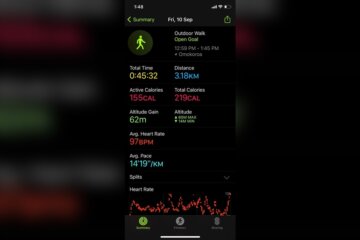
Are you wondering if working out really counts as exercise? It’s a common question, especially when you’re trying to stay active and healthy.
The truth is, while both involve moving your body, there’s a subtle difference between working out and exercise—and understanding this can change how you approach your fitness routine. Whether you’re hitting the gym for a structured session or simply staying active through daily tasks, knowing what counts as exercise can help you make smarter choices for your health.
Keep reading to discover how working out fits into the bigger picture of staying fit, and why every bit of movement matters more than you might think.
Workout Vs Exercise
Understanding the difference between working out and exercise helps clarify how to stay active. Both improve health and fitness but vary in structure and purpose. Knowing these differences guides your daily activity choices.
General Physical Activity
Exercise includes all physical movements that boost health. This covers walking, gardening, and playing sports. These activities keep your body moving and heart pumping. They often happen naturally during the day. Any activity that uses muscles and burns energy counts.
Structured Sessions
Working out means planned, focused exercise sessions. It involves specific routines like weightlifting or running. Workouts often happen at gyms or at home with set goals. They last a fixed time and follow a pattern. This structure helps improve strength, endurance, or flexibility.
Intensity Levels
Exercise and workouts vary in intensity. Light activities like slow walking are exercise but may not be workouts. Workouts usually push your body harder. They raise your heart rate and cause sweating. Higher intensity leads to better fitness results but requires more effort.
Types Of Physical Activity
Physical activity comes in many forms, each offering unique benefits. Understanding the types helps you see that exercise is not only about the gym. Any movement that gets your body working counts.
Some activities are planned and structured. Others happen naturally during daily life. All contribute to better health and fitness.
Structured Workouts
These are planned sessions with a clear goal. Examples include running, weightlifting, swimming, and cycling. Structured workouts often focus on improving strength, endurance, or flexibility. They usually follow a routine or program. People do them to build fitness or train for events.
Informal Activities
Informal activities are less planned but still raise your heart rate. Gardening, playing sports, or brisk walking fit here. These activities keep you active without feeling like exercise. They can be fun and social, helping you stay motivated.
Everyday Movements
Simple movements like climbing stairs, cleaning, or walking to the store also count. These tasks add up and increase your daily physical activity. Even small bursts of movement help your body stay healthy. Moving often throughout the day is better than sitting for long times.
How Movement Counts
Movement is the key to counting as exercise. Any activity that makes your body move can benefit your health. It does not need to be intense or long. Small actions add up throughout the day.
Walking to the store or biking to work raises your heart rate. Cleaning the house or playing with your kids uses energy. Sports and fun activities also help your body stay fit.
Brisk Walking And Biking
Walking fast or biking increases your breathing and heart rate. These activities improve your endurance and strengthen your muscles. You do not need special equipment, just a good pace. These simple movements count as exercise because they challenge your body.
Household Chores
Cleaning, vacuuming, and gardening can burn calories too. These chores keep you moving and use different muscles. Doing housework regularly helps maintain strength and flexibility. It is easy to forget these tasks are good exercise.
Sports And Recreation
Playing sports like soccer, basketball, or swimming is exercise. These activities make your body work hard and improve fitness. Recreation is fun and motivates you to move more. Any sport that raises your heart rate counts as exercise.
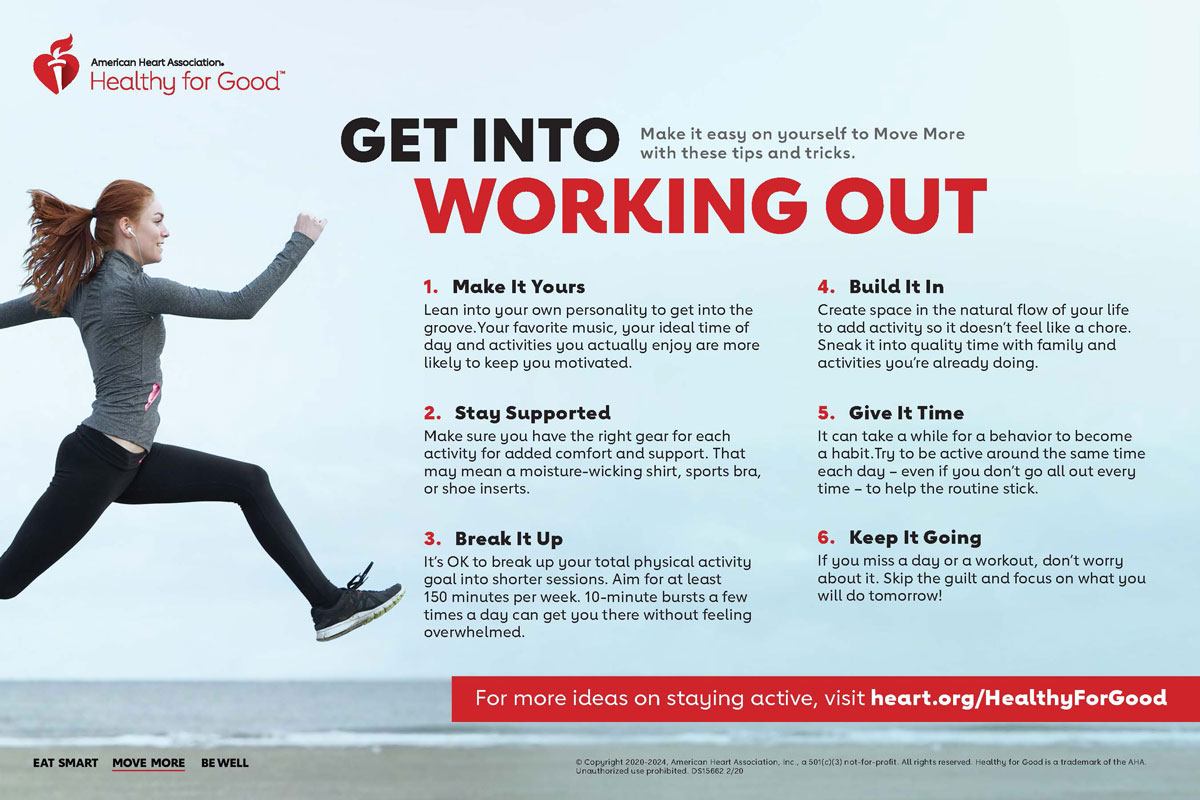
Credit: www.heart.org
Benefits Of Working Out
Working out offers many health benefits. It helps your body stay strong and healthy. Regular exercise improves how your heart and brain work. It also lifts your mood and helps you sleep better. Working out lowers the chance of many diseases. These benefits make exercise an important part of life.
Heart And Brain Health
Exercise strengthens your heart. It improves blood flow and lowers blood pressure. A strong heart can pump blood better. This reduces the risk of heart problems. Working out also helps the brain. It boosts memory and focus. It can protect against brain diseases as you age.
Mood And Sleep Improvement
Exercise releases chemicals that make you feel happy. It reduces stress and anxiety levels. Regular workouts can help fight depression. Physical activity also improves your sleep quality. It helps you fall asleep faster. You wake up feeling more refreshed and ready.
Disease Risk Reduction
Working out lowers the chance of many diseases. It helps control weight and reduces diabetes risk. Exercise can prevent some cancers. It also strengthens bones and muscles. This lowers the risk of falls and fractures. Overall, regular physical activity keeps you healthier for longer.
Making Workouts Effective
Making workouts effective means more than just moving your body. It requires smart planning and attention. The right approach helps you reach fitness goals faster. Simple changes can boost results and keep you motivated.
Focus on how hard you work, the types of exercises you choose, and giving your body time to heal. These factors together create a balanced and effective workout routine.
Importance Of Intensity
Intensity is the level of effort you put into your workout. Higher intensity means your heart beats faster and muscles work harder. This helps burn more calories and build strength. Low-intensity workouts improve endurance and recovery. Changing intensity keeps your body challenged and avoids plateaus.
Balancing Workout Types
Different workouts serve different purposes. Cardio improves heart health and burns fat. Strength training builds muscle and increases metabolism. Flexibility exercises reduce injury risk and improve movement. Mixing these types creates a well-rounded fitness plan. It also keeps workouts interesting and fun.
Rest And Recovery
Rest is when your body repairs and grows stronger. Without enough rest, muscles stay tired and progress slows. Recovery includes sleep, hydration, and light activity. Taking breaks prevents burnout and injury. Plan rest days and listen to your body’s signals.

Credit: www.youtube.com
Building Consistency
Building consistency is key to making exercise a regular habit. Without it, workouts become irregular and less effective. Staying consistent helps your body adapt and improves your fitness steadily. Small, steady steps lead to lasting results and better health.
Simple Routines
Start with easy exercises you enjoy. Simple routines are easier to stick with every day. Choose activities that fit your level and interests. Avoid complex plans that feel overwhelming. Consistency grows when workouts feel doable and fun.
Time Management
Set a specific time for exercise each day. Treat it like an important appointment. Short sessions count too, even 10 to 15 minutes. Plan workouts around your daily tasks. Good time management prevents skipping and builds steady habits.
Preventing Burnout
Keep workouts varied to avoid boredom. Mix different types of exercise to stay motivated. Rest days are important for recovery and energy. Listen to your body and adjust intensity as needed. Preventing burnout helps maintain long-term consistency.

Credit: www.esseg.eu
Frequently Asked Questions
Is Working Out Considered Exercise?
Yes, working out is a form of exercise. It involves planned, structured physical activities aimed at improving fitness and health.
What Is The 3-3-3 Rule For Working Out?
The 3-3-3 rule for working out divides exercise into three circuits, each lasting three minutes, repeated three times. This structure boosts efficiency, targets different muscle groups, and helps maintain focus during workouts. It suits beginners and busy schedules by promoting consistency and balanced fitness.
Does A 30 Minute Walk Count As Exercise?
Yes, a 30-minute walk counts as exercise. It improves cardiovascular health, burns calories, and boosts mood. Walking briskly raises your heart rate, making it an effective moderate aerobic activity. Regular walking supports fitness and overall well-being.
Does Weight Lifting Count As Exercise?
Yes, weight lifting counts as exercise. It builds muscle, improves strength, and boosts overall fitness effectively.
Conclusion
Working out is definitely a form of exercise. Both help improve your health and fitness. You do not need a gym to be active. Simple activities like walking or gardening count too. The key is moving your body regularly. Choose what fits your lifestyle and enjoy it.
Staying active keeps your body and mind strong. Keep going, and feel the benefits every day.

“As the voice behind Radiant Glow Health, we are dedicated to being your ultimate wellness and vitality companion. Our mission is to inspire and guide you on your journey to a healthier and more vibrant life. Join us as we explore holistic health practices and empower you to radiate wellness from within.”