How long should you exercise each day to truly benefit your body and mind? It’s a question many ask but few answer clearly.
You want results—better heart health, weight control, stronger bones, more energy—and you want to feel good mentally too. Yet, finding the right daily workout length can be confusing with so much advice out there. What if the key isn’t just about spending more time, but about exercising smart?
You’ll discover how to tailor your daily exercise for maximum impact without burning out. Ready to unlock the perfect balance for your health and lifestyle? Keep reading to find out exactly how long you should work out each day to see real, lasting results.
Credit: abcnews.go.com
Daily Exercise Recommendations
Daily exercise plays a key role in keeping the body strong and the mind sharp. Knowing how long to exercise each day helps create a healthy habit. Different workouts need different amounts of time for the best results. It is important to follow simple recommendations to stay active and avoid injury.
Guidelines For Overall Health
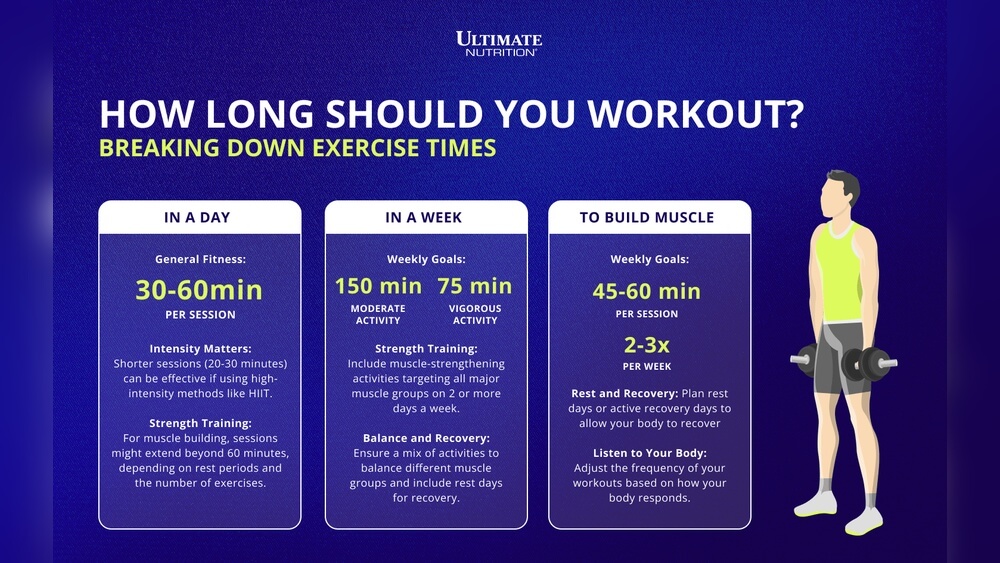
Health experts suggest at least 150 minutes of moderate exercise each week. This means about 20 to 30 minutes daily. Activities like walking, cycling, or light jogging count as moderate exercise. You can also do 75 minutes of intense exercise weekly. This includes running, swimming, or fast cycling. Splitting time into small sessions works well too. Consistency matters more than long sessions once in a while.
Exercise Duration By Workout Type
Cardio exercises usually last 20 to 60 minutes. This helps improve heart health and burn calories. Strength training sessions take about 30 to 45 minutes. Focus on different muscle groups each time. Flexibility and balance exercises need 10 to 15 minutes daily. Yoga or stretching improves mobility and reduces injury risks. Mixing types keeps workouts balanced and effective.
Recommendations For Beginners
Start slow with 10 to 15 minutes a day. Choose easy activities like walking or gentle stretching. Gradually increase time and intensity over weeks. Listen to your body to avoid pain or fatigue. Rest days are important to recover and build strength. Setting small goals helps keep motivation high. Beginners should focus on forming a steady routine first.
Physical Benefits
Regular exercise delivers many physical benefits that improve your overall health and quality of life. Even short daily workouts can strengthen your body and boost its functions. Understanding these benefits helps you set realistic exercise goals for each day.
Heart Health Improvements
Exercise makes your heart stronger and more efficient. It lowers blood pressure and reduces bad cholesterol. These changes cut risks for heart disease and stroke. Just 30 minutes of moderate exercise daily improves heart function significantly.
Weight Management Support
Daily exercise burns calories and helps control weight. It boosts metabolism, making it easier to lose or maintain weight. Combining exercise with a healthy diet supports steady, long-term weight management. Even light activities like walking aid in balancing weight.
Bone Strengthening Effects
Weight-bearing exercises build stronger bones and reduce osteoporosis risk. Activities like walking, jogging, or dancing increase bone density. Strong bones lower the chance of fractures and improve posture. Aim for at least 20 minutes daily to support bone health.
Increased Energy And Stamina
Exercise raises your energy levels by improving blood flow and oxygen delivery. Regular activity builds stamina, making daily tasks easier. Over time, you feel less tired and more active throughout the day. Start with small sessions and increase duration gradually for best results.
Mental And Emotional Benefits
Exercise is not just about physical health. It plays a big role in mental and emotional well-being. Daily physical activity helps the brain release chemicals that lift your spirits. It also reduces feelings of stress and anxiety. Spending time moving your body can clear your mind and improve your mood. Small amounts of exercise can lead to big changes in how you feel inside.
Many people find that regular exercise helps them think more clearly. It can also improve sleep patterns and boost confidence. These benefits make exercise a simple way to care for your mental health. Understanding how much time to spend exercising each day can help you enjoy these mental and emotional rewards.
Mood Enhancement
Exercise triggers the release of endorphins. These natural chemicals lift your mood and reduce pain. Moving your body can lower stress levels quickly. Even a short walk can make you feel happier. Regular exercise reduces symptoms of depression and anxiety. It helps create a positive outlook on life.
Better Sleep Quality
Physical activity helps you fall asleep faster. It also improves the depth of your sleep. Better sleep means more energy during the day. Exercise can help regulate your sleep cycle. Avoiding intense workouts close to bedtime can improve rest. Good sleep supports mental clarity and emotional balance.
Sharper Cognitive Function
Exercise increases blood flow to the brain. This helps improve memory and focus. Regular physical activity stimulates brain growth and creativity. It can boost problem-solving skills and learning ability. Staying active protects against age-related mental decline. A sharper mind enhances daily performance and confidence.
Boosted Confidence
Exercise helps you feel stronger and more capable. Achieving fitness goals builds self-esteem. Physical improvements often lead to better body image. Confidence grows as you see your progress. Feeling good about yourself improves social interactions. Regular activity supports a positive self-view.

Credit: www.everydayhealth.com
Structuring Your Workouts
Structuring your workouts effectively helps maximize results within limited time. A well-planned routine balances different exercise types and recovery. This approach supports steady progress and prevents injury. Understanding how to combine strength, cardio, and rest is key.
Balancing Strength, Cardio, And Recovery
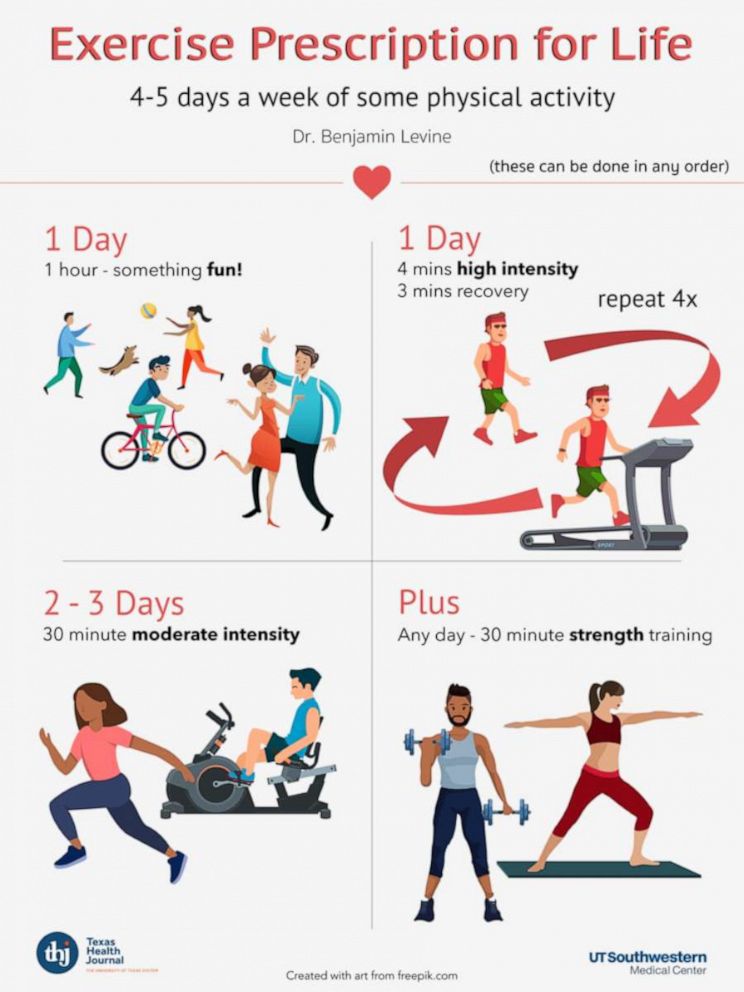
Include strength training three times per week to build muscle. Add cardio sessions three times weekly to improve heart health. Schedule rest or active recovery days to allow muscles to heal. This balance enhances fitness and reduces injury risk. Adjust the intensity based on your fitness level.
Full-body Circuit Training
Circuit training mixes strength and cardio exercises in one session. Move quickly between exercises to keep your heart rate up. This method saves time while working multiple muscle groups. Aim for 20 to 30 minutes per circuit session. It builds endurance, strength, and burns calories efficiently.
Incorporating Variety
Change your workout types to keep your body challenged. Try different cardio activities like walking, cycling, or swimming. Rotate strength exercises targeting various muscles. Variety prevents boredom and plateaus in progress. It also reduces the risk of overuse injuries.
Maximizing Workout Efficiency
Maximizing workout efficiency helps you get the best results in less time. Focused workouts improve strength, stamina, and overall fitness without long sessions. Smart planning and proper technique make every minute count. Efficient exercise prevents injury and keeps motivation high.
Focusing On Form And Technique
Good form reduces injury risk and boosts workout gains. Proper technique helps target muscles correctly and improves strength. Slow, controlled movements beat rushing through exercises. Pay attention to breathing and body alignment during each rep. Perfecting form saves time by making workouts more effective.
Consistency To Prevent Burnout
Regular exercise builds habits and improves fitness steadily. Avoid pushing too hard to stop burnout or injury. Short, daily workouts can be better than long, rare sessions. Set a realistic schedule and stick to it for lasting results. Rest days are important to recover and stay motivated.
Adapting Workouts To Busy Schedules
Short workouts fit easily into busy days. High-intensity interval training (HIIT) offers quick, effective sessions. Combine cardio and strength moves to save time. Use bodyweight exercises that require no equipment or gym visits. Flexibility in timing helps keep workouts consistent and stress-free.
Credit: www.vicentetorns.com
Key Considerations
Understanding how long to exercise daily depends on several key factors. These considerations help tailor workouts for the best results. They also protect your body and keep motivation high. Focus on what matters most for your health and goals.
Not every minute spent exercising has the same value. Listening to your body’s signals is vital. Your purpose for exercising also changes the ideal workout length.
Prioritizing Quality Over Quantity
Effective exercise focuses on how well you move, not just time spent. Short sessions with proper form beat long, careless workouts. Quality training reduces injury risk and improves gains. Aim for focused, controlled movements that challenge your muscles.
Rest between sets and exercise variety also boost workout quality. Mix strength, cardio, and flexibility exercises for balanced fitness. This approach delivers better results than long, repetitive routines.
Listening To Your Body
Your body sends clear signals during exercise. Pain, dizziness, or extreme fatigue mean stop or slow down. Feeling good and energized suggests you can continue safely. Adjust workout length based on how you feel each day.
Rest days are as important as training days. They allow muscles to recover and grow stronger. Overtraining can lead to burnout and injuries. Respect your limits and progress gradually.
Exercise For Weight Loss
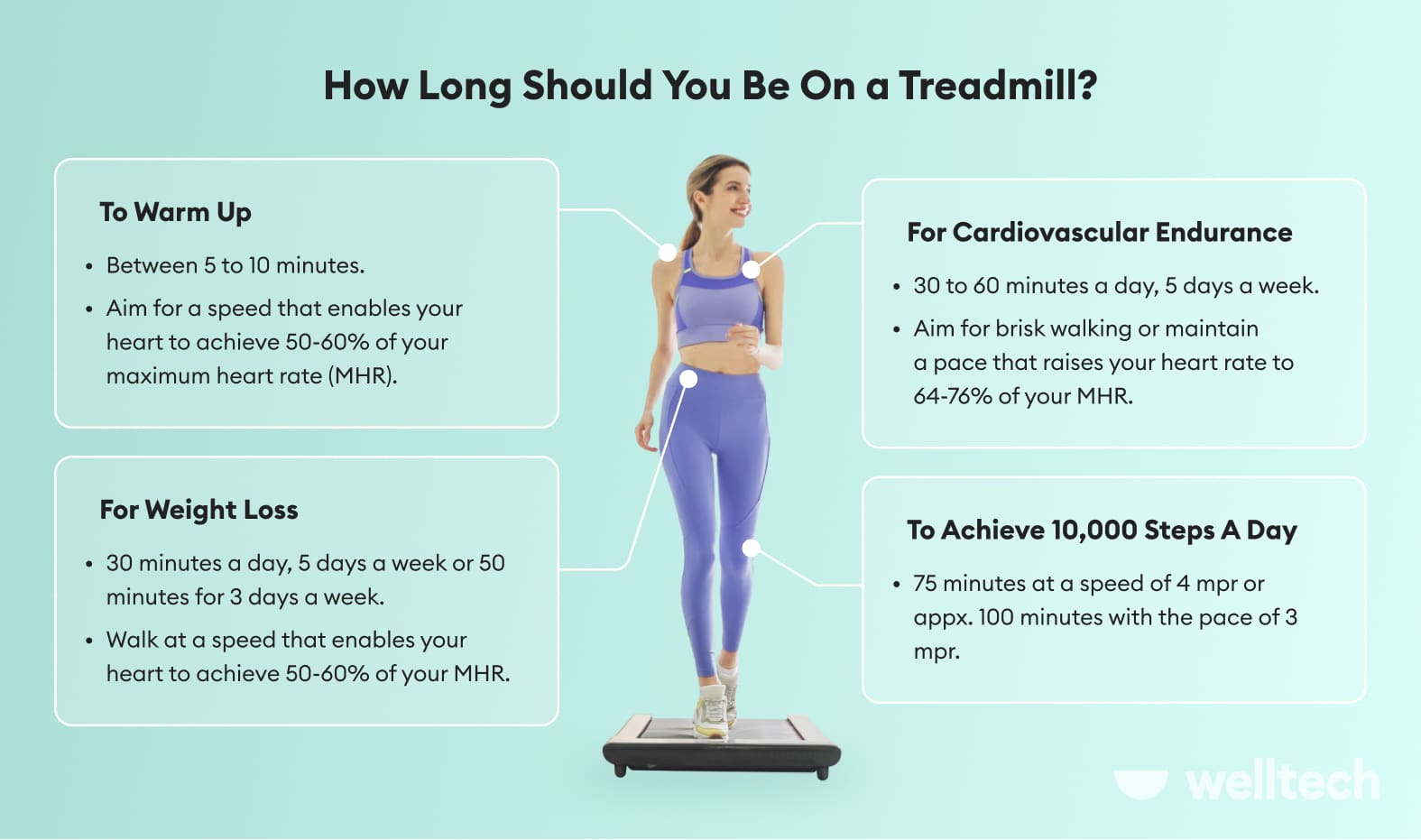
Weight loss needs a balance between exercise and diet. Longer workouts burn more calories but can cause fatigue. Moderate daily exercise, around 30 to 60 minutes, works well for most. Combine cardio with strength training to boost metabolism.
Consistency matters more than duration alone. Regular activity helps maintain weight loss over time. Choose exercises you enjoy to stay motivated and active every day.
Frequently Asked Questions
Is Working Out 30 Minutes A Day Effective?
Yes, working out 30 minutes daily effectively improves heart health, boosts energy, supports weight management, and enhances mood. Consistent, moderate exercise strengthens bones and sharpens the mind. Combine cardio and strength training for best results.
What Is The 3 3 3 Rule For Exercise?
The 3 3 3 rule for exercise means doing three sets of three exercises, each for three minutes. It balances strength, cardio, and rest efficiently.
How Long Should I Workout A Day?
Aim for at least 30 minutes of moderate exercise daily. Combine cardio, strength, and flexibility for best results. Listen to your body and rest as needed.
Is 2 Hours Of Exercise A Day Too Much?
Two hours of daily exercise can be too much for many. Balance intensity and rest to avoid injury and fatigue. Moderate exercise, about 30-60 minutes daily, suits most for health benefits. Always listen to your body and adjust based on fitness level and goals.
Conclusion
Exercise daily for at least 30 minutes to stay healthy. Even short sessions improve heart health and mood. Choose activities you enjoy to keep motivation high. Remember to balance cardio, strength, and rest days. Consistency matters more than long, intense workouts.
Small steps lead to lasting fitness and better energy. Start today, feel stronger, and enjoy each movement.

“As the voice behind Radiant Glow Health, we are dedicated to being your ultimate wellness and vitality companion. Our mission is to inspire and guide you on your journey to a healthier and more vibrant life. Join us as we explore holistic health practices and empower you to radiate wellness from within.”