“Can You Provide Personal Care Without CQC Registration?”
Are you thinking about providing personal care but unsure if you need CQC registration? Maybe you want to help someone at home or start a small care service.
It’s important to know the rules before you begin. Providing personal care without the right registration could lead to serious legal trouble. But is it always necessary to register with the Care Quality Commission (CQC)? This article will clear up the confusion and guide you through what you need to know to stay safe and compliant.
Keep reading to find out when CQC registration is required and how you can provide care the right way.
Cqc Registration Basics
CQC registration plays a key role in personal care services in England. It ensures safety and quality for people receiving care. Understanding CQC registration basics helps you know when it is needed.
This section explains what CQC registration is and who must register. It clarifies the rules about providing personal care without registration.
What Is Cqc Registration?
The Care Quality Commission (CQC) is a government body. It regulates health and social care services in England. CQC registration means a provider meets legal standards. These standards protect people using care services.
Services that provide personal care must often register. This allows the CQC to monitor and inspect them. Registration helps improve care quality and safety.
Who Must Register?
Any organization or individual offering personal care services usually must register. This includes care homes, agencies, and home care providers. Even sole traders providing care in people’s homes need registration.
Personal care means help with daily tasks like washing, dressing, or eating. If you provide this type of care for payment, registration is required. Without it, providing personal care is illegal and can lead to fines.
Personal Care Defined
Personal care means helping someone with daily tasks they cannot do alone. These tasks often involve basic hygiene and physical support. Personal care aims to improve comfort and maintain dignity.
People who need personal care include the elderly, disabled, or those recovering from illness. Care can be given at home, in care homes, or other settings. Understanding what counts as personal care is important for legal and safety reasons.
Types Of Personal Care
Personal care includes activities such as washing, dressing, and toileting. It also covers helping with eating, moving, and taking medicine. These tasks focus on physical support and hygiene.
Other types involve helping with grooming like hair care or shaving. Some personal care includes support with communication or feeding. Each type requires patience and respect for the person’s privacy.
When Personal Care Requires Registration
Providing personal care usually needs Care Quality Commission (CQC) registration. This rule applies if you offer care as a business or agency. Registration ensures care meets safety and quality standards.
Private carers working for one person may not need CQC registration. But if care involves multiple clients or public service, registration is required. Offering regulated personal care without registration is illegal and can lead to penalties.
Registration helps protect both carers and those receiving care. It sets clear rules and expectations for service delivery. Always check if your care activity needs CQC registration before starting.
Providing Care Without Registration
Providing personal care without CQC registration carries serious implications. The Care Quality Commission (CQC) regulates health and social care services in England. Its role is to ensure care providers meet safety and quality standards.
Some people may wonder if they can offer personal care without this registration. Understanding the rules is crucial before delivering care. This section explains the risks and exemptions linked to providing care without CQC registration.
Legal Risks And Consequences
Providing personal care without CQC registration is against the law. It is a criminal offence that can lead to prosecution. Courts may impose heavy fines or other penalties. Care providers must register to operate legally.
Unregistered care providers risk damaging their reputation. They may lose the trust of clients and their families. Insurance and professional support become difficult to obtain. Legal action can also result in being banned from offering care.
Exemptions From Registration
Not all personal care requires CQC registration. Some care activities are exempt under specific conditions. For example, informal care by family members does not need registration.
Self-employed personal assistants working for an individual may not always need to register. However, they must not run a care agency or provide regulated activities to the public. It is important to check if the care offered falls under the exemption rules.
Understanding these exemptions helps avoid unintentional breaches of the law. Always review CQC guidance before starting care work without registration.

Credit: www.threads.com
Hiring Private Carers
Hiring private carers offers a flexible way to receive personal care at home. Many families prefer private carers for a more personal touch and tailored support. Private carers work directly for you, not through an agency. This setup gives you control over who provides care and when. Understanding your role as an employer is important before hiring a private carer.
Responsibilities As An Employer
Hiring a private carer means you become their employer. You must handle payroll, taxes, and insurance. You arrange their work schedule and pay for holidays or sick leave. You need to check their background and qualifications. Providing training and support is your job too. Keeping records of employment is also necessary. Ensuring the carer follows safety rules protects both of you.
Differences From Agency Care
Agency care comes from companies registered with CQC. They manage carers and handle legal duties. Private carers work directly for you without agency involvement. You choose the carer and manage their work. Agencies often provide backup carers for absences. With private carers, you must find cover yourself. Agency care may cost more but offers less employer responsibility. Private care gives more control but more tasks.
Registration Process Essentials
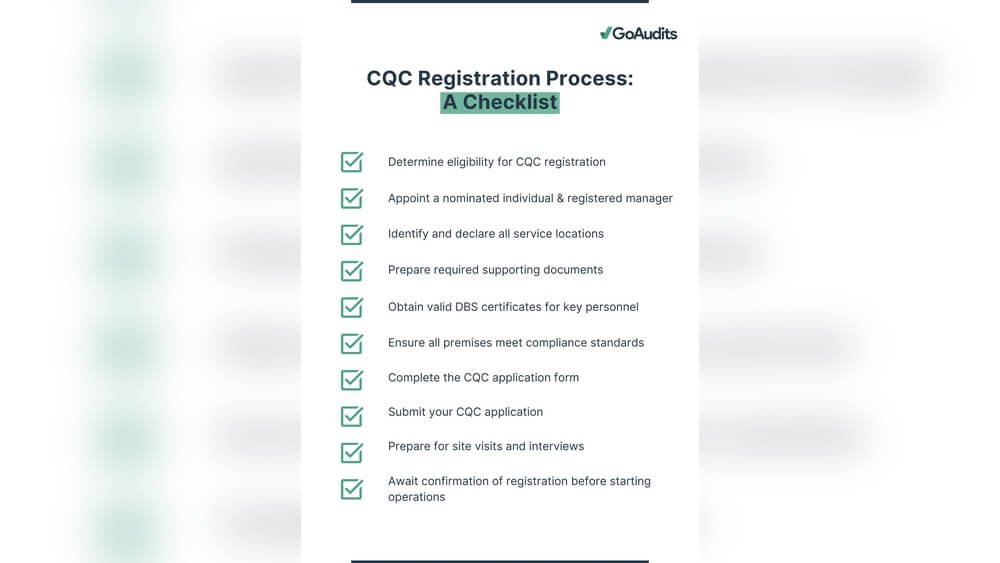
The registration process with the Care Quality Commission (CQC) is vital for anyone offering personal care services. It ensures providers meet essential standards for safety and quality. Understanding the core steps helps prepare for a smooth application.
The process involves proving that you have the right skills, training, and experience. You must also show evidence that you can deliver safe and effective care. These elements form the foundation of your registration application.
Qualification And Training Requirements
CQC requires all care providers to hold relevant qualifications. These qualifications prove you understand the basics of health and social care. Training must be current and specific to the type of care you provide. Basic life support and safeguarding training are common examples. This ensures you can handle emergencies and protect vulnerable people.
Without the proper qualifications, your registration application may be rejected. Training also shows your commitment to maintaining high care standards. Regular updates to training help keep skills sharp and knowledge fresh.
Evidence Of Competence
Demonstrating competence is a key part of the registration process. This means proving you can apply your skills safely and effectively. You need to provide records such as work history, references, and competency assessments. These documents show you have practical experience in personal care.
Competence evidence reassures the CQC that you can meet care needs responsibly. It also highlights your ability to follow care plans and respect clients’ dignity. Clear and honest evidence improves your chances of a successful registration.

Credit: origincare.com
Refused Registration Outcomes
Refused registration by the Care Quality Commission (CQC) can be a major setback. It means you cannot legally provide personal care services. Understanding what happens after refusal is vital. You must know your options and next steps clearly.
A refusal often results from concerns about safety, quality, or management. The CQC aims to protect vulnerable people from poor care. A refusal stops you from operating until issues are resolved.
Appealing A Refusal
You have the right to appeal a refusal decision. Appeals must be made within 28 days of receiving the refusal notice. The appeal process reviews if the CQC decision was fair and based on evidence. Gathering clear evidence to support your case is important. You can ask for advice from legal experts or experienced consultants. During the appeal, you can explain improvements or correct misunderstandings.
Next Steps If Denied
If your appeal fails or you choose not to appeal, you cannot provide personal care legally. You need to address the reasons for refusal fully before applying again. This may include training staff, improving policies, or fixing safety risks. You can seek help from local support services or CQC guidance. Operating without registration after refusal is illegal and risks heavy penalties. Taking time to meet all CQC standards is the best path forward.
Supported Living And Care
Supported living and care focus on helping people live independently. It provides personal assistance in daily tasks. This support allows individuals to enjoy choice and control over their lives.
Understanding when CQC registration is necessary helps providers follow legal rules. Not all supported living services require registration. Knowing the difference protects both providers and those they support.
When Supported Living Needs Registration
Supported living must register with CQC if it offers personal care. Personal care includes help with washing, dressing, or eating. When staff provide these tasks, registration is mandatory.
Services that only offer housing or support without personal care do not need registration. Registration ensures safety and quality for those receiving care. It holds providers accountable for their services.
Services Outside Cqc Scope
Some supported living services do not fall under CQC rules. These include only providing housing or support with money management. Staff do not perform personal care tasks in these cases.
People living in supported settings can hire personal assistants privately. These assistants are not covered by CQC if they do not work for a registered service. The responsibility lies with the individual hiring them.

Credit: www.rwkgoodman.com
Avoiding Illegal Care Provision
Providing personal care without proper registration can lead to serious legal issues. The Care Quality Commission (CQC) regulates personal care services to ensure safety and quality. Avoiding illegal care provision means understanding the rules and following them strictly. This section explains the risks and how to stay compliant.
Criminal Offences And Penalties
Offering personal care without CQC registration is a criminal offence. The law forbids unregistered care providers from operating. Those caught face heavy fines and possible imprisonment. Courts can impose unlimited fines based on the severity. Penalties aim to protect vulnerable people from unsafe care. It is crucial to avoid risking your freedom and reputation.
Ensuring Compliance
To provide legal personal care, register with the CQC first. Registration proves you meet required standards and training. It shows you can deliver safe and effective care. Follow the CQC’s guidelines and keep records updated. Regular inspections check if you maintain quality services. Compliance helps build trust with clients and authorities. It is the best way to avoid legal problems and penalties.
Frequently Asked Questions
Do You Need Cqc?
You need CQC registration if you provide regulated personal care services. Unregistered personal care provision is illegal and can lead to fines.
Who Can Provide Personal Care?
Personal care can be provided by trained caregivers, private carers, or personal assistants. Employers must ensure carers have proper skills and qualifications.
What Are The Cqc Registration Requirements?
CQC registration requires proof of relevant qualifications, current training, and evidence of competence. You must apply before providing regulated care services.
What If My Cqc Registration Is Refused?
If your CQC registration is refused, review the refusal reasons carefully. You can appeal or reapply after addressing the issues. Seek professional advice to improve your application. Ensure compliance with CQC standards before resubmitting to increase approval chances.
Conclusion
Providing personal care without CQC registration is illegal in many cases. You risk heavy fines and legal trouble. Registration shows you meet quality and safety standards. It protects both carers and those receiving care. Some private arrangements may not need registration, but check carefully.
Always confirm the rules before offering personal care services. Safety and compliance come first. Choose the right path to protect everyone involved.

“As the voice behind Radiant Glow Health, we are dedicated to being your ultimate wellness and vitality companion. Our mission is to inspire and guide you on your journey to a healthier and more vibrant life. Join us as we explore holistic health practices and empower you to radiate wellness from within.”