“Can Personal Care Assistant Administer Medication?”
Are you wondering if your personal care assistant (PCA) can give you medication? This is an important question because taking medication correctly is crucial for your health and safety.
While PCAs are there to help with many daily tasks, administering medication is a delicate responsibility that often requires special training and legal permissions. You’ll discover what PCAs can and cannot do when it comes to medication. You’ll also learn how their support can still make a big difference in managing your medicine safely.
Keep reading to find out exactly what to expect and how to ensure your care is both effective and secure.

Credit: resumaker.ai
Pca Medication Rules
Personal Care Assistants (PCAs) play an important role in supporting daily living activities for many individuals. One key area often questioned is their role in medication administration. Understanding the PCA medication rules helps clarify what they can and cannot do safely and legally. These rules protect both the client and the caregiver by defining clear limits and responsibilities.
Legal Boundaries
PCAs cannot administer medication on their own. Giving medication requires specific training and legal authorization. PCAs may only remind clients to take their medicines or help open pill containers. Administering injections or controlled substances is not allowed. These rules keep medication handling safe and prevent errors.
State Variations
Medication rules for PCAs vary by state. Some states allow limited medication assistance after training. Others restrict PCAs to reminders only. It is important to check local laws and regulations. Agencies usually provide clear guidelines based on state rules to ensure compliance.
Licensed Professionals Only
Only licensed healthcare professionals can administer medications. This includes registered nurses and licensed practical nurses. They have the education and legal authority to manage medications safely. PCAs support these professionals by assisting with non-medical tasks. This division of roles ensures clients receive proper care without risk.
Medication Assistance Tasks
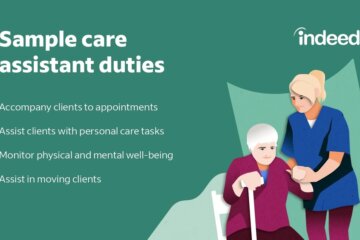
Personal care assistants play a vital role in supporting individuals with their medication routines. They help with various tasks related to medication without actually administering the drugs. These tasks ensure clients follow their medication schedules safely and effectively. Below are some common medication assistance tasks performed by personal care assistants.
Reminders And Prompts
Personal care assistants remind clients to take their medications on time. They offer gentle prompts to encourage adherence to prescribed schedules. These reminders help prevent missed doses and maintain health stability.
Medication Handling
They assist in organizing medications by sorting pills or capsules as directed. Personal care assistants make sure medications are stored safely and properly. Handling tasks do not include giving the medication but focus on preparation.
Preparation Support
Assistants may prepare medication trays or set up pill organizers. They help open medication containers for easier access. Their support reduces confusion and promotes independence for clients.
Offering Fluids
Many medications require fluids for easier swallowing. Personal care assistants offer water or other approved drinks to clients. This task supports proper medication intake and comfort during use.
Documentation Duties
Keeping records of medication reminders and client responses is important. Personal care assistants document these details accurately for healthcare providers. Proper documentation helps track medication adherence and client well-being.
Actions Pcas Cannot Perform
Personal Care Assistants (PCAs) play a vital role in supporting individuals with daily tasks. Their work improves the quality of life for many. Despite their important duties, certain medical actions lie beyond their scope. This section highlights key tasks PCAs cannot perform to keep care safe and effective.
Injecting Medications
PCAs are not allowed to give injections. This includes shots like insulin or vaccines. Injecting requires special training and licenses. Only nurses or doctors can perform these safely. PCAs may remind clients to take medications but cannot inject them.
Wound Care And Invasive Tasks
Handling wounds is another task PCAs cannot do. They cannot clean or dress deep cuts or surgical wounds. Invasive procedures involve risk and need medical expertise. PCAs focus on helping with hygiene and comfort instead. Nurses provide proper wound care to prevent infections.
Administering Complex Treatments
Complex treatments include IV therapy or managing feeding tubes. PCAs do not have permission to perform these tasks. Such treatments require monitoring and skill. Licensed healthcare professionals manage these safely. PCAs support clients by assisting with basic needs around these treatments.
When Pca Pumps Are Used
PCA pumps are devices used to control pain relief by allowing patients to manage their own medication doses. These pumps deliver medicine through an IV or under the skin. They help patients receive pain medicine safely and comfortably.
Pain Medication Delivery
PCA pumps give pain medicine in small, controlled amounts. This method works well after surgery or during severe pain episodes. Patients press a button to get a dose when needed. The pump limits how much medicine a patient can take to avoid overdose.
Healthcare Provider Role
Doctors decide if a PCA pump is right for a patient. They set the dose and time limits on the pump. Nurses and healthcare staff monitor the patient’s response and adjust settings if needed. Only trained medical staff manage the pump and medication.
Opioid Administration
Most PCA pumps deliver opioid pain medicine like morphine or hydromorphone. These strong medicines reduce severe pain but require careful control. The pump keeps the dose safe and prevents too much opioid intake. Patients feel relief with less risk of side effects.
Pca Training And Certification
Personal Care Assistants (PCAs) play a vital role in supporting individuals with daily living activities. Proper training and certification ensure PCAs perform their duties safely and effectively. Understanding the scope of their responsibilities, especially concerning medication, depends heavily on their education and legal guidelines.
Required Skills
PCAs need strong communication and observation skills. They must recognize signs of health changes and report them promptly. Basic knowledge of medication types and schedules helps them support clients better. Attention to detail ensures they follow care plans accurately. Empathy and patience are essential for working with vulnerable individuals.
State Certification Differences
Certification requirements vary widely between states. Some states allow PCAs to assist with medication reminders only. Others may permit limited medication administration after special training. Checking local laws is crucial before assigning medication tasks to PCAs. Certification often involves passing a test and completing hands-on training.
Continuing Education
Ongoing education keeps PCAs updated on best practices and regulations. Many states require PCAs to renew certification regularly. Training covers new healthcare techniques and safety protocols. Continuous learning improves care quality and client safety. It also helps PCAs stay confident in their roles.
Supporting Client Independence
Supporting client independence is a key goal in personal care assistance. Helping clients manage their medications boosts their confidence and daily functioning. It allows them to stay active and feel in control of their health. Personal care assistants play a vital role in this process by offering the right support without taking over.
Encouraging Self-administration
Personal care assistants encourage clients to take their medications themselves. They offer reminders and guidance to help clients remember the right time and dose. This approach builds trust and helps clients maintain their routine. It also promotes a sense of responsibility and independence.
Monitoring Compliance
Monitoring medication compliance is crucial for safety and effectiveness. Personal care assistants observe if clients take their medications as prescribed. They keep simple records to track adherence. This monitoring helps detect missed doses or side effects early. It ensures clients receive the full benefit of their treatment.
Safety Considerations
Safety is the top priority when assisting with medication. Personal care assistants must know each client’s medication plan clearly. They avoid giving medications themselves unless properly trained and authorized. Assistants watch for any signs of adverse reactions. Clear communication with healthcare providers supports safe medication use.
Common Misconceptions
Many people have wrong ideas about what a Personal Care Assistant (PCA) can do with medication. These wrong ideas cause confusion and wrong expectations. Understanding the real role of PCAs helps families and clients get proper care. Below, we clear up some common myths.
Medication Administration Vs Assistance
PCAs cannot give or inject medicine directly. They only remind clients to take their medicine. This is called medication assistance, not administration. Medication administration requires special training and licenses. Nurses and some health aides can give medicines safely. PCAs help clients remember their medicine times and watch for side effects.
Role Confusion With Cnas And Nurses
Certified Nursing Assistants (CNAs) and nurses have different job duties than PCAs. CNAs can do some medical tasks like taking vital signs. Nurses can administer medicines and manage treatments. PCAs focus on daily living help like bathing and dressing. Mixing these roles causes confusion about who can give medicines. Knowing each role’s limits keeps care safe and clear.
Credit: www.gauthmath.com

Credit: resume-example.com
Frequently Asked Questions
What Is A Pca Not Allowed To Do?
A PCA cannot administer medications, perform wound care, cut nails or hair, manage bowel or bladder care, or give enemas and suppositories. They must avoid accepting gifts or sharing personal contact information. Licensed healthcare professionals handle medical tasks beyond daily living support.
Can A Personal Care Assistant Give Medication?
A personal care assistant cannot administer medication. They may remind clients to take medication and assist with opening containers, but only licensed professionals give medications.
Is A Personal Care Assistant Legally Permitted To Give Medication?
A personal care assistant cannot legally administer medication. They may only provide reminders and assist clients in self-administration. Licensed healthcare professionals handle medication administration. Rules may vary by state or training.
What Type Of Medications Can Be Administered Through Pca?
Medications administered through PCA pumps are usually opioids like morphine or hydromorphone. Licensed healthcare providers prescribe and control dosages.
Conclusion
Personal care assistants mainly support daily tasks, not medication. Only licensed nurses or doctors can give medicines safely. PCAs may remind clients about their medication schedules. This helps ensure clients take medicines on time. Knowing these limits keeps everyone safe and healthy.
Always check local rules about what PCAs can do. Clear communication with healthcare providers is important too. This way, clients get the right care they need.

“As the voice behind Radiant Glow Health, we are dedicated to being your ultimate wellness and vitality companion. Our mission is to inspire and guide you on your journey to a healthier and more vibrant life. Join us as we explore holistic health practices and empower you to radiate wellness from within.”