Are you ready to take your workouts to the next level? Improving your exercise performance isn’t just about working harder—it’s about working smarter.
Whether you want to run faster, lift heavier, or simply feel stronger and more energized, there are simple but powerful steps you can take right now. From how you fuel your body to the way you recover, every choice impacts your results.
Keep reading to discover practical tips that will help you unlock your full potential and make every workout count. Your best performance is waiting—let’s dive in!
Nutrition Tips
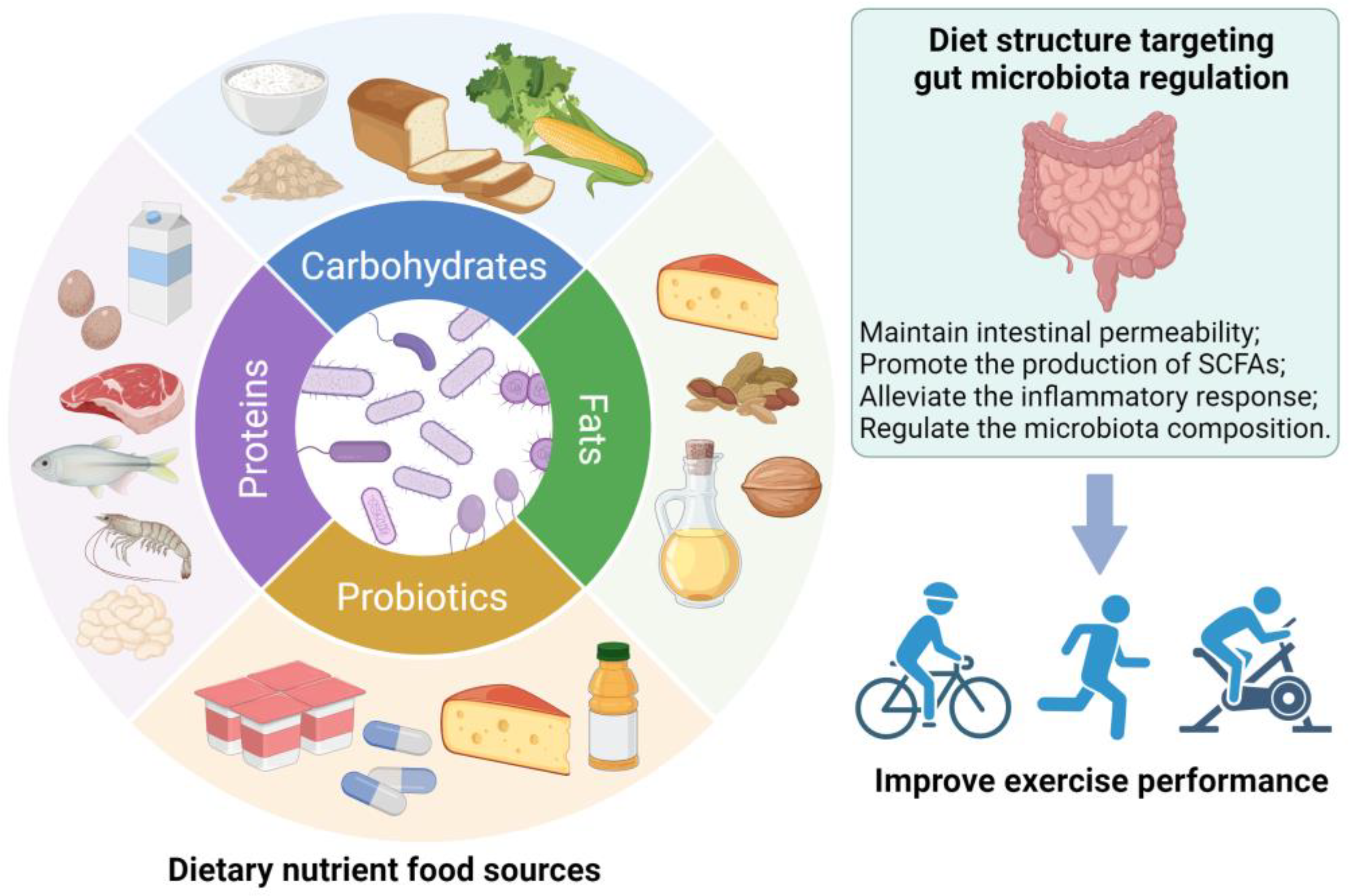
Nutrition plays a key role in boosting exercise performance. It fuels the body and aids in recovery. Choosing the right foods helps maintain energy and strength during workouts.
Proper nutrition supports muscle growth and endurance. It also reduces fatigue and improves focus. Small changes in diet can lead to big improvements in training results.
Whole Foods Focus
Eating whole foods gives your body essential nutrients. Fresh fruits, vegetables, and grains provide vitamins and minerals. These foods are easier to digest and provide lasting energy.
Avoid processed foods with added sugars and unhealthy fats. Whole foods help maintain stable blood sugar levels. This keeps energy steady during exercise and daily activities.
Protein Intake
Protein helps build and repair muscles after workouts. Include lean sources like chicken, fish, beans, and tofu in meals. Aim for a balanced amount throughout the day to support recovery.
Consuming protein soon after exercise boosts muscle growth. It also reduces muscle soreness and speeds up healing. Protein shakes or snacks can be convenient options post-workout.
Healthy Fats And Carbs
Healthy fats provide long-lasting energy for endurance activities. Sources like nuts, seeds, and olive oil support brain and heart health. Avoid trans fats and limit saturated fats.
Carbohydrates are the body’s main energy source during exercise. Choose whole grains, fruits, and vegetables for complex carbs. These release energy slowly, keeping you active longer.
Hydration Strategies
Water is vital for optimal exercise performance. It regulates body temperature and lubricates joints. Drink water before, during, and after workouts to stay hydrated.
For intense or long workouts, consider drinks with electrolytes. They replace minerals lost through sweat and maintain balance. Avoid sugary drinks that can cause energy crashes.
Credit: www.mdpi.com
Workout Planning
Effective workout planning is key to improving exercise performance. Planning helps target different muscle groups and energy systems. It ensures balanced progress without risking injury. A well-structured routine keeps motivation high and results steady. Consider your goals, time, and fitness level for the best plan.
Strength Training Benefits
Strength training builds muscle power and endurance. It improves bone density and joint health. Strong muscles support better posture and reduce injury risk. This type of training boosts metabolism and aids fat loss. Adding weights or resistance bands helps increase strength gradually.
Cardio Integration
Cardio workouts enhance heart and lung capacity. They improve stamina and help burn calories efficiently. Mixing cardio with strength training creates a balanced fitness routine. Activities like running, cycling, or swimming improve overall endurance. Regular cardio sessions support faster recovery between sets.
Avoiding Overtraining
Overtraining can cause fatigue and reduce performance. It increases injury risk and weakens the immune system. Watch for signs like persistent soreness or low energy. Plan rest days and vary workout intensity to prevent burnout. Listening to your body helps maintain steady progress.
Rest And Recovery
Rest allows muscles to repair and grow stronger. Recovery improves flexibility and reduces soreness. Sleep plays a crucial role in muscle recovery. Include light activities like stretching or walking on rest days. Proper recovery enhances overall workout effectiveness and performance.
Training Techniques
Training techniques shape how you improve exercise performance. These methods target strength, speed, and endurance. Using varied techniques helps avoid plateaus and keeps workouts fresh. Training smarter boosts results in less time.
Circuit Training
Circuit training mixes different exercises with short rest. It raises heart rate while building muscle. This style burns calories and improves stamina quickly. Each station targets a new muscle group or skill. It suits those who want full-body fitness fast.
Multi-muscle Exercises
Multi-muscle exercises use several muscle groups at once. Squats, deadlifts, and push-ups are good examples. These moves increase strength and coordination together. They prepare the body for real-life movements and sports. Efficiency is high because many muscles work simultaneously.
Agility Drills
Agility drills train quick changes in direction and speed. Ladder drills, cone drills, and shuttle runs improve footwork. These exercises enhance balance and reflexes. Athletes gain better control and faster reactions. Agility training helps avoid injuries by improving movement quality.
Plyometric Movements
Plyometric movements focus on explosive power through jumping or bounding. Examples include box jumps, jump squats, and clap push-ups. These exercises boost speed, strength, and coordination. They train muscles to contract faster and with more force. Plyometrics increase athletic performance and quickness.
Supplementation
Supplementation can support your exercise performance by providing extra nutrients your body needs. It helps improve strength, endurance, and recovery. Choosing the right supplements depends on your goals and workout type. Understanding how to use supplements correctly enhances their benefits without risks.
Common Supplements
Protein powders help build and repair muscles after exercise. Creatine boosts energy for short, intense workouts. Beta-alanine may reduce muscle fatigue during high-intensity training. Caffeine increases alertness and can improve focus and stamina. Branched-chain amino acids (BCAAs) support muscle recovery and reduce soreness.
Timing And Dosage
Take protein within 30 minutes after exercise to aid muscle recovery. Creatine is often taken daily, with a loading phase of 20 grams for 5 days. Caffeine works best about 30 minutes before a workout to enhance energy. Follow supplement labels for exact doses. Avoid taking too much to prevent side effects.
Safety Considerations
Consult a healthcare provider before starting any supplement. Some supplements can interact with medications or cause allergies. Buy supplements from trusted brands to ensure quality and safety. Avoid products with unclear ingredients or claims that sound too good to be true. Always monitor your body’s response and stop use if you feel unwell.
Sleep And Recovery
Sleep and recovery play a vital role in improving exercise performance. Proper rest helps the body repair muscles and restore energy. Without enough recovery, fatigue builds up and performance drops.
Good sleep and active recovery methods boost endurance, strength, and focus. They also reduce the risk of injury and burnout. Understanding how to optimize sleep and recovery will enhance your training results.
Sleep Quality
Sleep quality affects physical and mental performance. Deep sleep helps muscles grow and repair. Poor sleep reduces reaction time and energy levels. To improve sleep quality, keep a regular bedtime and limit screen time before bed. A dark, quiet room also helps you fall asleep faster.
Napping Benefits
Naps can boost alertness and reduce fatigue during the day. A short nap of 20-30 minutes improves focus without causing grogginess. Napping after intense exercise speeds up recovery by reducing muscle soreness and inflammation. Avoid long naps late in the day to prevent sleep problems at night.
Active Recovery Methods
Active recovery includes light exercise on rest days. Activities like walking, stretching, or yoga increase blood flow and help muscles heal. Active recovery reduces stiffness and improves flexibility. It also lowers stress and supports mental well-being. Incorporate active recovery regularly to maintain consistent progress.

Credit: www.scienceforsport.com
Mental Performance
Mental performance plays a key role in improving exercise results. The mind controls how the body reacts to physical challenges. Strong mental skills help you push through tough workouts and stay consistent. Training your brain is as important as training your muscles. Focusing on mental strategies can boost your endurance, power, and confidence during exercise.
Stress Management
Stress can lower your exercise performance by causing fatigue and distraction. Managing stress helps keep your mind clear and energy levels high. Simple breathing exercises calm your nerves before and during workouts. Taking short breaks and practicing mindfulness reduce tension. A relaxed mind improves coordination and reaction time.
Motivation Techniques
Staying motivated keeps you moving forward even on hard days. Setting small, clear goals makes progress easier to track. Reward yourself for reaching milestones to stay encouraged. Listening to upbeat music or workout with a friend adds fun and energy. Positive self-talk builds belief in your abilities and fuels effort.
Focus And Visualization
Focus sharpens your attention on the task at hand, reducing mistakes. Start workouts by clearing distractions and setting an intention. Visualization involves imagining successful movements and outcomes before exercising. This mental rehearsal prepares your body and mind for action. Athletes who visualize often perform better under pressure.
Routine Consistency
Consistency in your exercise routine builds strength and endurance over time. Sticking to a regular schedule helps your body adapt and improves overall performance. Skipping workouts or changing times often slows progress and can cause frustration. A steady routine sets a strong foundation for better results.
Scheduling Workouts
Plan your workouts at the same time each day. Choose times when energy levels are high and distractions are low. Treat these sessions as important appointments you cannot miss. Scheduling creates a habit, making exercise a natural part of daily life. Consistent timing helps your body know what to expect, improving performance.
Tracking Progress
Keep a simple workout log to record exercises, sets, and reps. Note improvements or challenges after each session. Tracking progress shows how far you have come and what needs change. It motivates you to keep going and helps set realistic goals. Seeing progress, even small, boosts confidence and commitment.
Avoiding Burnout
Balance hard workouts with rest and recovery days. Listen to your body and take breaks when needed. Overtraining can lead to fatigue, injury, and loss of motivation. Mix different types of exercises to keep workouts fresh and fun. Avoid pushing too hard every day to maintain long-term consistency.

Credit: blog.mrsteam.com
Frequently Asked Questions
How Can I Improve My Exercise Performance?
Improve exercise performance by staying hydrated, getting quality sleep, eating balanced meals, and varying workouts. Prioritize rest and mental health for recovery and motivation. Consistent strength and cardio training boost endurance and strength. Avoid overtraining to prevent injury and burnout.
What Is The 3 3 3 Rule For Exercise?
The 3 3 3 rule for exercise means doing three days of strength training, three days of cardio, and three days of rest or active recovery each week. This balances fitness, prevents burnout, and promotes overall health.
What Is The 6 6 6 Rule Exercise?
The 6 6 6 rule exercise divides workouts into three circuits of six exercises, six reps each, promoting efficiency and balance. It targets strength, cardio, and recovery to enhance overall fitness and prevent burnout. This method suits beginners and busy schedules.
What Is The 70/30 Rule Gym?
The 70/30 rule gym means 70% of your results come from nutrition and 30% from exercise. Focus on diet first.
Conclusion
Improving exercise performance takes time and steady effort. Focus on good sleep, proper hydration, and balanced nutrition. Change your workouts regularly to challenge your body. Rest is just as important as training for recovery. Keep your mind positive and stay motivated every day.
Small steps add up to big results over time. Stay consistent, listen to your body, and enjoy the process. Your progress will follow naturally with patience and care.

“As the voice behind Radiant Glow Health, we are dedicated to being your ultimate wellness and vitality companion. Our mission is to inspire and guide you on your journey to a healthier and more vibrant life. Join us as we explore holistic health practices and empower you to radiate wellness from within.”