
“How Much Does It Cost to Start a Non Medical Home Care?”
Are you thinking about starting a non-medical home care business but wondering how much it will really cost? Knowing the true expenses upfront can save you from surprises and help you plan smarter.
From licensing fees and insurance to hiring caregivers and marketing, every dollar counts when you’re building a trusted service for families in need. You’ll discover the key costs involved, what to expect at each step, and how to budget wisely so your home care business can thrive.
Keep reading to get clear answers that put you in control of your startup journey.

Credit: www.youtube.com
Startup Expenses
Starting a non-medical home care business requires careful planning and budgeting. Understanding startup expenses helps avoid surprises and sets a clear path. These costs cover legal, operational, and promotional needs to launch successfully.
Each expense plays a key role in building a trustworthy and efficient service. Preparing for these costs early supports smooth business operations and client satisfaction.
Licensing Fees
Licensing fees vary by state and local rules. These fees ensure your business meets health and safety standards. Expect to pay several hundred to a few thousand dollars. Securing proper licenses protects your business legally and builds client trust.
Insurance Costs
Insurance is essential to cover risks and liabilities. Common policies include general liability and workers’ compensation. Costs depend on coverage levels and employee numbers. Budgeting for insurance prevents financial loss from accidents or claims.
Office Setup
An office is the base for managing operations and staff. Renting or buying space depends on your budget and size. Basic office furniture and utilities add to startup costs. A well-organized office improves workflow and professionalism.
Equipment And Supplies
Essential equipment includes computers, phones, and medical alert systems. Stock up on supplies like uniforms and cleaning products. Initial purchases can range from a few hundred to several thousand dollars. Quality equipment supports efficient and safe care delivery.
Marketing Budget
Marketing creates awareness and attracts clients. Expenses include website design, brochures, and online ads. Local advertising and community events boost visibility. A clear marketing plan helps reach your target audience effectively.

Credit: www.annuityexpertadvice.com
Operational Costs
Operational costs form a key part of starting a non-medical home care business. These expenses cover daily activities and keep the business running smoothly. Managing these costs well helps maintain service quality and business growth. Below are some main operational cost areas to consider.
Staff Salaries
Staff salaries usually take up the largest portion of operational costs. Caregivers, nurses, and administrative staff need fair pay. Offering competitive wages attracts skilled workers and reduces turnover. Payroll taxes and benefits add to total salary expenses. Planning for these costs ensures you can hire and keep good staff.
Training And Certification
Training is essential to maintain high care standards. Staff must complete certifications and ongoing education. Training programs cost money for materials, instructors, and time off work. Proper training reduces risks and improves client satisfaction. Budgeting for training helps keep your team skilled and compliant.
Transportation Expenses
Transportation is vital for caregivers to reach clients’ homes. Costs include fuel, vehicle maintenance, and insurance. Some businesses provide company cars, others reimburse mileage. Efficient route planning lowers fuel costs and travel time. Tracking transportation expenses helps control this necessary spending.
Technology And Software
Technology streamlines scheduling, billing, and communication. Home care software can improve efficiency and accuracy. Costs cover software licenses, updates, and tech support. Investing in good software saves time and reduces errors. Choose systems that fit your business size and needs.
Revenue Potential
Revenue potential is a key factor in starting a non-medical home care business. It depends on the size of the business and the market demand. Understanding earnings across different business sizes helps set realistic goals. Here is a breakdown of revenue potential by business size.
Small Business Earnings
Small non-medical home care businesses often earn between $250,000 and $500,000 annually. These businesses usually serve a limited number of clients. They operate with a small team and lower overhead costs. Profit margins can be healthy if managed well.
Medium Business Earnings
Medium-sized businesses can generate $500,000 to $1,000,000 each year. They serve more clients and cover larger areas. These businesses hire more caregivers and staff. Increased scale often leads to better marketing and more referrals.
Large Business Earnings
Large non-medical home care companies can make over $1,000,000 annually. They have a wide client base and multiple locations. Large businesses benefit from economies of scale and brand recognition. They invest more in training and technology to improve services.
Credit: www.suretybondsdirect.com
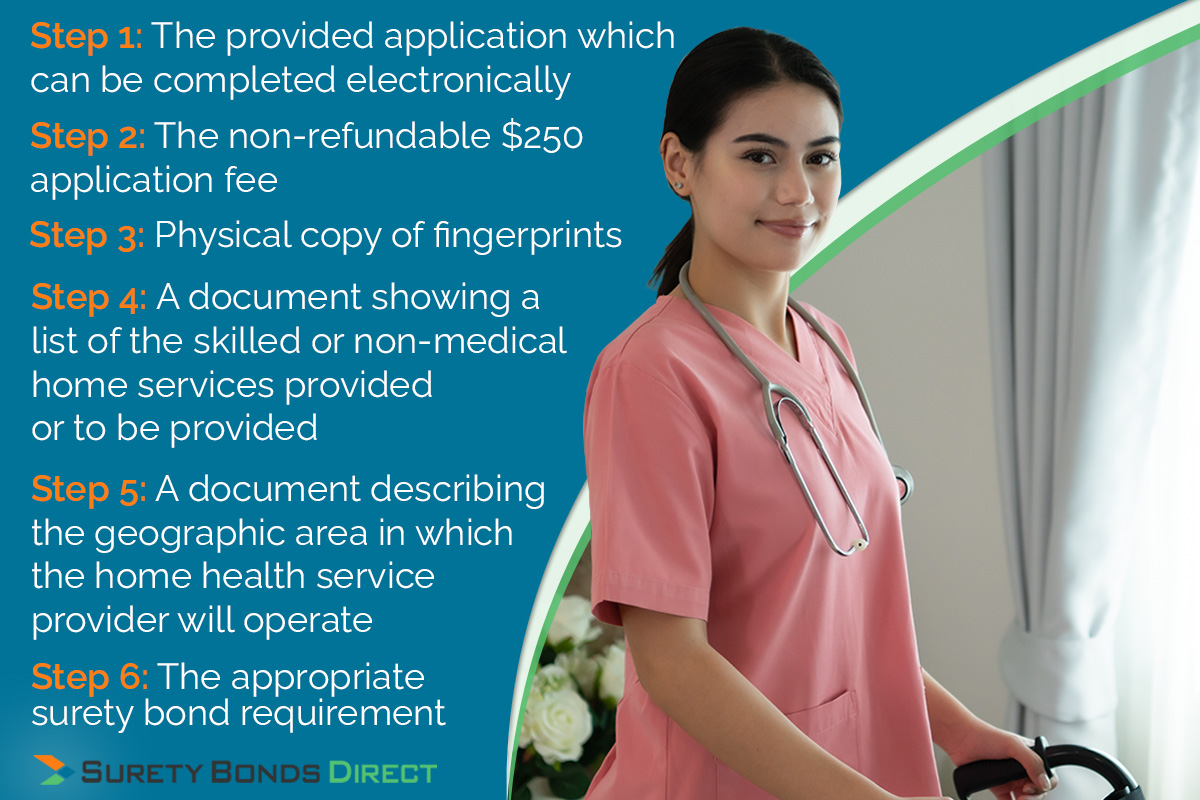
Legal And Regulatory Requirements
Choosing the right location is key to starting a successful non-medical home care business. Location affects costs and how quickly your business grows. Different areas have unique challenges and benefits. Let’s explore important factors about location that impact your startup budget and operations.
Market Demand In Austin, Texas
Austin has a growing senior population needing home care services. This creates strong demand for non-medical help. Families seek reliable care for elders at home. Higher demand often means more clients and better revenue. Knowing the local market size helps estimate potential income. Demand also influences how much you pay staff and market your service.
Competition Analysis
Austin has many home care providers already serving the community. Studying competitors reveals service gaps and pricing strategies. New businesses may face high marketing costs to attract clients. Understanding competition helps set realistic budgets for advertising and staff wages. A less crowded area might lower startup costs but reduce client availability. Balance competition with market demand for best results.
Local Regulations
Texas has specific rules for non-medical home care businesses. Austin may have additional city-level requirements. Licensing fees, insurance, and background checks add to startup expenses. Compliance with health and safety laws avoids fines and legal trouble. Regulations also affect how you hire and train caregivers. Researching local laws early prevents unexpected costs and delays.
Funding Options
Marketing strategies play a key role in starting a non-medical home care business. They help attract clients and build trust in your services. Effective marketing balances cost and impact. Choosing the right approaches can lower startup expenses and boost growth. Below are three essential marketing strategies to consider.
Online Presence
Creating a strong online presence is vital for reaching potential clients. A simple website with clear information about your services works well. Use local keywords like “home care in Austin” to appear in search results. Social media profiles on platforms such as Facebook help engage families and caregivers. Sharing helpful posts builds your reputation and trust. Online ads can also target local audiences affordably.
Community Outreach
Connecting directly with your local community builds personal relationships. Attend health fairs, senior centers, and community events. Offer free talks or workshops on elder care topics. Partner with local doctors or social workers to spread the word. These efforts increase your visibility and show you care about the community. Outreach often costs little but brings valuable referrals.
Referral Programs
Referral programs encourage satisfied clients to recommend your services. Offer small rewards or discounts for each new client referred. This creates a network of advocates who promote your business naturally. Keep communication open with families and caregivers to maintain strong relationships. Referrals reduce marketing costs and help grow your client base steadily.
Frequently Asked Questions
How Much Does A Non-medical Home Care Business Make?
A non-medical home care business typically earns $250,000 to over $1 million annually. Earnings vary by business size and location.
How Much Money To Start A Home Care Business?
Starting a home care business typically requires $50,000 to $100,000. Costs cover licensing, insurance, staff, and marketing. Budget carefully to ensure smooth operations and compliance.
How To Start A Non-medical Home Care Service?
Register your business and obtain required licenses. Create a business plan, secure funding, hire trained caregivers, and market your services locally. Comply with state regulations to ensure legal operation.
How Much Does It Cost To Start A Home Health Business?
Starting a home health business typically costs between $10,000 and $50,000. Expenses include licensing, insurance, equipment, and marketing. Costs vary by location and business size. Planning and budgeting carefully ensure a smooth launch and compliance with regulations.
Conclusion
Starting a non-medical home care business requires careful financial planning. Costs vary depending on location, licensing, and staff needs. Expect expenses for insurance, training, and marketing. Small businesses may start with lower budgets, while larger agencies need more capital. Understanding these costs helps avoid surprises and ensures smooth operations.
Success depends on managing expenses and delivering quality care. Starting smart sets a strong foundation for growth.

“As the voice behind Radiant Glow Health, we are dedicated to being your ultimate wellness and vitality companion. Our mission is to inspire and guide you on your journey to a healthier and more vibrant life. Join us as we explore holistic health practices and empower you to radiate wellness from within.”